Washington DC
Free museums, marble memorials and the buildings of American power, set along a two-mile lawn with neighbourhoods that have far more life than the postcards suggest.
Quick decisions
How many days?
3 days: the memorials, two or three Smithsonian museums and Capitol Hill. 4 to 5 days: add Georgetown, Arlington and a day in Old Town Alexandria or Mount Vernon. 6 days or more: add Baltimore or Annapolis.
Where should I stay?
Penn Quarter: walking distance to the Mall. Dupont Circle: leafy, lively and on the Red Line. Capitol Hill: quiet rowhouse streets. Georgetown: handsome but off the Metro. More in our where to stay guide.
Do I need a car?
No. The Metro, your feet and a bike-share cover the city, and parking downtown is expensive and scarce. A car helps only for trips further out, like Shenandoah National Park.
Best for
Museum lovers: the Smithsonian museums are free. History and politics: the Capitol, the Supreme Court and the memorials. Families: dinosaurs, spacecraft and lawns to run on. Nightlife: better than its reputation, around U Street and the Wharf.
Before you go
ESTA: most visa-waiver travellers need one. Book ahead: Washington Monument tickets, a Capitol tour and timed passes for the African American history museum. Tipping: expected in restaurants, bars and taxis.
Getting around
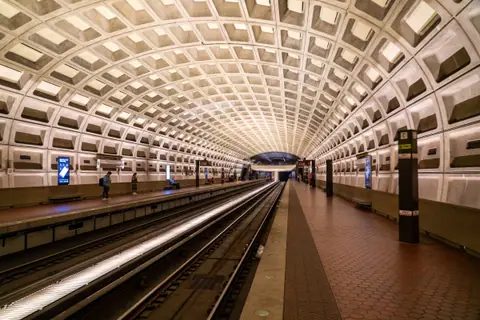
From the airports: Metro from Reagan National and Dulles, trains from BWI. In the city: Metro, walking and bike-share. Details in our getting there guide.
Continue your trip
Amtrak trains from Union Station reach New York in about three and a half hours (less on the faster Acela), and Philadelphia and Baltimore sooner. Boston is a long day by train, or a short flight.
Overview
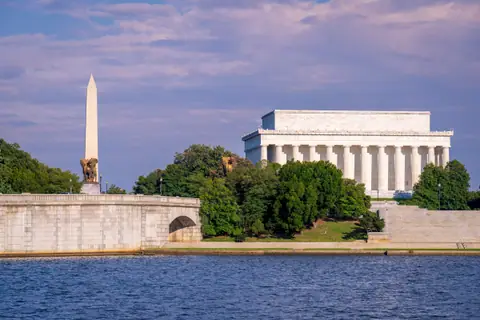
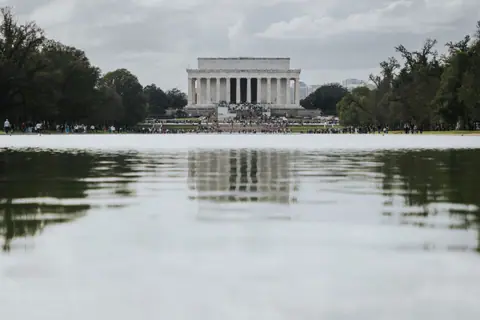
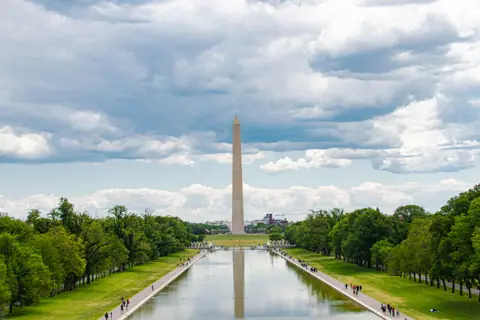
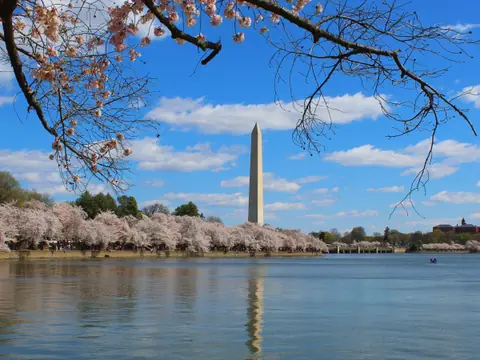
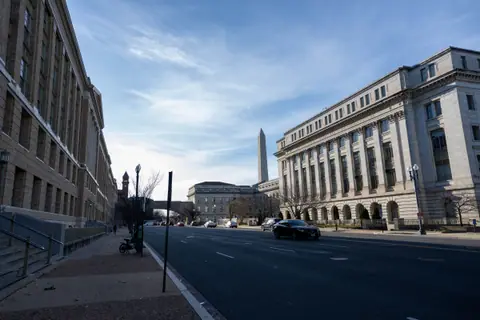
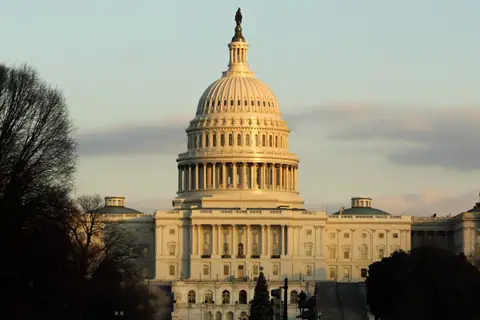
Washington was designed to impress, and the first view down the National Mall does its job: the white obelisk of the Washington Monument, the Capitol dome at one end and Lincoln in his temple at the other. What surprises most visitors is how much of it is free. The Smithsonian's museums, the National Gallery of Art, the memorials and the Capitol tour cost nothing, which means you can walk into a museum for forty minutes and leave without feeling you've wasted a ticket.
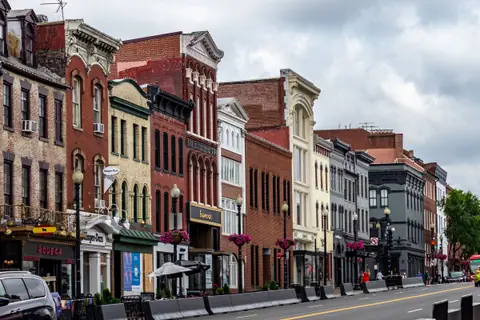
The other surprise is the city beyond the Mall. Georgetown's brick streets, the rowhouses of Capitol Hill, the bars of U Street and the waterfront at the Wharf are where Washingtonians actually live, and a trip that never leaves the monuments misses them. Three or four days is a comfortable first visit. Start with our Washington DC travel guide.
Getting there
Three airports serve the city. Reagan National is closest, a short Metro ride from downtown. Dulles, for most long-haul flights, is linked by the Metro's Silver Line, and BWI by train. Amtrak arrives at Union Station, next to Capitol Hill. Our getting there guide compares them.
Where to stay
Stay within walking distance of a Metro station and the Mall is never far. Penn Quarter and Downtown suit sightseeing, Dupont Circle and Logan Circle suit evenings out, and Capitol Hill is quieter. Our where to stay guide compares them.
Things to do
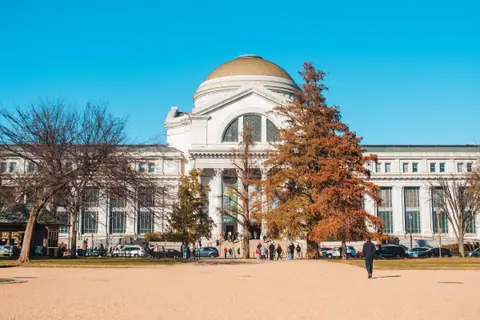
Most first days start on the Mall, and our National Mall walking guide links the memorials in a sensible order. Our Smithsonian guide helps you choose between the museums, and the rest is in our things to do list.
Food and drink
Washington eats well once you step off the Mall, where the museum cafés are the main option. The half-smoke, a spicy grilled sausage, is the local classic, and the city has one of the largest Ethiopian communities in the country, so injera and stews are easy to find around Shaw and U Street. Union Market and Eastern Market are the places to graze.
Culture
Washington was built as a capital from scratch. Pierre L'Enfant laid out its grand avenues in 1791, the government moved here in 1800, and British troops burned the Capitol and the White House in 1814. A 1910 law limits building heights, which is why the skyline stays low. Residents still have no voting representative in Congress, hence the "taxation without representation" slogan on local licence plates.
Weather by month
Washington DC is warmest in July, with average highs around 31°C, and coldest in January, when nights drop to about -2°C. July is the wettest month, with rain on about 14 days. For mild weather with fewer rainy days, aim for October.
| Month | Low | Range | High | Rain | Rainy days |
|---|---|---|---|---|---|
| Jan | -2°C | 6°C | 84 mm | 9 d | |
| Feb | -1°C | 9°C | 85 mm | 10 d | |
| Mar | 2°C | 13°C | 95 mm | 10 d | |
| Apr | 8°C | 19°C | 94 mm | 11 d | |
| May | 13°C | 24°C | 128 mm | 13 d | |
| Jun | 18°C | 29°C | 127 mm | 13 d | |
| Jul | 21°C | 31°C | 176 mm | 14 d | |
| Aug | 20°C | 30°C | 158 mm | 14 d | |
| Sep | 17°C | 26°C | 131 mm | 11 d | |
| Oct | 11°C | 20°C | 91 mm | 9 d | |
| Nov | 5°C | 14°C | 83 mm | 8 d | |
| Dec | 1°C | 9°C | 105 mm | 10 d |
Averages of daily values from 2015 to 2024. Rainy days are days with at least 1 mm of rain. Source: Open-Meteo · Compare destinations by month.
Washington DC on the map
Every place we cover in Washington DC. Tap a category or pin to explore.
In-depth Washington DC guides
Browse the guides grouped by topic: sights, neighbourhoods, food, transport, day trips and trip planning.
Sights, Landmarks & Parks
Key monuments, viewpoints, museums and nature trails.
Neighbourhoods & Where to Stay
Districts, historic quarters and the best bases for your stay.
Getting Around & Arrival
Airport transfers, public transit, passes and driving rules.
Day Trips & Excursions
Easy half-day and full-day trips from the city.
Trip Planning & Itineraries
When to visit, what to pack and day-by-day routes.
- Washington DC: What to Know Before You GoHow the city is laid out, what's free, and what you have to book ahead.
- Best Time to Visit Washington DCSpring blossom or autumn calm, and what the humid summer really means.
- What to Wear in Washington DCShoes for long distances, clothes for humidity, and a layer for the air conditioning.
- Washington DC 3-Day ItineraryThree days that balance memorials, museums and the neighbourhoods beyond them.
Need your embassy or consulate in United States? See embassies and consulates in United States.
Reviews
Log in to write a review.
No reviews yet.