Panama City
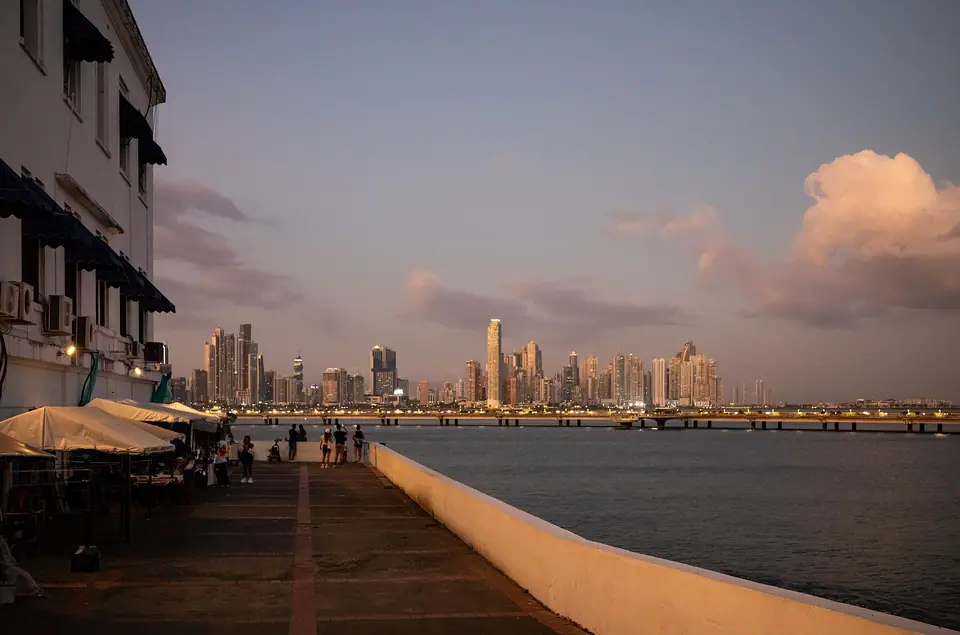
Where the Pacific entrance of the Panama Canal meets a 1519 Spanish ruin, a 1673 walled peninsula, and a 232-hectare urban rainforest, Panama City bridges two oceans and two continents with Neo-Panamax ship locks, Frank Gehry architecture, Geisha coffee, and Caribbean Guna coral cays.
Quick decisions
- How many days? Allow 4 to 5 days: two days for Casco Antiguo, the Miraflores Locks, Panamá Viejo, and the Amador Causeway, plus two or three days for Gatun Lake and Soberanía National Park, the San Blas Islands, or El Valle de Antón.
- Where should I stay? Stay inside the restored colonial peninsula of Casco Antiguo (San Felipe) for walkable plazas and rooftop bars, or in Bella Vista and Obarrio along Metro Line 1 for central value.
- Do I need a car? No inside the city: Metro Lines 1 and 2 (including the Tocumen Airport branch), Uber, and the Cinta Costera pedestrian spine connect every urban district; book a 4WD transfer for Guna Yala (San Blas).
- Best for: Interoceanic canal engineering, UNESCO colonial plazas, urban rainforest birding and sloth spotting, Geisha coffee, and two-ocean island day trips.
- Before you go: Panama uses the US Dollar (USD) alongside Balboa coins of identical size; carry your original physical passport if travelling to the autonomous Guna Yala territory (San Blas).
- Getting around: Tap a contactless Visa or Mastercard directly at Panama Metro turnstiles or buy a rechargeable RapiPass card for MiBus transit.
- Continue your trip: Connect from Tocumen's Hub of the Americas north to Mexico City or south to Bogotá.
Overview
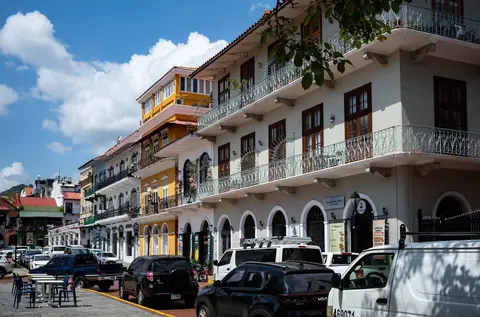
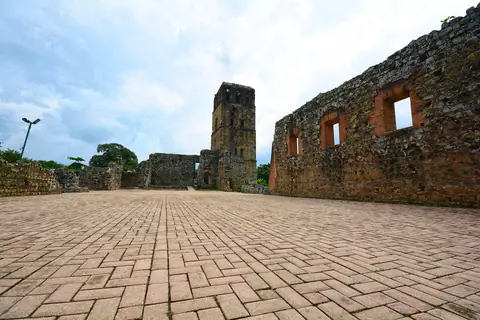
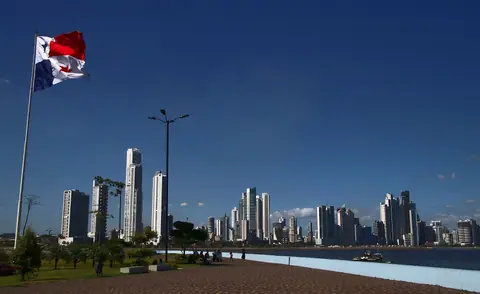
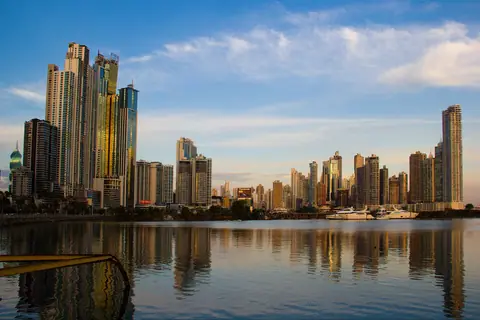
Founded on 15 August 1519 by Pedro Arias Dávila as the oldest permanent European settlement on the Pacific coast of the Americas, Panama City (Ciudad de Panamá) occupies a narrow coastal shelf where the volcanic Isthmus of Panama meets the Pacific entrance of the Panama Canal. Few capitals compress so many historical and ecological layers into a fifteen-kilometre shoreline. At the northeastern edge of the bay rise the 16th-century masonry towers of Panamá Viejo, burned during Henry Morgan's pirate raid of 1671. Eight kilometres southwest, across a skyline of glass towers linked by the landscaped Cinta Costera waterfront, juts the 1673 walled peninsula of Casco Antiguo (San Felipe), where French Canal-era mansard roofs and baroque churches face the Pacific anchorage. Directly inland, Metropolitan Natural Park shelters sloths, tamarins, and toucans inside the municipal boundary alongside the Miraflores and Cocolí locks of the Panama Canal, while ninety minutes across the Continental Divide lie the Spanish treasure forts of Portobelo and the coral cays of Guna Yala (San Blas) on the Caribbean Sea.
Getting there
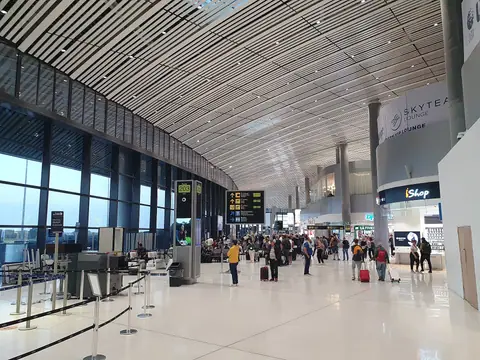
Fly into Tocumen International Airport (PTY) 24 km northeast of downtown and ride the elevated Line 2 Airport Metro branch (connecting to Line 1 at San Miguelito) using a contactless bank card or RapiPass card, or take an airport taxi or Uber into town.
Where to stay
Base yourself in Casco Antiguo (San Felipe) for boutique heritage hotels and car-free colonial streets, in Bella Vista, El Cangrejo, or Obarrio for Metro Line 1 access, along Avenida Balboa for bay views, or on the Amador Causeway.
Things to do
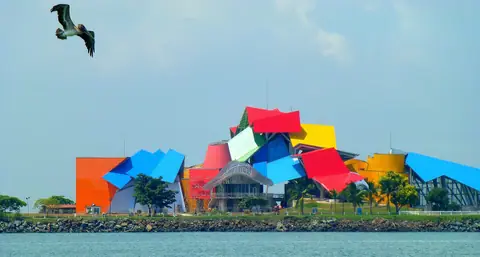
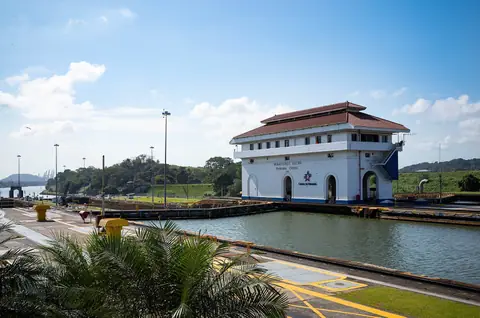
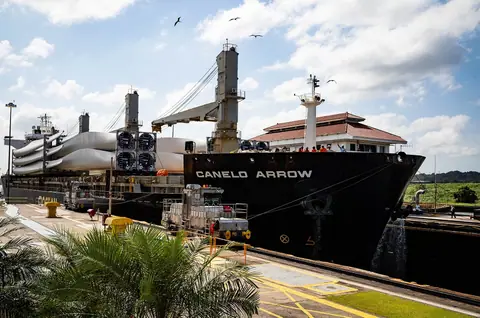
Watch ocean freighters transit the Miraflores and Agua Clara locks of the Panama Canal, walk the four historic plazas of Casco Antiguo, climb the 1519 tower at Panamá Viejo and cycle the Amador Causeway to Frank Gehry's Biomuseo, spot sloths in Metropolitan Natural Park and Gatun Lake, and take day trips to San Blas or Taboga Island, Portobelo, or El Valle de Antón.
Food and drink
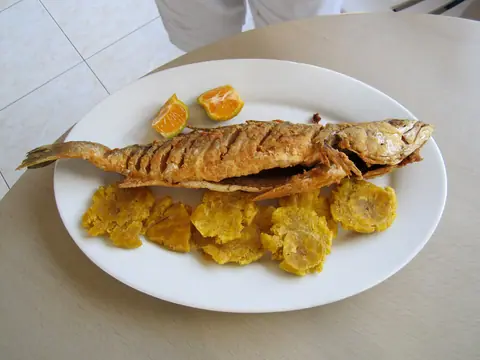
Taste corvina sea-bass ceviche at the Mercado de Mariscos, bowls of culantro-scented sancocho de gallina, Afro-Antillean coconut rice with pigeon peas (arroz con guandú), crispy carimañolas and patacones, and Highland Boquete Geisha pour-over coffee.
Culture
Designated a UNESCO Creative City of Gastronomy alongside two UNESCO World Heritage districts, Panama City weaves together indigenous Guna mola textile art and Emberá river traditions, 500 years of trans-isthmian Spanish silver routes, and Afro-Caribbean Canal heritage.
Weather by month
Panama City is warmest in February, with average highs around 32°C, and coldest in January, when nights drop to about 22°C. October is the wettest month, with rain on about 20 days.
| Month | Low | Range | High | Rain | Rainy days |
|---|---|---|---|---|---|
| Jan | 22°C | 31°C | 28 mm | 4 d | |
| Feb | 22°C | 32°C | 14 mm | 2 d | |
| Mar | 23°C | 32°C | 21 mm | 3 d | |
| Apr | 24°C | 32°C | 49 mm | 7 d | |
| May | 24°C | 31°C | 119 mm | 17 d | |
| Jun | 24°C | 30°C | 126 mm | 18 d | |
| Jul | 24°C | 30°C | 112 mm | 16 d | |
| Aug | 24°C | 30°C | 119 mm | 17 d | |
| Sep | 23°C | 30°C | 126 mm | 18 d | |
| Oct | 23°C | 29°C | 140 mm | 20 d | |
| Nov | 23°C | 29°C | 140 mm | 20 d | |
| Dec | 22°C | 30°C | 77 mm | 11 d |
Averages of daily values from 2015 to 2024. Rainy days are days with at least 1 mm of rain. Source: Open-Meteo · Compare destinations by month.
Panama City on the map
Every place we cover in Panama City. Tap a category or pin to explore.
In-depth Panama City guides
Browse the guides grouped by topic: sights, neighbourhoods, food, transport, day trips and trip planning.
Sights, Landmarks & Parks
Key monuments, viewpoints, museums and nature trails.
- Best Things to Do in Panama City: Canal Locks, Casco Antiguo, Biomuseo & RainforestsDiscover the top experiences in Panama City, from watching ships at the Miraflores Locks and walking Casco Antiguo to cycling the Amador Causeway and spotting sloths in the rainforest.
- What to Wear in Panama City: Tropical Linen, Rainforest Trail Gear & Rooftop DressPack smart for Panama City with our clothing guide to 31-degree tropical humidity, chilly air-conditioned metro carriages, rainforest trails, and Casco Antiguo dress codes.
- 3 Days in Panama City: Canal Locks & Casco Antiguo, Rainforest & 1519 Ruins, Plus San BlasFollow our 3-day Panama City itinerary combining the Miraflores Locks, Biomuseo, and Casco Antiguo on Day 1 with Metropolitan Natural Park and Panama Viejo on Day 2 and Gatun Lake or San Blas on Day 3.
- Panama Canal Guide: Miraflores Locks, IMAX, Cocolí & Agua Clara Neo-Panamax ExpansionHow to visit the Panama Canal: understand the 1914 gravity-fed lock system and 2016 Neo-Panamax expansion, time your visit to Miraflores Locks for ship transits, and compare partial canal cruises.
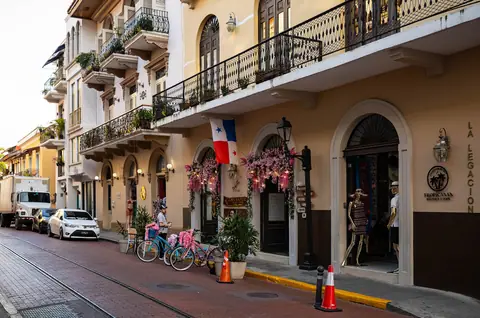
- Casco Antiguo (San Felipe) Walking Guide: Four Plazas, Golden Altar & Museo del CanalWalk the UNESCO-listed 1673 peninsula of Casco Antiguo: explore Plaza de la Independencia, the Interoceanic Canal Museum, the Golden Altar of San Jose, Arco Chato, Plaza Francia, and MUMO.
- Panamá Viejo (1519 Ruins), Frank Gehry's Biomuseo & Amador Causeway GuideExplore the two bookends of the Bay of Panama: the 1519 UNESCO stone ruins and watchtower of Panama Viejo in the east, and Frank Gehry's Biomuseo and the 6 km Amador Causeway in the west.
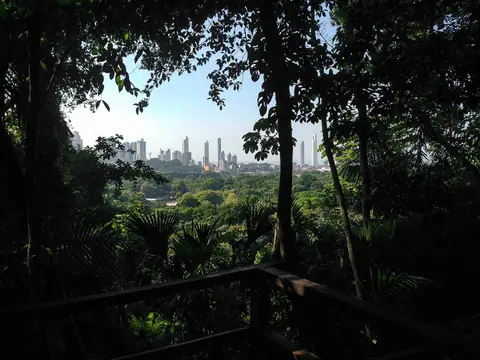
- Metropolitan Natural Park, Soberanía National Park (Pipeline Road) & Gatun Lake GuideSpot sloths, Geoffroy's tamarins, and toucans inside Panama City at Metropolitan Natural Park, birdwatch along Soberania's famous Pipeline Road, and boat across Gatun Lake to Monkey Island.
Neighbourhoods & Where to Stay
Districts, historic quarters and the best bases for your stay.
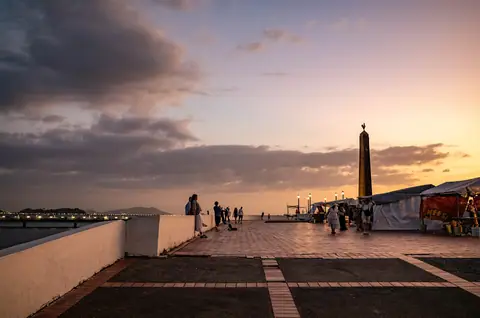
- Panama City Orientation: Coastal Arc, Cinta Costera, Casco Antiguo & Canal ZoneUnderstand how Panama City stretches along the Bay of Panama from the 1519 ruins of Panama Viejo across the Cinta Costera to 1673 Casco Antiguo, the Amador Causeway, and the Panama Canal.
- Best Time to Visit Panama City: Dry Verano Trade Winds, Green Season & Whale MonthsFind the best time to visit Panama City using official ETESA and WMO climate normals, comparing the dry trade-wind summer (December to April) and the lush whale-watching season.
- Where to Stay in Panama City: Casco Antiguo, Bella Vista, Avenida Balboa & AmadorCompare the best neighbourhoods to stay in Panama City, from restored colonial mansions in Casco Antiguo and Metro-linked Bella Vista to Avenida Balboa and the Amador Causeway.
Food & Drink
Local dishes, markets, cafés and dining districts.
Getting Around & Arrival
Airport transfers, public transit, passes and driving rules.
Day Trips & Excursions
Easy half-day and full-day trips from the city.
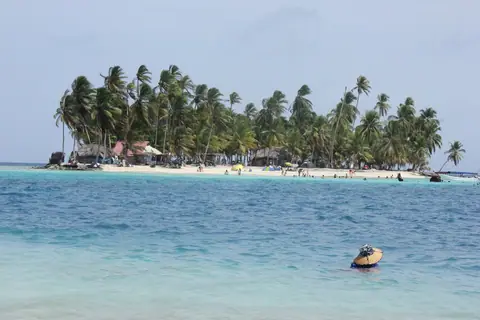
- San Blas Islands (Guna Yala), Taboga Island & Contadora (Pearl Islands) Day TripsCompare the three best island day trips from Panama City: a 4WD-and-boat adventure to the 365 Caribbean coral cays of San Blas (Guna Yala), the 30-minute ferry to historic Taboga Island, and Contadora in the Pearl Islands.
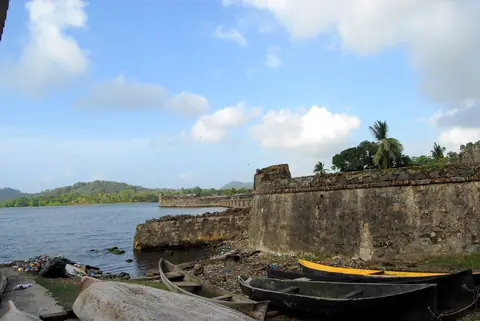
- Portobelo Caribbean Forts, Fort San Lorenzo & Panama Canal Railway Day TripCross the Isthmus to Panama's Caribbean coast: explore the UNESCO-listed Spanish treasure forts and Congo culture of Portobelo, cliffside Fort San Lorenzo, the Agua Clara Locks, and the historic 1855 Panama Canal Railway.
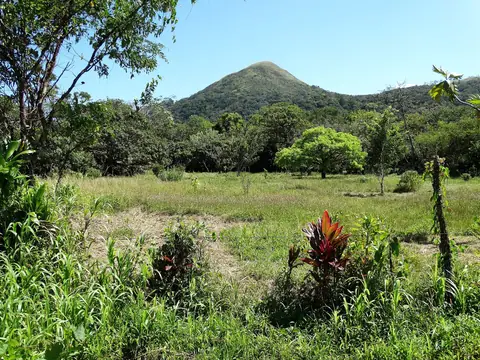
- El Valle de Antón Volcanic Crater & Chagres National Park Emberá Village Day TripPlan two classic inland day trips from Panama City: hike the 600-metre inhabited volcanic caldera of El Valle de Anton (La India Dormida and Chorro El Macho), or travel by dugout piragua canoe up the Chagres River to an indigenous Embera village.
Reviews
Log in to write a review.
No reviews yet.