Photo: Joe Mabel · CC BY 3.0
How to Get to Austin
Reach Austin smoothly via Austin-Bergstrom International Airport, Amtrak rail, or regional coach services, and navigate town using CapMetro buses and commuter rail.
Austin sits in Central Texas and connects smoothly to domestic and international destinations through its commercial airport, intercity coaches, passenger rail, and motorway corridors.
Arriving at Austin-Bergstrom International Airport
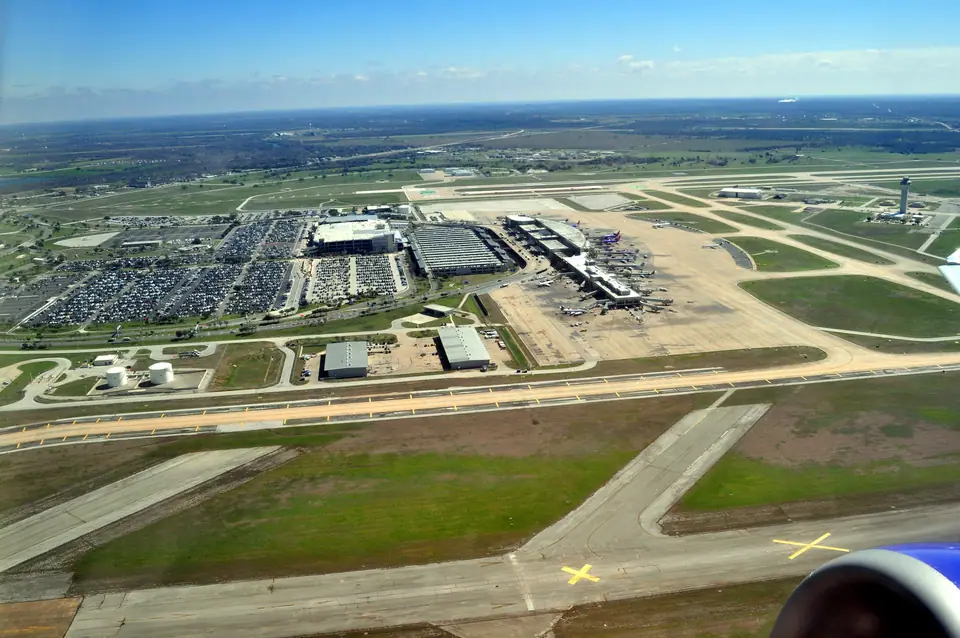
Austin-Bergstrom International Airport serves the metropolitan region as its primary air gateway. The airport handles approximately 20 million passengers each year and hosts more than 15 airlines. Modern additions have expanded its flight map. Delta Air Lines offers nonstop domestic service to Fayetteville, Arkansas. Alaska Airlines provides a nonstop domestic link between Austin and Anchorage, Alaska.
As the state capital and a prominent centre of high-tech industry, Austin showcases its musical identity as soon as you land. The terminal features 8 live music stages. These venues host over 1,350 free performances annually for ticketed travellers. More than 40 local brands provide dining and shopping across the gate areas.
Travellers carrying non-visible disabilities, including dementia or anxiety conditions, can request a sunflower lanyard. Wearing this lanyard secures extra assistance from terminal personnel during your stay. If you arrive late or depart early, over 15 hotels sit within a 10-minute drive of the airport complex.
Airport Transfers and Ground Transport to the Centre
The airport is located 7.5 miles from downtown Austin. This short distance makes the transfer into central neighbourhoods rapid and convenient. For travellers selecting ride-hailing applications, services like Uber and Lyft pick up arriving passengers at designated zones on the lower level curbside. Dedicated shuttles operate from the airfield as well. Carter Transportation has provided airport transfer services in Austin since 1999.
Drivers will find on-demand parking facilities at the airfield. These include multi-storey garages and surface lots placed a short walk from the Barbara Jordan Terminal. Public transit provides an economical connection straight into the city core. Capital Metro bus Route 20 Riverside starts at the airport terminal. It runs every 15 minutes, operating 7 days a week as a key part of the High-Frequency Network.
For late-night arrivals, Route 483 North Riverside operates as a dedicated Night Owl bus. This service connects the airport to downtown streets along Riverside Drive between midnight and 4 a.m. Reading an Austin Travel Guide: What to Know Before You Go can help you decide which transport mode best fits your schedule.
Intercity Coaches and Regional Bus Lines
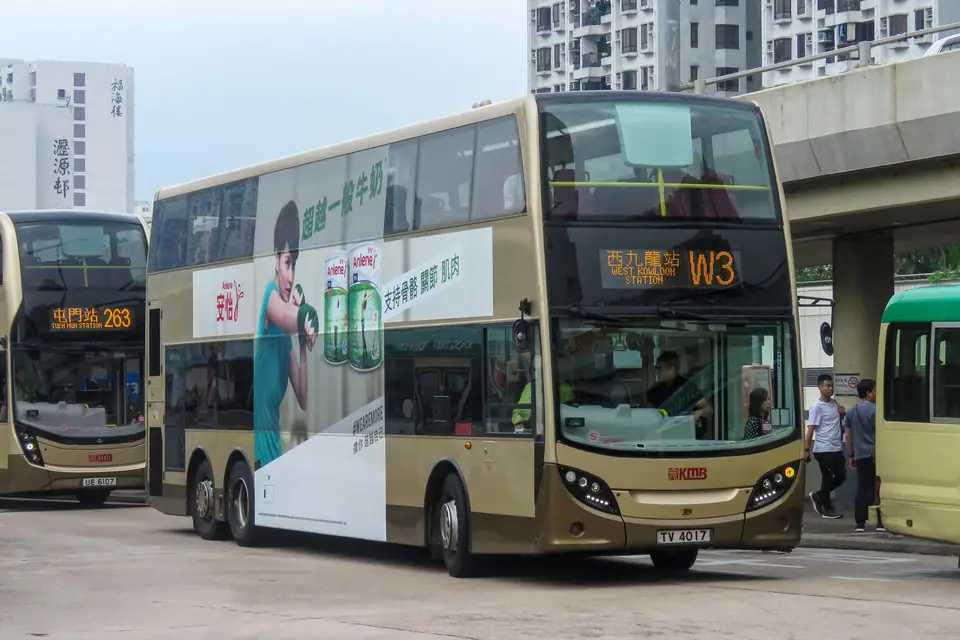
Long-distance coaches offer a practical alternative for budget-conscious travellers exploring Texas. Greyhound Bus Lines services the Austin area with scheduled connections between regional cities and neighbouring states. Regional road travel is supported by Arrow Trailways of Texas, Kerrville Bus Company, and Valley Transit Company, all operating scheduled services across the state network.
Coach travel suits visitors who wish to combine their stay with a wider regional tour before settling in. Intercity coaches provide reliable transport, linking visitors to central bus stops and urban transit hubs. From there, you can connect directly to local bus services or hail a car to reach your accommodation.
If you plan to tour regional destinations, coach lines provide convenient links across county lines. Checking coach timetables ahead of your departure date will ensure smooth connections with urban transit routes upon your arrival.
Passenger Rail Service at the Historic Amtrak Depot
Long-distance rail passengers enter the city through the active Austin Amtrak station, located at 250 North Lamar Boulevard. Amtrak runs three passenger lines across the state of Texas, providing rail links for interstate and regional journeys. The local stop features a station building equipped with an indoor waiting room for ticket holders.
The physical depot carries transport heritage. Builders constructed the red brick station structure in 1947 for the Missouri Pacific Railroad. Arriving by train places you close to central green spaces. This creates a relaxed start before you begin your Austin in 3 Days: A Practical Itinerary.
The central position of the Amtrak depot makes onward movement very simple. You can step directly from the waiting room to city streets, where local buses and ride-hailing cars pick up arriving passengers. Its position near central corridors allows quick access to hotels throughout the urban core.
Driving Routes and Regional Motorways
Motorists entering Austin primarily travel via Interstate 35 for north-south journeys and US Highway 290 for east-west approaches. Within urban boundaries, Loop 1, locally known as Mopac, functions as a common north-south bypass to avoid central bottlenecks. The Texas Department of Transportation oversees roughly 263 miles of toll roads across the Austin, Houston, and Dallas-Fort Worth regions, helping drivers circumvent urban gridlock.
Driving distances from major regional cities remain straightforward. San Antonio lies 80 miles to the south. Houston is 165 miles to the east. Fort Worth sits 185 miles northward, and Dallas is 200 miles away. For those piloting electric vehicles, Texas hosts more than 3,400 charging stations, with many locations capable of charging multiple vehicles at the same time.
Drivers should check real-time road conditions and highway alerts on the official DriveTexas website before starting a road journey. Highway speeds and urban congestion can fluctuate throughout the day, so consulting live updates prevents unnecessary delays along the interstate corridors.
CapMetro Public Bus Network
Public transport throughout the urban core is managed by the Capital Metro system. It serves a population exceeding 1 million residents across a 535-square mile operating zone. The public bus fleet navigates 82 routes and stops at more than 1,600 individual bus stops. Transit categories include local lines, limited-stop MetroRapid, MetroFlyer, and MetroExpress connections.
CapMetro Rapid bus routes operate under numbers 800 to 837. These services offer frequent trips every 10 to 30 minutes, providing faster travel times along major commercial corridors. Express routes link outer communities such as Leander, Round Rock, Manor, and Lago Vista to central destinations with limited stops, requiring a dedicated Commuter level fare.
The network runs UT Shuttles serving downtown streets and the University of Texas campus. These shuttles travel free of charge for holders of a valid university identification card. CapMetro buses feature exterior bike racks and supply onboard Wi-Fi on select routes.
When boarding any CapMetro bus, wait until the operator opens the door, then enter at the front of the vehicle. The rear door is reserved exclusively for exiting passengers. This rule ensures passenger flows remain efficient at crowded central stops.
MetroRail and Local Ticketing Rules
CapMetro operates the Red Line commuter rail service, catalogued as Route 550. This passenger line connects downtown Austin, right beside the Convention Center, to the northern city of Leander along a 32-mile track that serves nine intermediate stations. Commuters can take advantage of 20 regional Park and Ride facilities or transit stations situated across the broader network.
Ticketing on CapMetro relies on modern digital and contactless methods. Day passes are no longer issued or accepted anywhere on the system. Passengers can tap a smartphone or a contactless credit or debit card against the onboard scanner to pay per individual ride.
The CapMetro App allows customers to plan journeys and purchase digital passes directly on their mobile devices. Ticket Vending Machines are being removed from bus stations and transit centres, though they will remain at rail stations. Ensure your mobile phone or contactless payment card is ready before entering the platform or boarding a vehicle.
For micro-transit in designated districts, Pickup offers an on-demand shared shuttle arranged through its dedicated smartphone application. In central neighbourhoods, Austin MetroBike supplies bike rentals across more than 40 stations throughout the city. Independent pedicabs licensed by the City of Austin Ground Transportation Department offer short local hops and work entirely on passenger tips.
Where it is
- 1Austin
- Austin Bergstrom International Airport (AUS) · about 11 km from Austin in a straight line
- Directions in Google Maps
Stations and taxi ranks: OpenStreetMap. Airports: OurAirports. Distances are in a straight line.
Traveller tips
Real advice from people who have been to Austin. Every tip is read by our team before it goes live.
No tips yet. Been here? Yours could be the first.
Thank you! Your tip will appear here after a quick review.
More in Austin
Continue exploring Austin with related neighbourhood, food, and planning guides