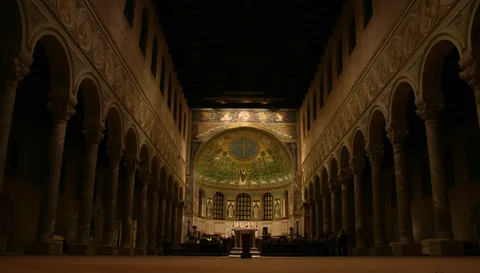
Photo: Petar Milošević · CC BY-SA 4.0
Ravenna
Ravenna preserves eight world-renowned early Christian monuments near the Adriatic coast, showcasing early Byzantine and Roman mosaic art across centuries of imperial history.
Quick decisions
How many days?
Two full days allow you to explore the central mosaic sites calmly and catch the bus to Classe without rushing your visits.
Where should I stay?
Base yourself in the pedestrian core for early monument access, or pick the railway station rim if you plan day trips across Emilia-Romagna.
Do I need a car?
No. Ravenna is exceptionally flat and pedestrianised, while camera gates enforce strict fines for unauthorised cars entering the historic centre.
Best for
Travellers fascinated by late antiquity, glittering Byzantine wall mosaics, literary history, cycling culture, and traditional handmade Romagna pasta.
Before you go
Book mandatory timed tickets 1 to 30 days ahead online for Galla Placidia and the Neonian Baptistery, arriving ten minutes early.
Getting around
Walk between central sights or rent a bicycle at the station. Local bus Line 4 connects the centre with suburban Classe.
Continue your trip
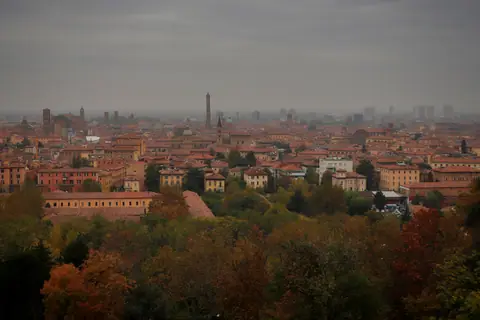
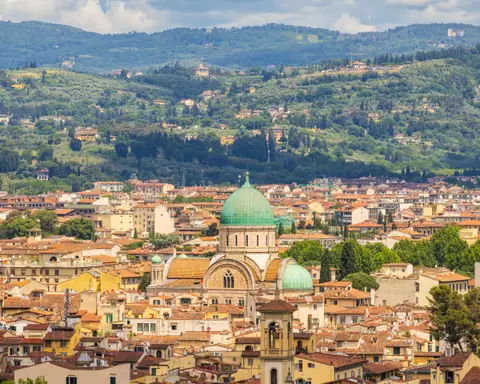
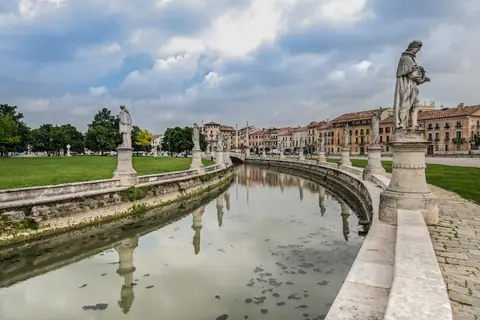
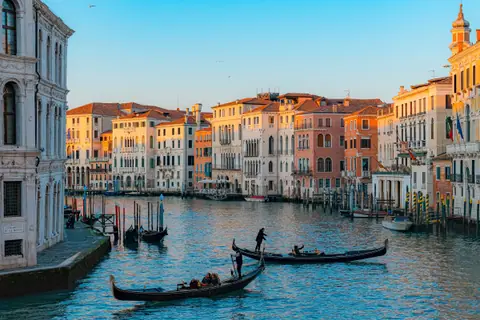
Take direct regional trains to Bologna. Florence, Padua, and Venice are reachable by rail, though onward connections require one train change.
Overview
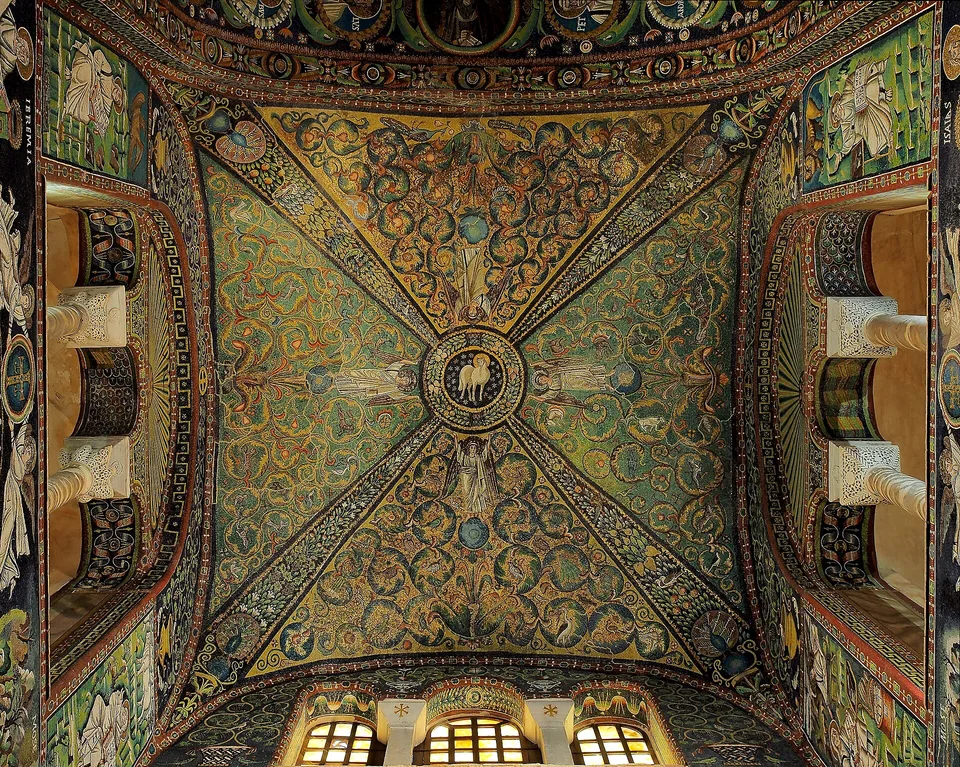
Ravenna holds a singular place in Italian history. It served successively as the capital of the Western Roman Empire from 402 AD, the Ostrogothic Kingdom, and the Byzantine Exarchate. Eight early Christian monuments, constructed during the 5th and 6th centuries across 1.32 hectares, carry collective inscription as UNESCO World Heritage Ref. 788. Inside these brick churches and baptisteries, millions of glass tesserae capture shifting natural light with extraordinary intensity.
Today, Ravenna is a tranquil provincial town in eastern Emilia-Romagna, lying just inland from the Adriatic coast. Its historic core remains largely car-free, allowing visitors to wander easily between quiet piazzas, medieval cloisters, and leafy avenues. By beginning visits in the early morning, you can experience these monumental interiors before tour groups arrive from coastal resorts.
Getting there
Direct regional trains operated by Trenitalia TPER link Bologna Centrale to Ravenna in 53 to 75 minutes. The regional capital lies 69 kilometres away and acts as the principal high-speed rail interchange for northern and central Italy.
Shared road shuttles also run between Guglielmo Marconi Airport and the rear of Ravenna station in around an hour and a half. Alternatively, the Marconi Express monorail connects the airport terminal to Bologna Centrale in seven minutes.
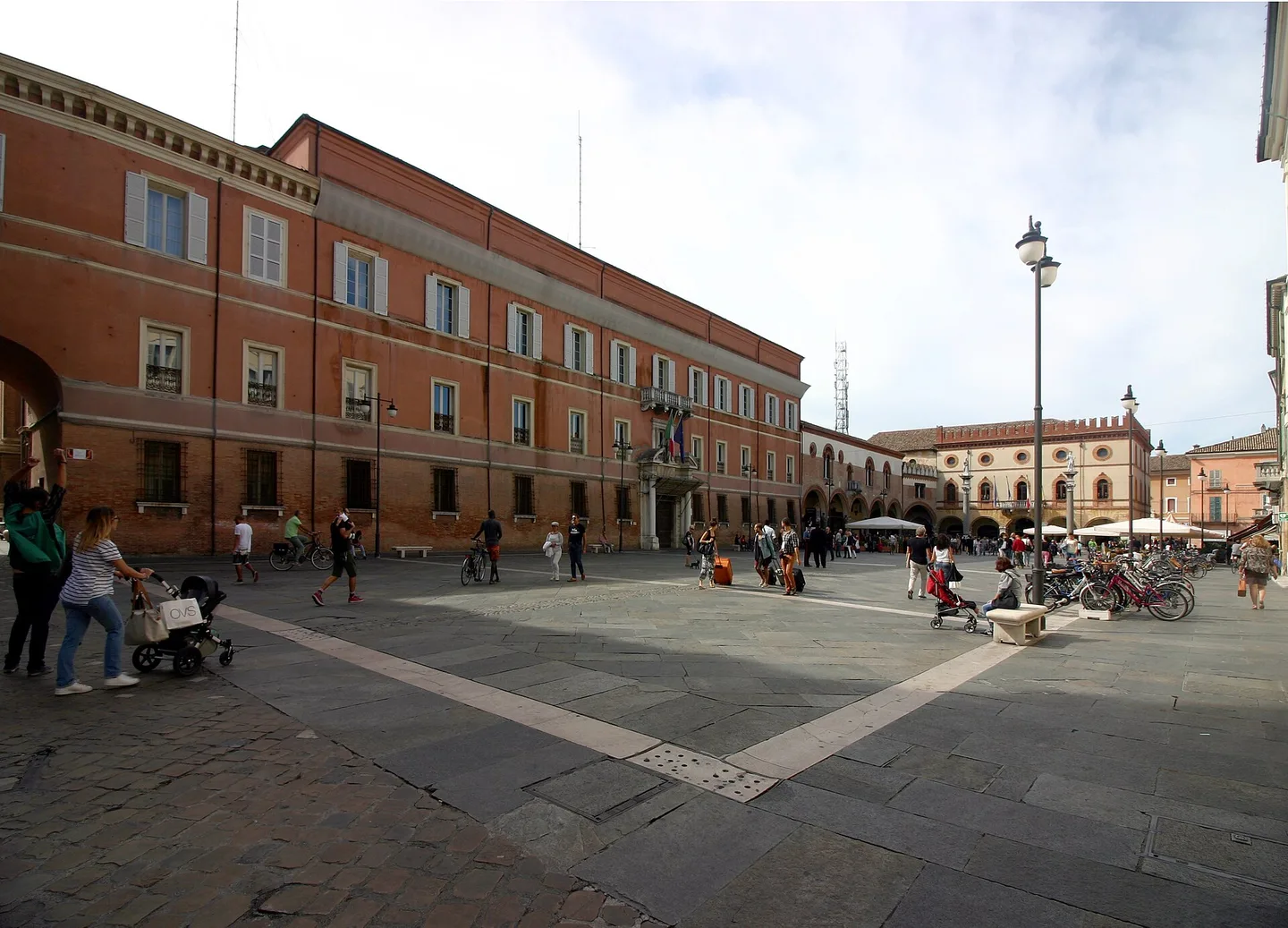
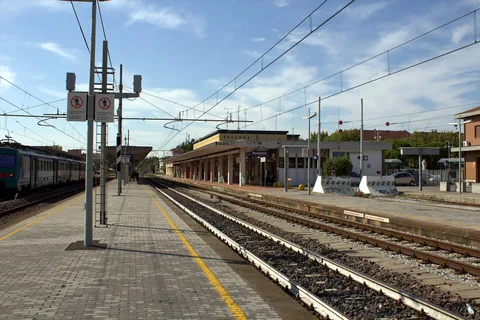
Ravenna railway station stands 200 metres outside the historic Limited Traffic Zone. An automated camera system called Sirio monitors vehicle access points, so non-resident drivers must use peripheral parking lots or arrange hotel registration. Once you arrive, the town is ideal for walking or cycling. You can hire a bicycle or store luggage at the Velostazione on Piazzale Farini right beside the station. Review key rules on cycle lanes, ZTL camera boundaries, and luggage facilities through our essential arrival and practical planning notes.
Where to stay
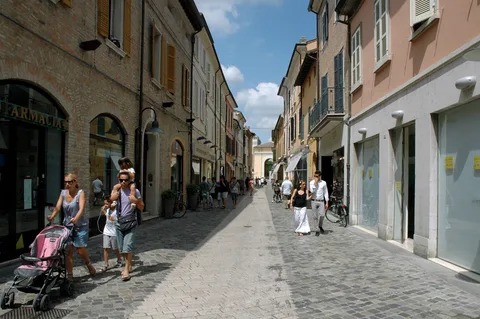
Ravenna offers distinct neighbourhoods to suit different travel styles. Staying within the old walled centre near Piazza del Popolo puts you within a 15-minute walk of major mosaic sites like San Vitale. This district features stone-paved lanes, family-run cafes, and immediate access to evening dining, all sheltered from motor traffic.
If you plan frequent rail excursions, the quarter directly around the railway station provides swift departures and straightforward luggage handling. Just south of the centre, Borgo San Rocco offers a relaxed residential atmosphere outside the ancient gates. Across the tracks to the east, the Darsena canal district appeals to travellers interested in industrial architecture, contemporary street art, and open-air canal bars. Choose your base with our neighbourhood and accommodation guide.
Things to do
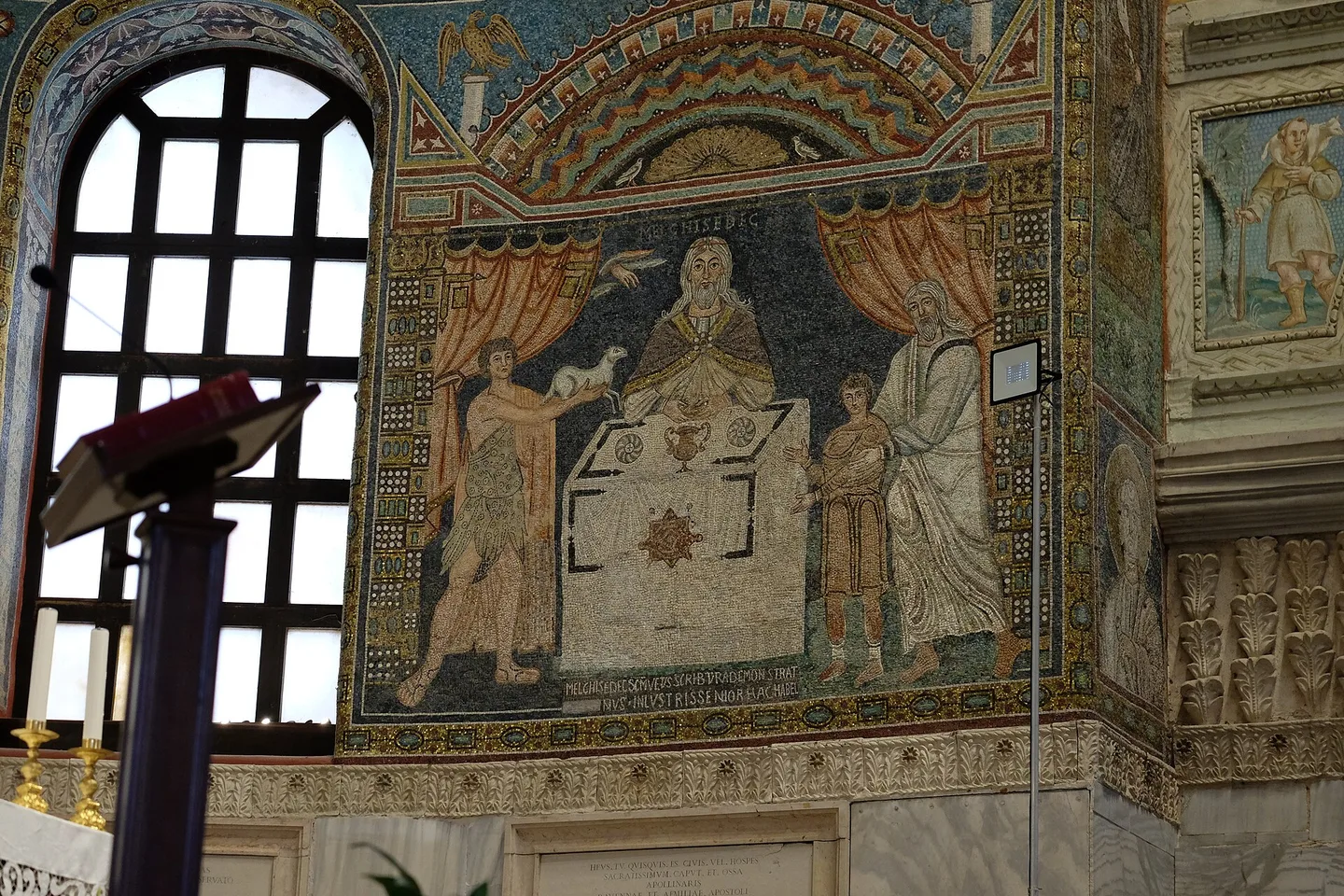
Ravenna's monuments are managed under two separate ticketing systems. The Diocesan Opera di Religione oversees five central landmarks, including the Basilica of San Vitale, the Mausoleum of Galla Placidia, and Sant'Apollinare Nuovo. Their combined tickets remain valid for seven consecutive days. However, timed reservations are compulsory for Galla Placidia and the Neonian Baptistery, each maintaining a strict five-minute visiting limit. Timed reservation steps and monument opening splits are mapped out under San Vitale and early Christian mosaics.
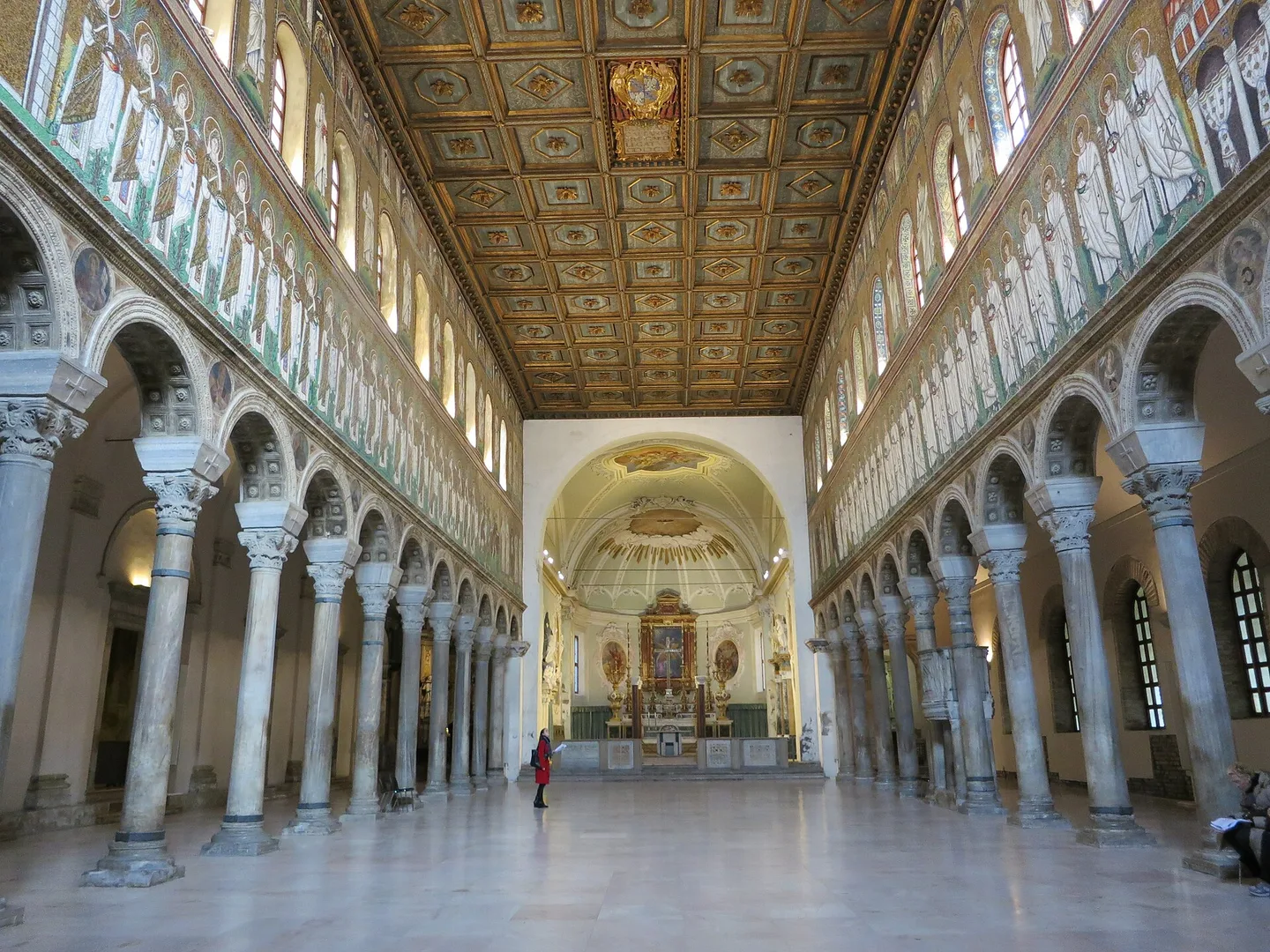
Three remaining UNESCO properties fall under state administration: the Arian Baptistery, the Mausoleum of Theodoric, and the Basilica of Sant'Apollinare in Classe. Bus Line 4 runs eight kilometres south to Classe, where vast mosaic friezes decorate the nave above marble columns. In town, you can explore the stone tomb of Theodoric in its green park or browse the National Museum of Ravenna. Plan your full sightseeing schedule across central basilicas and outlying sites with our curated historic highlights.
Food and drink
Dining in Ravenna highlights the rich culinary traditions of Romagna. The classic meal often begins with warm Piadina Romagnola PGI, a griddled flatbread folded around creamy Squacquerone di Romagna PDO cheese and fresh rocket. Pasta dishes are rolled fresh daily, featuring plump cappelletti served in capon broth or hearty ragu, alongside passatelli and hand-twisted strozzapreti. Along the nearby Adriatic shore, menus feature grilled local saraghina sardines accompanied by crisp regional wines.
The historic Mercato Coperto near Piazza Andrea Costa offers an enjoyable venue for casual lunches and regional provisions. Under its restored roof, artisan stalls sell fresh egg pasta, local charcuterie, and sweet ciambella romagnola. Pair your food with regional Sangiovese DOCG red or dry Albana white wine, followed by a dish of traditional layered zuppa inglese.
Culture
Ravenna also preserves deep literary ties. The Florentine poet Dante Alighieri found refuge here from 1318 until his death in 1321, completing the Divine Comedy during his stay. His neoclassical tomb stands beside the Basilica of San Francesco within the Zone of Silence, where admission is free and respectful quiet is maintained. When visiting active churches, cover your shoulders and knees, and speak quietly beneath the ancient vaults.
Ravenna experiences pleasant sightseeing weather in spring and autumn, with average highs of 17.2°C in April, 21.4°C in May, 25°C in September, and 20°C in October. Midsummer highs reach 29.7°C in July, while January nights drop to around 1.9°C. Structure your visits, transport links, and advance reservations smoothly with our comprehensive weekend plan.
Official prices and opening hours
- Opera di Religione 5-Monument Pass (San Vitale, Galla Placidia, Sant'Apollinare Nuovo, Neonian Baptistery, Archiepiscopal Museum)Official site ↗
- Mausoleum of TheodoricOfficial site ↗
- Basilica of Sant'Apollinare in ClasseOfficial site ↗
- Bologna Guglielmo Marconi Airport – Ravenna ShuttleOfficial site ↗
Weather by month
Ravenna is warmest in July, with average highs around 30°C, and coldest in January, when nights drop to about 2°C. November is the wettest month by rainfall (82 mm), with rain on about 10 days. For mild weather with fewer rainy days, aim for April, June and September.
| Month | Low | Range | High | Rain | Rainy days |
|---|---|---|---|---|---|
| Jan | 2°C | 9°C | 40 mm | 6 d | |
| Feb | 4°C | 11°C | 69 mm | 9 d | |
| Mar | 6°C | 14°C | 54 mm | 9 d | |
| Apr | 9°C | 17°C | 49 mm | 8 d | |
| May | 14°C | 21°C | 81 mm | 11 d | |
| Jun | 19°C | 27°C | 48 mm | 7 d | |
| Jul | 21°C | 30°C | 40 mm | 6 d | |
| Aug | 21°C | 29°C | 53 mm | 6 d | |
| Sep | 17°C | 25°C | 77 mm | 9 d | |
| Oct | 13°C | 20°C | 71 mm | 9 d | |
| Nov | 8°C | 14°C | 82 mm | 10 d | |
| Dec | 3°C | 10°C | 59 mm | 9 d |
Averages of daily values from 2015 to 2024. Rainy days are days with at least 1 mm of rain. Source: Open-Meteo · Compare destinations by month.
Ravenna on the map
Every place we cover in Ravenna. Tap a category or pin to explore.
In-depth Ravenna guides
Browse the guides grouped by topic: sights, neighbourhoods, food, transport, day trips and trip planning.
Sights, Landmarks & Parks
Key monuments, viewpoints, museums and nature trails.
- Monuments, Dante Sites, and Coastal Trails in RavennaRavenna brings together eight 5th- and 6th-century UNESCO monuments, subterranean Roman mosaics, Dante's historic tomb, and peaceful coastal pinewoods.
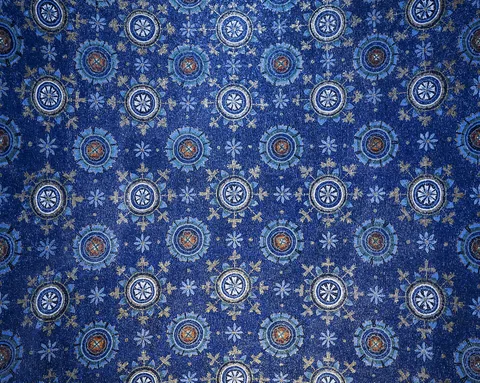
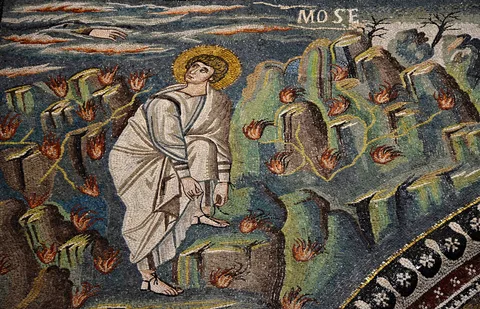
- San Vitale and Ravenna's Fifth- and Sixth-Century MosaicsEight UNESCO monuments in Ravenna preserve luminous fifth- and sixth-century mosaic cycles that span three distinct imperial eras.
Neighbourhoods & Where to Stay
Districts, historic quarters and the best bases for your stay.
Getting Around & Arrival
Airport transfers, public transit, passes and driving rules.
Trip Planning & Itineraries
When to visit, what to pack and day-by-day routes.
Need your embassy or consulate in Italy? See embassies and consulates in Italy.
Reviews
Log in to write a review.
No reviews yet.