Bath
Bath frames natural thermal springs and Georgian stone architecture along the River Avon valley in south-west England.
Quick decisions
How many days?
Plan 1 to 2 nights to tour the ancient thermal baths, walk the upper crescents, and visit Bath Abbey unhurriedly.
Where should I stay?
Base yourself in the flat Abbey Quarter for quick rail access, or choose Bathwick across Pulteney Bridge for calmer Georgian stone streets on Bath's central accommodation options.
Do I need a car?
Trains arrive directly downtown. Narrow streets, Residents' Parking Zones, and outer Park and Ride lots make cars entirely unnecessary across essential Bath travel facts.
Best for
Roman archaeology, honey-coloured Georgian architecture, rooftop thermal bathing, and literature trails linked to Jane Austen.
Before you go
Book timed slots online for the Roman Baths and Thermae Bath Spa to avoid long queues during busy weekends on this Roman Baths and Royal Crescent walking route.
Getting around
Walk the compact centre on foot, but prepare for steep uphill climbs when walking from the river towards Royal Crescent for historic Bath sights and trails.
Continue your trip
Board direct Great Western Railway services back to London Paddington, which reach the capital in 73 to 90 minutes.
Overview
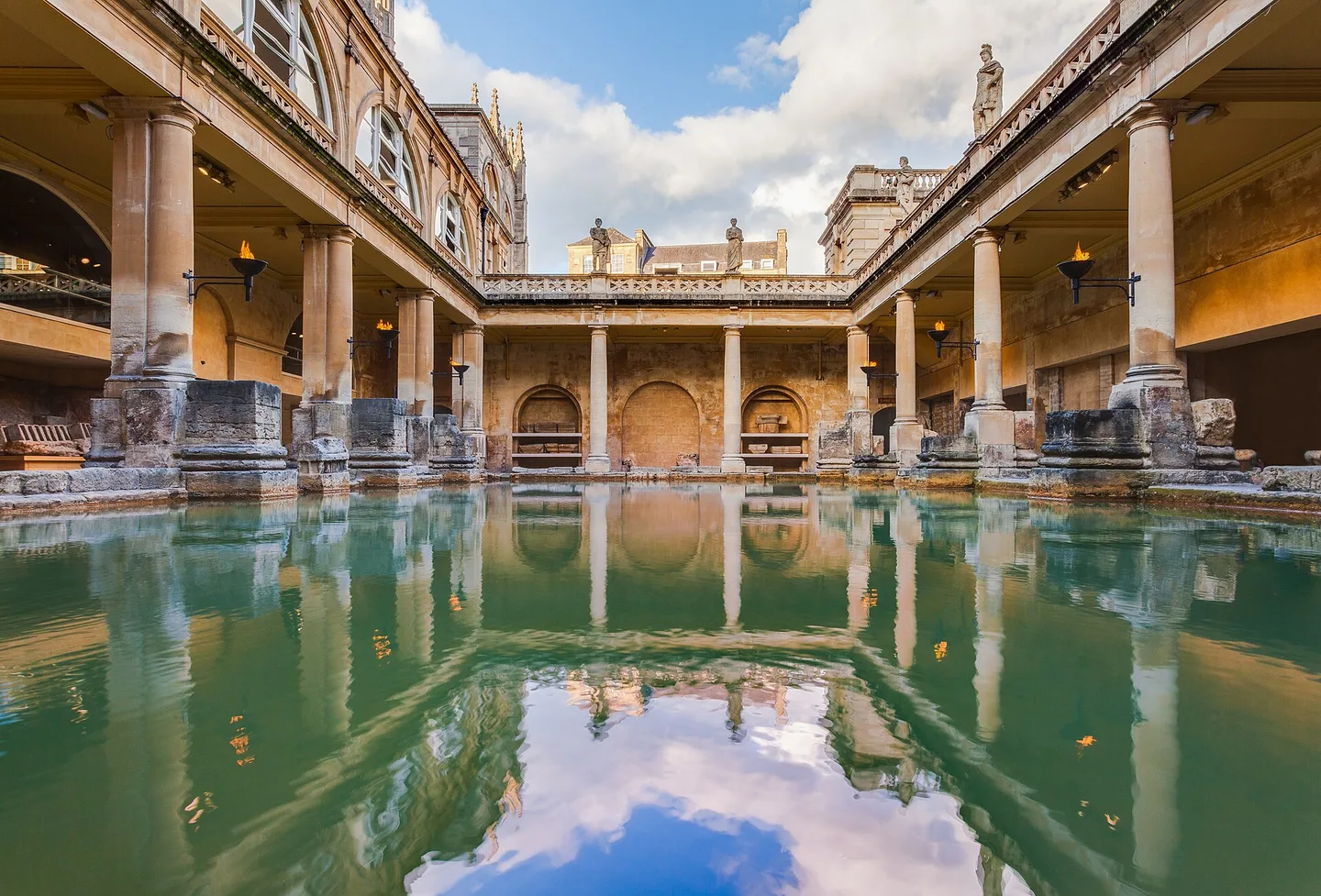
Bath sits across a limestone valley along the River Avon in south-west England. UNESCO recognised the city in 1987 across roughly 2,900 hectares. In 2021, Bath also joined The Great Spa Towns of Europe alongside 10 continental destinations across 7 countries. Natural hot water defines this landscape. Daily, 1,170,000 litres of mineral water rise from the Sacred Spring at 46°C. This natural flow supplies the thermal baths that have shaped the urban plan since antiquity.
The urban layout pairs ancient Roman remains with grand eighteenth-century stone terraces. Most travellers stay 1 to 2 nights to experience both the low valley sights and the high residential crescents. Walking between these districts takes visitors past the River Avon weir, independent tea rooms, and sweeping Georgian facades built from local limestone. Open-Meteo averages show mild summers reaching 20.7°C in July and cool winters averaging 7.5°C in January.
Getting there
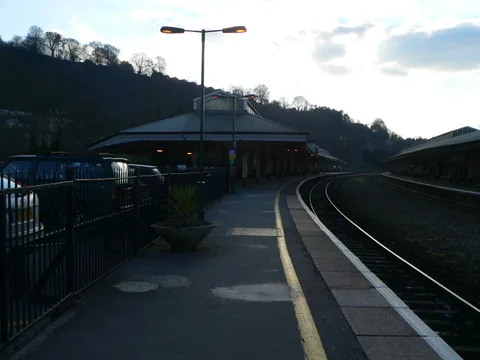
Direct Great Western Railway trains run from London Paddington to Bath Spa roughly twice an hour. These fast services complete the 155 km trip in 73 to 90 minutes. Passengers arriving from Bristol Temple Meads reach Bath in 11 to 18 minutes by rail. Travellers landing at Bristol Airport can take the direct A4 Air Decker bus, which reaches central Bath in roughly an hour across 19 miles. Visitors flying into Heathrow can take RailAir coach links to Reading to connect with direct rail lines.
Drivers face strict local motoring regulations across the river valley. Bath enforces a Class C Clean Air Zone seven days a week. The zone charges non-compliant commercial vans, taxis, minibuses, buses, and heavy goods vehicles. Private passenger cars and motorbikes remain exempt from daily charges. Central streets enforce tight Residents' Parking Zones that strictly limit on-street vehicle bays. Motorists can leave their cars at Lansdown, Newbridge, or Odd Down outer Park & Ride lots outside the charging zone. Buses run frequently and reach town in 10 minutes, offering free parking for bus riders.
Where to stay
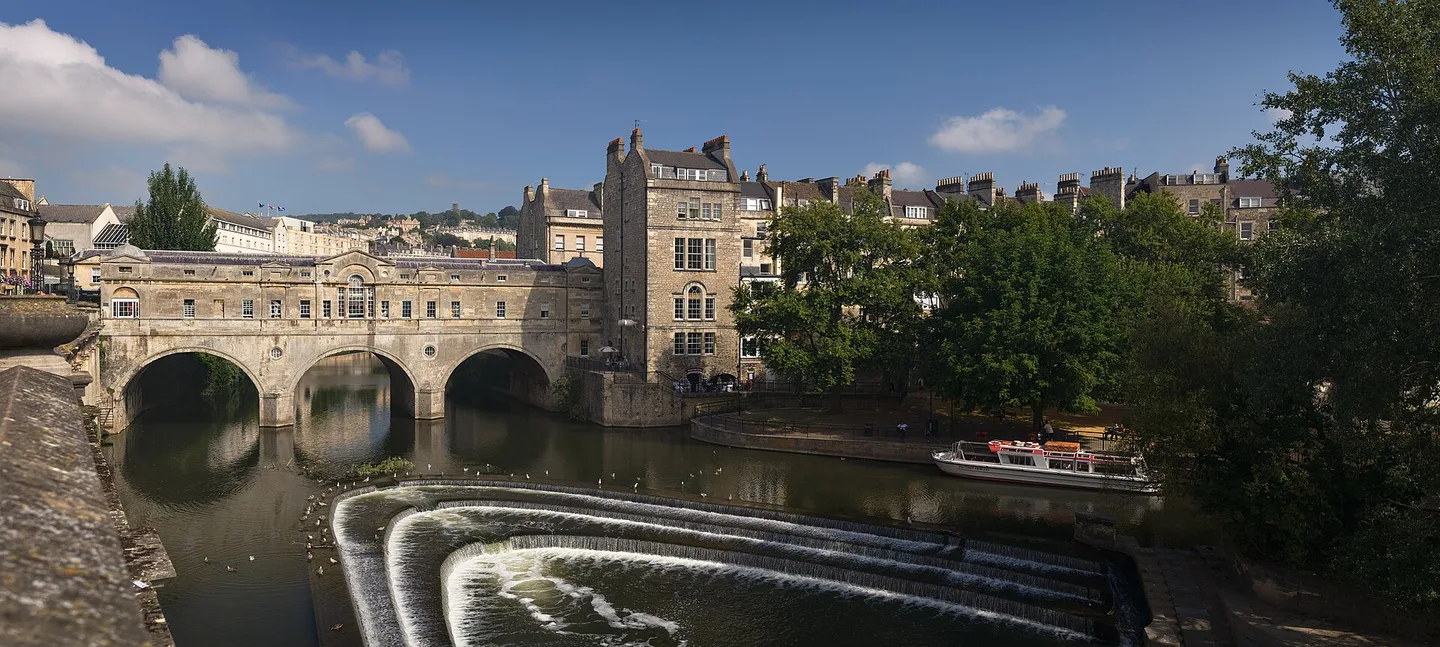
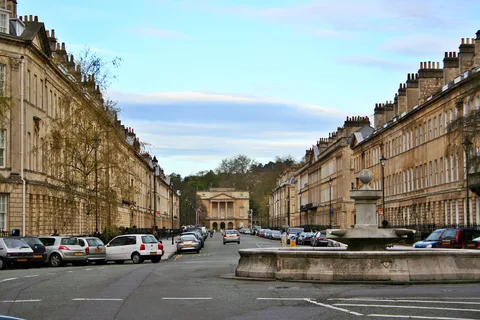
Choosing the right base in Bath depends heavily on valley topography. The central Abbey Quarter sits on the flat valley floor within 0.4 miles of Bath Spa railway station. Staying here places rail arrivals under 10 minutes on foot from historic thermal baths and evening dining. Flat Bathwick along Great Pulteney Street offers calmer Georgian blocks across Robert Adam's shop-lined Pulteney Bridge. The neighbourhood honours quiet residential streets built on gentle terrain.
Travellers seeking artisan studios and independent boutiques often choose Walcot Street, which forms the Artisan Quarter. Across the river, south of the railway line, Widcombe sits beside Bath Spa station and the Kennet and Avon Canal. Lansdown climbs steeply above town towards the northern hills. This elevated district rewards uphill walkers with sweeping panoramic viewpoints over the entire Avon basin.
Things to do
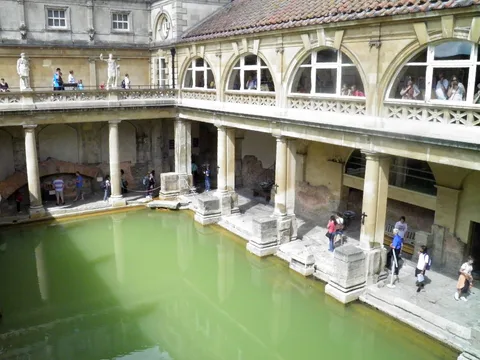
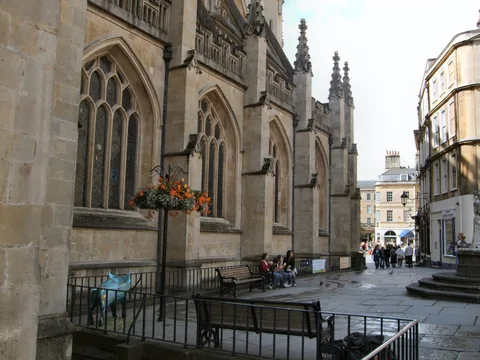
Every trip begins at the Roman Baths, where the sacred spring still feeds the medieval King's Bath and open-air Great Bath. Romans founded this thermal sanctuary around 60 to 70 AD as Aquae Sulis. An 1897 upper terrace and museum enclose the central pool. Bath Abbey stands right next door, marking the site of King Edgar's 973 AD coronation. Bishop Oliver King began the Gothic rebuild in 1499 with stone fan vaulting. Visitors can climb 212 steps on guided tower tours running Monday to Saturday.
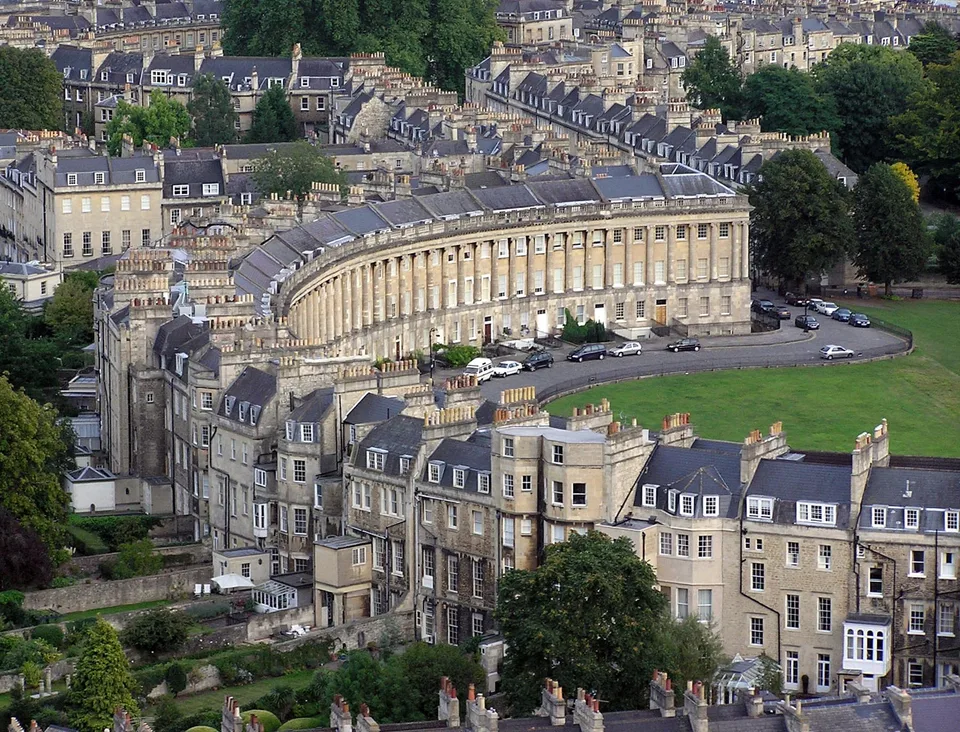
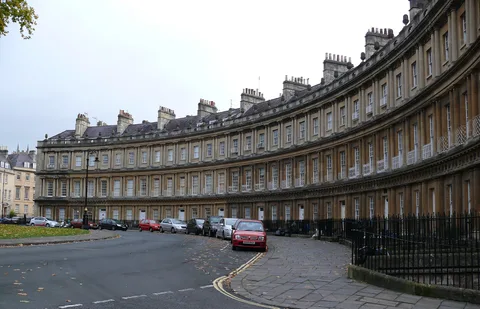
Walking uphill leads past John Wood the Elder's rectangular Queen Square and circular Circus towards the Royal Crescent. John Wood the Younger completed this masterpiece in 1775 as 30 townhouses fronted by 114 Ionic columns along a 150-metre arc. Advance online timed tickets are essential for the Roman Baths to avoid long queues. Swimming in the ancient Great Bath is strictly prohibited. Modern bathers can soak in natural thermal waters at 35.5°C at nearby Thermae Bath Spa. A single afternoon loop links both landmarks on this Roman Baths and Royal Crescent walking route.
Food and drink
Bath holds distinct regional baking traditions that trace back centuries. Sally Lunn's House on North Parade Passage occupies a historic timber-framed building dating to around 1482. The tearoom serves the famous brioche bun created around 1680, traditionally associated with baker Solange Luyon. Nearby tearooms serve sweet 18th-century Bath Buns topped with sugar crystals. You can also sample plain Bath Oliver biscuits, originally crafted by Dr William Oliver to accompany local cheeses.
For quick lunches and fresh ingredients, explore historic Guildhall Market on High Street. The covered hall hosts 20 independent stalls beneath historic roofs, continuing over 800 years of community trading. Visitors can sample regional cheeses, buy loose leaf tea from Gillards tea merchants trading since 1888, or relax with traditional baked goods. Evening dining clusters along the pedestrian passages around the Abbey Quarter and Kingsmead Square.
Culture
Cultural life in Bath blends deep literary heritage with established annual arts festivals. The Jane Austen Centre explores the author's local residence between 1801 and 1806, complementing the 10-day Jane Austen Festival held each September. Royal Victoria Park opened in 1830 across 23 hectares below the Royal Crescent. William and Caroline Herschel discovered Uranus in 1781 from their home, which now houses the Herschel Museum of Astronomy. Other open stops include the Holburne Museum at Sydney Gardens and Victoria Art Gallery beside Pulteney Bridge.
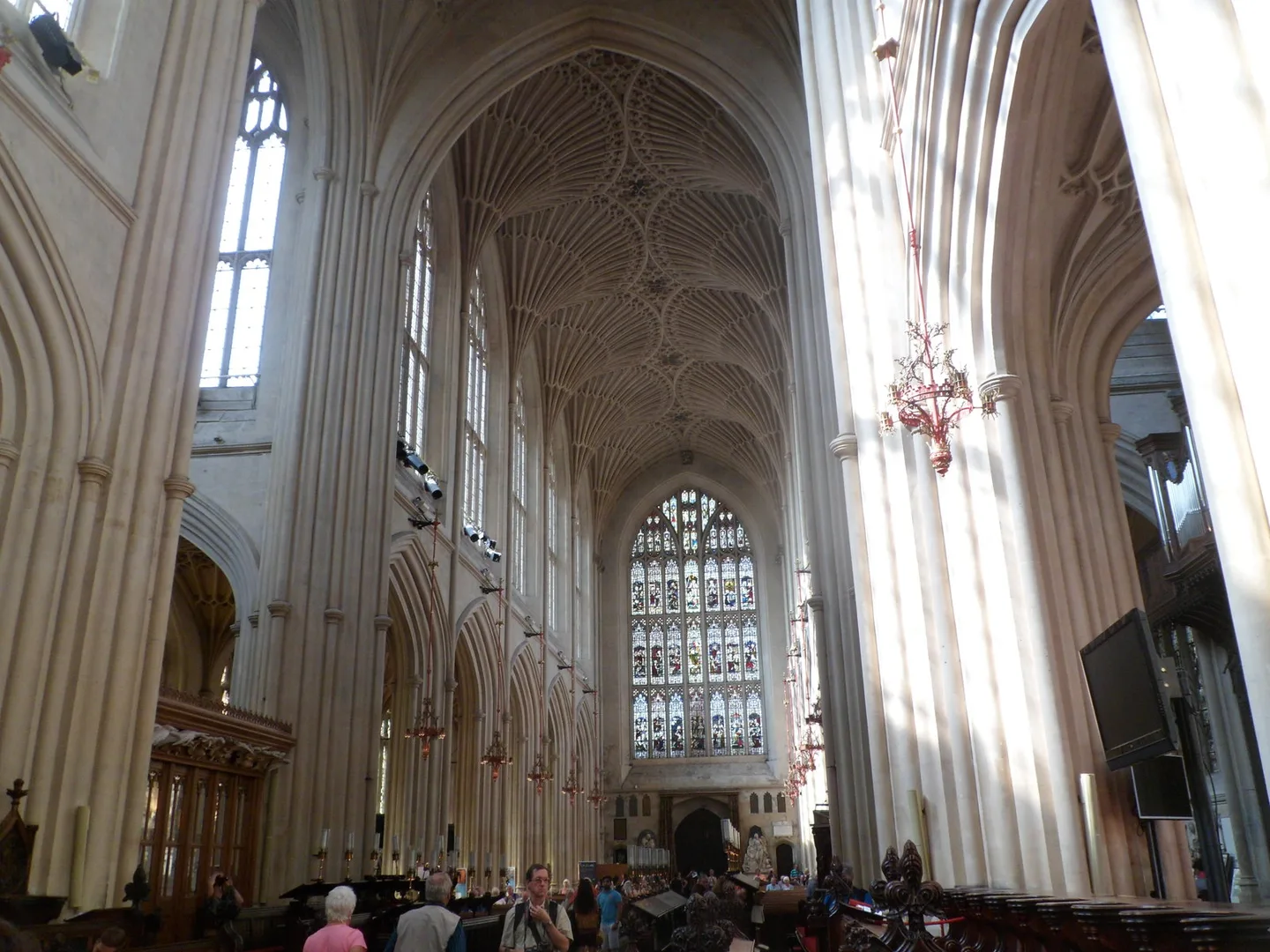
Plan museum visits carefully around ongoing conservation projects. Bath Assembly Rooms closed in early 2025 ahead of a planned 2027 reopening. Fashion Museum Bath closed in October 2022 and moves to the Old Post Office, targeting an opening in December 2030. Check specific opening schedules in the VisitorFactsBox below for No. 1 Royal Crescent. Bath Abbey restricts tourist sightseeing during Sunday worship services. Travellers can organise their stay with our weekend Bath city itinerary and explore more historic Bath sights and trails.
Official prices and opening hours
- The Roman BathsOfficial site ↗
- Bath AbbeyOfficial site ↗
- No. 1 Royal CrescentOfficial site ↗
- Thermae Bath SpaOfficial site ↗
- The Holburne MuseumOfficial site ↗
Weather by month
Bath is warmest in July, with average highs around 21°C, and coldest in January, when nights drop to about 2°C. December is the wettest month by rainfall (94 mm), with rain on about 15 days. For mild weather with fewer rainy days, aim for June, August and September.
| Month | Low | Range | High | Rain | Rainy days |
|---|---|---|---|---|---|
| Jan | 2°C | 8°C | 71 mm | 13 d | |
| Feb | 3°C | 9°C | 71 mm | 12 d | |
| Mar | 3°C | 10°C | 81 mm | 15 d | |
| Apr | 4°C | 13°C | 50 mm | 10 d | |
| May | 8°C | 16°C | 66 mm | 12 d | |
| Jun | 11°C | 19°C | 63 mm | 11 d | |
| Jul | 13°C | 21°C | 69 mm | 13 d | |
| Aug | 13°C | 20°C | 76 mm | 12 d | |
| Sep | 11°C | 18°C | 77 mm | 12 d | |
| Oct | 8°C | 15°C | 90 mm | 13 d | |
| Nov | 5°C | 11°C | 81 mm | 13 d | |
| Dec | 4°C | 9°C | 94 mm | 15 d |
Averages of daily values from 2015 to 2024. Rainy days are days with at least 1 mm of rain. Source: Open-Meteo · Compare destinations by month.
Bath on the map
Every place we cover in Bath. Tap a category or pin to explore.
In-depth Bath guides
Browse the guides grouped by topic: sights, neighbourhoods, food, transport, day trips and trip planning.
Sights, Landmarks & Parks
Key monuments, viewpoints, museums and nature trails.
- Roman Baths and Georgian Crescent Stonework in BathBath brings together sacred Roman hot springs and honey-toned Georgian crescents across a walkable Somerset landscape inscribed by UNESCO in 1987.
- Abbey Vaults, Thermal Pools, and Riverside Walks in BathWe explore Gothic stone vaults, warm mineral pools, Georgian bridges, and riverside paths across historic Bath.
Neighbourhoods & Where to Stay
Districts, historic quarters and the best bases for your stay.
Getting Around & Arrival
Airport transfers, public transit, passes and driving rules.
Trip Planning & Itineraries
When to visit, what to pack and day-by-day routes.
Upcoming events in and near Bath
Concerts, festivals and tours with their own guide on JourneyCities. Check dates with the organiser before you book.
Need your embassy or consulate in United Kingdom? See embassies and consulates in United Kingdom.
Reviews
Log in to write a review.
No reviews yet.