Photo: 663highland · CC BY 2.5
Nara
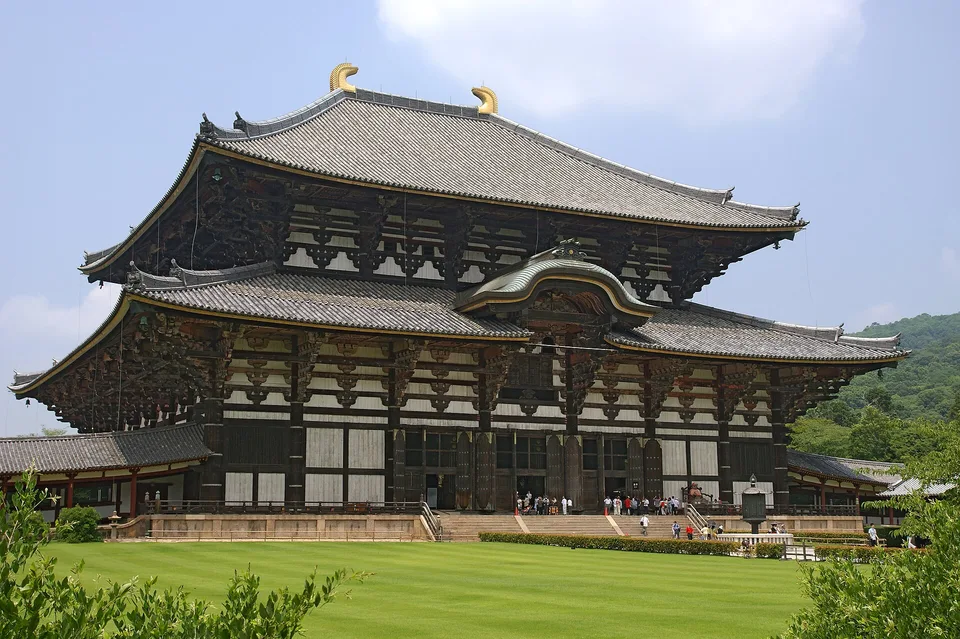
Nara served as Japan's eighth-century imperial capital, preserving colossal wooden temples, mossy stone lanterns, and sacred sika deer within protected ancient parkland.
Quick decisions
How many days?
Plan one full day for Nara Park and Naramachi, or two days to walk ancient paths before day-tripper crowds arrive.
Where should I stay?
Pick Naramachi for quiet machiya guesthouses, Kintetsu-Nara for quick dining, or JR Nara for modern hotels with luggage services. Compare calm quarters and central bases across Nara's best districts for machiya inns and station hotels.
Do I need a car?
Leave the car behind entirely. Nara streets are narrow, weekend traffic stalls around the park, and deer frequently step across road junctions.
Best for
Walkers, ancient architecture followers, and garden lovers seeking eighth-century imperial culture set against tranquil forested hills. Discover highlighted sights in our Nara attractions guide.
Before you go
Feed wild deer only official shika senbei crackers, stow paper bags, and note the Kofuku-ji Five-Storey Pagoda stays enclosed in scaffolding. Follow our Nara travel advice before visiting.
Getting around
Walk between major park temples easily. Nara Kotsu Loop Buses No. 1 and No. 2 connect both railway stations and accept IC cards.
Overview
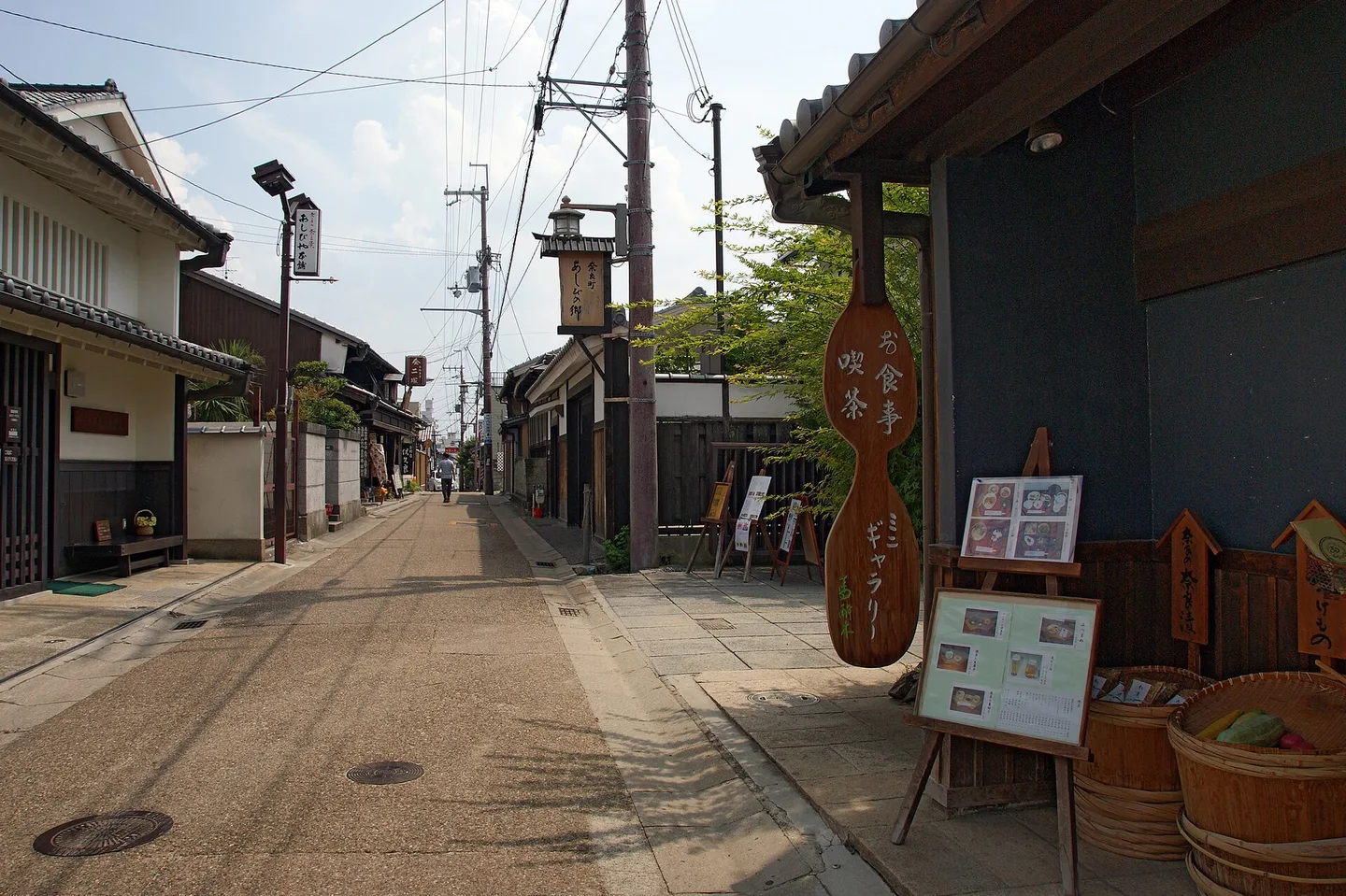
Nara was founded as Heijo-kyo in 710, establishing Japan's first permanent imperial capital until the court moved in 784. Today, eight distinct ancient monuments form a protected UNESCO World Heritage area covering 617 hectares across the city eastern slopes and valley floor. Unlike later metropolises, ancient Nara preserves its monastic geography intact. Colossal timber halls rise between cedar groves, where stone lanterns line mossy stone avenues beneath Mount Kasuga.
Over 1,200 wild sika deer roam freely across Nara Park, revered for centuries as messengers of the Shinto gods. Early morning walks reveal a contemplative rhythm before tour groups arrive from neighbouring cities. Todai-ji houses the monumental bronze Great Buddha consecrated in 752, while quiet merchant streets in Naramachi safeguard traditional wooden merchant architecture. Nara rewards visitors who slow down to appreciate Japan's deep cultural foundations.
Getting there
Direct rail links connect Nara smoothly with the wider Kansai region through two primary railway terminals. Kintetsu-Nara Station offers the closest access to the park, arriving in 34 minutes from Osaka-Namba by Limited Express. Direct Kintetsu services from Kyoto also arrive swiftly into the underground terminal. Meanwhile, JR West services pull into JR Nara Station, positioned on the western edge of the historic core.
Limousine buses link Kansai International Airport to central Nara in 85 to 103 minutes, while Osaka Itami airport buses take 80 minutes. Within the city centre, driving creates unnecessary delays due to narrow lanes, scarce parking, and free-roaming wildlife. Nara Kotsu Loop Buses No. 1 and No. 2 circulate regularly between both railway terminals and Nara Park, accepting major IC cards like ICOCA. Find complete transport tips in our Nara essential guide.
Where to stay
Choosing the right neighbourhood determines how peacefully you experience the city ancient atmosphere. Staying near Kintetsu-Nara Station and the Higashimuki shopping arcade places dining options and transport links directly at your doorstep. Travellers carrying bulky luggage often favour JR Nara Station, where modern western-style business hotels provide dependable amenities and straightforward airport bus connections.
For deeper atmosphere, book a restored wooden machiya townhouse in the historic lanes of Naramachi. Those seeking traditional hospitality can look to the Takabatake quarter, home to quiet ryokan and the landmark 1909 Nara Hotel. Staying overnight lets you wander through lantern-lit shrine paths early in the morning before crowds arrive. Explore recommended quarters in our Nara neighbourhood guide.
Things to do
Nara Park encompasses broad green lawns, ancient trees, and sacred temple precincts. Todai-ji stands as the monumental focal point, approached through the 1203 Nandaimon Gate flanked by towering 8.4-metre wooden guardians. Inside the Great Buddha Hall, the 14.98-metre bronze seated Buddha inspires profound quiet reflection. Follow a complete circuit using our Todai-ji and Kasuga Taisha guide.

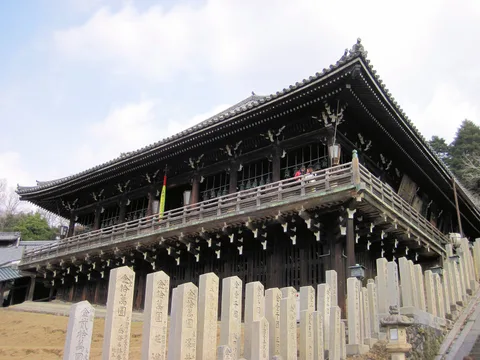
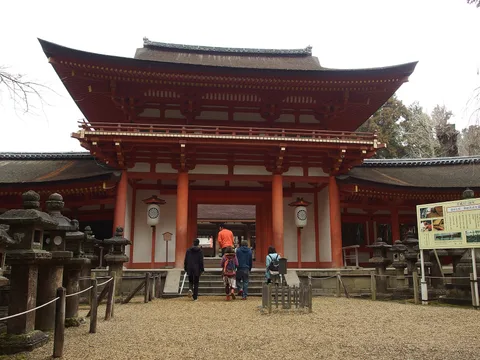
Walk eastward along forested paths to Kasuga Taisha, famous for roughly 3,000 stone and bronze lanterns flanking its red corridors. Nearby, Kofuku-ji displays the 734 Ashura sculpture within its National Treasure Museum. Note that Kofuku-ji Five-Storey Pagoda remains enclosed in protective scaffolding for extensive conservation through fiscal year 2033. Extend your exploration through our dedicated Nara sightseeing highlights.
Food and drink
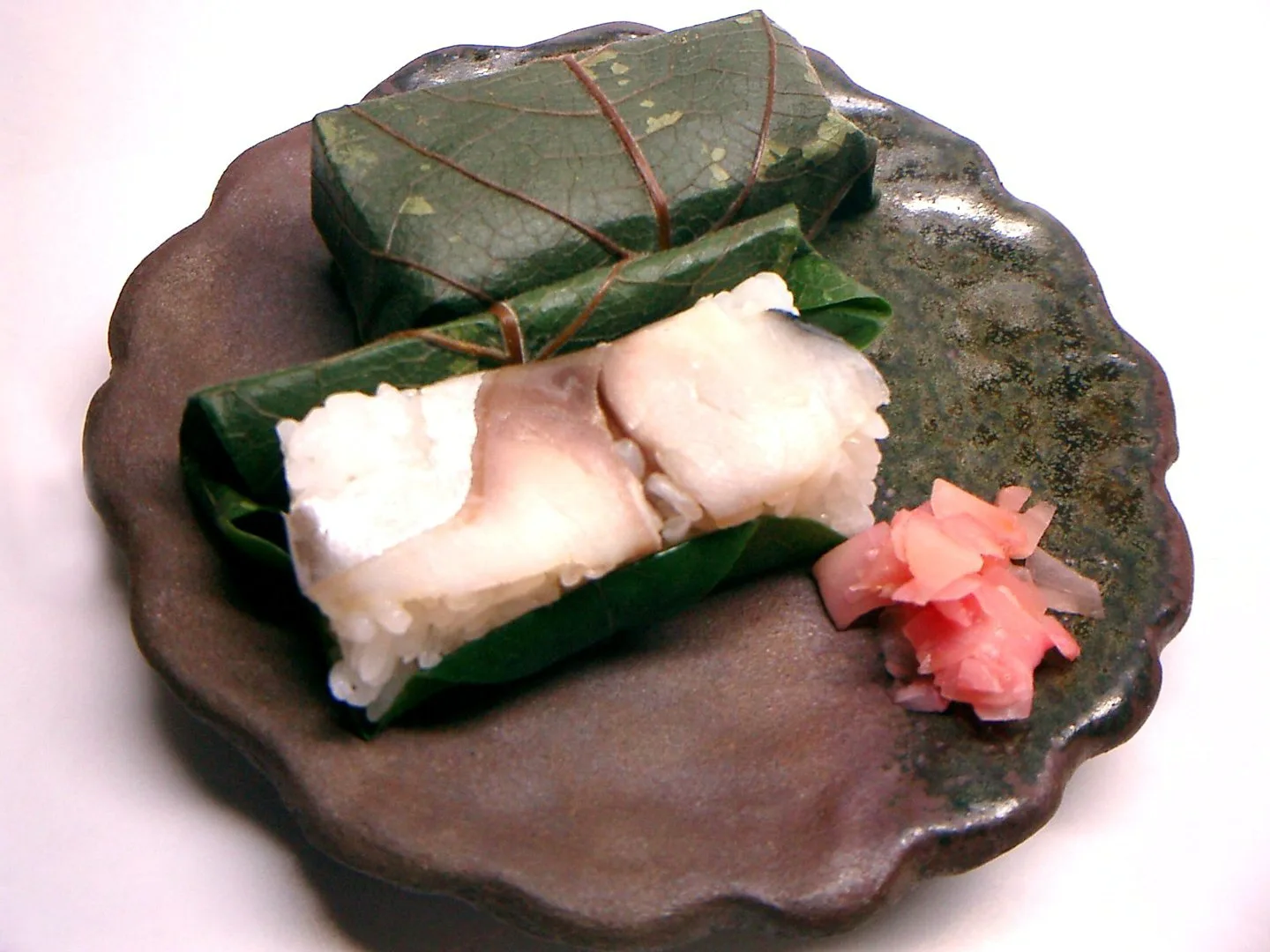
Nara culinary heritage reflects centuries of Buddhist monastic customs and ancient imperial preservation methods. Kakinoha-zushi remains the city signature dish, featuring pressed mackerel or salmon sushi wrapped neatly in aromatic persimmon leaves. Monks developed chagayu over 1,200 years ago, creating a soothing roasted-tea rice porridge that local teahouses still serve for breakfast.
Slender hand-stretched Miwa somen noodles offer refreshing dining, served chilled over ice in summer or in warm dashi broth during winter months. Pair meals with crunchy Narazuke pickles cured in local sake lees, and sample regional craft sake brewed using clear mountain runoff. Around Higashimuki arcade, bakeries pound fresh yomogi mochi flavoured with wild mugwort daily.
Culture
Local customs in Nara remain closely intertwined with its sacred sika deer, designated as protected National Natural Monuments. Purchase official wheat-and-bran shika senbei crackers to feed them, keep paper maps tucked inside pockets, and show open palms when your food finishes. Give deer extra distance during spring fawning between mid-May and early July, and during autumn rutting from September to November.
Spring visitors enjoy pleasant walking weather, with April averaging daytime highs of 18.9°C. Autumn brings crisp air and brilliant foliage, when November highs reach 16.6°C with moderate rainfall around 90 mm. Time your journey with sacred festivals like March Omizutori fire ceremonies at Nigatsu-do or August lantern illuminations at Kasuga Taisha. Arrange your visit with our structured Nara 2-day itinerary.
Official prices and opening hours
- Todai-ji Great Buddha Hall (Daibutsuden)Official site ↗
- Kasuga Taisha Main Sanctuary (Inner Cloister Special Worship)Official site ↗
- Kofuku-ji National Treasure MuseumOfficial site ↗
- Nara National Museum (Permanent Exhibition)Official site ↗
Weather by month
Nara is warmest in August, with average highs around 32°C, and coldest in January, when nights drop to about 0°C. July is the wettest month by rainfall (254 mm), with rain on about 17 days. For mild weather with fewer rainy days, aim for May and October.
| Month | Low | Range | High | Rain | Rainy days |
|---|---|---|---|---|---|
| Jan | 0°C | 8°C | 66 mm | 9 d | |
| Feb | 0°C | 10°C | 65 mm | 8 d | |
| Mar | 3°C | 14°C | 118 mm | 11 d | |
| Apr | 8°C | 19°C | 152 mm | 12 d | |
| May | 13°C | 23°C | 171 mm | 11 d | |
| Jun | 18°C | 26°C | 243 mm | 15 d | |
| Jul | 23°C | 30°C | 254 mm | 17 d | |
| Aug | 24°C | 32°C | 176 mm | 13 d | |
| Sep | 20°C | 28°C | 201 mm | 14 d | |
| Oct | 13°C | 22°C | 184 mm | 11 d | |
| Nov | 8°C | 17°C | 90 mm | 8 d | |
| Dec | 2°C | 11°C | 61 mm | 7 d |
Averages of daily values from 2015 to 2024. Rainy days are days with at least 1 mm of rain. Source: Open-Meteo · Compare destinations by month.
Nara on the map
Every place we cover in Nara. Tap a category or pin to explore.
In-depth Nara guides
Browse the guides grouped by topic: sights, neighbourhoods, food, transport, day trips and trip planning.
Sights, Landmarks & Parks
Key monuments, viewpoints, museums and nature trails.
- Temples, Gardens and Heritage Districts Beyond Todai-ji in NaraBeyond the central deer lawns, Nara preserves ancient Buddhist sculptures, quiet strolling gardens, and historic merchant districts.
- Todai-ji, Nara Park and Kasuga Taisha Walking GuideWe trace Nara's sacred parkland corridor linking ancient timber temples, free-roaming sika deer, and lantern-lit Shinto woodland shrines across an unbroken UNESCO sanctuary.
Neighbourhoods & Where to Stay
Districts, historic quarters and the best bases for your stay.
Getting Around & Arrival
Airport transfers, public transit, passes and driving rules.

Trip Planning & Itineraries
When to visit, what to pack and day-by-day routes.
Need your embassy or consulate in Japan? See embassies and consulates in Japan.
Reviews
Log in to write a review.
No reviews yet.