


























Giza Pyramids & Great Sphinx: Khufu, Khafre, Menkaure, Gates & Panorama Route
How to visit the Giza Pyramid Plateau independently or with an Egyptologist: compare the Mena House and Sphinx gates, explore Khufu, Khafre, Menkaure, and the Valley Temple, and reach Panorama Point.
Rising from a limestone desert escarpment fifteen kilometres south-west of central Cairo, the Giza Necropolis (inscribed as a UNESCO World Heritage Site in 1979) was constructed across three generations of Fourth-Dynasty pharaohs between roughly 2580 and 2510 BCE. Today it remains the only surviving monument of the Seven Wonders of the Ancient World.
1. The Three Fourth-Dynasty Royal Pyramids & Queen's Pyramids
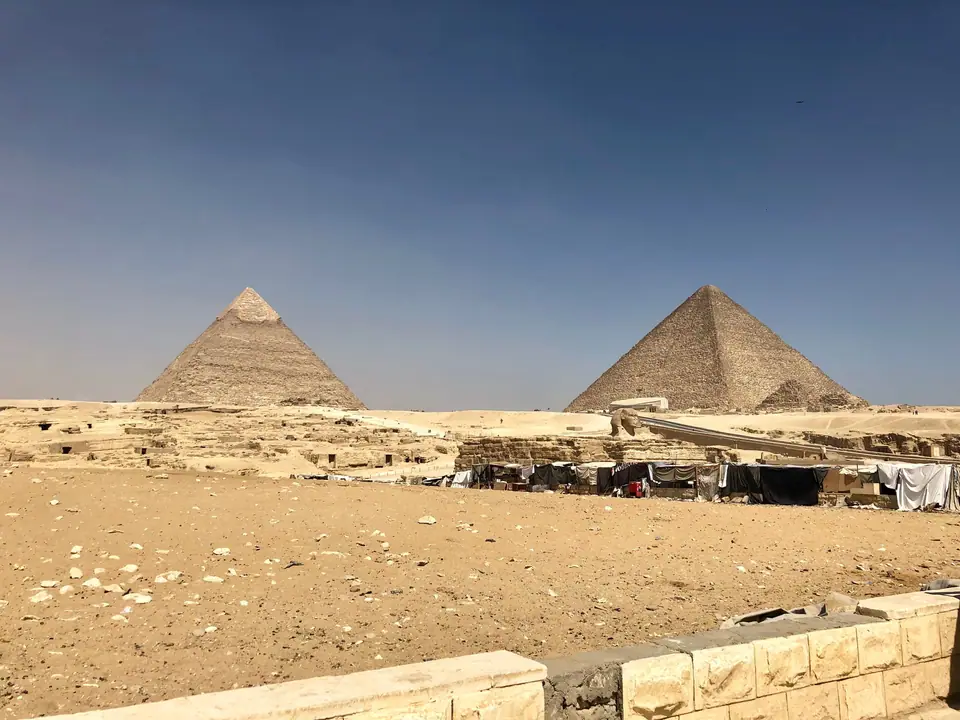
- The Great Pyramid of Khufu (Cheops, c. 2560 BCE): The northernmost and largest pyramid on the plateau stood 146.6 metres (481 feet) tall when completed (and 138.5 metres today without its smooth outer Tura limestone casing), assembled from roughly 2.3 million stone blocks averaging 2.5 tonnes apiece. With a separate limited-quota interior ticket purchased at the main gate, you can stoop through the ascending corridor and climb the soaring 47-metre corbelled Grand Gallery into the red-Aswan-granite King's Chamber. East of Khufu's base lie the rock-cut Solar Boat Pits (Khufu's intact 43.4-metre cedarwood solar barque now resides at the nearby Grand Egyptian Museum) and three small Queen's Pyramids.
- The Pyramid of Khafre (Chephren, 136.4m): Built by Khufu's son on a slightly higher shelf of bedrock, making it appear taller than its neighbour, Khafre's pyramid famously preserves a crown of its original polished white Tura limestone casing stones near the summit.
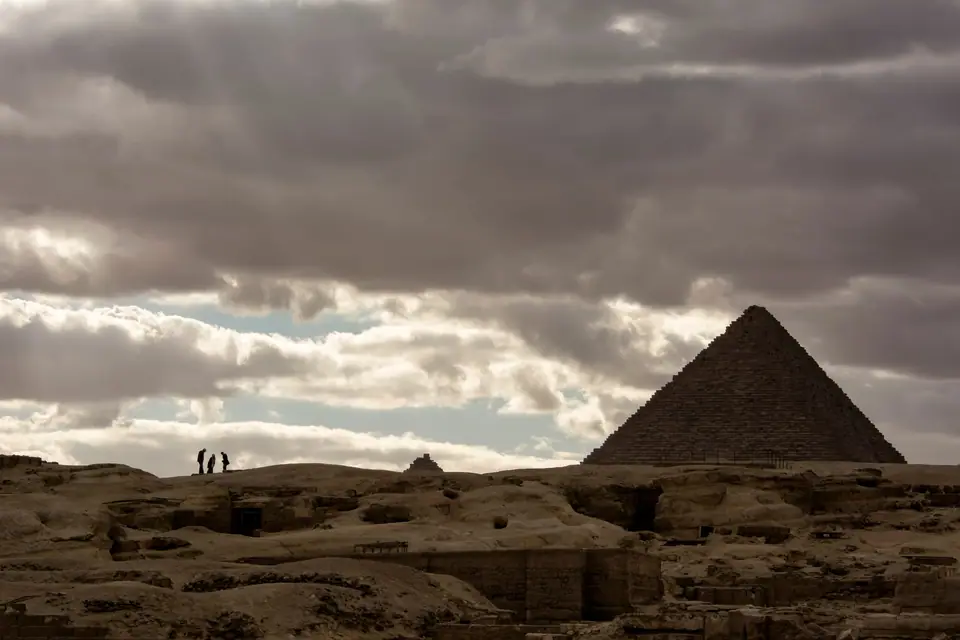
- The Pyramid of Menkaure (Mycerinus, 61m): One-tenth the volume of Khufu's monument, Menkaure's pyramid is distinguished by the sixteen lower courses of massive, unsmoothed pink Aswan granite blocks that still sheathe its base.
2. The Valley Temple of Khafre, the Great Sphinx & How to Navigate the Gates
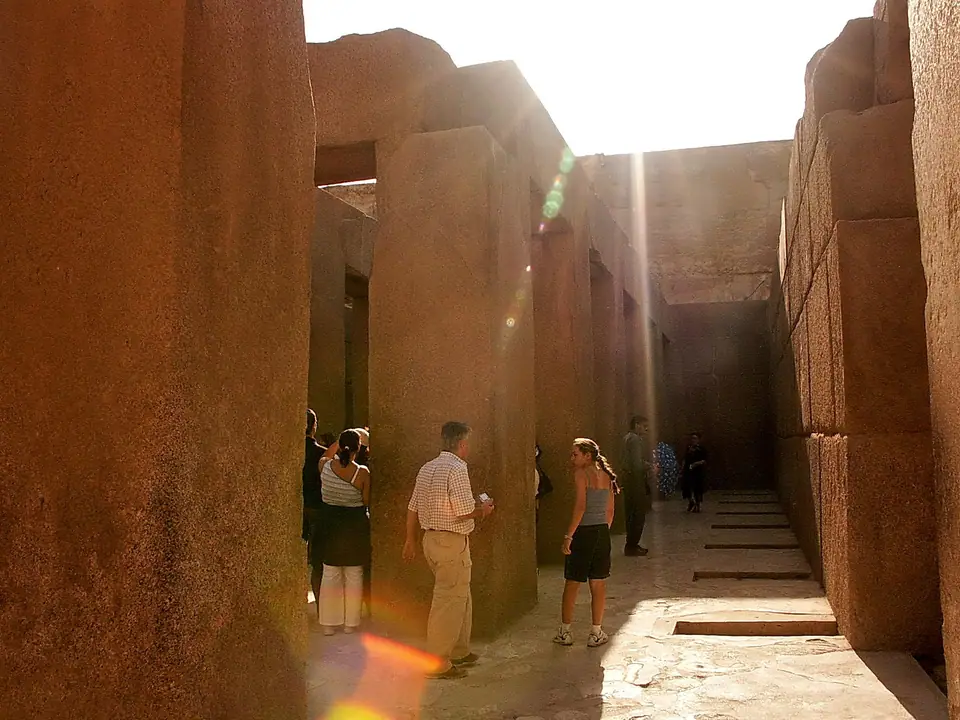
- The Valley Temple & the Great Sphinx (73 Metres Long, 20 Metres High): Connected to Khafre's mortuary temple by a half-kilometre stone causeway, the Valley Temple of Khafre is built of monolithic core limestone faced with multi-tonne pink granite pillars fitted together without mortar. Stepping through its north-western corridor brings you onto the viewing terrace directly beside the Great Sphinx, carved in situ from the living limestone ridge with the body of a lion and the royal nemes headcloth of Khafre. Between its front paws stands the pink granite Dream Stele of Pharaoh Thutmose IV (c. 1401 BCE), recording how the young prince cleared away the desert sand in return for the crown of Egypt.
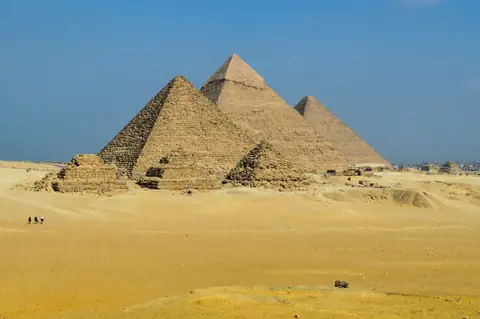
- Choosing Your Entrance Gate & Reaching Panorama Point: The plateau has two primary visitor ticket offices (both strictly cashless card-only): the upper Great Pyramid / Mena House Gate at the end of Al-Ahram Street (best for starting at Khufu at opening time and walking downhill) and the lower eastern Sphinx Gate at Nazlet el-Semman (closest to the Valley Temple and Sphinx). Allow 2.5 to 3.5 hours on foot or by shuttle/car out to Western Panorama Point, where all six pyramids line up against the open Sahara.
Traveller tips
Real advice from people who have been to Giza Pyramids & Great Sphinx: Khufu, Khafre, Menkaure, Gates & Panorama Route. Every tip is read by our team before it goes live.
No tips yet. Been here? Yours could be the first.
Thank you! Your tip will appear here after a quick review.
More in Cairo
Continue exploring Cairo with related neighbourhood, food, and planning guides
Best Time to Visit Cairo: Winter Desert Sunshine, Khamsin Winds & Ramadan Nights
Cairo, Egypt
What to Wear in Cairo: Mosque Dress Code, Pyramid Footwear & Winter Layers
Cairo, Egypt
Where to Stay in Cairo: Zamalek, Garden City Nile Corniche, Downtown & Giza
Cairo, Egypt
3 Days in Cairo: Giza & GEM, Royal Mummies & Coptic Cairo, Plus Historic Islamic Cairo
Cairo, Egypt
