


























Cairo's Three Great Museums Compared: GEM, 1902 Tahrir Museum & NMEC Royal Mummies
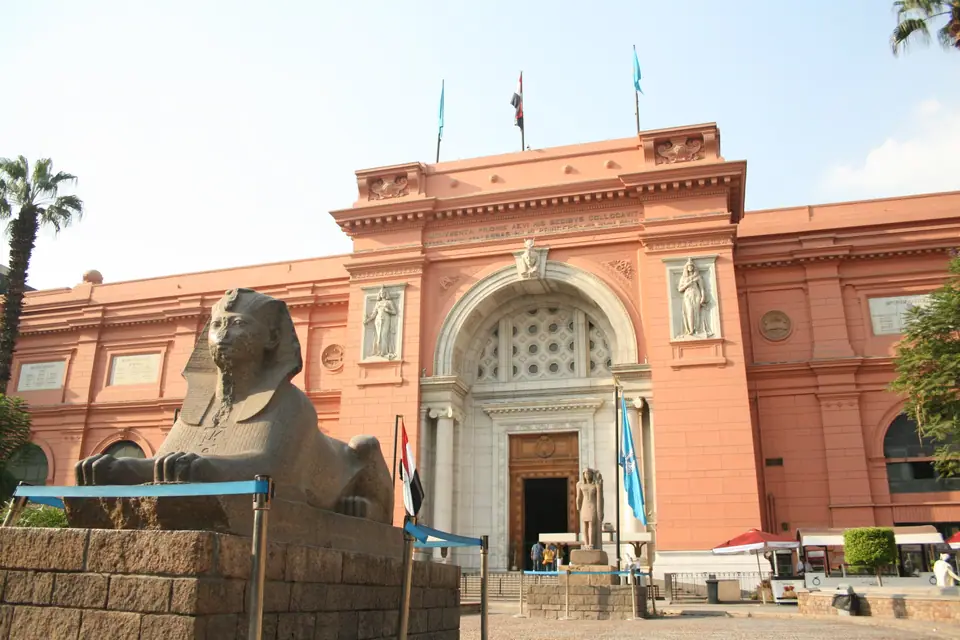
Understand which treasures are housed in each of Cairo's three flagship museums: the Grand Egyptian Museum (GEM) at Giza, the Royal Mummies Hall at NMEC in Fustat, and the 1902 Egyptian Museum in Tahrir Square.
In earlier decades, a museum day in Cairo meant a single stop at Tahrir Square. Today, Egypt's pharaonic collection is curated across three distinct, world-class institutions, each holding masterpieces that cannot be seen at the other two. Here is how they divide Egypt's history and how to visit all three.
1. The Grand Egyptian Museum (GEM, Al-Haram / Giza): Monumental Sculpture & Twelve Galleries
- Architecture & the Hanging Obelisk (`visit-gem.com`): Located two kilometres north-west of the Giza Pyramids at Remaya Square, the 50-hectare complex designed by Heneghan Peng Architects aligns its folded translucent alabaster-and-glass facade directly with the edges of the Khufu and Khafre pyramids. Outside the entrance, visitors walk beneath the suspended base of the Hanging Obelisk of Ramesses II to view the royal cartouches carved on its underside, hidden from human eyes for over 3,200 years.
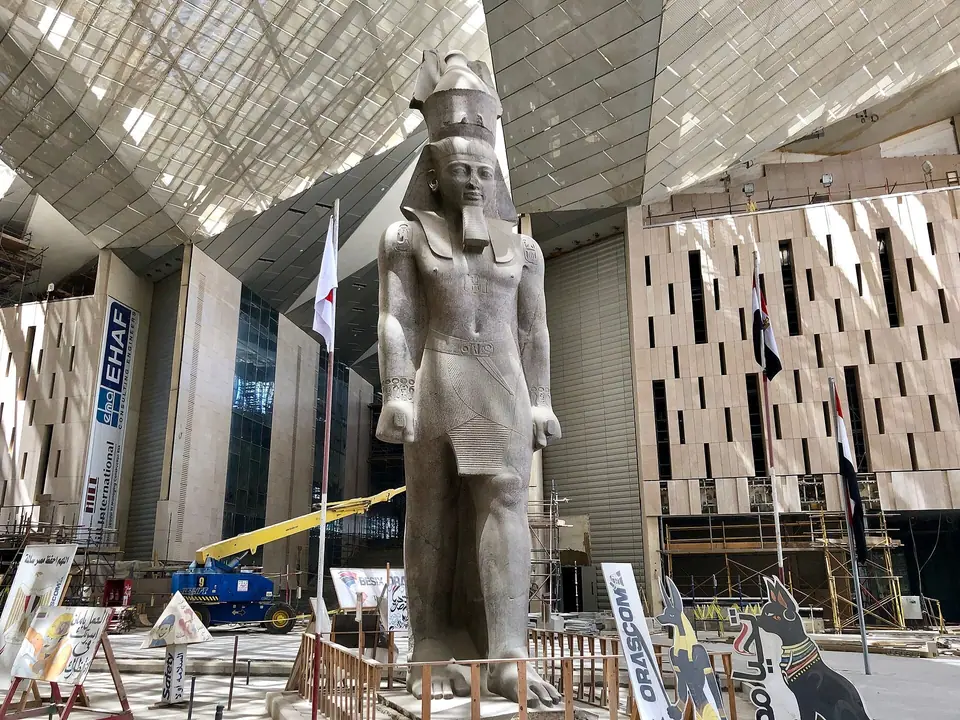
- The Ramesses II Atrium, Grand Staircase & 12 Main Galleries: Inside the sun-lit Atrium stands the 11-metre, 83-tonne red-granite colossus of Ramesses II (originally excavated at Memphis). From the Atrium, escalators and walkways ascend the six-storey Grand Staircase past more than 60 royal statues, columns, and pyramidions into 12 chronological and thematic galleries spanning Prehistoric, Old Kingdom, Middle Kingdom, New Kingdom, and Graeco-Roman Egypt, plus the dedicated Khufu Solar Boat Museum.
2. The National Museum of Egyptian Civilization (NMEC, Fustat): The 20 Royal Mummies
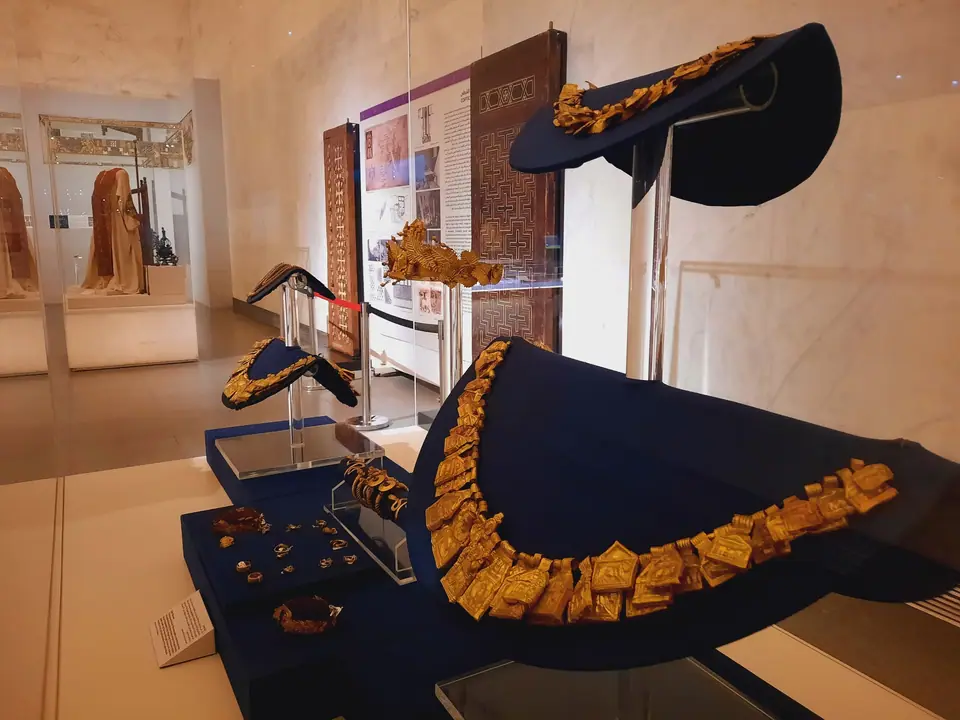
- The Underground Royal Mummies Hall (`nmec.gov.eg`): Overlooking Ain al-Sira lake in historic Fustat (ten minutes from Coptic Cairo), NMEC received Egypt's royal mummies in the April 2021 Pharaohs' Golden Parade. Descending into the dimly lit, climate-controlled lower level, designed like the burial chambers of the Valley of the Kings, brings you face to face with 18 kings and 2 queens of the 17th to 20th Dynasties, including Seqenenre Tao, Hatshepsut, Thutmose III, Seti I, and Ramesses II, displayed alongside their CT scans, original cedar coffins, and biographical panels. Above ground, the vast Main Hall traces Egyptian material culture from prehistoric flint tools to Coptic textiles and Islamic mashrabiya.
3. The 1902 Egyptian Museum in Tahrir Square: Old Kingdom Icons & the Gold of Tanis
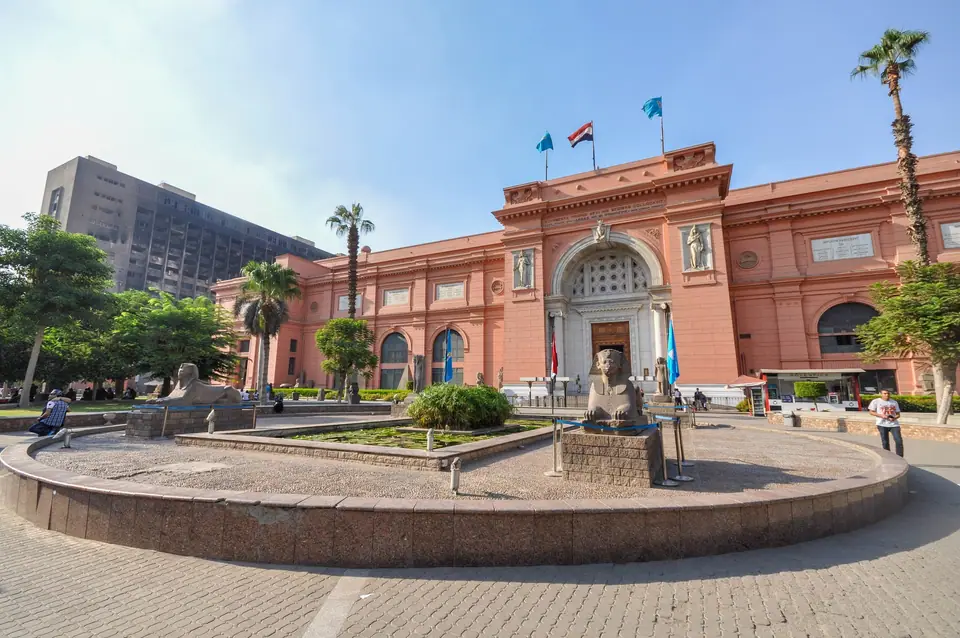
- Why Tahrir Remains Essential: Designed by French architect Marcel Dourgnon and opened on 15 November 1902, the rose-pink palace on Tahrir Square remains home to foundational works of art that have not moved: the Narmer Palette (c. 3100 BCE) commemorating the unification of Upper and Lower Egypt, the diorite statue of Khafre with the falcon god Horus, the slate triads of Menkaure, the lifelike painted statues of Rahotep and Nofret, the wooden Sheikh el-Balad (Ka-aper), and the gleaming upstairs rooms holding the intact 21st-Dynasty solid-gold funerary masks and silver anthropoid coffins of Pharaoh Psusennes I from Tanis.
Traveller tips
Real advice from people who have been to Cairo's Three Great Museums Compared: GEM, 1902 Tahrir Museum & NMEC Royal Mummies. Every tip is read by our team before it goes live.
No tips yet. Been here? Yours could be the first.
Thank you! Your tip will appear here after a quick review.
More in Cairo
Continue exploring Cairo with related neighbourhood, food, and planning guides
12 Essential Landmarks & Experiences Across Cairo and Giza
Cairo, Egypt

Arriving in Cairo: CAI & Sphinx Airports, E-Visas, Metro & ENR Trains
Cairo, Egypt
Best Time to Visit Cairo: Winter Desert Sunshine, Khamsin Winds & Ramadan Nights
Cairo, Egypt
What to Wear in Cairo: Mosque Dress Code, Pyramid Footwear & Winter Layers
Cairo, Egypt
