Cape Town: What to Know Before You Go
How the city fits together, what to book ahead and the practical habits that make a trip smooth.
The Golden Rule in Cape Town is simple: when the top of Table Mountain is clear and the wind is down, drop your other plans and go up. Visitors who save the mountain for their final day often spend that morning staring up at a thick white cloud and flying home without the view.
How the city is laid out
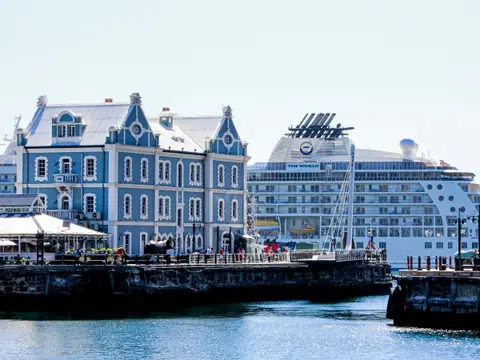
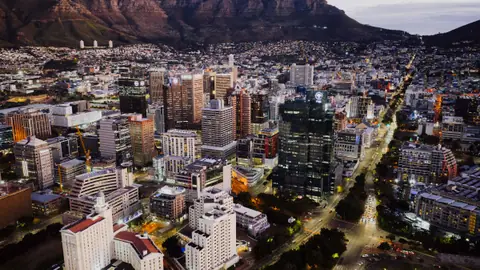
Think of the mountain chain as a spine running north to south down a narrow peninsula. At the northern foot sits the City Bowl, a natural amphitheatre holding the historic centre, the Bo-Kaap, Gardens and the V&A Waterfront. West of the mountain, facing the cold open ocean and the afternoon sun, is the Atlantic Seaboard: Green Point, Sea Point, Clifton and Camps Bay. East of the mountain are the leafy Southern Suburbs, where Kirstenbosch and the Constantia vineyards sit. Carry on south and the coastline splits into the rugged Cape Peninsula on the west and the warmer bays of Muizenberg and Kalk Bay along False Bay.
What to book before you land
Robben Island ferries and popular dinner tables in summer (December to February) need booking weeks ahead. Buy Table Mountain cableway tickets online too, as they remain valid for several days if weather shuts the cars. National park gates at Cape Point and Boulders Beach can also be booked on the SANParks website.
Money, cards and tipping
The currency is the South African rand (ZAR). Cape Town is heavily card-friendly, and SANParks ticket gates at Cape Point and Boulders Beach are strictly cashless, taking physical debit or credit cards rather than notes. Keep a small stash of cash for tipping car guards (the informal attendants in high-vis vests who watch parked cars on the street), petrol station attendants who fill your tank, and market stalls. In restaurants, a tip of 10 to 15 percent is standard when service is not already added.
Safety in practice
Cape Town has high inequality and real crime, mostly concentrated in outer townships far from visitor routes, alongside opportunistic street crime in town. Use common-sense habits and you can explore comfortably. Walk freely during the day in busy areas like the Waterfront, Sea Point Promenade, Bree Street and Camps Bay, and take an Uber from door to door after dark rather than walking quiet streets between neighbourhoods. Never hike alone at dawn or dusk; join a small group on Lion's Head or Table Mountain and keep phones and cameras out of sight at trailheads.
Power, water and plugs
South Africa uses a distinctive three-round-pin plug (Type M), which standard European and UK adapters do not fit, though hotels often have a single two-pin Euro socket for phone chargers. Buy a local adapter at the airport or any supermarket. Most hotels and restaurants now have solar or inverter backup in case of national grid power cuts. Tap water in the city is clean and safe to drink.
Traveller tips
Real advice from people who have been to Cape Town: What to Know Before You Go. Every tip is read by our team before it goes live.
No tips yet. Been here? Yours could be the first.
Thank you! Your tip will appear here after a quick review.
More in Cape Town
Continue exploring Cape Town with related neighbourhood, food, and planning guides