Cape Town
A flat-topped mountain, two very different coastlines and centuries of history at the southern tip of Africa.
Quick decisions
How many days?
4 days: Table Mountain, the city centre, Robben Island and a full day down the Cape Peninsula. 5 to 6 days: add Kirstenbosch, a beach afternoon in Clifton or Muizenberg, and a day in the Constantia or Stellenbosch vineyards. A week or more: slow down for hikes and coastal drives.
Where should I stay?
Sea Point or Green Point: walkable promenade, sea air and easy access everywhere. Gardens or Tamboerskloof: leafy streets under the mountain with neighbourhood cafés. Camps Bay: right on the beach, pricier. V&A Waterfront: polished, secure and convenient, though less local. Compare all five neighbourhoods.
Do I need a car?
For part of the trip, yes. Ride apps and MyCiTi buses cover the City Bowl and the Atlantic Seaboard easily, so you don't need a car every day. Rent one for two days to drive the Cape Peninsula, Constantia and the Winelands.
Best for
Scenery and outdoors: mountain trails and cliffside drives within minutes of town. Food and wine: strong value compared with Europe or North America. Families: penguins, beaches, Kirstenbosch and the cable car. History: Robben Island, the Bo-Kaap and District Six.
Before you go
Watch the weather: go up Table Mountain on your first clear, calm day, as high winds close the cable car. Book early: Robben Island ferries sell out in summer. Go cashless: national park gates at Cape Point and Boulders Beach take cards only.
Getting around
From the airport: there is no public train or bus link, so take an Uber or a pre-booked transfer into town. In the city: Uber, MyCiTi buses around the bowl and coast, and the daytime Southern Line train to Kalk Bay.
Continue your trip
Stellenbosch and Franschhoek sit under an hour inland. Hermanus, where southern right whales gather close to shore between June and November, is two hours east, and the Garden Route stretches beyond it.
Overview
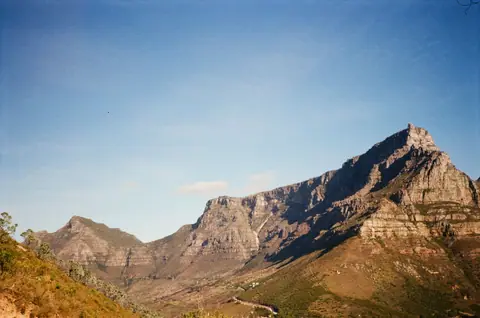
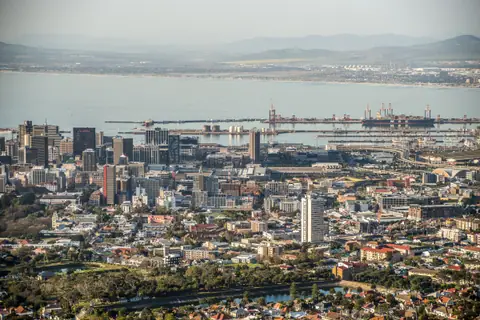
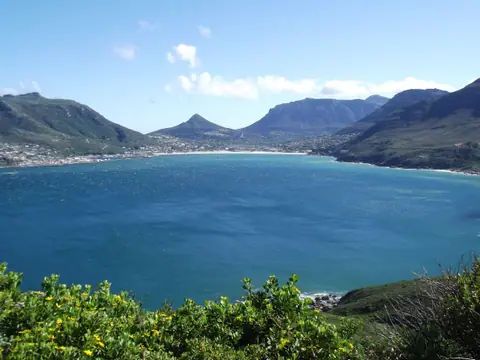
Geography runs the show in Cape Town. A thousand-metre wall of sandstone rises straight behind the central streets, dropping down to cold Atlantic coves on one side and the gentler waters of False Bay on the other. You can climb a mountain trail at dawn, eat Cape Malay curry in the Bo-Kaap at lunch, and watch African penguins waddle across the granite boulders of Simon's Town by mid-afternoon.
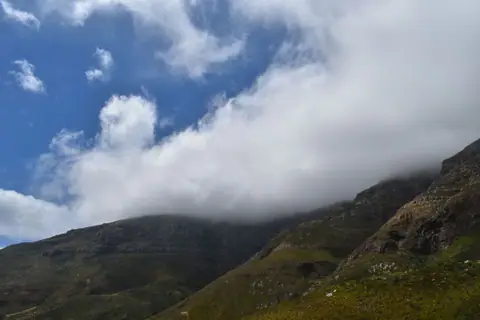
It is also a city that asks you to stay flexible. The south-easterly wind can shut the Table Mountain cableway or cancel the Robben Island ferry with an hour's notice, so planning around the forecast works far better than sticking to a rigid timetable.
Getting there
Cape Town International Airport sits about 20 km east of the centre. Because the old airport bus route remains suspended and there is no airport rail link, getting into the city and moving around relies on Uber, official metered taxis, MyCiTi buses in the central corridors and a hire car for peninsula day trips.
Where to stay
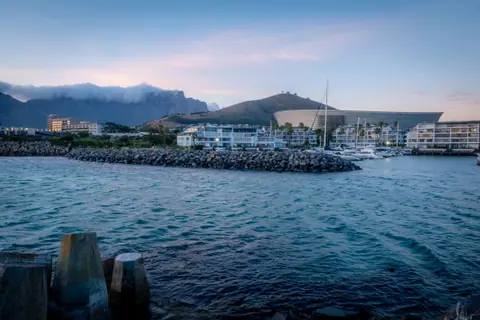
Most visitors choose between three main areas: the leafy residential slopes of Gardens and Tamboerskloof, the coastal strip of Sea Point, Green Point and Camps Bay, or the harbour precinct at the V&A Waterfront.
Things to do
Anchor your Cape Town sightseeing around Table Mountain, Robben Island, Kirstenbosch and a full-day loop down the Cape Peninsula, with Zeitz MOCAA for contemporary African art and Lion's Head for sunset.
Food and drink
Local food and wine runs from flaky rotis and spiced bobotie in the Bo-Kaap to fresh linefish at Kalk Bay harbour, shared gatsby sandwiches and tastings at the historic estates of Constantia.
Culture
Indigenous Khoisan history, Dutch and British colonial rule, the forced removals of apartheid and the long struggle for democracy have all left sharp marks on the landscape. You see that layered story in the City Bowl museums, the prison courtyard on Robben Island, and the contemporary galleries of Woodstock.
Weather by month
Cape Town is warmest in February, with average highs around 27°C, and coldest in July, when nights drop to about 7°C. June is the wettest month, with rain on about 11 days. For mild weather with fewer rainy days, aim for January, February, March, October, November and December.
| Month | Low | Range | High | Rain | Rainy days |
|---|---|---|---|---|---|
| Jan | 16°C | 26°C | 15 mm | 4 d | |
| Feb | 16°C | 27°C | 17 mm | 3 d | |
| Mar | 14°C | 25°C | 20 mm | 4 d | |
| Apr | 12°C | 23°C | 41 mm | 6 d | |
| May | 9°C | 20°C | 69 mm | 9 d | |
| Jun | 8°C | 18°C | 93 mm | 11 d | |
| Jul | 7°C | 18°C | 82 mm | 10 d | |
| Aug | 8°C | 18°C | 77 mm | 11 d | |
| Sep | 9°C | 19°C | 40 mm | 8 d | |
| Oct | 11°C | 21°C | 30 mm | 6 d | |
| Nov | 13°C | 24°C | 14 mm | 4 d | |
| Dec | 15°C | 25°C | 17 mm | 4 d |
Averages of daily values from 2015 to 2024. Rainy days are days with at least 1 mm of rain. Source: Open-Meteo · Compare destinations by month.
Cape Town on the map
Every place we cover in Cape Town. Tap a category or pin to explore.
In-depth Cape Town guides
Browse the guides grouped by topic: sights, neighbourhoods, food, transport, day trips and trip planning.
Sights, Landmarks & Parks
Key monuments, viewpoints, museums and nature trails.
- Best Things to Do in Cape TownThe big landmarks, the coastal drives and the local rituals that define a trip.
- Table Mountain Guide: Cableway, Hiking and WeatherHow to get up the mountain by cable car or foot, and how to read the weather before you set off.
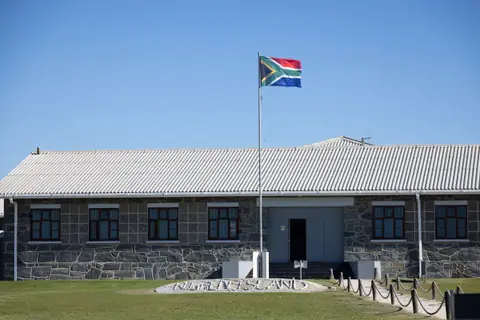
- Robben Island Guide: Ferry, Prison Tour and TicketsHow the ferry and prison tour work, why to book for early in your trip and what to bring.
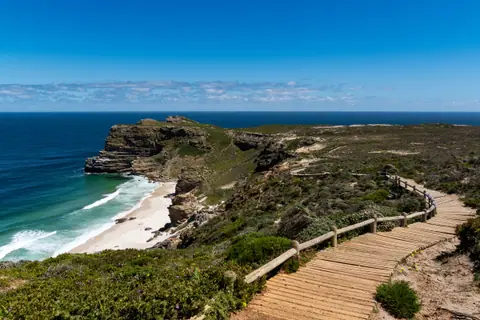
- Cape Point and the Cape Peninsula LoopHow to drive the peninsula loop, from Chapman's Peak to the lighthouses and the Cape of Good Hope.
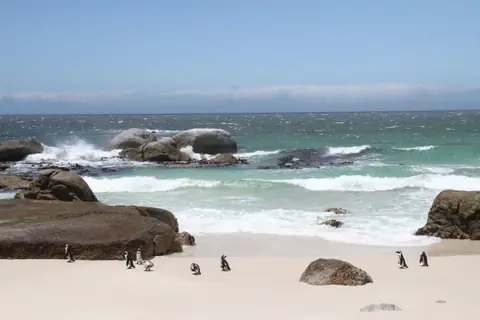
- Boulders Beach Penguins and Simon's TownTwo coves, a colony of wild African penguins and a historic naval town on False Bay.
- Zeitz MOCAA Guide: Contemporary Art in the Grain SiloInside the hollowed-out 1924 grain silo that houses six floors of contemporary art from Africa and its diaspora.
- Kirstenbosch National Botanical Garden GuideHow to spend a half day walking the canopy bridge, protea slopes and forest trails on the eastern side of Table Mountain.
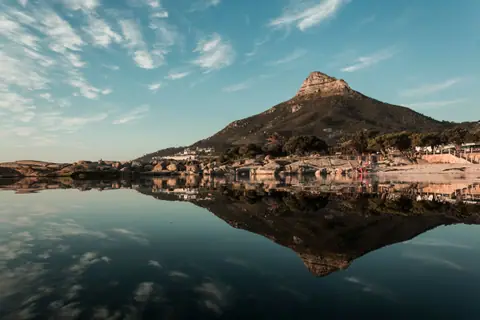
- Lion's Head Hike and Signal Hill Sunset GuideTwo neighbouring peaks between the City Bowl and the sea: one a spiral hike, the other a drive-up viewpoint.


Neighbourhoods & Where to Stay
Districts, historic quarters and the best bases for your stay.
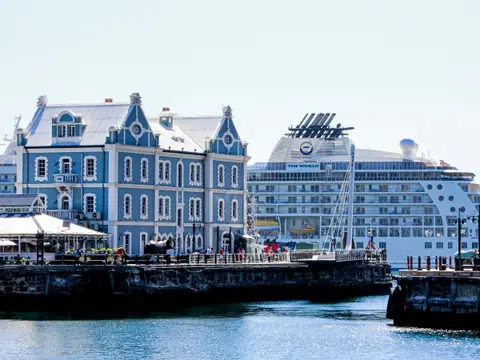
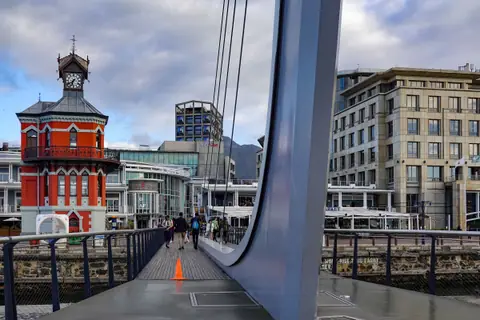
- V&A Waterfront Guide: Silo District, Harbour and MarketsHow to skip the generic mall corridors and find the best parts of Cape Town's working harbour.
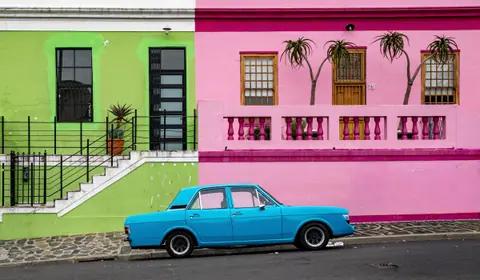
- Bo-Kaap, the Company's Garden and the City BowlA half-day walking route through the Bo-Kaap, the Company's Garden and the central streets.
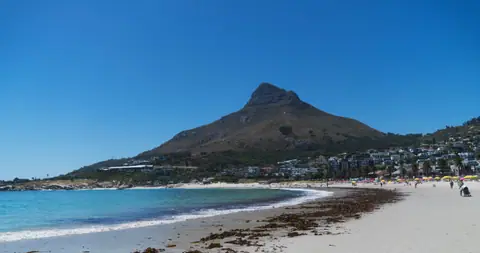
- Camps Bay, Clifton and the Atlantic Seaboard BeachesWhite granite sand, cold Atlantic water and how to pick the beach with the least wind.
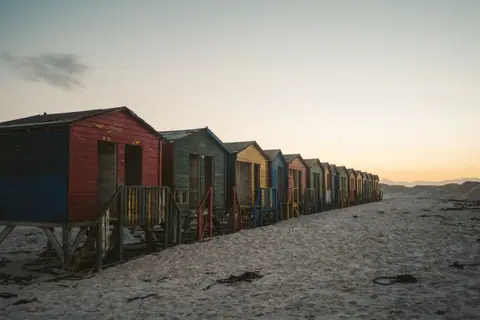
- Muizenberg, St James and Kalk Bay GuideWarmer water, painted Victorian bathing boxes, a seaside walkway and a working fishing village.
- Woodstock, Street Art and the Old Biscuit MillIndustrial warehouses, weekend food markets, serious contemporary galleries and street art.
- Where to Stay in Cape Town: Neighbourhoods ComparedHow to choose between the Atlantic coast, the leafy mountain slopes and the harbour.
Food & Drink
Local dishes, markets, cafés and dining districts.

Getting Around & Arrival
Airport transfers, public transit, passes and driving rules.
Trip Planning & Itineraries
When to visit, what to pack and day-by-day routes.
- Cape Town: What to Know Before You GoHow the city fits together, what to book ahead and the practical habits that make a trip smooth.
- Best Time to Visit Cape TownSouthern hemisphere seasons, the summer wind and the best months to go.
- What to Wear in Cape TownHow to dress for a city where the temperature drops ten degrees between the beach and the mountain.
- 4 Days in Cape Town: A Realistic Day-by-Day ItineraryFour well-paced days built around geography and weather, plus how to add a fifth or sixth day.


Need your embassy or consulate in South Africa? See embassies and consulates in South Africa.
Reviews
Log in to write a review.
No reviews yet.