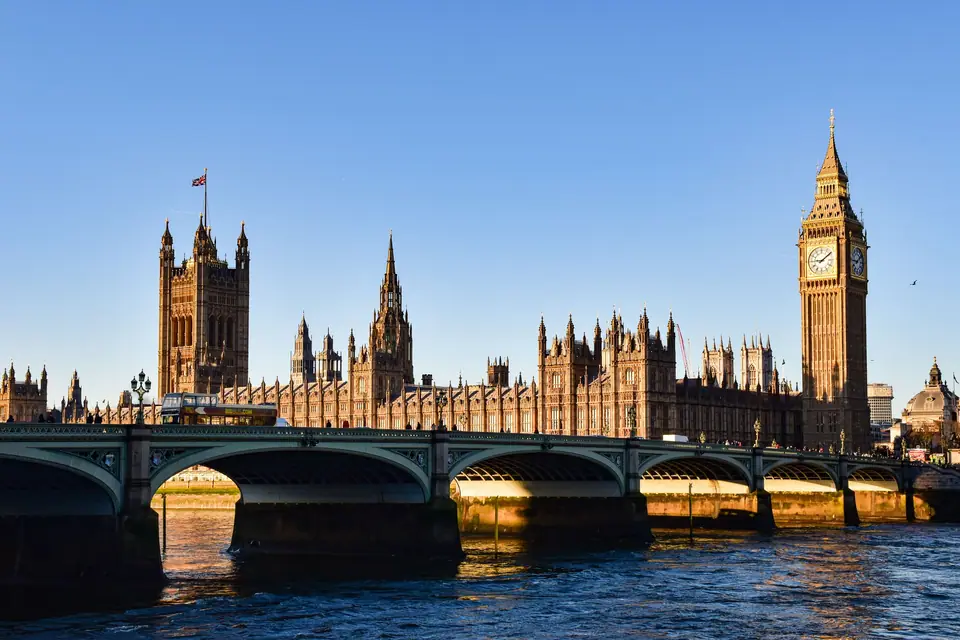
London
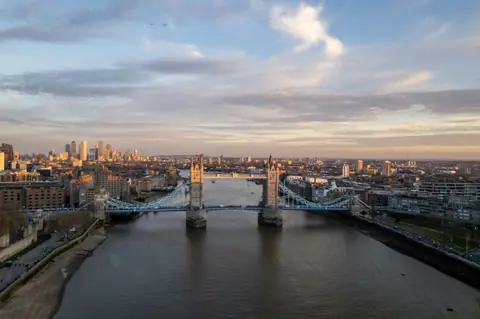
Royal palaces, free world-class museums, the Thames and a hundred neighbourhoods, each with its own pubs, markets and character.
Quick decisions
How many days?
3 days: Westminster, the Tower, one or two museums and the South Bank. 4 to 5 days: add Greenwich, a market Sunday and a West End show. 6 days or more: add a day trip to Windsor, Oxford or Bath.
Where should I stay?
Covent Garden and Soho: central, loud and expensive. Bloomsbury and King's Cross: calmer and well connected. South Bank: the river on your doorstep. More in our where to stay guide.
Do I need a car?
No. The Tube, buses and your own feet cover everything, central London has a daily congestion charge, and parking is scarce. Day trips are easier by train.
Best for
Museum lovers: most of the big national collections are free. First-timers: easy, English-speaking and well signposted. Families: dinosaurs, parks and river boats. Budget travellers: hard on hotels, kinder on everything else.
Before you go
Entry: most visitors, Europeans included, now need an ETA before travelling. Book ahead: the Tower of London, Westminster Abbey, the Sky Garden and shows. Pay: a contactless card or phone works on every London bus, Tube and local train.
Getting around
From the airports: the Elizabeth line or Heathrow Express from Heathrow, fast trains from Gatwick, Stansted and Luton. In the city: Tube, bus and walking. Details in our getting there guide.
Continue your trip
The Eurostar reaches Paris in about two and a quarter hours and Brussels in around two. Trains from King's Cross take about four and a half hours to Edinburgh, and Bath is around an hour and a half west.
Overview
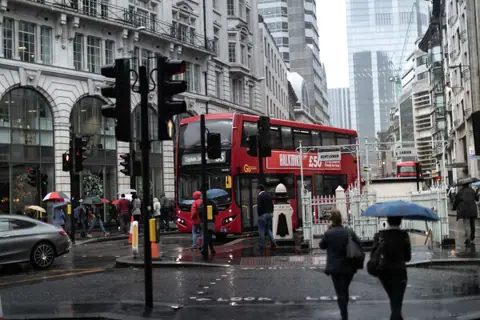
London is too big to see, so the trick is to choose. The city grew by swallowing villages, and it still behaves like a collection of them: Westminster's government buildings, the glass towers of the City, the Georgian squares of Bloomsbury, the markets of the East End and Southwark. Each has its own pace, and a great day usually means staying in one or two of them rather than crossing the whole map on the Tube.
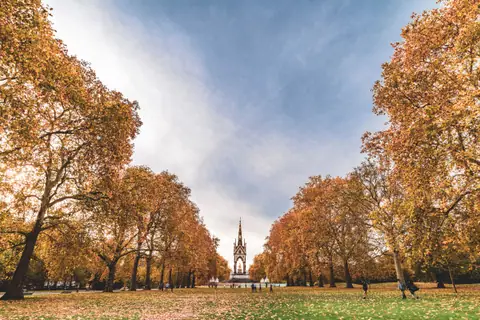
The good news is how much costs nothing. The British Museum, the National Gallery, Tate Modern and the Natural History Museum are all free, and so are the royal parks, the river walk along the South Bank and the view from Parliament Hill. Four or five days is a comfortable first visit. Start with our London travel guide.
Getting there
London has five main airports. Heathrow and London City are inside the city's boundary, while Gatwick, Stansted and Luton are further out but linked by fast trains. The Eurostar arrives at St Pancras. Our getting there guide compares every airport and explains how to pay for the Tube.
Where to stay
In London the choice of area matters as much as the hotel. Covent Garden and Soho put you in the middle of the theatres. Bloomsbury and King's Cross are quieter and have the best train links, and South Kensington suits museum trips and families. Our where to stay guide compares them.
Things to do
Most first trips start in Westminster, and our Westminster guide has a walking route from Parliament to Buckingham Palace. The free collections are compared in our museums guide, and the Tower, markets and viewpoints are in our things to do list.
Food and drink
London eats far better than its reputation. The pub is the place for a Sunday roast, and markets, from Borough Market to the food halls of King's Cross, cover the rest of the world. Some of the most interesting cooking is in the neighbourhoods: South Asian food in Tooting and Southall, Vietnamese along Kingsland Road. Check the bill before tipping, since many restaurants add a service charge.
Culture
The Romans founded Londinium almost two thousand years ago, and fragments of their wall still stand near the Tower. The Great Fire of 1666 destroyed the medieval city, so St Paul's and dozens of churches were rebuilt by Christopher Wren. The Blitz flattened whole districts again in 1940 and 1941, and the rebuilding is why a Wren church can now stand in the shadow of a glass tower.
Weather by month
London is warmest in July, with average highs around 23°C, and coldest in January, when nights drop to about 2°C. October is the wettest month, with rain on about 12 days. For mild weather with fewer rainy days, aim for June, July, August and September.
| Month | Low | Range | High | Rain | Rainy days |
|---|---|---|---|---|---|
| Jan | 2°C | 8°C | 61 mm | 12 d | |
| Feb | 3°C | 9°C | 54 mm | 11 d | |
| Mar | 4°C | 11°C | 58 mm | 13 d | |
| Apr | 5°C | 14°C | 40 mm | 10 d | |
| May | 9°C | 17°C | 57 mm | 11 d | |
| Jun | 12°C | 21°C | 61 mm | 11 d | |
| Jul | 14°C | 23°C | 60 mm | 11 d | |
| Aug | 14°C | 22°C | 57 mm | 10 d | |
| Sep | 12°C | 20°C | 64 mm | 11 d | |
| Oct | 9°C | 16°C | 77 mm | 12 d | |
| Nov | 5°C | 11°C | 66 mm | 11 d | |
| Dec | 4°C | 9°C | 66 mm | 12 d |
Averages of daily values from 2015 to 2024. Rainy days are days with at least 1 mm of rain. Source: Open-Meteo · Compare destinations by month.
London on the map
Every place we cover in London. Tap a category or pin to explore.
In-depth London guides
Browse the guides grouped by topic: sights, neighbourhoods, food, transport, day trips and trip planning.
Sights, Landmarks & Parks
Key monuments, viewpoints, museums and nature trails.
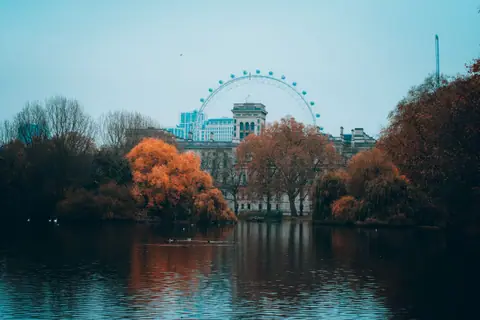
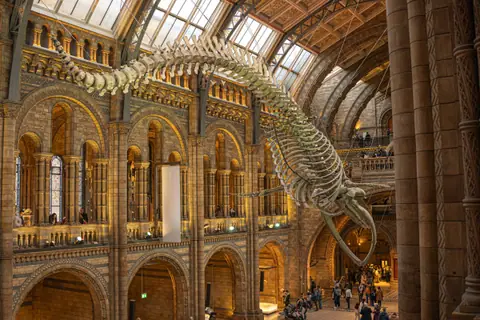
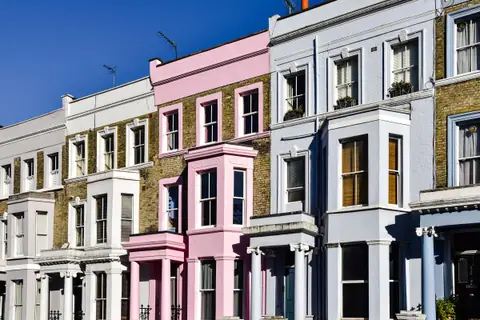
Neighbourhoods & Where to Stay
Districts, historic quarters and the best bases for your stay.
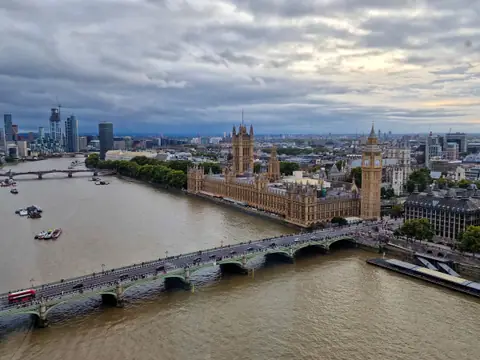
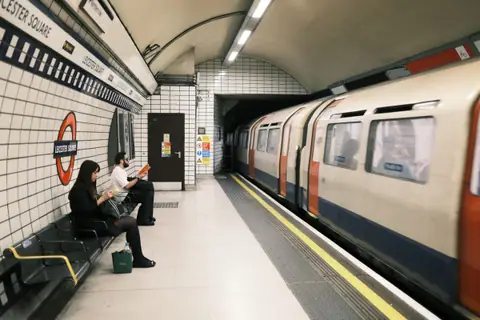
Getting Around & Arrival
Airport transfers, public transit, passes and driving rules.
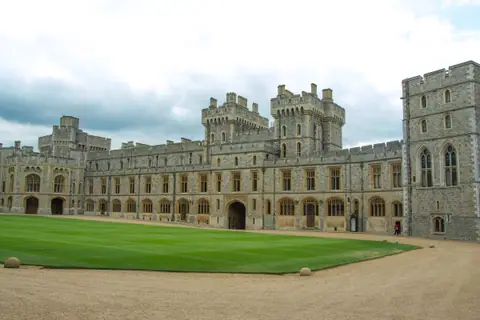
Day Trips & Excursions
Easy half-day and full-day trips from the city.
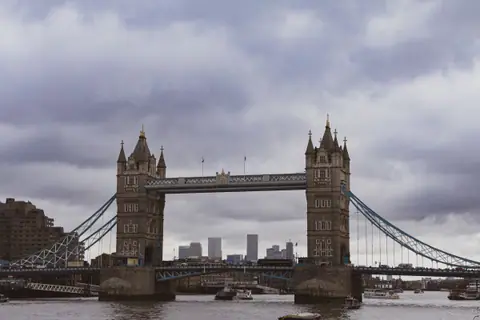
Trip Planning & Itineraries
When to visit, what to pack and day-by-day routes.
- London: What to Know Before You GoHow the city is laid out, how to pay for it, and the rules nobody explains.
- Best Time to Visit LondonLate spring and early autumn for walking, and why the weather matters less than you think.
- What to Wear in LondonA waterproof layer, shoes for walking and no need for anything formal.
- London 3-Day ItineraryThree days, one area at a time, with room for a pub and a park.
Need your embassy or consulate in United Kingdom? See embassies and consulates in United Kingdom.
Reviews
Log in to write a review.
No reviews yet.