Phuket
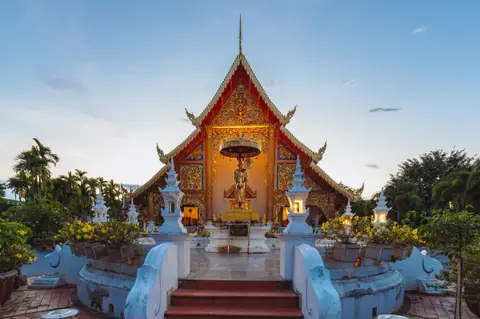
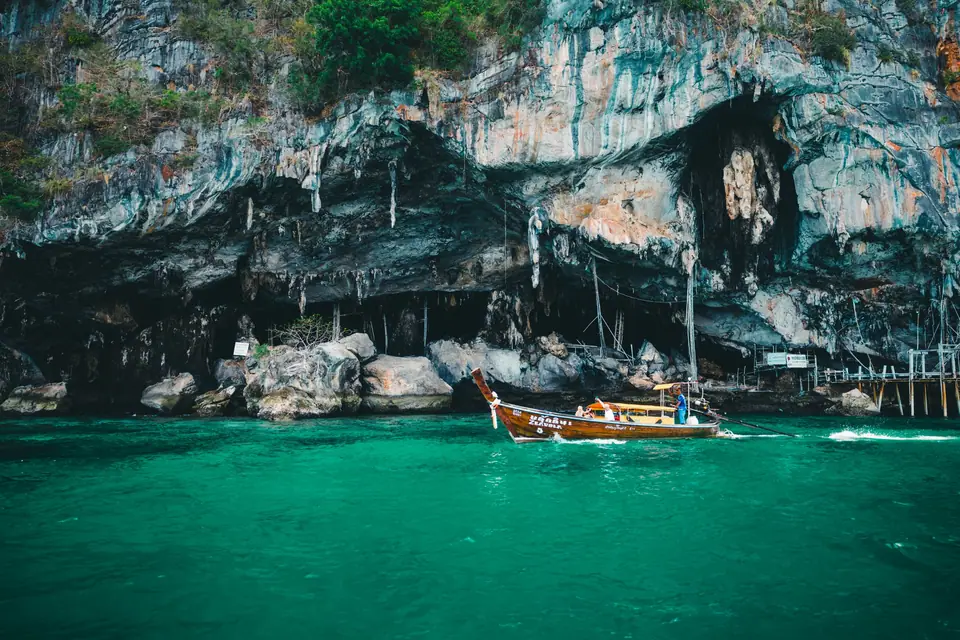
Pastel Sino-Portuguese shophouses along Thalang Road in Phuket Old Town, crescent Andaman beaches from Bang Tao to Kata and Nai Harn, limestone karsts in Phang Nga Bay and fiery southern Peranakan cooking.
Quick decisions
How many days?
3 to 5 days: west-coast beaches, Wat Chalong and Promthep Cape on day one, Phuket Old Town and Peranakan shophouse dining on day two, and a boat excursion across Phang Nga Bay or out to the Phi Phi Islands on day three. Follow our three-day route.
Where should I stay?
Kata, Karon & Nai Harn: curved golden-sand bays ideal for swimming in the dry season. Phuket Old Town: heritage shophouse boutiques and Michelin Bib Gourmand kitchens. Bang Tao & Surin: quieter northern resorts and beach clubs. Compare areas in our neighbourhood overview.
Do I need a car?
Not necessarily. The air-conditioned Phuket Smart Bus runs the length of the west coast from the airport down to Rawai, while Grab, Bolt and InDrive apps cover point-to-point hops without haggling.
Best for
Andaman beaches & islands: granite-framed coves and sheer limestone sea stacks. Heritage architecture: nineteenth-century tin-baron mansions and arcaded shophouses. Southern Thai & Baba-Nyonya cuisine: Hokkien noodles, crab yellow curry and braised moo hong.
Before you go
Match your travel dates to the Andaman monsoon calendar (west-coast surf can carry strong rip currents from May to October), and book early-departure boats for Phang Nga Bay. Read our practical briefing.
Getting around
From Phuket Airport (HKT): ride the Phuket Smart Bus south along the west-coast beaches or the orange Airport Bus into Phuket Old Town, or book a metered airport taxi or Grab. Details in arrival and transport.
Continue your trip
Direct two-hour flights link Phuket north to Chiang Mai and south to Singapore, while passenger ferries from Rassada Pier cross Phang Nga Bay to Koh Phi Phi and Krabi.
Overview
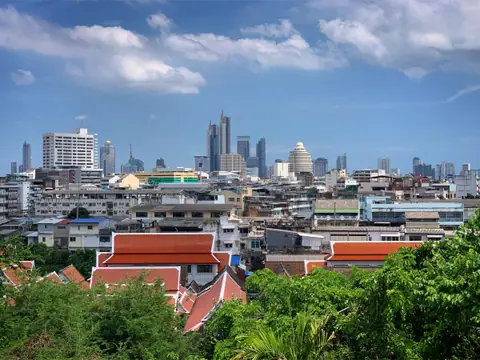
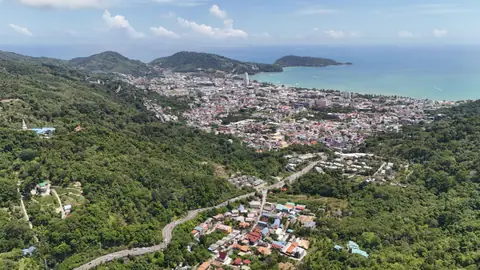
Thailand's largest island is often caricatured by a single neon strip in Patong, yet Phuket spans nearly fifty kilometres from the pine-fringed sands of Mai Khao in the north to the windswept headlands of Promthep Cape in the south. Long before beach resorts arrived, nineteenth-century tin-mining wealth drew Hokkien Chinese merchants, Penang Straits traders, Malays and Europeans to the island's inland capital, leaving behind the pastel Sino-Portuguese arcades and Peranakan mansions of Phuket Old Town.
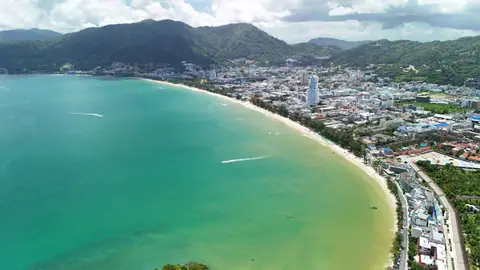
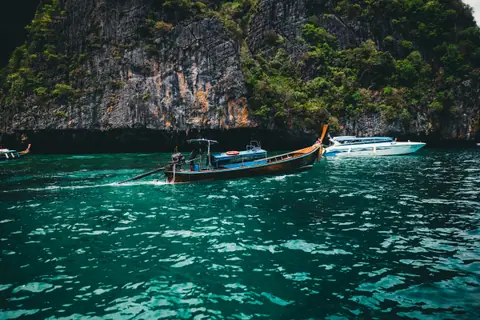
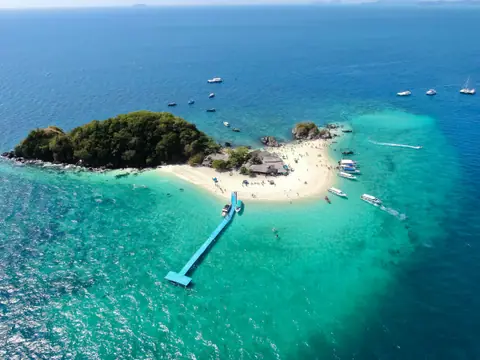
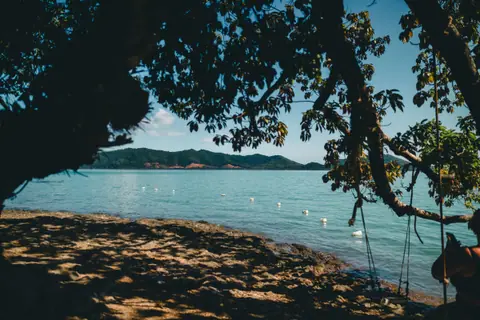
Along the western shore facing the open Andaman Sea, a chain of granite headlands separates crescent beaches from Bang Tao and Surin down to Karon, Kata, Freedom and Nai Harn, while the sheltered eastern coast looks across to the vertical limestone karsts of Phang Nga Bay and the turquoise lagoons of the Phi Phi archipelago. Pair a southern beach stay with northern temple culture in Chiang Mai, and start your planning with our practical briefing and top experiences.
Getting there
Phuket International Airport (HKT) sits at the northern tip of the island and welcomes direct international flights from across Asia, Europe and the Middle East alongside domestic connections from Bangkok and Chiang Mai. From the terminal, the coastal Phuket Smart Bus serves every major west-coast beach down to Rawai, while the orange Airport Bus terminates in Phuket Old Town. See how to get to Phuket and around the island.
Where to stay
Because Phuket is the size of Singapore, your choice of bay shapes your entire trip: families and swimmers gravitate toward Kata, Karon and Nai Harn in the south-west, food and architecture lovers spend a night or two in Phuket Old Town, and resort seekers head north to Bang Tao, Kamala and Surin. We compare the island's best areas in where to stay in Phuket.
Things to do
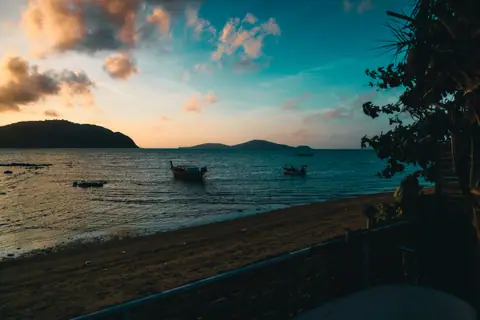
Stroll beneath the five-foot ways of Thalang Road and Soi Romanee in Phuket Old Town, swim in the granite-framed coves of Kata Noi, Nai Harn and Freedom Beach, visit Wat Chalong and watch the sun sink into the Andaman Sea from Promthep Cape, and cruise among the limestone towers of Phang Nga Bay or the Phi Phi Islands. See the full list in things to do in Phuket.
Food and drink
Recognised as a UNESCO Creative City of Gastronomy, Phuket fuses fiery Southern Thai flavours with Hokkien-Peranakan (Baba-Nyonya) heritage: wok-charred Phuket Hokkien mee noodles in prawn stock, slow-braised moo hong peppered pork belly, fragrant crab meat curry with betel leaves (gaeng poo bai chaplu), rich southern massaman curry and flaky morning roti with curry sauce.
Culture
Phuket's cultural heart beats strongest in its Chinese-Thai shrines (such as Jui Tui and Bang Neow), its conserved tin-era angmor lao mansions and its annual Nine Emperor Gods Vegetarian Festival each autumn, while sea-gypsy (Chao Leh / Urak Lawoi) fishing communities still maintain traditional coastal settlements around Rawai and Koh Siray on the south-eastern shore.
Weather by month
Phuket is warmest in April, with average highs around 34°C, and coldest in January, when nights drop to about 24°C. September is the wettest month, with rain on about 21 days.
| Month | Low | Range | High | Rain | Rainy days |
|---|---|---|---|---|---|
| Jan | 24°C | 32°C | 36 mm | 4 d | |
| Feb | 24°C | 33°C | 28 mm | 3 d | |
| Mar | 25°C | 34°C | 58 mm | 5 d | |
| Apr | 26°C | 34°C | 122 mm | 9 d | |
| May | 26°C | 32°C | 264 mm | 18 d | |
| Jun | 26°C | 32°C | 228 mm | 17 d | |
| Jul | 25°C | 31°C | 242 mm | 18 d | |
| Aug | 25°C | 31°C | 268 mm | 19 d | |
| Sep | 25°C | 31°C | 348 mm | 21 d | |
| Oct | 25°C | 31°C | 312 mm | 20 d | |
| Nov | 25°C | 31°C | 176 mm | 13 d | |
| Dec | 24°C | 31°C | 74 mm | 7 d |
Averages of daily values from 2015 to 2024. Rainy days are days with at least 1 mm of rain. Source: Open-Meteo · Compare destinations by month.
Phuket on the map
Every place we cover in Phuket. Tap a category or pin to explore.
In-depth Phuket guides
Browse the guides grouped by topic: sights, neighbourhoods, food, transport, day trips and trip planning.
Sights, Landmarks & Parks
Key monuments, viewpoints, museums and nature trails.
Neighbourhoods & Where to Stay
Districts, historic quarters and the best bases for your stay.

Food & Drink
Local dishes, markets, cafés and dining districts.
Getting Around & Arrival
Airport transfers, public transit, passes and driving rules.
Day Trips & Excursions
Easy half-day and full-day trips from the city.
Trip Planning & Itineraries
When to visit, what to pack and day-by-day routes.
- Phuket: What to Know Before You GoUnderstanding Phuket's fifty-kilometre scale, coastal transport, beach safety flags and Old Town customs.
- Best Time to Visit PhuketCalm turquoise Andaman seas from December to March, shoulder-season value, and southwest monsoon surf.
- What to Wear in PhuketBreathable linen for Phuket Old Town, UV rash vests and dry bags for island boats, and modest temple layers.
- Phuket 3-Day Itinerary: Old Town, West-Coast Bays and Phang NgaA three-day route combining southern beaches and Promthep Cape, Sino-Portuguese Phuket Old Town, and a Phang Nga Bay cruise.

Need your embassy or consulate in Thailand? See embassies and consulates in Thailand.
Reviews
Log in to write a review.
No reviews yet.