


























Photo: Diliff · CC BY-SA 3.0
Walking the Bar Walls and Stepping Inside York Minster
York Minster and the 3.4-kilometre medieval Bar Walls form the monumental stone core of this historic northern city.
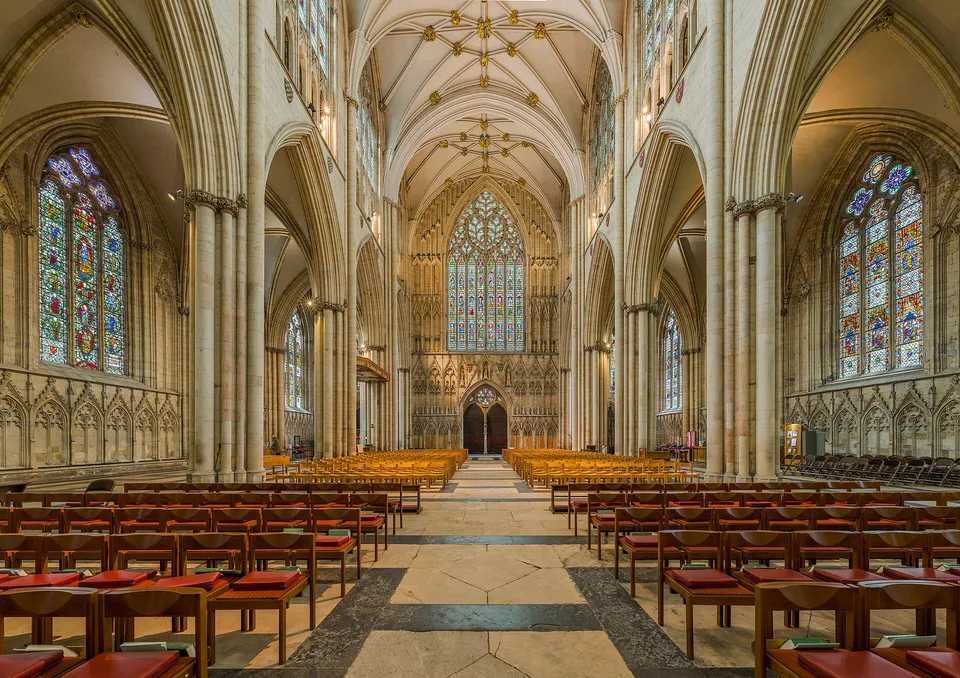
York Minster and its encircling 3.4-kilometre stone ramparts present England's longest surviving medieval town circuit alongside northern Europe's largest Gothic cathedral nave. We begin our visit beneath the vast vaulting of the main vessel. Stone construction commenced around 1220 and concluded with the final consecration in 1472. The cathedral incorporates early Gothic transepts, a Decorated nave, an octagonal Chapter House, and a massive Perpendicular eastern choir. Light filters across the limestone flags through medieval stained glass panels saved during regional conflicts. When mapping out a broader stay through our weekend walking route in York, allocating unhurried morning time here reveals master craftsmanship shaped across two and a half centuries. Because this remains an active seat of Christian worship, sightseeing pauses during Sunday morning services until early afternoon. Special religious services or state occasions can also suspend tourist admissions at short notice.
At the far eastern end of the choir rises the Great East Window. Master glazier John Thornton of Coventry completed this work between 1405 and 1408. Its expanse contains over 300 individual panels that narrate biblical events from Creation to Revelation. Masons and conservators carefully removed, documented, and cleaned these delicate glass shields between 2005 and 2018 before reinstating the entire matrix. Standing before the altar screen, we can observe intricate figures rendered in silver stain and rich pot-metal tones.
Undercroft Museum and the Central Tower Climb
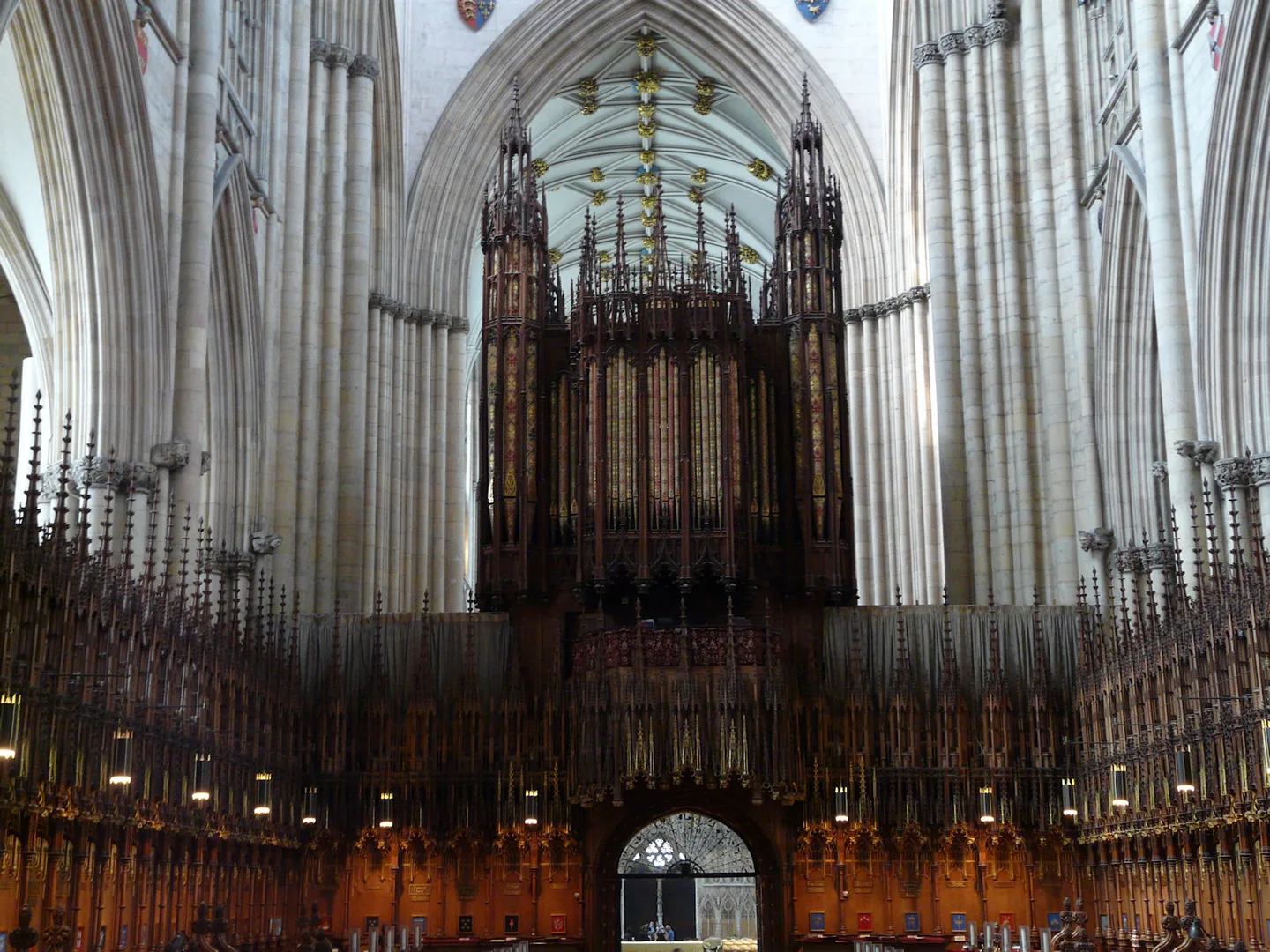
Descending beneath the choir brings us into the Undercroft Museum, where modern walkways suspend visitors over ancient Roman masonry. Sturdy stone columns from the headquarters building of the Roman fortress remain visible right beneath the medieval piers. Standard admission covers these subterranean galleries alongside the ancient Crypt and the vaulted Chapter House. General entry tickets also include free guided floor tours across the cathedral interior. General entry tickets remain valid for 12 months from purchase. They allow up to four children aged 17 and under to enter free per paying adult. Directly behind the east front stands the National Trust Treasurer's House, constructed over the Roman Via Decumana in its cellars. Consult the VisitorFactsBox below for exact seasonal opening dates and weekly timetables.
For those seeking rooftop vistas over the Vale of York, the Central Tower ascent climbs 275 narrow stone spiral steps. Safety regulations exclude children under the age of 8 from attempting this steep climb. The ascent demands steady footing and stamina, making it unsuitable for individuals with vertigo, heart conditions, or severe breathing difficulties. High winds or wet weather can prompt staff to suspend tower visits temporarily.
Roman Eboracum and the Four Fortified Bars
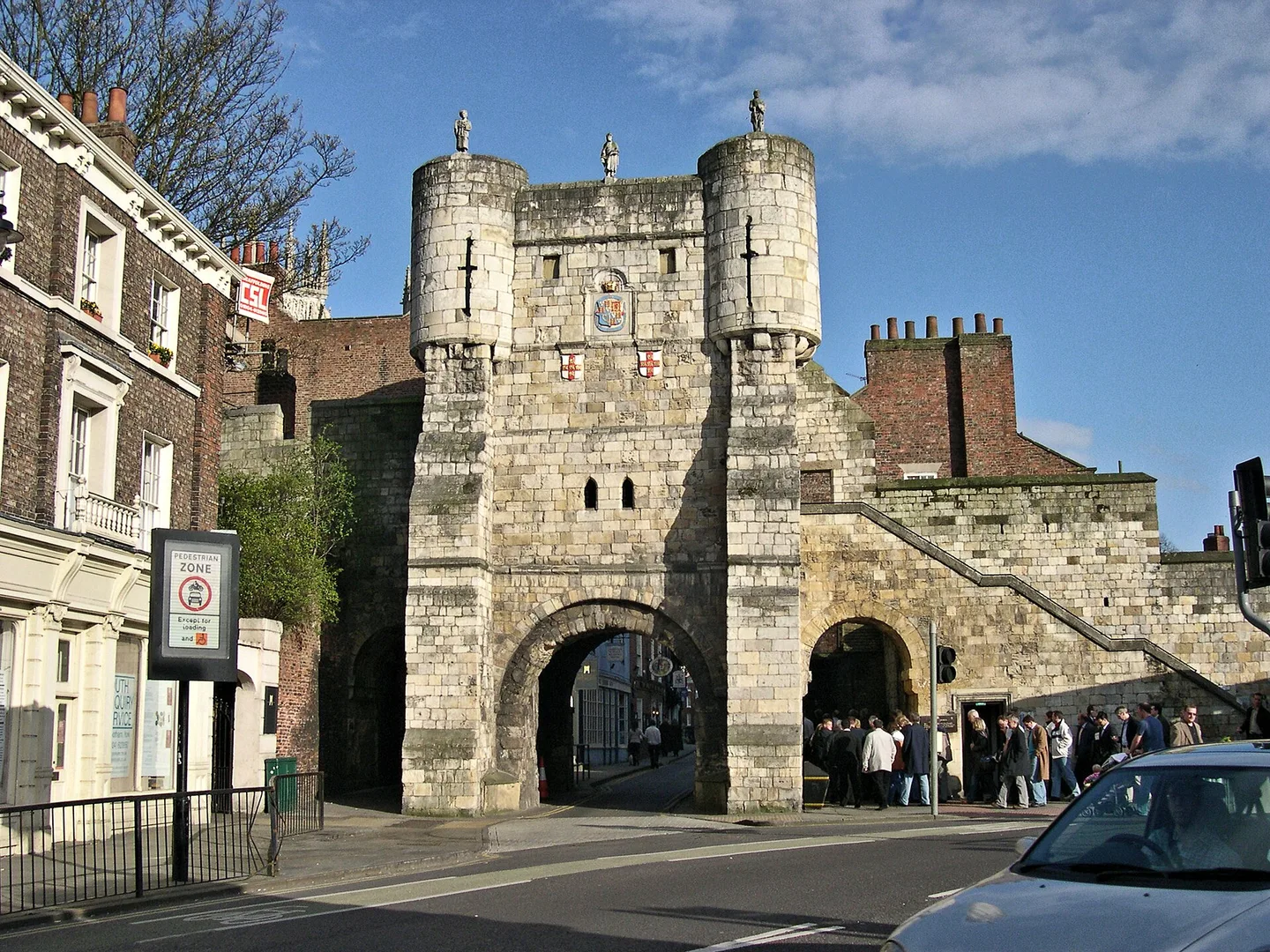
Stepping outside the cathedral precincts introduces us to centuries of military defences that began in 71 AD. Soldiers of the Roman Ninth Legion established the fortress of Eboracum along the River Ouse, shaping the urban outline. We can still see the finest standing Roman masonry at the Multangular Tower, constructed around 315 AD inside Museum Gardens. Surviving Roman core masonry also sits near Bootham Bar and Monk Bar along the northern ramparts. In local dialect, fortified gateways take the title of Bars, while streets retain the Old Norse suffix of -gate, meaning street. Thus Stonegate, Petergate, and Walmgate lead directly toward these medieval defensive portals. If you are looking for other notable spots, consider our guide covering historic highlights across York.
Most of the elevated stone ramparts standing today date from the 13th and 14th centuries, raised over earlier earthen ramparts. Four main gatehouses punctuate the boundary:
- Bootham Bar stands directly beside the cathedral and retains its outer portcullis groove.
- Monk Bar guards the northeast approach with multiple defensive storeys.
- Walmgate Bar protects the southeast sector, preserving England's only surviving 14th-century barbican.
- Micklegate Bar commands the southwest road, completing the network of main gates.
Walking the Elevated Circuit and Gate Schedules
Completing the entire 3.4-kilometre circuit along the stone ramparts takes approximately 2 hours at an easy walking pace. Between Walmgate Bar and the River Foss, we pass Fishergate Postern Tower, constructed around 1505 across four stone storeys with a spiral stair. Dedicated volunteer stewards welcome visitors into this tower on select dates. The elevated walkway offers changing sightlines toward the cathedral towers, medieval parish roofs, and secluded residential gardens. Combining this walk with details from our comprehensive York destination guide provides clear orientation between the river crossings and primary market squares.
Municipal council staff open the gates to the walls each morning, with access details listed in the VisitorFactsBox below. The access gates lock anti-clockwise starting from Fishergate Postern Tower at dusk. Evening closures happen earliest during winter months and latest across June and July. In freezing conditions, rangers check indicator stretches at Bishophill, Lendal Bridge, and Lord Mayor's Walk at opening time. Because low winter sunlight fails to melt frost on shaded flagstones, sections can remain shut all day during icy periods, high winds, or masonry repairs.
Official prices and opening hours
- York Minster (General Admission)Official site ↗
- York Minster Central Tower ClimbOfficial site ↗
- York City Walls (Bar Walls)Official site ↗
Where it is
- 1Walking the Bar Walls and Stepping Inside York Minster
- Leeds Bradford Airport (LBA) · about 39 km from here in a straight line
- Directions in Google Maps
Stations and taxi ranks: OpenStreetMap. Airports: OurAirports. Distances are in a straight line.
Traveller tips
Real advice from people who have been to York. Every tip is read by our team before it goes live.
No tips yet. Been here? Yours could be the first.
Thank you! Your tip will appear here after a quick review.
More in York
Continue exploring York with related neighbourhood, food, and planning guides
Two Days Walking York from the City Walls to the Railway Museum
York, United Kingdom

Rail Connections, Footstreets, Park & Ride and Seasonal Weather in York
York, United Kingdom
Roman Foundations, Viking Coppergate and Railway Heritage in York
York, United Kingdom
Where to Stay in York: Rail Termini, Footstreets Lanes and Riverside Quays
York, United Kingdom
