A detailed architectural route across golden-limestone Mardin overlooking the Mesopotamian Plain, tracing Artuqid madrasas, Syriac Orthodox monasteries, Dara, and Midyat.
Cliff Citadel Above Mesopotamia, Syriac Monasteries and Artuqid Stonework
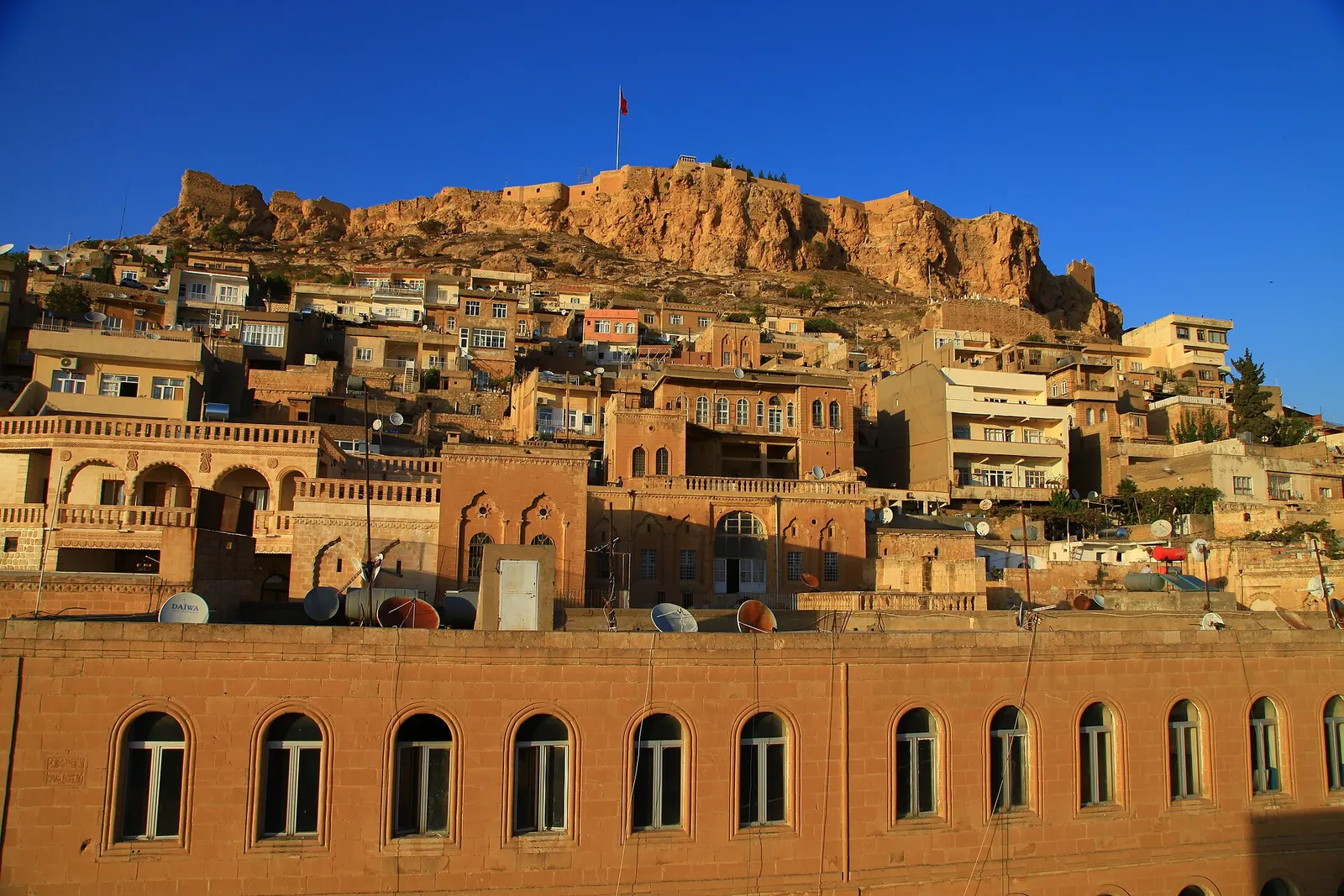
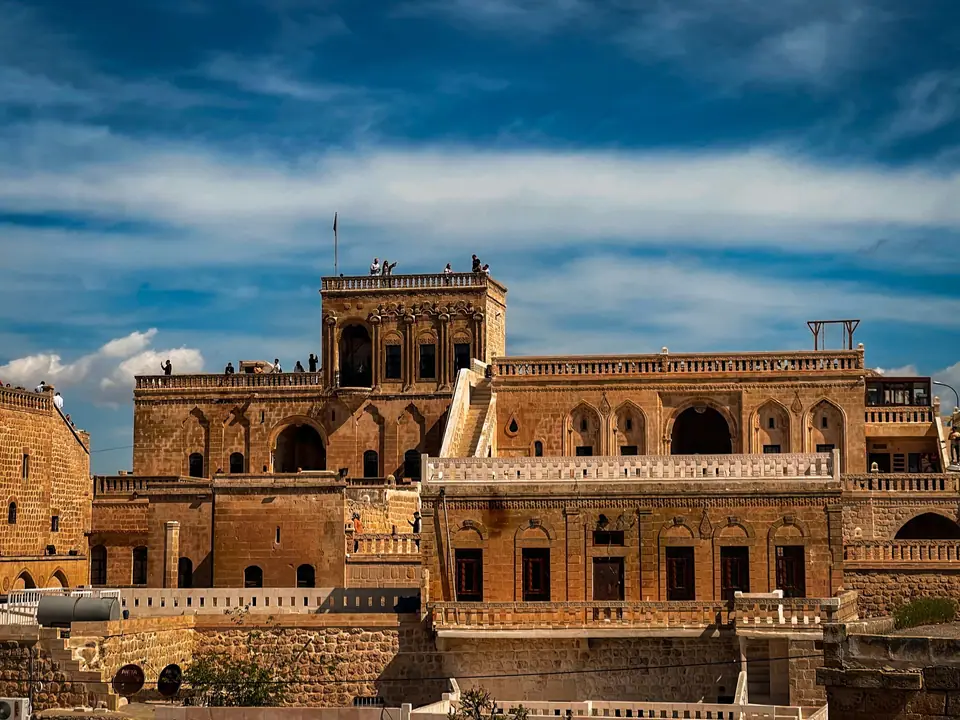
Cascading down a steep south-facing limestone escarpment below the Eagle's Nest Citadel (Kal'at Marida) overlooking the vast northern Mesopotamian plain toward Syria, Mardin has been inhabited since the Assyrian and Roman eras, when the nearby frontier fortress city of Anastasiopolis (Dara) guarded the Byzantine border against the Sasanian Empire. From the fourth century onward, the surrounding Tur Abdin plateau became the monastic heartland of Syriac Christianity, anchored by Mor Gabriel (AD 397) and Deyrulzafaran Monastery (AD 493).
Under the Artuqid dynasty between the twelfth and fifteenth centuries, Mardin acquired its honey-colored carved stone madrasas (Zinciriye and Kasımiye), fluted-dome mosques, and vaulted street tunnels (abbaras) designed so no rooftop ever blocks its neighbour's view of the plain.
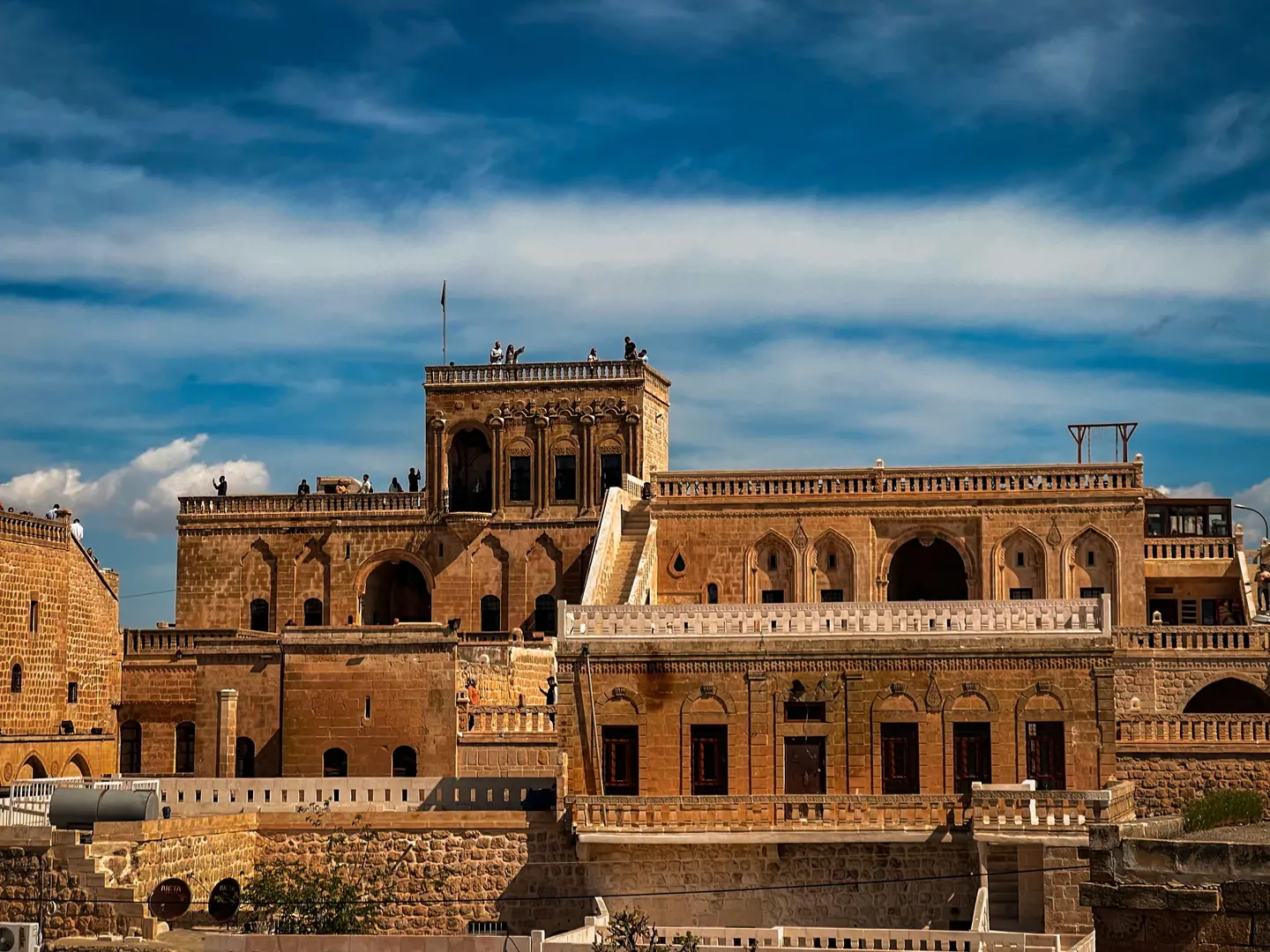
Birinci Cadde, Ulu Cami & Zinciriye Madrasa
Republic Square & Mardin Museum (Former Syriac Catholic Patriarchate), Mor Behnam Forty Martyrs Church Kırklar Kilisesi, Latifiye Mosque, Mardin Ulu Cami Great Mosque Fluted Minaret, Şehidiye Mosque, Revaklı Çarşı Sipahiler Bazaar, and Sultan İsa Zinciriye Madrasa (1385)
Mardin Castle
Perched dramatically above the old quarter, this fortification has guarded the Mesopotamian plains since Roman times. While current military use restricts access to the interior grounds, its soaring stone ramparts define the skyline. Travellers can examine the rocky crag foundations and outer defensive works from vantage points directly below.
Zinciriye Madrasa
Commissioned in 1385 by Sultan Isa, this monumental complex occupies an elevated terrace beneath the citadel. The structure features deeply ribbed cupolas, an intricate stone portal and a courtyard fountain designed to symbolise the human life cycle. Its high location provides expansive panoramas across the Mesopotamian plain.
Mardin Great Mosque
Originally erected in the late twelfth century under the Artuqid dynasty, the Great Mosque represents one of the region's finest examples of medieval Islamic architecture. The surviving minaret exhibits delicate stone teardrop carvings and historical inscriptions. Inside, a broad prayer hall rests on heavy stone piers beside an open flagstone courtyard.
Şehidiye Mosque
Founded in the early thirteenth century by the Artuqid ruler Melik Mansur Nasreddin Artuk Aslan, this complex sits directly along Birinci Cadde. Its multi-tiered minaret, rebuilt in 1916, blends Islamic stonework with ornate Syrian design elements. Visitors can admire the tranquil open terrace and traditional cross-vaulted prayer chambers.
Latifiye Mosque
Completed in 1371 by Abdullatif Bey, this mosque rests slightly downhill from the main thoroughfare. The southern gateway features magnificent geometric relief work and carved timber doors preserved through the centuries. An arched portico frames the paved courtyard, creating a calm retreat within the dense stone urban layout.
Mor Behnam Church
Dating to 569, this historic place of worship serves as a cornerstone of the local Syriac Christian community. The sanctuary contains ancient stone reliefs, ornate wooden choir stalls and rare block-printed religious curtains. Bell towers and manicured courtyards reflect centuries of uninterrupted liturgical tradition in upper Mesopotamia.
Mardin Museum
This striking three-storey mansion was erected in 1895 as a religious patriarchate before conversion into a public museum. The building displays arched loggias, detailed balustrades and golden limestone ornamentation. Galleries inside hold excavated artefacts ranging from Bronze Age pottery to Roman jewellery and Artuqid coinage.
Mardin Republic Square
Located along Birinci Cadde, this public square marks the dividing point between several historic walking routes. It provides immediate access to administrative offices, local shops and elevated promenades. The square functions as a central meeting area where travellers pause to view historic sandstone facades across the terraced streets.
Revaklı Çarşı
Also known as Sipahiler Bazaar, this vaulted commercial corridor dates back to the seventeenth century. Symmetrical stone arches flank both sides of the thoroughfare, shading shops that specialise in regional metalwork, soaps and textiles. The covered design demonstrates ingenious regional adaptation to harsh summer heat.
Kayseriye Covered Bazaar
Positioned just north of the Great Mosque, this historic market hall was established during the fifteenth century. It features cross-vaulted corridors lined with stone merchant stalls selling copper utensils, jewellery and roasted nuts. Restoration work has preserved the solid masonry construction and cool interior atmospheric conditions.
Sakıp Sabancı Mardin City Museum
Constructed as an Ottoman army barracks and tax office, this imposing limestone building now houses exhibits on civic history and urban life. Carefully curated photographs, crafts and daily artefacts tell the story of the city's diverse cultural traditions. The Dilek Sabancı Art Gallery on the lower level hosts rotating art exhibitions.
Bab-ı Sor Mosque
Erected in the fourteenth century during the Artuqid period, this modest stone sanctuary takes its name from the city's historic southern gate. The building features an elegant fluted dome and a restrained prayer hall that exemplifies domestic masonry techniques. It provides a peaceful example of early neighbourhood religious architecture.
Mor Petrus and Pavlus Church
Founded in the latter half of the nineteenth century, this church illustrates the architectural exchange between local stonemasons and foreign mission societies. The rectangular basilica plan includes carved capitals, high ceiling vaults and refined window surrounds. Its courtyard offers fine perspectives over surrounding stone houses cascading down the slope.
Mor Cercis Church
Constructed of local beige limestone, this ancient church remains an integral fixture of the eastern old town. Its interior preserves thick stone piers, ancient icons and traditional Syriac script inscriptions carved into stone slabs. The serene, enclosed grounds provide respite from the busy shopping streets uphill.
Reyhaniye Mosque
Built in the late fifteenth century, this mosque is recognised for its unique octagonal minaret decorated with geometric moldings. The prayer hall is covered by a central dome supported by solid arches that demonstrate sophisticated late Artuqid engineering. Its stepped approach highlights the terraced nature of the urban landscape.
Melik Mahmut Mosque
Also known as Bab Es Sur Mosque, this religious complex was commissioned around 1368 by the Artuqid prince Melik Mahmut. The grand entrance gate contains intricate arabesque reliefs and monumental calligraphy comparable to contemporary madrasa architecture. Inside, the barrel-vaulted prayer space retains its tranquil original layout.
Mungan House
This expansive residential compound represents the classic domestic architecture developed by prosperous local merchant families. The property displays sprawling summer terraces, open-air eyvans and detailed limestone lintels carved by Armenian masters. It illustrates how local builders cleverly adapted private homes to catch prevailing breezes.
Mar Hirmiz Chaldean Catholic Church
Constructed in the seventeenth century, this church serves as the historic centre for the local Chaldean community. The interior showcases a high stone altar, historic paintings and distinct bilingual inscriptions in Arabic and Syriac. Thick ashlar walls insulate the nave against both winter chills and fierce summer heat.
Kasımiye Madrasa
Completed in 1469 by the Aq Qoyunlu ruler Sultan Kasım, this sprawling limestone complex lies southwest of the town centre. It incorporates two levels of student cells arranged around an expansive courtyard with a ceremonial water basin. The adjoining tomb chamber and mosque section exhibit refined stonework and vaulted ceilings.
Virgin Mary Church
Constructed in 1895 beside the old patriarchate, this church is distinguished by its intricate arcade and decorative bell tower. Slender colonnades, carved capitals and delicate relief work characterise the bright stone interior. The building highlights the architectural sophistication achieved by regional craftsmen at the turn of the twentieth century.
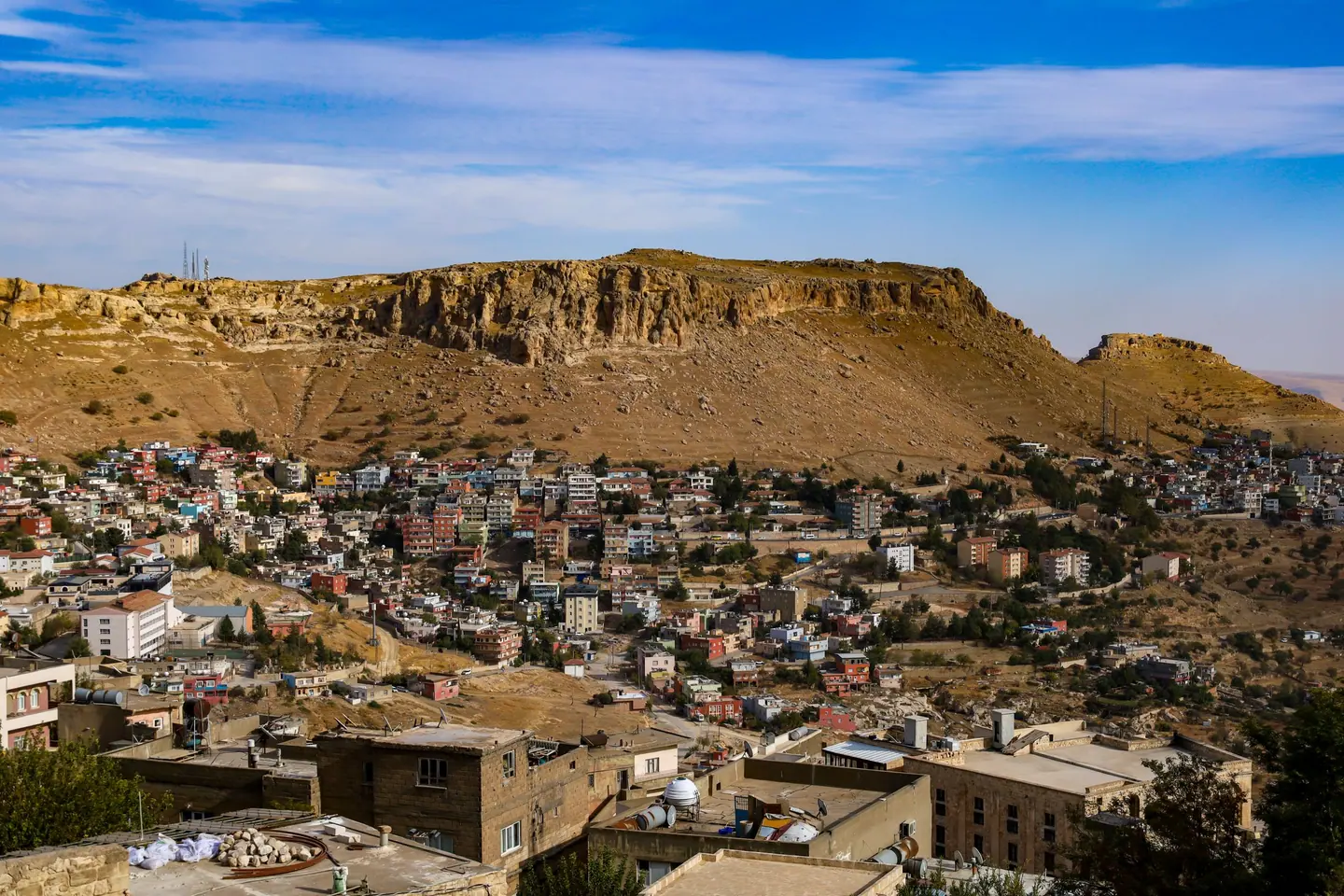
Abbara Vaulted Lanes, Stone Mansions & Sabancı Museum
Şahtana Konağı Old Post Office, Sakıp Sabancı Mardin City Museum & Dilek Sabancı Art Gallery, Firdevs Köşkü, Surur Han, Kayseriye Bedesten, Tellallar Copper & Silver Bazaar, Ulu Cami Abbaras, Mor Yusuf Surp Hovsep Armenian Church, and Mardin Castle Viewpoint
Şahtana Mansion (Old Post Office)
Built in 1890 by the noble Şahtana family, this multi-tiered limestone mansion later served as the regional post office. Architect Lole designed the structure with classical Artuqid motifs, deep iwan terraces, and elaborate stone relief carvings. Visitors can inspect the open courtyards, ornamental colonnades, and sweeping views across the Mesopotamian plain.
Sakıp Sabancı Mardin City Museum
Commissioned by Ottoman governor Enis Pasha in 1889 as a military cavalry barracks, the building was later restored by the Sabancı Foundation. The museum displays ethnographic artefacts, archival photographs, and displays illustrating the craft traditions of the province. The ground floor connects directly to the Dilek Sabancı Art Gallery, which holds temporary modern art exhibitions.
Dilek Sabancı Art Gallery
Forming the lower level of the historical barracks, this gallery presents rotational exhibitions by Turkish and international artists. The architecture features exposed ashlar barrel vaults and thick limestone masonry that create a cool subterranean ambience. We recommend noting how modern photographic and sculptural installations contrast with the historic late-Ottoman masonry walls.
Firdevs Köşkü
Erected during the reign of Artuqid ruler Al-Malik al-Zahir in the early fourteenth century, this summer pavilion stands on the southern slopes below the main town. The pavilion features a central iwan that originally channelled mountain spring water through a sequence of stone cascades and pools. The surrounding terrace retains centuries-old pomegranate orchards and walnut groves.
Surur Han
Constructed during the late seventeenth century, Surur Han served regional trade caravans journeying between Diyarbakır and Aleppo. The rectangular complex surrounds a central courtyard bordered by vaulted stables on the ground floor and merchant guest rooms upstairs. Today, the restored stone vaults contain traditional craft workshops and tea rooms serving wild pistachio coffee.
Kayseriye Bedesten
Commissioned around 1500 during the reign of Aq Qoyunlu ruler Sultan Kasim, this covered bazaar was intended for the sale of luxury goods. The interior features a central vaulted avenue flanked by individual lockable stone chambers with arched doorways. Stone carvers, spice merchants, and traditional textile weavers continue to operate out of these compact historical shops.
Tellallar Copper and Silver Bazaar
Occupying a series of narrow stepped corridors, this guild bazaar remains the centre of local metalworking. Artisans here practice the ancient Syriac craft of telkari, forming delicate jewellery from fine silver threads hammered by hand. Open workshop fronts allow visitors to observe coppersmiths shaping cauldrons and trays using traditional wooden mallets and anvils.
Ulu Cami Abbaras
These barrel-vaulted stone passages, known locally as abbaras, thread beneath domestic buildings to provide right of way across steep terrain. The tunnels surrounding the Great Mosque link upper and lower alleys while offering crucial shade during harsh summer months. Note the massive supporting keystones and how residential rooms were built directly across the public thoroughfare.
Mor Yusuf (Surp Hovsep) Armenian Church
Dedicated in 1894, Mor Yusuf served the Armenian Catholic community of Mardin until the early twentieth century. The basilica features three distinct naves separated by pairs of monumental Corinthian-style stone columns supporting a high clerestory. Elaborate liturgical reliefs, including chalice motifs and grapevine borders, ornament the raised stone altar and baptismal font.
Mardin Castle Viewpoint
Perched on the steep limestone ridge directly below the active military citadel, this elevated viewpoint offers an unobstructed vista across the tiered townscape. Visitors can identify major minarets, church towers, and the open horizontal expanse of the northern Syrian plains. The platform is best observed in late afternoon when the low sun deepens the golden hue of the stone facades.
Kasımiye Medrese
Started by the Artuqids and completed by the Aq Qoyunlu ruler Sultan Kasim in 1469, this two-storey theological school showcases sophisticated hydraulic design. Water flows from an upper iwan through carved channels representing human life stages into a large courtyard basin. The compound includes student cells, a vaulted tomb chamber, and an adjacent domed mosque.
Zinciriye Medrese
Built in 1385 by the Artuqid sultan Isa Bey, this sprawling complex sits just below the citadel cliffs. The school features two symmetrical fluted domes, an open courtyard with a rectangular pool, and deep carved muqarnas decoration around its tall entrance portal. Isa Bey was briefly imprisoned inside his own foundation following his capture by Timur in 1401.
Mardin Museum
Constructed in 1895 as the administrative headquarters for the Syriac Catholic Patriarchate, this building was converted into the regional archaeological museum in 1995. The halls display Bronze Age cylinder seals, Roman glassware, and Byzantine coinage recovered from excavations across Upper Mesopotamia. The three-storey facade features intricately carved window pediments and open balustrades overlooking Cumhuriyet Square.
Great Mosque of Mardin
Commissioned in 1176 by Artuqid ruler Qutb al-Din Ilghazi, the Great Mosque remains the architectural anchor of the old quarter. Its massive drum supports an exterior fluted dome, while the cylindrical minaret features bands of kufic inscriptions and delicate relief foliage. Inside, the broad prayer hall has transversal barrel-vaulted bays supported by heavy limestone pillars.
Mor Behnam (Kırklar) Church
Founded in 569 to honour the fourth-century martyr Saint Behnam and his sister Sarah, this active Syriac Orthodox church retains its ancient liturgical traditions. The sanctuary features heavy ashlar masonry, a broad tripartite stone altar, and carved walnut doors dating from the seventeenth century. Inscriptions written in the Syriac alphabet adorn the choir enclosure and memorial wall tablets.
Bab es-Sur (Diyarbakır Gate)
This robust limestone archway once formed the western gate through Mardin's protective ramparts, regulating traffic arriving from Diyarbakır and the north. Although large sections of the surrounding defensive walls were dismantled during late-Ottoman modernization, the stone portal retains its defensive arch profile and flanking stonework. The gate marks the transition into the dense medieval street network.
Mor Hobil (Saint Gabriel) Church
Tucked deep inside the eastern residential quarter, Mor Hobil is an intimate stone chapel that long served local Christian tradesmen. The chapel features barrel-vaulted nave bays, plain lime-washed interiors, and traditional stone niches for holy books. Its modest walled forecourt shields the interior from the surrounding alleys and contains centuries-old inscribed funerary markers.
Latifiye Mosque
Commissioned in 1371 by Abdullatif bin Abdullah, a senior minister to the Artuqid court, this mosque displays exceptional decorative stonework. The northern entrance gate contains deep honeycombed muqarnas vaulting and delicate floral arabesques carved into local yellow limestone. Inside, a broad courtyard gives access to a vaulted prayer hall and a square-based minaret added in the nineteenth century.
Eski Hükümet Konağı
Constructed in the late nineteenth century as the provincial seat of the Ottoman governor, this sprawling limestone building dominates the upper road. The structure uses neoclassical European administrative proportions combined with regional Mardin stone masonry and arched window frames. Its extensive elevated terraces provide panoramic sightlines over the southern domestic terraces and gardens.
Sıtti Radviyye (Hatuniye) Medrese
Commissioned around 1185 by Sitti Radviyye, the mother of Artuqid ruler Kutbeddin Ilgazi, this religious school contains two storeys of vaulted chambers surrounding an iwan. The complex incorporates a square mausoleum housing the tombs of the founder and her family. Inside the adjoining prayer room, a stone reliquary preserves a carved impression venerated as the Prophet Muhammad's footprint.
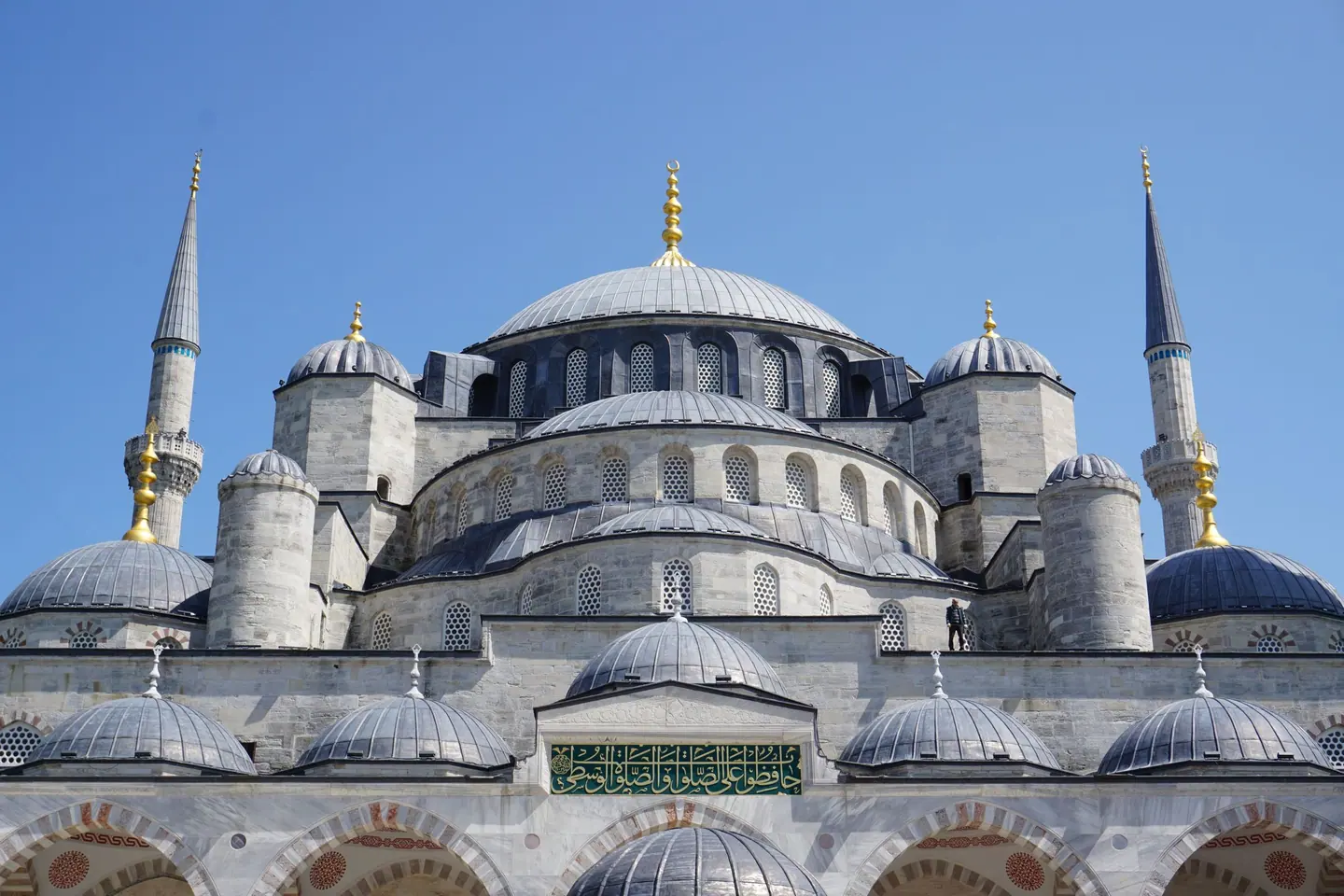
Kasımiye Madrasa, Deyrulzafaran Monastery & Plain Viewpoints
Kasımiye Madrasa Pool of Life & Mesopotamian Plain Sunset, Bab es-Sur Gate, Savurkapı Quarter, Melik Mahmut Mosque, Deyrulzafaran (Mor Hananyo) Syriac Orthodox Monastery & Sun Temple Foundation, and Mor Yakup Church Nusaybin
Kasımiye Madrasa
Commissioned initially by the Artuqids and completed under the Aq Qoyunlu dynasty in 1469, this two-storey stone madrasa centres upon a vaulted courtyard. Its architecture integrates ornate iwan arches, a small mosque chamber and student cells carved from warm local limestone. We observe astronomical carvings and stone inscriptions flanking the grand entrance portico.
Kasımiye Pool of Life
Flowing through the central courtyard of the madrasa, this famous fountain and basin system allegorises human life through Islamic philosophy. Water trickles from a narrow source representing birth, widens through youth, narrows during old age, and settles into an expansive basin symbolising eternity. The architectural precision allows cooling breezes to circulate throughout the stone galleries.
Kasımiye Plain Viewpoint
Positioned on the southern terrace outside the madrasa walls, this vantage point provides an unobstructed sweep across the northern Syrian plateaus. The topography falls steeply southward, illustrating why medieval rulers chose this defensible limestone shelf for major academic and military foundations. Sunset alters the limestone tones from pale amber to deep copper.
Bab es-Sur Gate
Also known as the Savur Gate, this historic entrance formed part of the protective circuit defending medieval Mardin from eastern incursions. Although much of the curtain wall crumbled over centuries, the masonry around the portal reveals basalt foundation layers and traditional defensive alignments. Travellers passed through this threshold when arriving along ancient regional trade routes.
Savurkapı Quarter
Spreading around the site of the old eastern gate, this neighbourhood preserves dense ensembles of traditional stone architecture built into the hillside. Covered passages, known locally as abbaras, run beneath private residences to allow public circulation through the steep gradient. Ornate masonry lintels and decorative window grills distinguish many of the centuries-old merchant houses.
Melik Mahmut Mosque
Erected in the fourteenth century by the Artuqid ruler Melik Salih, this compact mosque features an ornate stone portal adorned with muqarnas vaulting and geometric arabesques. Inside, ribbed masonry vaults shelter a serene prayer chamber that retains early Islamic decorative motifs. The tomb of its founder rests in an adjoining stone-domed chamber off the entrance courtyard.
Deyrulzafaran Monastery
Founded in the late fifth century on the site of a pagan temple, this fortress-like monastic complex served as the patriarchal seat of the Syriac Orthodox Church for centuries. Constructed from golden-hued limestone, it features three main churches, expansive cloisters and historic living quarters. Extensive renovations have preserved the intricate Syriac inscriptions and hand-carved wooden fittings.
Deyrulzafaran Sun Temple Foundation
Deep beneath the main church lies a subterranean chamber constructed without mortar, originally dedicated to solar worship around the first millennium BC. Massive interlocking limestone blocks form a flat ceiling that distributes weight through dry-stone architectural engineering. A small east-facing slit window admitted the dawn sun to illuminate ritual ceremonies in antiquity.
Church of Mor Hananyo
Rebuilt in the late fifth century by architects Theodosius and Theodore, the cathedral church contains an original stone dome supported on squinches. Ancient frescoes remain visible on the plaster walls, complemented by a sixteenth-century walnut patriarchal throne carved with biblical verses. The acoustics of the stone choir stalls enhance traditional Syriac liturgical chanting.
Saints and Patriarchs Vault of Deyrulzafaran
Located beneath the eastern wing of the monastery, this vaulted chamber serves as the final resting place for dozens of Syriac Orthodox spiritual leaders. Niches set into the thick stone walls hold seated burials according to ancient traditions of the church. The entrance retains carved stone memorials recording the dates and titles of long-departed bishops.
Mor Yakup Church Nusaybin
Constructed in 313 AD in ancient Nisibis, this monumental church is among the oldest surviving ecclesiastical buildings in northern Mesopotamia. Corinthian capitals, classical friezes and Greek inscriptions attest to the transitional period between Roman imperial rule and early Christian architecture. The lower crypt contains the stone sarcophagus of Saint Jacob, who helped defend the city.
Nisibis Archaeological Excavations
Archaeological work around Mor Yakup has uncovered the porticoed streets and stone colonnades of Nisibis, an important frontier outpost of the late Roman Empire. Paved thoroughfares and carved column drums demonstrate the civic scale of this border fortress city. The ruins provide context for the famous fourth-century School of Nisibis theological academy.
Zeynel Abidin Mosque Complex
Occupying ground next to the church of Mor Yakup, this historic religious complex incorporates a mosque, tomb and madrasa founded during the twelfth century. The architectural layout reflects centuries of multi-faith coexistence along the Syrian frontier. Inside the domed mausoleum lie shrines dedicated to descendants of the Prophet, decorated with tiles and calligraphy.
Gül Mosque
Positioned along the stepped lanes of the old quarter, this modest stone mosque features architectural elements typical of late Artuqid masonry. Its square-based minaret rises above surrounding domestic rooftops, offering a marker for navigation through the dense townscape. The prayer room retains vaulted stone bays designed to keep the interior cool through arid summers.
Mar Behnam Church
Also called Kırklar Kilisesi, this church features a broad nave divided by massive stone columns topped with carved capitals. The walled courtyard contains quiet gardens, bell towers and clergy residences that preserve a long ecclesiastical heritage. Inside, centuries-old liturgical curtains printed with natural tree-bark dyes hang before the stone high altar.
Hacı Ömer Camii
Constructed during the Ottoman period to serve local craftsmen, this mosque showcases classic regional masonry on a compact scale. The single dome sits upon pendentives over a square prayer hall illuminated by deep-set stone windows. We observe decorative mouldings along the cornice and well-preserved geometric stonework around the mihrab.
Mor Ephrem Monastery
Erected in 1884 on the upper slopes of the city, this monastery is dedicated to Saint Ephrem the Syrian, an influential theologian and poet. The complex includes an expansive multi-level stone terrace, vaulted dormitories and a chapel adorned with marble accents. Elevated positioning offers panoramic vistas toward both the historic citadel and open plains.
Mor Petrus and Pavlus Church
Built during the late nineteenth century to serve Mardin's Protestant community, this rectangular church displays clean masonry lines and neo-classical window frames. The interior is characterised by tall limestone arches that support timber-beamed ceilings. Recent conservation initiatives have preserved the building as a cultural venue while maintaining its historic church features.
Siti Radviyye Madrasa
Dating to 1177, this early Artuqid educational foundation houses the tomb of Sultan Isa along with historic stone-vaulted classrooms. The main courtyard incorporates a traditional fountain basin and an open iwan turned toward the southern light. Inside the mausoleum, a stone footstep imprint attributed to the Prophet draws visitors and architectural historians alike.
Savur Castle
Commanding a steep limestone outcrop north of the regional centre, this medieval fortress watched over the river valley and regional mountain paths. The surrounding town mirrors Mardin with tiers of terraced stone mansions climbing the rock face. Portions of the upper citadel walls and ancient cisterns remain visible on the summit perimeter.
Ancient City of Dara (Anastasiopolis) & Beyazsu Valley
Dara Rock-Cut Necropolis Gallery Tomb, Dara Great Underground Cistern Dungeon, Dara Agora & Colonnaded Street, Roman Bridge and Flood Dam of Dara, Great Cavern Cistern, Marin Merdis Ruins, and Beyazsu Stream Oasis
Dara Rock-Cut Necropolis Gallery Tomb
Carved directly into the hillside during the reign of Emperor Anastasius I, this three-tiered communal tomb holds hundreds of early Byzantine skeletal remains. Friezes depicting the resurrection of Ezekiel and Christian crosses decorate the entrance portico. Visitors can walk among rock-hewn sarcophagi and deep ossuary chambers illuminating ancient Eastern Roman mortuary rites.
Dara Great Underground Cistern Dungeon
Constructed in the sixth century to supply imperial troops during Sasanian sieges, this vast vaulted reservoir reaches depths of several storeys. Local lore long misidentified the structure as a dungeon due to its cavernous gloom and heavy stone arches. Sturdy hydraulic mortar still coats the inner walls beneath dramatic stone pillars.
Dara Agora and Colonnaded Street
Forming the administrative and commercial spine of Anastasiopolis, this stone-flagged avenue hosted market stalls and public ceremonies. Excavations have revealed curbs, drainage channels, and bases for porticoes that shaded merchants from the Mesopotamian sun. Traces of ancient cart ruts remain visible in the limestone flags beside surviving shop foundations.
Roman Bridge and Flood Dam of Dara
Engineered under Emperor Justinian to regulate the turbulent Cordes stream, this structure is among the earliest known arch dams in classical antiquity. It protected the fortress town from seasonal mountain flash floods while directing water into defensive moats and civic channels. Solid stone masonry, sluice gates, and buttresses demonstrate late Roman hydraulic competence.
Great Cavern Cistern of Dara
Located near the city centre, this second major reservoir mirrors the scale of imperial waterworks in Constantinople. Deep vaults supported by square pillars allowed Anastasiopolis to withstand extended Persian blockades across the frontier. Descending modern metal stairs reveals Roman water-level markers and sediment collection basins cut into solid stone.
Northern City Walls and Towers of Dara
These defensive walls formed the outer shield against Sasanian cavalry charges across the northern plateau. Built with dressed ashlar blocks and lime mortar, the ramparts featured projecting rectangular bastions designed for archers and artillery engines. Today, substantial foundation blocks and arrow slits survive against the rugged limestone landscape.
South Gate of Anastasiopolis
The monumental southern gateway once received imperial couriers and military expeditions marching from Nisibis. Thick flanking bastions and an inner barbican ensured defensive control over all vehicular traffic entering the lower city. Massive lintel fragments and hinge sockets carved into the threshold stones survive at the site.
Dara Episcopal Basilica
Serving as the metropolitan church for the regional bishopric, this large basilica was constructed under imperial patronage following the town's founding. Archaeologists have uncovered a central nave, side aisles, and the semicircular synthronon where clergy assembled. Fragments of marble cladding and carved capital motifs attest to its liturgical prominence.
Dara Olive Oil Workshop and Press
Excavations revealed this complex of stone counterweights, press beds, and collection vats intended for large-scale agricultural production. Olive oil provided essential lighting, nutrition, and military supplies for the stationed imperial garrisons. The preservation of drainage channels demonstrates how civic engineers integrated industry directly within the fortified circuit.
Dara Rock-Hewn Sarcophagus Field
Spread across the rocky upper terrace above the necropolis galleries, these individual sarcophagi accommodated civic officials and prosperous citizens. Many tombs were carved straight out of the native rock with gabled stone lids sealing the chambers. Inscriptions and Christian iconography appear weathered along the margins of several exposed burial plots.
Marin Castle Ruins
Commanding a steep limestone ridge northeast of Dara, Marin Castle served as an auxiliary defensive outpost for regional dynasties. The site preserves collapsed curtain walls, rock-cut cisterns, and vaulted watchtowers that surveyed trade corridors towards Tur Abdin. Its elevated position offers panoramic views over the rolling steppes of upper Mesopotamia.
Merdis Ruins and Rock Dwellings
Scattered along the slopes surrounding old Marin, these rock-cut dwellings served ancient troglodytic communities and later military garrisons. Passages, niches, and storage silos were chipped out of the soft sedimentary stone across successive centuries. They illustrate the vernacular rock-carving traditions prevalent throughout the Tur Abdin borderland region.
Beyazsu Stream Oasis
Flowing through a steep limestone valley between Midyat and Nusaybin, the Beyazsu Stream creates a microclimate rich in walnut trees and reed beds. Traditional wooden seating platforms built directly over the cold spring waters provide rest for travellers across the plateau. The stream also serves as a drinking water source for regional towns.
Beyazsu Valley Aqueduct System
Engineers from the Roman, Byzantine, and Ottoman eras utilised the Beyazsu drainage basin to supply settlements on the plains below. Remnants of stone channels, bridge arches, and distribution conduits track along the valley floor. These functional works reveal continuous hydraulic adaptation over two millennia of regional settlement.
Dara Citadel Acropolis
Positioned on the highest natural hill inside the defensive circuit, the acropolis held the military governor's headquarters and ultimate redoubt. Heavy stone revetments bolstered the hillside against sappers and battering rams during Persian incursions. From the summit, visitors look down across the entire urban layout of Anastasiopolis.
Dara Roman Barracks Foundations
Anastasiopolis was established specifically as a base for thousands of comitatenses soldiers guarding the eastern border. These excavated masonry foundations reveal the orderly layouts of barracks, mess halls, and equipment depots. Fragments of roof tiles, storage amphorae, and weapon parts were discovered during modern clearing operations.
Marin Merdis Byzantine Church Ruins
Standing amid the limestone terraces of Marin, this ruined chapel preserves carved door lintels and apse foundations typical of Tur Abdin churches. Syrian Orthodox and Byzantine decorative themes intermingle across surviving relief carvings of grapevines and equal-armed crosses. It provided liturgical focus for monastic recluses living in nearby cliff caves.
Dara Public Baths Complex
Constructed along the urban water line, the public baths provided hygienic and recreational facilities for the Roman legionaries. The site reveals brick-built hypocaust pillars that circulated steam beneath the hot rooms, as well as plastered cold pools. Its architecture reflects metropolitan Roman civic standards applied directly to an exposed frontier station.
Dara West Gate and Water Conduit
This portal accommodated local pedestrian traffic while managing water drainage through the city walls towards surrounding fields. Specially designed iron grilles and narrow sluices historically prevented enemy infiltrators from entering the city via the water course. The surviving stonework shows precise interlocking joints designed to resist mechanical assault.
Beyazsu Upper Canyon Viewpoint
Perched above the Beyazsu gorge, this natural rock vantage point contrasts the arid limestone wilderness of Mardin with the emerald riparian valley floor. Looking south, travellers observe the cleft through which vital water courses have flowed towards Upper Mesopotamia since prehistoric times. It serves as an informative geographic vantage for understanding regional settlement patterns.
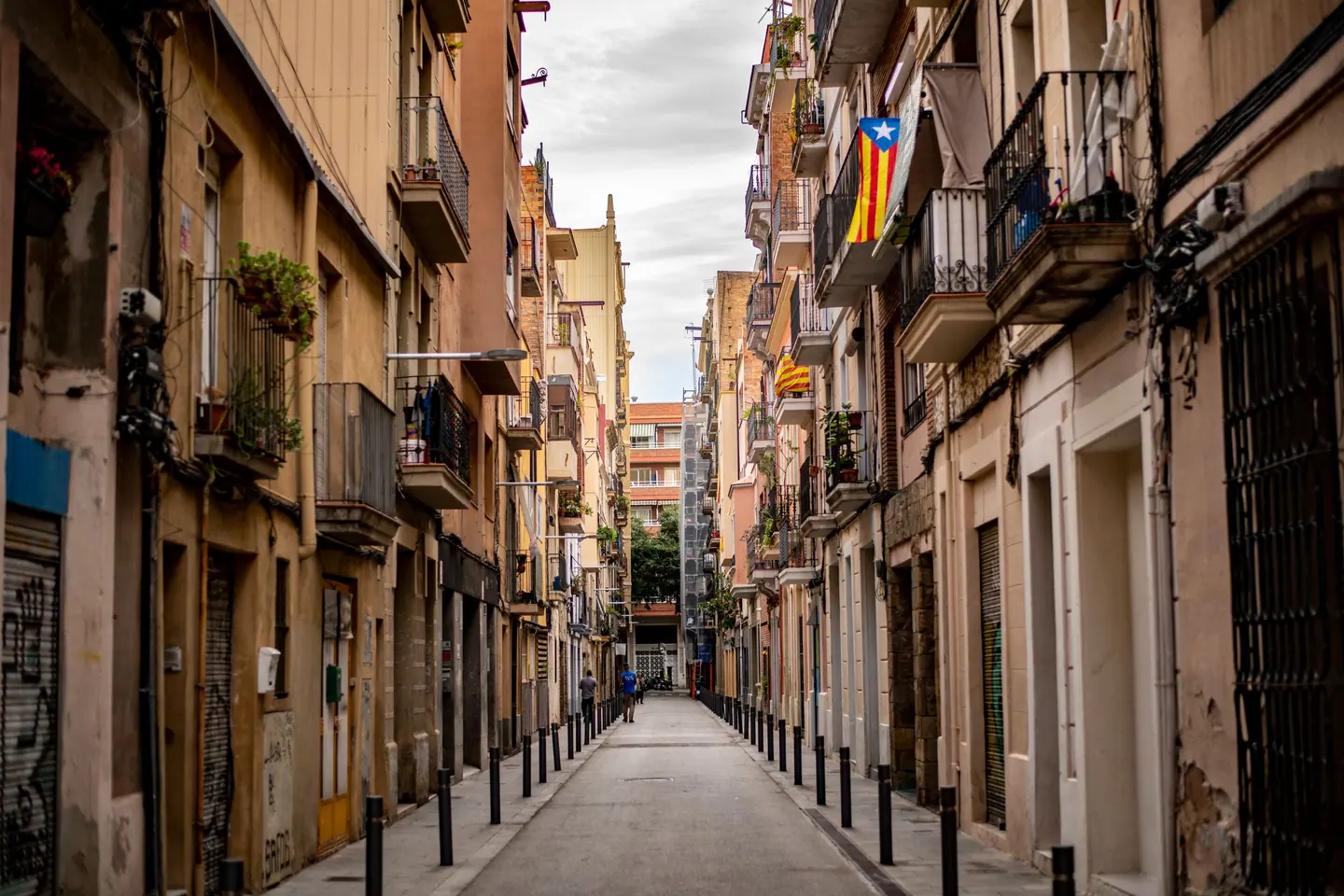
Midyat Old Stone Quarter, Mor Gabriel & Savur
Midyat Konuk Evi State Guest House, Gelüşke Han, Midyat Telkari Silver Filigree Bazaar, Mor Barsavmo Church, Mor Gabriel Monastery (Deyrulumur, AD 397), Hah (Anıtlı) Virgin Mary Church, and Savur Hacı Abdullah Bey Konağı
Midyat Konuk Evi State Guest House
Perched at the highest point of historic Midyat, this classic Syriac mansion showcases multi-level courtyards, decorative relief carvings, and open colonnades. Constructed from regional yellow limestone, the residence offers wide views over the stone flat-roofed quarter. Visitors can explore the preserved upper rooms, cantilevered balconies, and a deep bedrock water cistern.
Gelüşke Han
Constructed in 1903 by local Syriac merchants, this two-storey caravanserai served as a central trading point for cross-border caravans traversing Upper Mesopotamia. The ground-level vaulted chambers originally sheltered pack animals, while traders lodged in the upper stone rooms. Today, the central cobbled courtyard accommodates open-air teahouses and artisanal workshops demonstrating traditional regional trades.
Midyat Telkari Silver Filigree Bazaar
Centred along the narrow stone alleyways of the old quarter, this bazaar preserves the ancient craft of telkari, where silversmiths twist delicate threads of melted silver into intricate jewellery. Syriac masters have maintained these workshops for centuries, passing techniques down through family lineages. The shops display finished brooches, necklaces, and ceremonial objects made directly at on-site workbenches.
Mor Barsavmo Church
Rebuilt on ancient foundations during the nineteenth century, this active sanctuary serves the local Syriac Orthodox congregation in the town centre. The building features thick masonry walls, ashlar relief motifs, and an imposing belfry rising over the compound. Within the nave, visitors find carved stone liturgical lecterns, traditional woven curtains, and historic Syriac inscriptions.
Mor Akhsnoyo Church
Dating back to the fourth century with later mediaeval additions, this church commemorates the famous theologian Mor Akhsnoyo. The walled grounds contain an austere vaulted nave, low-arched doorways designed to encourage humility, and ancient burial vaults beneath the flagstones. Exterior bas-relief crosses and classical Syriac epigraphs adorn the yellow limestone lintels.
Mor Sharbel Church
Standing as one of Midyat's most recognisable ecclesiastical landmarks, Mor Sharbel remains a vital place of worship for the town's Christian population. The church complex is dominated by an intricate square bell tower that rises high above the surrounding residential roofs. Inside, classical barrel vaults support an elevated stone sanctuary embellished with ceremonial textile banners.
Midyat Cevat Paşa Mosque
Commissioned in 1915 and finished in 1925, this mosque combines regional Ottoman architecture with Midyat's distinctive stone masonry traditions. Its cylindrical minaret is adorned with geometric floral motifs carved directly into the soft ashlar stone blocks. Inside, a central stone dome rests on squinches, illuminating a prayer hall finished with local decorative detailing.
Matiate Underground City
Discovered during municipal conservation work beneath the old town, this vast subterranean refuge stretches across thousands of square metres. The complex includes grain silos, animal stalls, water wells, and early Christian prayer spaces carved directly into limestone bedrock. Historians believe residents used these subterranean shelters for centuries during periods of external invasion.
Mor Abraham Monastery
Established by fifth-century ascetics, this quiet monastery sits amid olive groves just outside the residential perimeter of town. The property contains two historic chapels, residential quarters for monks, and the tomb of its founder, Saint Abraham. Its stone courtyard retains ancient carved friezes, barrel-vaulted passages, and traditional monastic gardens.
Mor Gabriel Monastery
Also known as Deyrulumur, this is one of the world's oldest functioning Christian monasteries, founded by Mor Shmuel and Mor Shemun. The sprawling complex incorporates fifth-century Byzantine mosaics commissioned by Emperor Anastasius, high-vaulted chapels, and the monumental Beth Qadishe mausoleum containing saintly relics. Monks and nuns still reside here, maintaining liturgical prayers in classical Syriac.
Hah Virgin Mary Church
Situated in the village of Anıtlı, this sanctuary reputedly dates from the early centuries AD, linked by local legend to the Biblical Magi. The central square hall is crowned by an octagonal drum and stone dome supported by intricate carved arches and Corinthian-style pilasters. Surrounding external walls form a defensive citadel that sheltered villagers during regional conflicts.
Mor Sobo Church Ruins
Standing a short walk from the Virgin Mary Church, this ruined cathedral highlights the historic status of Hah as a regional bishopric. Visitors can trace the expansive footprint of the grand nave, fallen triumphal arches, and massive ashlar wall sections. Weathered stone capitals and fragmented relief motifs remain visible across the semi-collapsed aisles.
Mor Dimet Church
Constructed in the sixth century, this rural Syriac church has served the village of İzbırak through centuries of continuous habitation. The compound consists of a massive limestone wall protecting a barrel-vaulted prayer hall, a modest bell gable, and historical tombs. Its carved doorway features early Christian geometric borders and foundational inscriptions in Estrangelo Syriac.
Mor Gabriel Hermitage Caves
Dotted along the craggy hillsides enclosing the main monastic complex of Mor Gabriel, these rock-cut caves were used by early Christian hermits for solitary contemplation. Simple niches, carved benches, and soot-marked prayer spaces survive within the bedrock interiors. They illustrate the intense monastic asceticism that defined early ecclesiastical life throughout the Tur Abdin region.
Kafro Mor Jacob Church
Located in Elbeğendi, this ancient church dedicated to Saint Jacob forms the spiritual anchor of a historically evacuated village rebuilt by returning diaspora families. The building exhibits classic Tur Abdin stone architecture, featuring thick defensive ashlar walls, deep window embrasures, and a carved altar table. The interior contains meticulously restored liturgical fittings and traditional church textiles.
Savur Hacı Abdullah Bey Konağı
Dating to the late nineteenth century, this multi-tiered mansion embodies the aristocratic stone domestic architecture of historic Savur. The residence features expansive stepped terraces, cantilevered stone bay windows, and grand reception chambers with painted timber ceilings. Its open balconies offer direct panoramas over the verdant orchard valley and neighbouring stone dwellings.
Savur Castle
Dominating the rocky crag above the settlement, this fortress likely has Roman or Byzantine origins, though later Islamic rulers modified its bastions. The site preserves eroded curtain walls, rock-cut storage cisterns, and foundational fragments of watchtowers. Its high vantage point grants expansive views across the terraced town roofs and the valley below.
Savur Old Bazaar
Weaving through the lower tier of town, this historic market street has supported merchants, blacksmiths, and regional farmers for generations. Built from locally quarried stone, the modest arched shops open directly onto worn stone flagstones. The bazaar remains a centre for purchasing regional agricultural produce, dried fruit, hand-pressed soaps, and traditional textiles.
Mor Yuhannon Church
Dedicated to Saint John, this secluded sanctuary represents Savur's historical Syriac Christian community. The church features an enclosed outer courtyard, low stone doorways, and vaulted nave construction typical of Upper Mesopotamian parish architecture. Inside, visitors can view ancient oil lamps, stone-carved icon stands, and commemorative funerary inscriptions set into the masonry.
Dereiçi Mor Yuhanun Monastery
Set in the rural village of Dereiçi, this venerable monastic retreat was constructed during the height of early Christian monasticism in Tur Abdin. Enclosed by tall protective perimeter walls, the complex encompasses vaulted chapels, historical monks' cells, and ancient subterranean burial chambers. Detailed masonry arches and stone carvings illustrate the architectural skill of its early builders.
Walking First Avenue and Visiting the Tur Abdin Plateau
Our main Mardin guide covers airport arrivals, neighbourhood bases and multi-day pacing to complement this walk; see also our full collection of city route guides.