Charleston
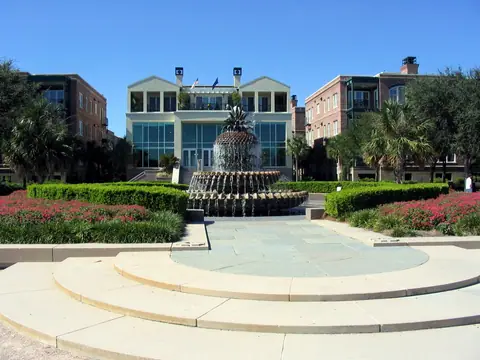
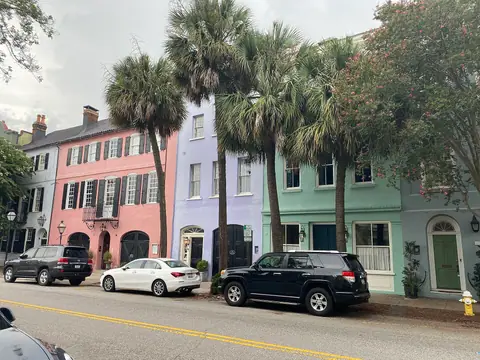
South Carolina's historic harbour peninsula (founded 1670), where the pastel Georgian townhouses of Rainbow Row, the seawall promenade of The Battery and the Pineapple Fountain meet Fort Sumter, centuries-old live-oak gardens, Gullah Geechee sweetgrass basketry and the Atlantic waves of Folly Beach and Sullivan's Island.
Quick decisions
How many days?
3 to 4 days: walk the French Quarter, Waterfront Park (Pineapple Fountain), Rainbow Row, The Battery and City Market on day one, take the morning ferry to Fort Sumter and explore King Street and the International African American Museum on day two, visit Middleton Place or Boone Hall plus the Angel Oak Tree and Folly Beach on day three, and explore Shem Creek and Sullivan's Island on day four. Follow our multi-day route.
Where should I stay?
Historic Downtown (French Quarter, Market & King Street): walk to every restaurant, mansion and harbour pier without a car. Mount Pleasant & Patriots Point (Across the Cooper River): waterfront hotels connected to downtown by the Charleston Water Taxi at lower nightly rates. Folly Beach or Isle of Palms: oceanfront stays 20 minutes out. Compare bases in our lodging guide.
Do I need a car?
No for the Downtown Historic Peninsula; yes for the Angel Oak, plantations and beaches. Leave your car in a City of Charleston municipal garage and explore the peninsula on foot, by pedicab or aboard the all-day Charleston Water Taxi.
Best for
18th-century architecture & secret gardens: pastel 'Charleston Single Houses', cobblestone alleys and wrought-iron gates. American history: Fort Sumter, USS Yorktown and the International African American Museum. Acclaimed Lowcountry dining: she-crab soup, oyster roasts and shrimp and grits.
Before you go
Unlike Savannah, Charleston strictly bans open alcohol containers on streets, and book dinners 30 days ahead: carrying a drink on the pavement carries a heavy fine in Charleston, and top restaurants (Husk, FIG, Hall's Chophouse) open reservations 30 days out. Read our practical briefing.
Getting around
From Charleston International Airport (CHS, 20 mins northwest on I-26) or Amtrak Station: an easy 20-minute Uber or CARTA Express bus into the peninsula. Details in arrival and transport.
Continue your trip
Drive 2 hours south down US-17 through Beaufort and Hilton Head to Savannah, Georgia.
Overview
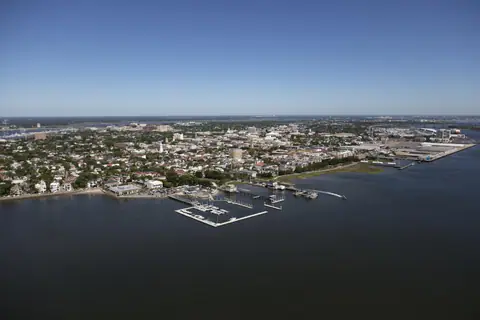
Founded in 1670 as Charles Town by English colonists and set on a narrow, flat peninsula where the Ashley and Cooper Rivers join to form Charleston Harbor, on the ancestral homeland of the Cusabo, Etiwan, Kiawah and Sewee Peoples, Charleston was the wealthiest and fourth-largest city in British North America by the eve of the American Revolution. In 1931, Charleston passed the very first historic preservation zoning ordinance in the United States, protecting thousands of 18th- and 19th-century Georgian, Federal and Greek Revival buildings and earning its nickname 'The Holy City' for the dozens of historic church steeples piercing its low-rise skyline.
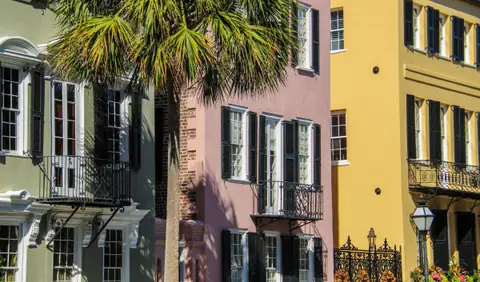
At the southern tip of the peninsula, thirteen pastel Georgian townhouses form landmark Rainbow Row, leading down East Bay Street to the 1830s seawall of The Battery and the Pineapple Fountain at Waterfront Park. Through the cobblestone lanes of the French Quarter and the 1804 Historic Charleston City Market, Gullah Geechee artisans weave traditional sweetgrass baskets, while King Street and the Nathaniel Russell and Aiken-Rhett House Museums showcase the city's architectural legacy. Out in the harbour stands Fort Sumter (where the American Civil War began in April 1861) and the aircraft carrier USS Yorktown, across from the deeply moving International African American Museum at Gadsden's Wharf. Within 25 minutes of downtown lie the 400-year-old Angel Oak Tree, the terraced gardens of Middleton Place, Magnolia Plantation and Boone Hall, and the beaches of Folly Beach and Sullivan's Island. Start with our before-you-go briefing and top things to do in Charleston.
Getting there
Charleston International Airport (CHS) is located 19 kilometres (20 minutes down Interstate 26 by Uber, taxi or the CARTA Route 11 bus) northwest of the Historic Downtown Peninsula. Amtrak's daily Palmetto and Silver Meteor trains connect Charleston directly with Savannah (1 hour 45 minutes south), Washington D.C. and New York. Once on the Downtown Peninsula, park your car in a City of Charleston municipal garage (typically half the rate of hotel valet parking) and explore on foot, aboard the Charleston Water Taxi across the harbour to Mount Pleasant and Patriots Point, or by CARTA bus. See getting to Charleston and how the Water Taxi and parking garages work.
Where to stay
Choosing your base in Charleston comes down to whether you want to be in the walkable historic core or near the water and beaches: stay on the Downtown Historic Peninsula (around the French Quarter, Market Street or King Street) to walk out your door to over a hundred top restaurants and cobblestone lanes; stay directly across the Cooper River in Mount Pleasant (Patriots Point or Shem Creek) for waterfront resorts, easy parking and a 10-minute Charleston Water Taxi ride straight into downtown; or stay 20 minutes out on the sand at Folly Beach, Sullivan's Island or Isle of Palms. Compare all neighbourhoods in where to stay in Charleston.
Things to do
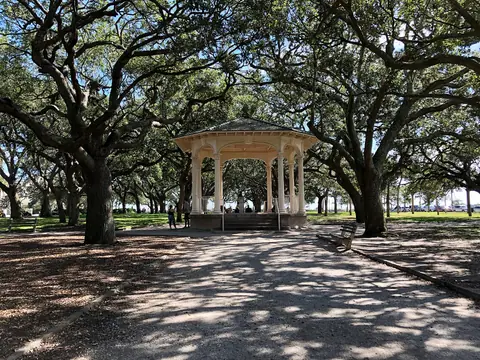
Stroll past the 13 pastel facades of Rainbow Row, the cannon-lined oaks of White Point Garden at The Battery and the Pineapple Fountain in Waterfront Park, browse Gullah sweetgrass baskets along the four open-air sheds of the 1804 Historic Charleston City Market and walk cobblestone Chalmers Street, take the 30-minute National Park ferry out to Fort Sumter and board the aircraft carrier USS Yorktown, tour the free-flying spiral staircase of the 1808 Nathaniel Russell House and preserved 1820 Aiken-Rhett House, visit the International African American Museum (IAAM), stand beneath the 1,600-square-metre canopy of the Angel Oak Tree on Johns Island, explore Middleton Place or Boone Hall, and kayak with dolphins at Shem Creek or swim at Folly Beach. Full list in things to do in Charleston.
Food and drink
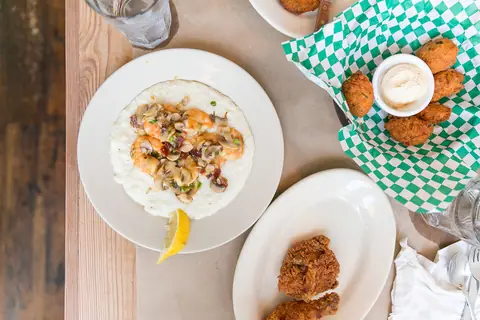
Charleston is the undisputed culinary capital of the South Carolina Lowcountry: velvety She-Crab Soup finished with a splash of dry sherry and crab roe, local Creek Shrimp over Anson Mills stone-ground grits with tasso gravy, steamed clusters of salty local Single & Cluster Oysters, whole-hog wood-smoked Carolina barbecue at Rodney Scott's and Lewis Barbecue, crispy fried chicken and champagne at Leon's Oyster Shop, Benne Wafer cookies, and James Beard dining at FIG, Husk and Chubby Fish. Read more in our Charleston food and oyster guide.
Culture
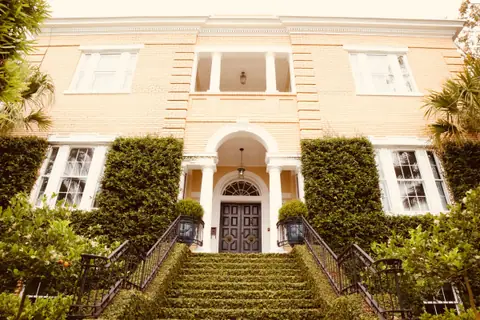
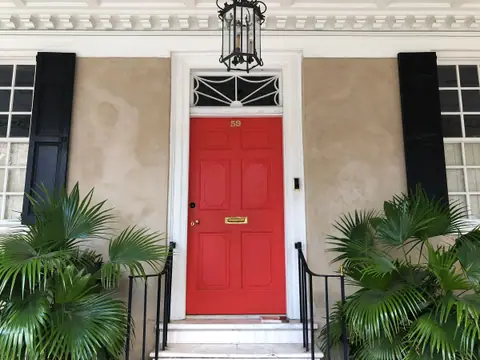
Shaped over three centuries by English, French Huguenot, Sephardic Jewish and West African Gullah Geechee traditions, Charleston's landmark 'Single House' architecture, built one room wide with two-storey 'piazza' porches facing south or west to catch the harbour breeze, is unique in American urban design.
Weather by month
Charleston is warmest in July, with average highs around 33°C, and coldest in January, when nights drop to about 5°C. August is the wettest month, with rain on about 12 days. For mild weather with fewer rainy days, aim for February, March, April, October and November.
| Month | Low | Range | High | Rain | Rainy days |
|---|---|---|---|---|---|
| Jan | 5°C | 15°C | 82 mm | 8 d | |
| Feb | 7°C | 17°C | 72 mm | 7 d | |
| Mar | 10°C | 21°C | 88 mm | 7 d | |
| Apr | 14°C | 25°C | 78 mm | 6 d | |
| May | 19°C | 28°C | 94 mm | 8 d | |
| Jun | 23°C | 31°C | 146 mm | 11 d | |
| Jul | 24°C | 33°C | 154 mm | 12 d | |
| Aug | 24°C | 32°C | 168 mm | 12 d | |
| Sep | 21°C | 29°C | 138 mm | 9 d | |
| Oct | 16°C | 25°C | 96 mm | 6 d | |
| Nov | 10°C | 20°C | 66 mm | 6 d | |
| Dec | 7°C | 17°C | 80 mm | 7 d |
Averages of daily values from 2015 to 2024. Rainy days are days with at least 1 mm of rain. Source: Open-Meteo · Compare destinations by month.
Charleston on the map
Every place we cover in Charleston. Tap a category or pin to explore.
In-depth Charleston guides
Browse the guides grouped by topic: sights, neighbourhoods, food, transport, day trips and trip planning.
Sights, Landmarks & Parks
Key monuments, viewpoints, museums and nature trails.
- Best Things to Do in CharlestonPastel 1740s Georgian townhouses, harbour fortresses, 400-year-old live oaks, Gullah sweetgrass baskets and barrier islands.
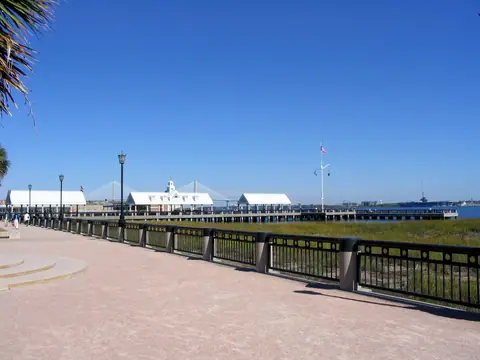
- South of Broad Walk: Waterfront Park (Pineapple Fountain), Rainbow Row & The BatteryWalking the landmark waterfront edge of historic Charleston, from the Pineapple Fountain past Rainbow Row to The Battery.
- The 1804 Historic Charleston City Market (Sweetgrass Baskets) & the French QuarterMeeting fifth-generation Gullah sweetgrass basket weavers inside the 1804 City Market and strolling the cobblestone French Quarter.
- Fort Sumter National Monument & the USS Yorktown at Patriots PointSailing out to the island fortress of Fort Sumter where the Civil War began in 1861, and walking the flight deck of the USS Yorktown.
- The 400-Year-Old Angel Oak Tree & the Charleston Tea Garden on Wadmalaw IslandStanding beneath 1,580 square metres of shade at the free Angel Oak Tree and touring America's only commercial tea farm.
- The International African American Museum (IAAM at Gadsden's Wharf) & Gullah Geechee HeritageVisiting one of America's most powerful museums, elevated on pillars above historic Gadsden's Wharf on Charleston Harbor.
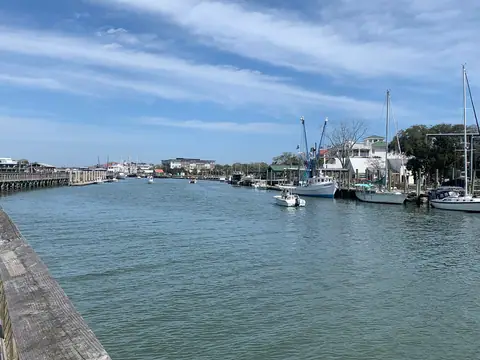
- Shem Creek (Dolphin Kayaking & Shrimp Boats) & Charleston Harbor Sunset Schooner SailsWalking the wooden boardwalk of Shem Creek beside commercial shrimp trawlers and kayaking eye-to-eye with wild bottlenose dolphins.
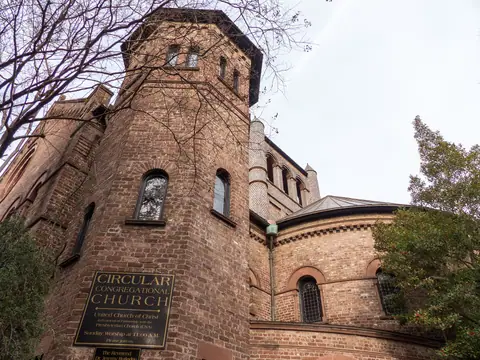
- Historic Carriage Tours (How the 'Lottery Zone' Works), The 'Four Corners of Law' & Ghost WalksUnderstanding Charleston's unique random routing lottery for carriage tours, stepping inside 1752 St. Michael's Church and evening ghost walks.
Neighbourhoods & Where to Stay
Districts, historic quarters and the best bases for your stay.
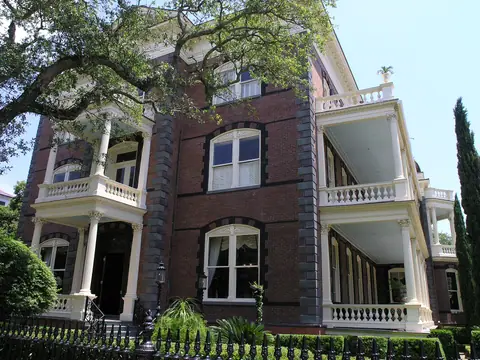
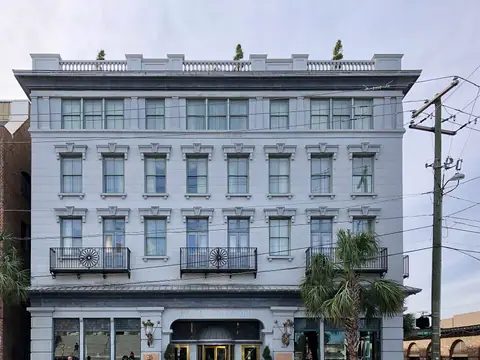
- King Street Shopping Districts & Touring the Nathaniel Russell vs Aiken-Rhett House MuseumsStrolling two miles of historic King Street and comparing Charleston's two contrasting 19th-century house museums.
- Where to Stay in Charleston: Historic Downtown (French Quarter & King St) vs Mount Pleasant & BeachesChoosing between waking up in the walkable 18th-century French Quarter, saving across the harbour in Mount Pleasant, or sleeping on Folly Beach.
Food & Drink
Local dishes, markets, cafés and dining districts.
Getting Around & Arrival
Airport transfers, public transit, passes and driving rules.
- Getting to Charleston: CHS Airport, Amtrak & Driving from SavannahGetting from Charleston Airport (CHS) to the Historic Peninsula in 20 minutes, or taking the 2-hour coastal drive or Amtrak train from Savannah.
- Getting Around Charleston: The All-Day Water Taxi, Municipal Parking Garages & PedicabsRiding the all-day Charleston Water Taxi across the harbour and saving on parking inside the City of Charleston municipal garages.
Day Trips & Excursions
Easy half-day and full-day trips from the city.
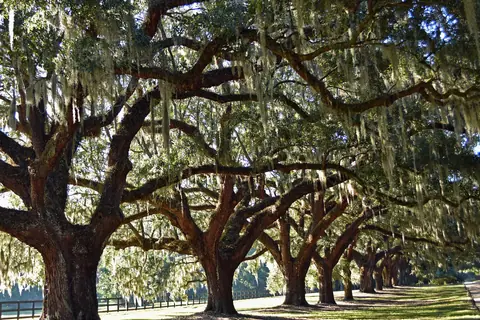
- Charleston's Historic Estates & Gardens: Comparing Middleton Place, Magnolia Plantation & Boone HallComparing Charleston's four historic estates so you choose the right combination of 1741 gardens, history and live-oak alleys.
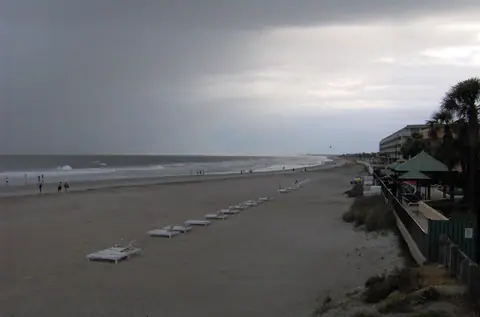
- Charleston's 3 Barrier-Island Beaches Compared: Folly Beach, Sullivan's Island & Isle of PalmsChoosing between bohemian surfer vibes at Folly Beach, historic Fort Moultrie on Sullivan's Island, and family resorts on Isle of Palms.
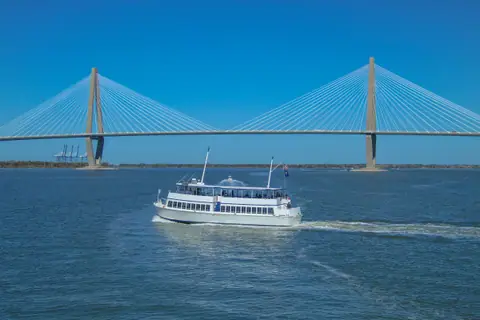
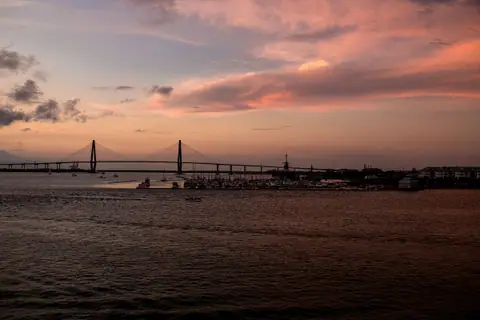
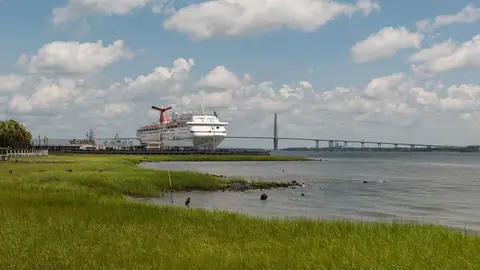
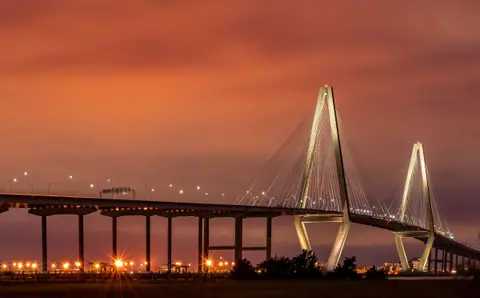
- Walking the Arthur Ravenel Jr. Bridge ('Wonders' Way') & Paddling Blackwater Cypress GardensWalking 57 metres above the harbour on the Ravenel Bridge and rowing a boat through the blackwater swamp where 'The Notebook' was filmed.
Trip Planning & Itineraries
When to visit, what to pack and day-by-day routes.
- Charleston: What to Know Before You GoUnderstanding Charleston's walkable peninsula, why there are no to-go alcohol cups here, and booking restaurants 30 days ahead.
- Best Time to Visit Charleston: Spring Azaleas & Spoleto Festival (March to May), Autumn Oysters & Beach SeasonTiming your trip for March and April's purple wisteria and pink azaleas, May's Spoleto Festival, or autumn's salty oyster roasts.
- What to Wear in Charleston: Cobblestone Footwear, 'Charleston Smart-Casual' Dining & Marsh Bug SprayWhy Charleston dresses a notch more polished for dinner than other coastal towns, plus surviving 18th-century cobblestones.
- 3 to 4 Days in Charleston: Historic Peninsula, Fort Sumter, Plantations, Angel Oak & BeachesA logical 3-to-4-day plan: walkable Historic Peninsula on Days 1 & 2, and plantations, the Angel Oak and beaches on Days 3 & 4.
Need your embassy or consulate in United States? See embassies and consulates in United States.
Reviews
Log in to write a review.
No reviews yet.