Savannah
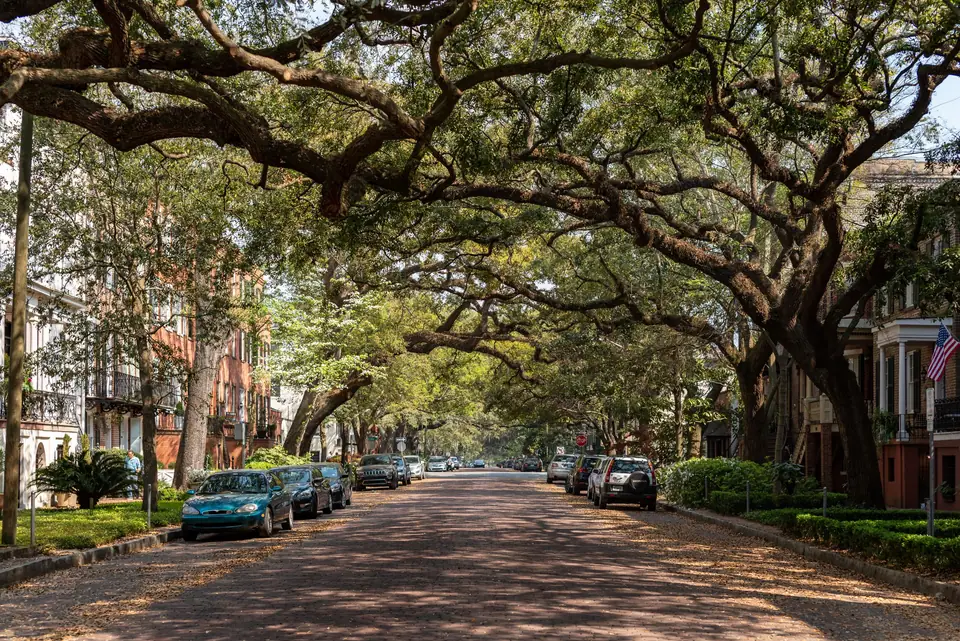
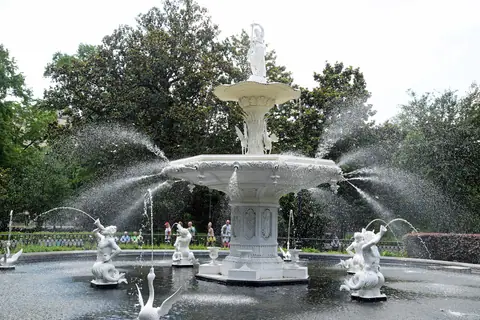
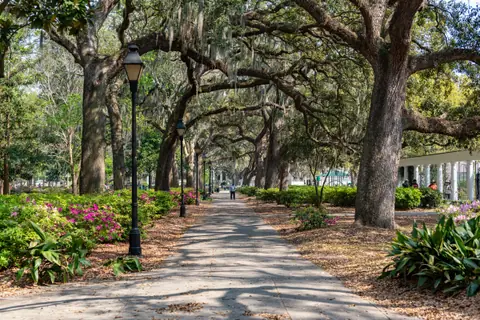
Georgia's oldest coastal city, founded in 1733, where canopies of centuries-old live oaks draped in silver Spanish moss shade 22 emerald park squares, the white cast-iron fountain of Forsyth Park, cobblestone River Street, the gothic oak alleys of Wormsloe and the barrier-island beaches of Tybee Island.
Quick decisions
How many days?
3 days: walk the Bull Street corridor through the 22 Historic Squares down to Forsyth Park, Jones Street and the Cathedral on day one, explore River Street, Factors Walk, City Market and an evening ghost tour on day two, and drive out to Wormsloe's live-oak avenue, Bonaventure Cemetery, Fort Pulaski and Tybee Island Beach on day three. Follow our three-day route.
Where should I stay?
Historic District Squares (Between Gaston & Bay Streets): sleep in an 1850s mansion inn on a quiet moss-draped square. River Street & Plant Riverside: lively riverfront hotels watching giant container ships glide past. Victorian District (South of Forsyth Park): romantic gingerbread B&Bs with easier parking. Compare bases in our neighbourhood guide.
Do I need a car?
No for the Historic District; yes for Wormsloe, Bonaventure Cemetery and Tybee Island. The entire 2.5-square-mile Historic District is flat and walkable, linked by the complimentary DOT Express Shuttle bus and free Savannah Belles river ferries.
Best for
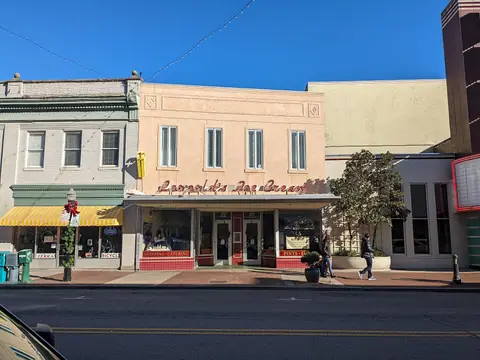
Antebellum architecture & garden squares: 22 intact 1733 to 1851 town squares shaded by Spanish-moss live oaks. Southern Gothic atmosphere: Bonaventure Cemetery, Wormsloe and lantern-lit ghost tours. Coastal Lowcountry cuisine: shrimp and grits, fried green tomatoes, pralines and Leopold's Ice Cream.
Before you go
Understand the Historic District's legal 'To-Go Cup' rule and wear flat shoes for River Street's ballast stones: adults aged 21 and over may legally walk outdoors in the Historic District with one 16-ounce plastic cup of alcohol, and River Street's 18th-century ship-ballast cobblestones are ankle-twisters in heels. Read our practical briefing.
Getting around
From Savannah/Hilton Head Airport (SAV, 20 mins northwest) or Amtrak Station: an easy 20-minute ride-hail trip or the Route 100X Airport Express bus into downtown. Details in arrival and transport.
Continue your trip
Drive 20 minutes east to Tybee Island and Fort Pulaski, 45 minutes north to Hilton Head and Beaufort, or 2 hours north up the Lowcountry coast to Charleston.
Overview
Laid out on a high bluff above the Savannah River on 12 February 1733 by British General James Edward Oglethorpe as the very first city of the thirteenth American colony of Georgia, on the ancestral homeland of the Yamacraw and Creek (Muscogee) Nations led by Chief Tomochichi, Savannah preserves one of the largest National Historic Landmark Districts in the United States. Spared from burning by Union General William Tecumseh Sherman in December 1864, who famously telegraphed President Abraham Lincoln offering the intact city of Savannah as a Christmas gift, its visionary 1733 town grid known as the Oglethorpe Plan survives almost untouched three centuries later.
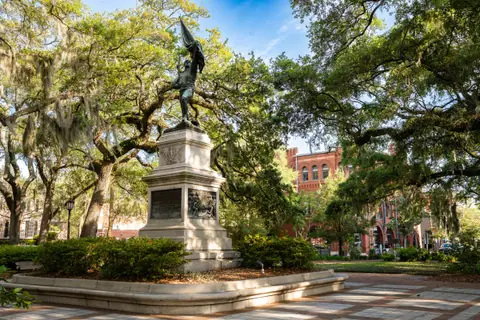
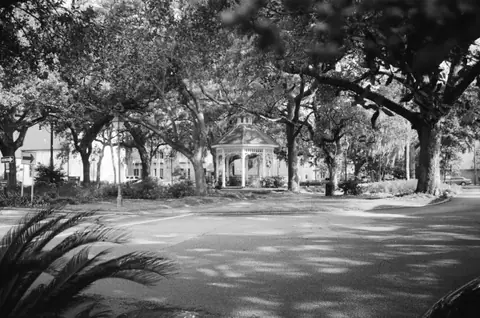
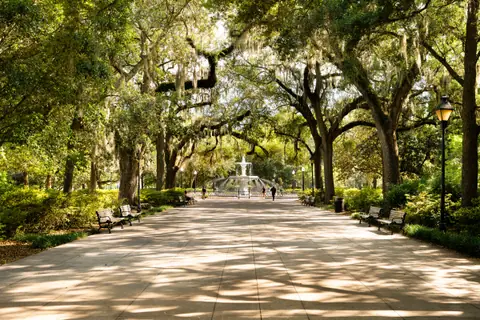
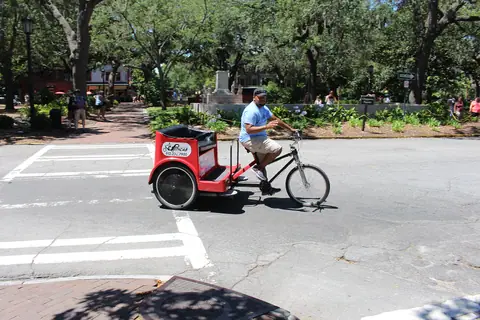
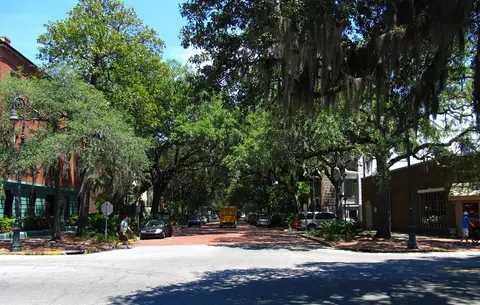
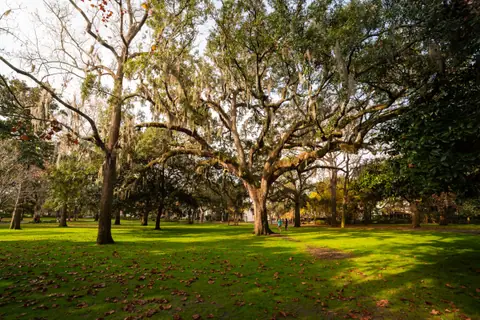
What makes walking through Savannah feel like stepping into an outdoor botanical cathedral is its network of 22 park-like Historic Squares spaced every two blocks beneath a continuous emerald canopy of 300-year-old live oak trees festooned with trailing silver-grey Spanish moss. Running down the central spine of Bull Street to the 1858 cast-iron fountain of 30-acre Forsyth Park, the city steps down forty-foot brick bluffs at the northern riverfront via Factors Walk onto cobblestone River Street and the Plant Riverside District. Fifteen minutes south-east toward the salt marshes lie the Victorian sculptures of Bonaventure Cemetery, the 1.5-mile live-oak tunnel of Wormsloe Historic Site, and the Atlantic sands of Tybee Island. Start with our before-you-go briefing and top things to do in Savannah.
Getting there
Savannah/Hilton Head International Airport (SAV) sits just 16 kilometres (20 minutes by taxi, ride-hail or the CAT Route 100X Airport Express bus) northwest of the Historic District. Amtrak's Palmetto and Silver Service trains from New York, Washington D.C., Charleston and Miami arrive daily at the Savannah Station 10 minutes west of downtown. Once inside the Historic District, leave your vehicle in one of the five affordable municipal parking garages (free on weekends at selected lots; check current daily rates on the city site) and explore on foot, via the complimentary DOT Express Shuttle buses, and aboard the free Savannah Belles passenger ferries across the river. See getting to Savannah and how the free DOT shuttle and ferries work.
Where to stay
Savannah's accommodation is divided into four charismatic zones: stay around the Historic District Squares (between Bay Street and Gaston Street/Forsyth Park) to wake up in an 1850s Federal or Italianate mansion inn facing a mossy square; stay along River Street and the Plant Riverside District if you want lively waterfront rooftops, live music and giant cargo ships passing fifty metres from your balcony; stay just south of Forsyth Park in the Victorian District or Thomas Square/Starland for quieter B&Bs and easier street parking; or base yourself 20 minutes east on the beach at Tybee Island. Compare all areas in where to stay in Savannah.
Things to do
Photograph the 1858 cast-iron fountain in Forsyth Park and walk north up Bull Street through Monterey, Madison and Chippewa Squares, stroll brick-paved Jones Street and explore all 22 Historic Squares, cross the iron catwalk bridges of Factors Walk down to River Street and the Plant Riverside District, wander beneath the moss-draped oaks of 1846 Bonaventure Cemetery and tour the Mercer Williams House, drive down the 400-tree avenue of Wormsloe Historic Site, step inside the twin-spired Cathedral Basilica of St. John the Baptist and Owens-Thomas House, join an evening lantern ghost walk, visit 1773 First African Baptist Church and Pin Point, and swim at Tybee Island and Fort Pulaski. Full list in things to do in Savannah.
Food and drink
Savannah is a capital of Coastal Georgia Lowcountry and Southern cuisine: wild Georgia white shrimp over stone-ground cheddar grits, Lowcountry Boil (shrimp, smoked sausage, corn on the cob and red potatoes steamed in coastal spices), crispy fried chicken and 22 family-style vegetable bowls at historic Mrs. Wilkes' Dining Room, modern Southern cooking inside a 1938 Greyhound bus depot at The Grey, warm honey-glazed biscuits, hand-scooped Tutti-Frutti at 1919 Leopold's Ice Cream, and hot butter-pecan Savannah Pralines on River Street. Read more in our Savannah food and dining guide.
Culture
Immortalised in John Berendt's 1994 bestseller Midnight in the Garden of Good and Evil and home to the Savannah College of Art and Design (SCAD, which rescued and restored over 70 historic buildings across the city), Savannah blends Gullah Geechee Lowcountry heritage, Irish-American history and Southern Gothic charm.
Weather by month
Savannah is warmest in July, with average highs around 34°C, and coldest in January, when nights drop to about 5°C. August is the wettest month, with rain on about 12 days. For mild weather with fewer rainy days, aim for February, April, October, November and December.
| Month | Low | Range | High | Rain | Rainy days |
|---|---|---|---|---|---|
| Jan | 5°C | 16°C | 78 mm | 7 d | |
| Feb | 7°C | 19°C | 68 mm | 7 d | |
| Mar | 10°C | 22°C | 86 mm | 7 d | |
| Apr | 14°C | 26°C | 82 mm | 6 d | |
| May | 19°C | 29°C | 92 mm | 8 d | |
| Jun | 22°C | 32°C | 148 mm | 11 d | |
| Jul | 24°C | 34°C | 142 mm | 12 d | |
| Aug | 24°C | 33°C | 156 mm | 12 d | |
| Sep | 21°C | 30°C | 118 mm | 9 d | |
| Oct | 16°C | 26°C | 84 mm | 6 d | |
| Nov | 10°C | 21°C | 62 mm | 6 d | |
| Dec | 7°C | 18°C | 76 mm | 7 d |
Averages of daily values from 2015 to 2024. Rainy days are days with at least 1 mm of rain. Source: Open-Meteo · Compare destinations by month.
Savannah on the map
Every place we cover in Savannah. Tap a category or pin to explore.
In-depth Savannah guides
Browse the guides grouped by topic: sights, neighbourhoods, food, transport, day trips and trip planning.
Sights, Landmarks & Parks
Key monuments, viewpoints, museums and nature trails.
- Best Things to Do in SavannahMoss-draped 18th-century squares, 1858 iron fountains, cobblestone riverfronts, gothic oak alleys and Lowcountry beaches.
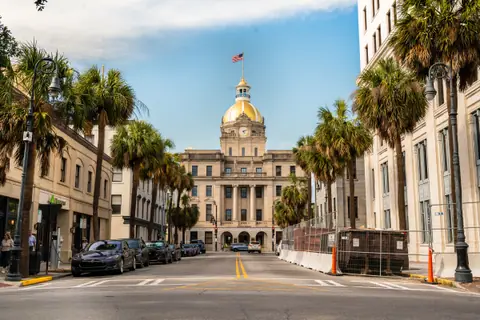
- Forsyth Park (The 1858 Fountain) & Walking the Bull Street Corridor (5 Central Squares)Walking Savannah's grandest 1.5-mile promenade from the 1858 Forsyth Park Fountain up Bull Street through five historic squares.
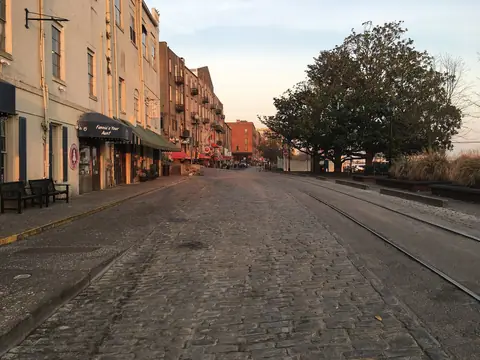
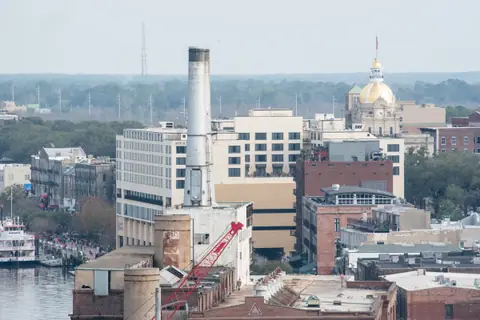
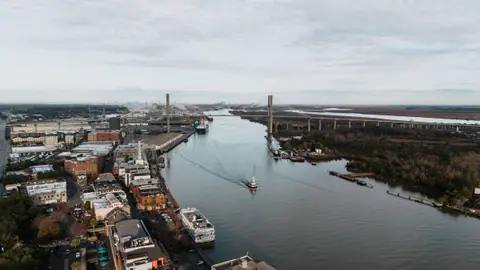
- River Street Cobblestones, Factors Walk Iron Bridges & the Plant Riverside DistrictStepping down 40-foot brick bluffs across the iron bridges of Factors Walk onto cobblestone River Street as giant container ships pass by.
- Bonaventure Cemetery (Spanish Moss & 'Bird Girl') & the Mercer Williams House ('Midnight in the Garden')Wandering the Spanish-moss-draped Victorian avenues of 1846 Bonaventure Cemetery and touring the 1868 Mercer Williams House.
- Wormsloe State Historic Site (1.5-Mile Live-Oak Tunnel), 1736 Tabby Ruins & Isle of HopeDriving through a 1.5-mile cathedral tunnel of 400 live oaks to see the oldest standing colonial ruins in Savannah.
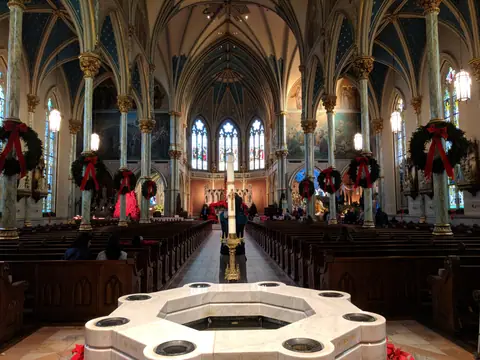
- Cathedral Basilica of St. John the Baptist & Savannah's 4 Best Historic House MuseumsInside the twin-spired Cathedral Basilica of St. John the Baptist and choosing the best of Savannah's 19th-century house museums.
- America's Most Haunted City: Evening Ghost Tours, 1750 Colonial Park Cemetery & The Pirates' HouseExploring the true history behind America's most haunted city, from 1750 Colonial Park Cemetery to the 1753 Pirates' House.

Neighbourhoods & Where to Stay
Districts, historic quarters and the best bases for your stay.
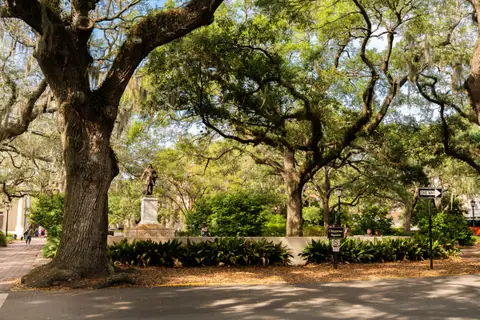
- Walking All 22 Historic Squares & Brick-Paved Jones Street ('Prettiest Street in America')Discovering the quietest, most romantic squares of the Historic District and strolling brick-paved Jones Street.
- City Market, Broughton Street Shopping & the Hip Starland District (Starland Yard)From the 1755 open-air courtyards of City Market and Paris Market on Broughton Street to the food trucks of the Starland District.
- Where to Stay in Savannah: Historic District Squares vs River Street, Victorian District & TybeeChoosing between a romantic 1850s mansion inn on a mossy square, a river-view balcony on River Street, or a Victorian gingerbread B&B.

Food & Drink
Local dishes, markets, cafés and dining districts.
Getting Around & Arrival
Airport transfers, public transit, passes and driving rules.
- Getting on the Water: Georgia Queen Riverboat Cruises & Tybee Island Dolphin ToursCruising the Savannah River aboard a red-and-white paddlewheel steamboat or watching wild bottlenose dolphins leap behind shrimp boats.
- Getting to Savannah: SAV Airport (Express Bus or 20-Min Ride), Amtrak & Driving I-95Reaching Savannah's Historic District in 20 minutes from SAV Airport, or taking the 2-hour coastal drive or Amtrak train from Charleston.
- Getting Around Savannah for Free: The DOT Express Shuttle, River Ferry & ParkingHow to use Savannah's complimentary DOT Express Shuttle buses, free riverboat ferries and affordable municipal parking garages.

Day Trips & Excursions
Easy half-day and full-day trips from the city.
- 20 Minutes East: Tybee Island Beach, the 1736 Tybee Lighthouse & Fort Pulaski National MonumentTwenty minutes east of Savannah through the salt marshes: Civil War cannon craters at Fort Pulaski and climbing Georgia's tallest lighthouse on Tybee Island.
- Gullah Geechee & Black History: 1773 First African Baptist Church & Pin Point Heritage MuseumStepping inside North America's oldest Black church (1773) and visiting the Gullah Geechee oyster-crabbing community of Pin Point.
Trip Planning & Itineraries
When to visit, what to pack and day-by-day routes.
- Savannah: What to Know Before You GoMastering Savannah's 22-square walking grid, the legal 'To-Go Cup' boundaries, and why you should never pull Spanish moss off the ground.
- Best Time to Visit Savannah: Spring Azalea Bloom (March to May), St. Patrick's Day, Autumn & WinterTiming your trip for Late March and April's pink azalea explosion, October's crisp veranda weather or quiet January.
- What to Wear in Savannah: Ballast-Stone Shoes for River Street, Summer Linen & No-See-Um SprayWhy flat rubber-soled shoes are essential on River Street's 18th-century cobblestones, plus the local secret for repelling sand gnats.
- 3 Days in Savannah: 22 Historic Squares, Forsyth Park, River Street, Wormsloe & Tybee IslandA well-paced 3-day plan: walkable Historic Squares and River Street on Days 1 & 2, and Wormsloe, Bonaventure and Tybee Island on Day 3.

Need your embassy or consulate in United States? See embassies and consulates in United States.
Reviews
Log in to write a review.
No reviews yet.