


























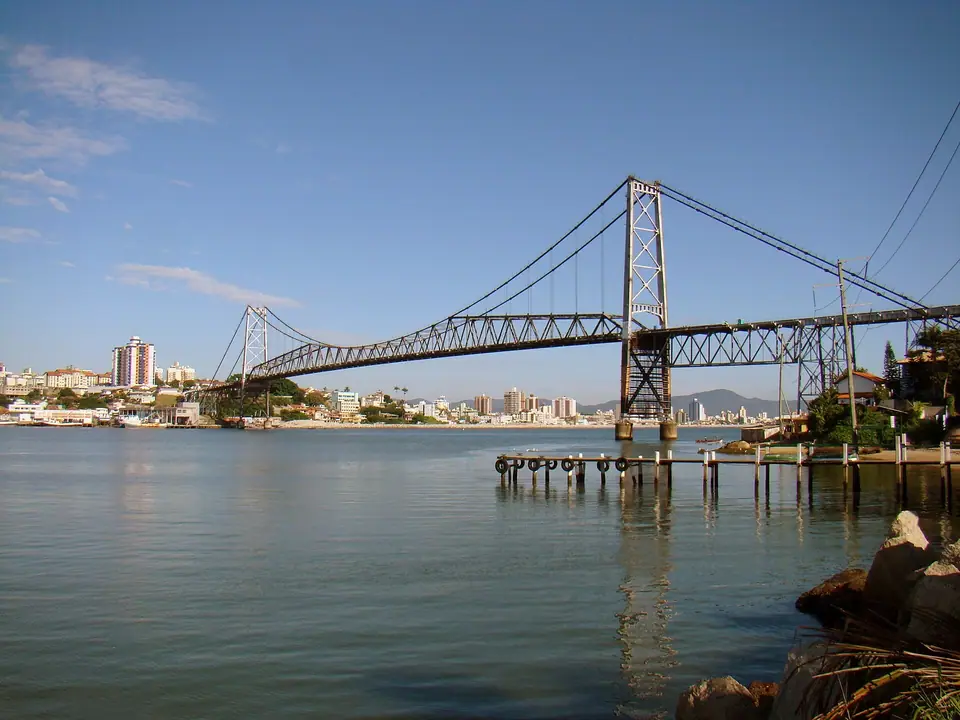
Ponte Hercílio Luz, Mercado Público and Historic Centro Guide
Walk through downtown Florianópolis across the restored 1926 Ponte Hercílio Luz suspension bridge, the 1899 Mercado Público, and Praça XV de Novembro's centenarian fig tree.
Founded as Nossa Senhora do Desterro in 1673 by Francisco Dias Velho (and renamed Florianópolis in 1894), the historic centre occupies the narrowest western promontory of Santa Catarina Island, where only 500 metres of deep blue strait separate the island from mainland Brazil. Everything in the downtown heritage zone can be covered on foot in three hours.
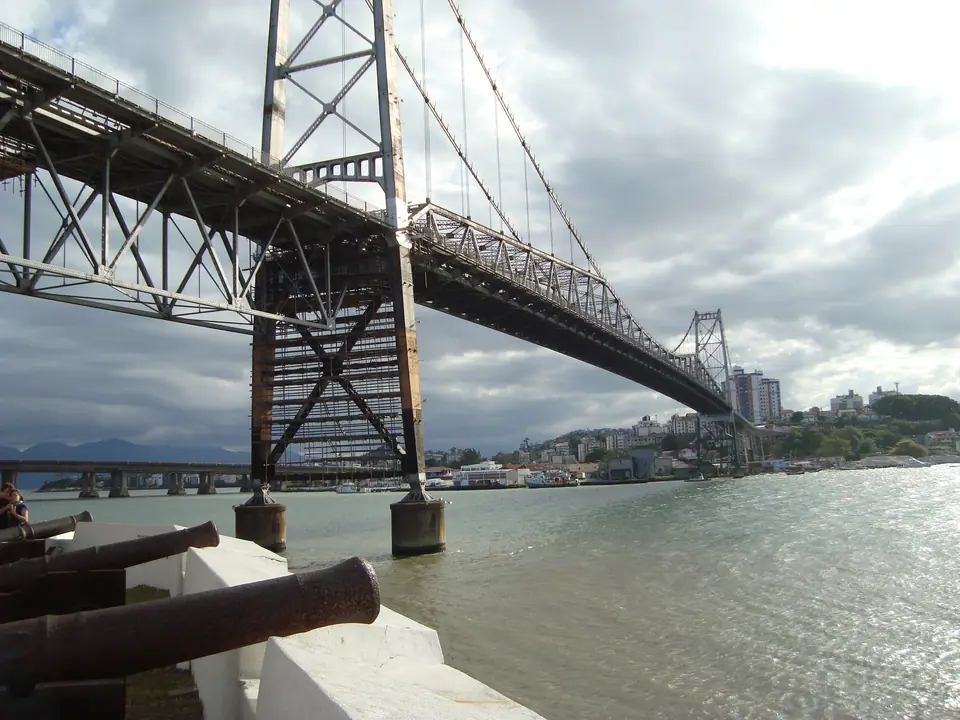
1. Ponte Hercílio Luz (1926): Brazil's Longest Suspension Bridge
Commissioned by Governor Hercílio Pedro da Luz and engineered by American bridge builders Robinson & Steinman, the monumental steel eye-bar suspension bridge opened on 13 May 1926. It measures 819.47 metres in total length, with a 339.47-metre central suspension span held aloft by two 75-metre steel towers rising 43 metres above the tide.
- The 2019 Restoration and Pedestrian Weekends: Declared a National Historic Landmark in 1997, the bridge reopened after a structural restoration on 30 December 2019. Walk its wide side promenades any day from Parque da Luz, or visit on Saturdays, Sundays, and holidays when the entire roadway is closed to cars.
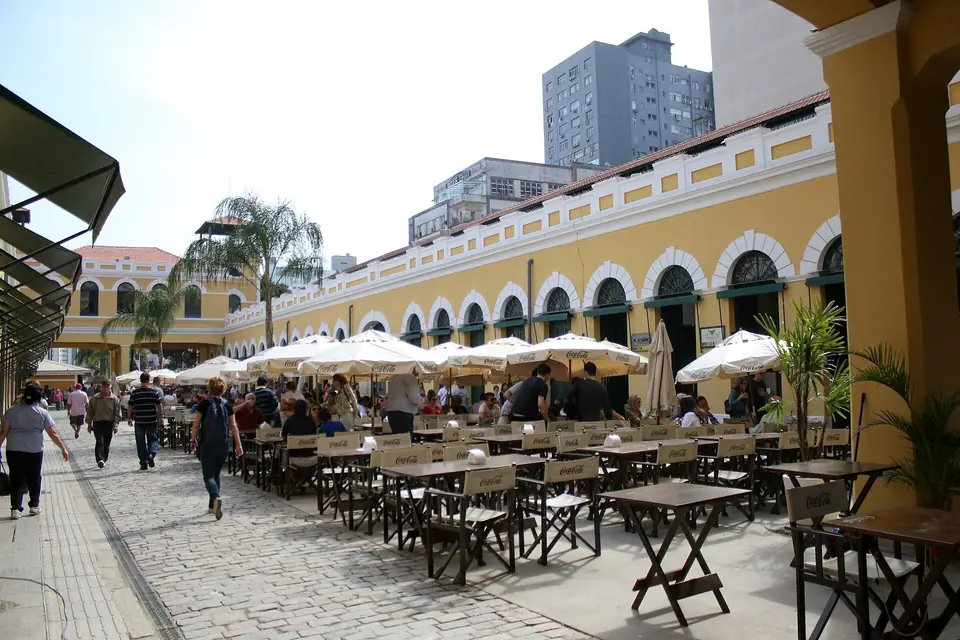
2. Mercado Público de Florianópolis (1899) and Largo da Alfândega
Ten minutes downhill sits the yellow-and-white Mercado Público Municipal, whose first wing opened in 1899 directly on the old waterfront, with its second wing added between 1915 and 1931. Browse the fresh fish stalls of the North Wing for silver tainha and prawns, then sit in the central courtyard for a cold draught beer and a basket of pastéis de camarão or berbigão. Outside, Largo da Alfândega frames the neoclassical 1876 Old Customs House (Antiga Alfândega), showcasing artisanal bobbin lace.
3. Praça XV de Novembro and the Centenarian Fig Tree
One block uphill, Praça XV de Novembro is shaded by the Figueira Centenária, a giant fig tree (Ficus organensis) born in 1871 and transplanted here in 1891, whose horizontal branches rest on iron crutches; local folklore holds that walking clockwise around its trunk ensures a return to the island.
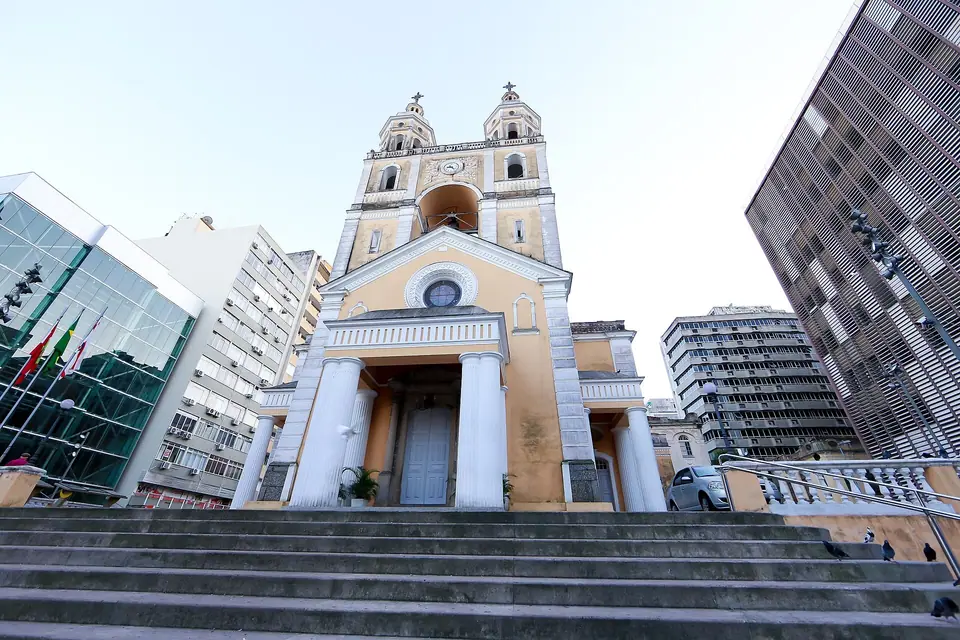
4. Metropolitan Cathedral (1753) and Palácio Cruz e Sousa
Facing the square stand the twin-towered Catedral Metropolitana (begun in 1753 by Brigadier José da Silva Paes, housing Ferdinand Demetz's 1902 carved cedar sculpture Flight into Egypt) and the rose-pink Eclectic Palácio Cruz e Sousa, home to the Historical Museum of Santa Catarina (MHSC); check the official museum site for visiting days.
Traveller tips
Real advice from people who have been to Ponte Hercílio Luz, Mercado Público and Historic Centro. Every tip is read by our team before it goes live.
No tips yet. Been here? Yours could be the first.
Thank you! Your tip will appear here after a quick review.
More in Florianópolis
Continue exploring Florianópolis with related neighbourhood, food, and planning guides
Where to Stay in Florianópolis: Lagoa da Conceição, Jurerê, Campeche & Centro
Florianópolis, Brazil
3 Days in Florianópolis Itinerary: Lagoa, Ilha do Campeche & Azorean Sunset
Florianópolis, Brazil
What to Eat in Florianópolis: Santa Catarina Oysters, Sequência de Camarão & Tainha
Florianópolis, Brazil
Lagoa da Conceição, Dunas da Joaquina and Costa da Lagoa Guide
Florianópolis, Brazil
