Ho Chi Minh City
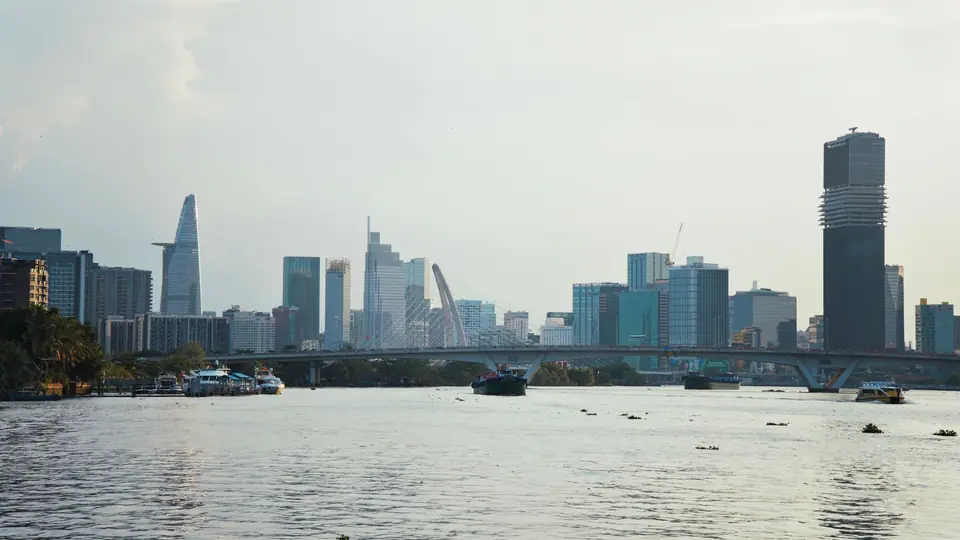
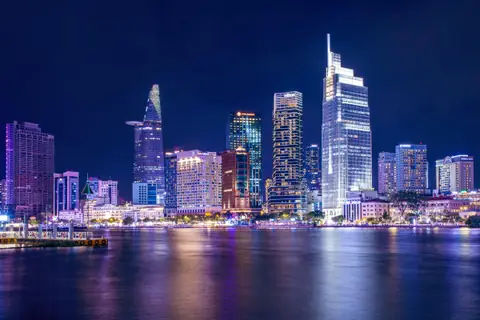
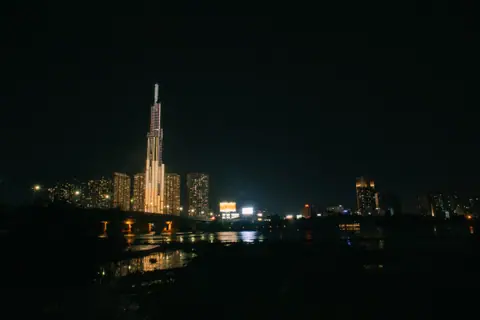
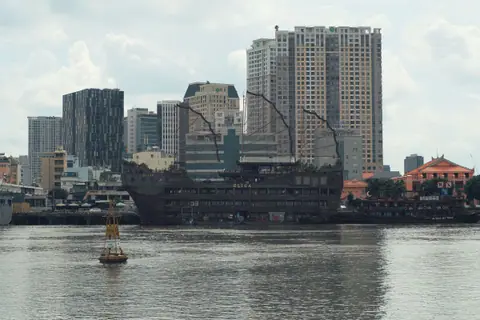
French-era boulevards and glass towers along the Saigon River, the Central Post Office and Independence Palace, incense-filled Cholon pagodas and smoky street corners serving broken rice and crusty banh mi.
Quick decisions
How many days?
3 days: District 1 heritage boulevards, the Independence Palace and War Remnants Museum on day one, Cholon (District 5 Chinatown) and the Saigon Waterbus on day two, plus a half-day trip to the Cu Chi Tunnels or the Mekong Delta on day three. Follow our three-day route.
Where should I stay?
District 1 (Dong Khoi & Nguyen Hue): walk to major landmarks, rooftop bars and the riverfront. District 3: leafy villas and local cafes beside major museums. Thao Dien: riverside dining along Metro Line 1. Compare areas in our neighbourhood comparison.
Do I need a car?
No. District 1 is best explored on foot in the cooler morning and evening hours, linked to outlying districts by Saigon Metro Line 1, the Saigon Waterbus and ride-hailing apps (Grab and Xanh SM).
Best for
Modern history: the 1960s Independence Palace and War Remnants Museum. Night-time street food: charcoal-grilled broken rice (com tam), crispy banh xeo and stuffed banh mi. Urban energy: rooftop skylines, hidden apartment cafes and Cholon temples.
Before you go
Prepare for tropical heat and motorbike pavements: carry small Vietnamese dong notes, keep your phone secure away from the kerb when checking maps, and plan indoor museum visits for the midday sun. Read our practical briefing.
Getting around
From Tan Son Nhat Airport (SGN): the airport sits just 7 kilometres north of District 1; yellow Bus 109 and Bus 152 or Grab cars reach the centre in thirty minutes. Details in arrival and transport.
Continue your trip
Frequent domestic flights and Reunification Express trains link Ho Chi Minh City north to Da Nang, Hue and Hanoi, while express coaches head south-west into the Mekong Delta.
Overview
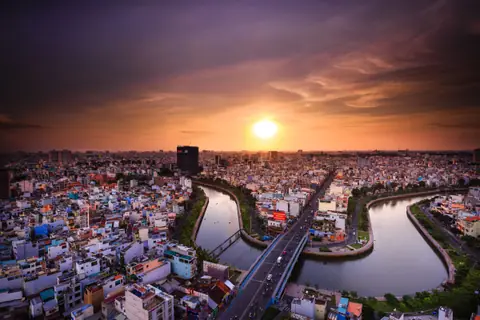
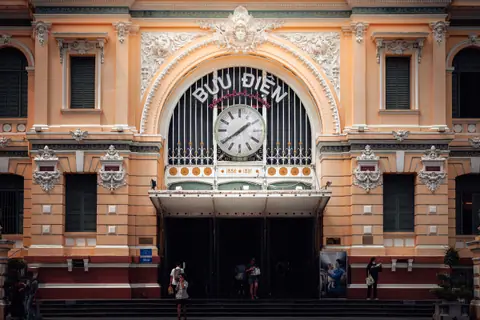
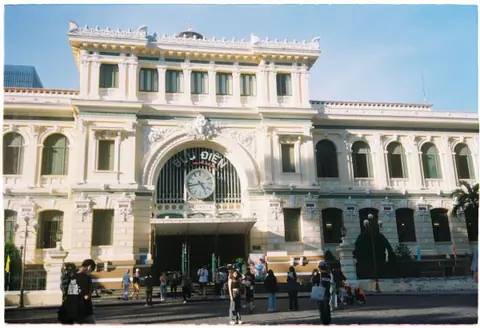
Still affectionately called Saigon by almost everyone who lives here, Ho Chi Minh City is Vietnam's commercial powerhouse: a fast-moving tropical metropolis on the western bank of the Saigon River where 19th-century French civic architecture, mid-century modernist palaces and gleaming skyscrapers stand shoulder to shoulder. Walk down Dong Khoi and Nguyen Hue Walking Street in District 1 and you will pass from the vaulted iron roof of the Central Post Office to converted 1960s apartment blocks filled with independent boutiques and third-wave coffee bars.
Whereas northern Hanoi turns inward around quiet lakes and seasonal rituals, southern Saigon spills out onto the street after sunset in a year-round tropical climate. Pair the historical weight of the Independence Palace, War Remnants Museum and Cholon's incense-wreathed temples with an evening crawl for charcoal-grilled com tam and crusty banh mi. Start with what to know before you go and top experiences.
Getting there
Tan Son Nhat International Airport (SGN) is located inside the urban fabric only 7 kilometres north-west of District 1, making the transfer by Bus 109, Bus 152 or Grab car one of the shortest airport runs in Southeast Asia. Saigon Railway Station in District 3 handles Reunification Express trains from central and northern Vietnam, while Metro Line 1 connects Ben Thanh Market to the eastern districts. See how to get to Ho Chi Minh City.
Where to stay
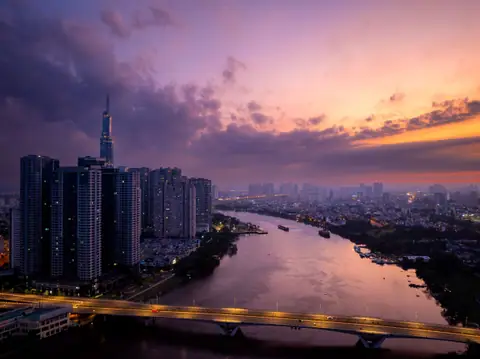
First-time visitors do best in central District 1 around Dong Khoi Street, the Opera House and Nguyen Hue Boulevard, or just north in leafy District 3 near the War Remnants Museum and Turtle Lake; travellers seeking a quieter riverside village feel can ride Metro Line 1 across the Saigon River to Thao Dien. Compare six areas in where to stay in Ho Chi Minh City.
Things to do
Admire the vaulted hall of the Saigon Central Post Office, Notre-Dame Cathedral exterior and Opera House, tour the preserved cabinet rooms and command bunker of the Independence Palace and the War Remnants Museum, ride a morning boat to the Cu Chi Tunnels, and explore the markets and Cantonese assembly halls of Cholon. See the full list in things to do in Ho Chi Minh City.
Food and drink
Southern Vietnamese cooking is bright, generous with fresh herbs, coconut water and tropical fruit, and famous for its smoky roadside grills: start the day with broken rice topped with caramelised grilled pork chop (com tam suon nuong) and iced milk coffee (ca phe sua da), grab a crackling baguette layered with pate and pickled daikon (banh mi), and share sizzling turmeric crepes (banh xeo) after dark. Read what to eat in Ho Chi Minh City.
Culture
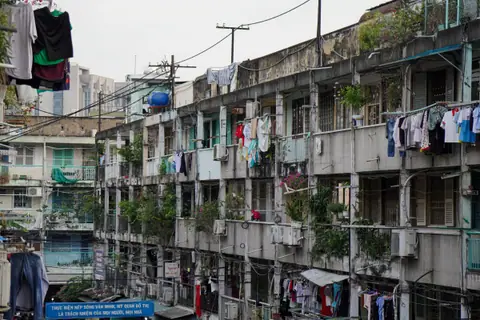
Numbered urban districts (Quan) and named wards structure daily life across the city, connected by a web of narrow residential alleyways known as hem. Stepping off a busy six-lane boulevard into a quiet hem reveals Saigon's neighbourhood soul: family shrines, potted bougainvillaea, iced-coffee carts and three-generation noodle kitchens operating feet from the financial district.
Weather by month
Ho Chi Minh City is warmest in April, with average highs around 35°C, and coldest in January, when nights drop to about 23°C. September is the wettest month, with rain on about 20 days.
| Month | Low | Range | High | Rain | Rainy days |
|---|---|---|---|---|---|
| Jan | 23°C | 32°C | 16 mm | 2 d | |
| Feb | 24°C | 33°C | 10 mm | 1 d | |
| Mar | 25°C | 34°C | 18 mm | 2 d | |
| Apr | 26°C | 35°C | 54 mm | 5 d | |
| May | 26°C | 34°C | 212 mm | 15 d | |
| Jun | 25°C | 33°C | 268 mm | 18 d | |
| Jul | 25°C | 32°C | 286 mm | 19 d | |
| Aug | 25°C | 32°C | 274 mm | 19 d | |
| Sep | 25°C | 32°C | 318 mm | 20 d | |
| Oct | 25°C | 32°C | 266 mm | 18 d | |
| Nov | 24°C | 32°C | 116 mm | 10 d | |
| Dec | 23°C | 31°C | 42 mm | 4 d |
Averages of daily values from 2015 to 2024. Rainy days are days with at least 1 mm of rain. Source: Open-Meteo · Compare destinations by month.
Ho Chi Minh City on the map
Every place we cover in Ho Chi Minh City. Tap a category or pin to explore.
In-depth Ho Chi Minh City guides
Browse the guides grouped by topic: sights, neighbourhoods, food, transport, day trips and trip planning.
Sights, Landmarks & Parks
Key monuments, viewpoints, museums and nature trails.
- Best Things to Do in Ho Chi Minh CityMid-century palaces, French colonial landmarks, Cholon pagodas, river buses and Cu Chi excursions.
- District 1 Landmarks: Post Office, Opera House and Nguyen HueA self-guided walk from the Central Post Office and Book Street down Dong Khoi to Nguyen Hue and the river.
- Independence Palace, War Remnants Museum and CholonTouring the 1966 Independence Palace, War Remnants Museum, Ben Thanh Market and Cholon's Chinese temples.
Neighbourhoods & Where to Stay
Districts, historic quarters and the best bases for your stay.
Food & Drink
Local dishes, markets, cafés and dining districts.
Getting Around & Arrival
Airport transfers, public transit, passes and driving rules.
Day Trips & Excursions
Easy half-day and full-day trips from the city.
Trip Planning & Itineraries
When to visit, what to pack and day-by-day routes.
- Ho Chi Minh City: What to Know Before You GoHow Saigon's numbered districts work, beating the midday heat, kerbside safety and paying in dong.
- Best Time to Visit Ho Chi Minh CityDry season sunshine from December to April, Tet flower streets and brief monsoon afternoon showers.
- What to Wear in Ho Chi Minh CityDressing for year-round 32°C warmth, sudden afternoon cloudbursts, icy air conditioning and pagodas.
Need your embassy or consulate in Vietnam? See embassies and consulates in Vietnam.
Reviews
Log in to write a review.
No reviews yet.