Hong Kong
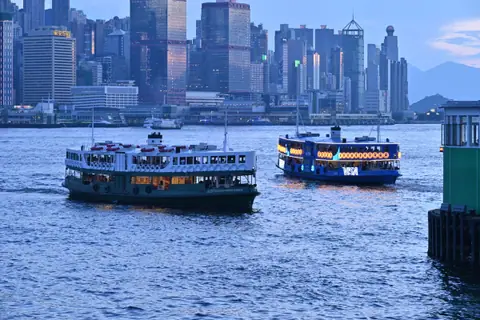
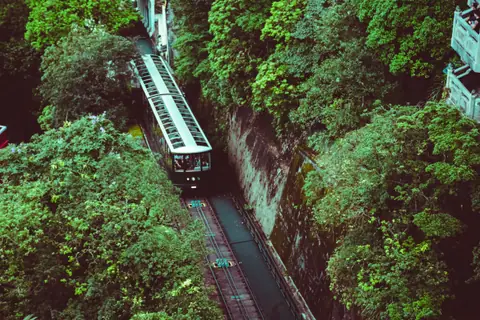
Double-decker Ding Ding trams clattering beneath glass towers, Star Ferry crossings over Victoria Harbour, Peak Tram ridge views, Lantau island trails and bamboo-steamer dim sum.
Quick decisions
How many days?
3 to 4 days: Central, Victoria Peak, Star Ferry and Tsim Sha Tsui on day one, Sham Shui Po, Mong Kok and Temple Street on day two, plus Lantau Island's Tian Tan Buddha or the Dragon's Back ridge hike on day three. Follow our three-day route.
Where should I stay?
Tsim Sha Tsui (Kowloon): classic harbour views and ferry piers. Central, Soho & Sheung Wan: hillside escalators, galleries and dining. Wan Chai & Causeway Bay: tram lines and lively street food. Compare districts in our neighbourhood comparison.
Do I need a car?
No. The MTR metro, Star Ferry, double-decker Ding Ding trams, outlying island ferries and Airport Express reach every corner of the territory rapidly.
Best for
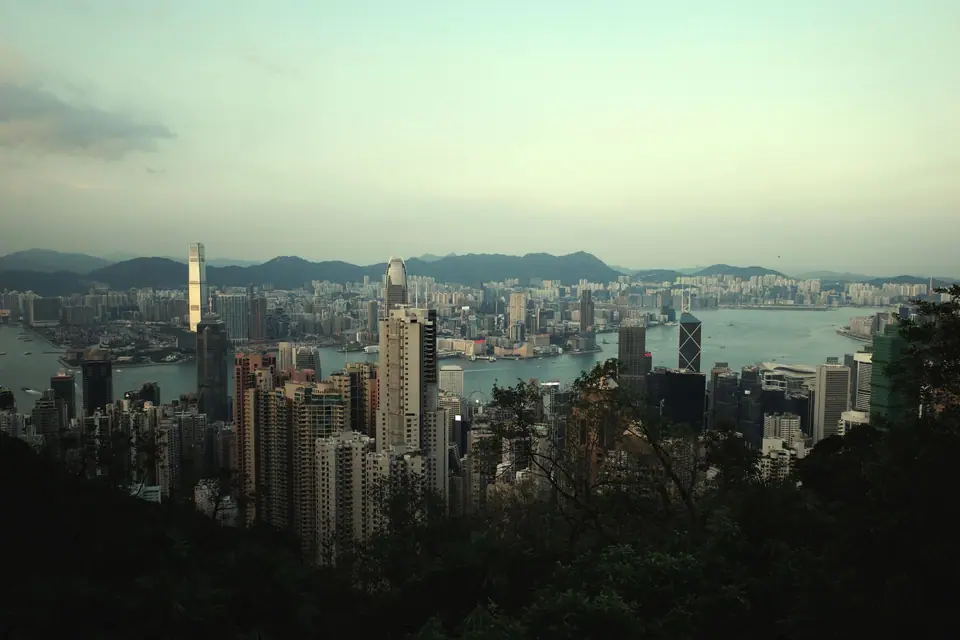
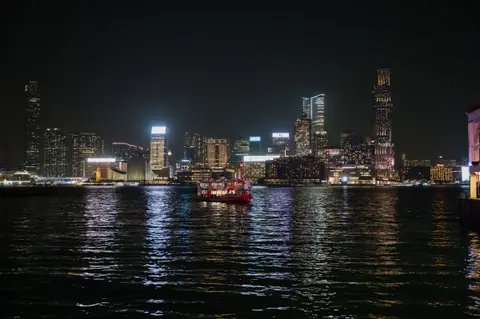
Harbour skylines: Lugard Road on Victoria Peak and the Tsim Sha Tsui promenade. Cantonese food: morning dim sum trolleys, char siu roast meats and wonton noodles. Sea-to-peak trails: hiking subtropical ridges twenty minutes from the skyscrapers.
Before you go
Load an Octopus card on your phone or at the airport and pack a light layer for strong indoor air conditioning: tap Octopus on ferries, trams, MTR and convenience stores, and carry some Hong Kong dollar notes for traditional noodle shops. Read our practical briefing.
Getting around
From Hong Kong International Airport (HKG): the Airport Express train reaches Kowloon and Hong Kong Station in 24 minutes. Details in arrival and transport.
Continue your trip
High-speed trains from Hong Kong West Kowloon Station link directly to Shenzhen, Guangzhou and Beijing, while high-speed ferries cross the Pearl River Delta to Macau in an hour.
Overview
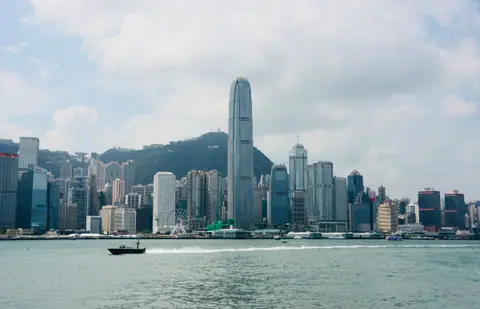
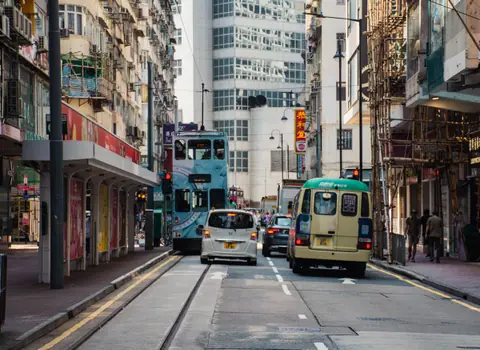
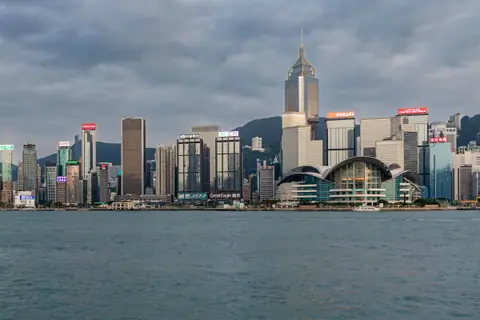
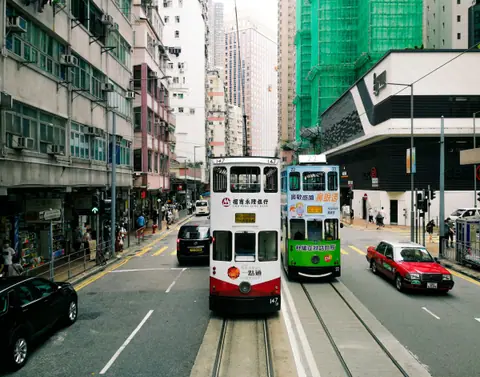
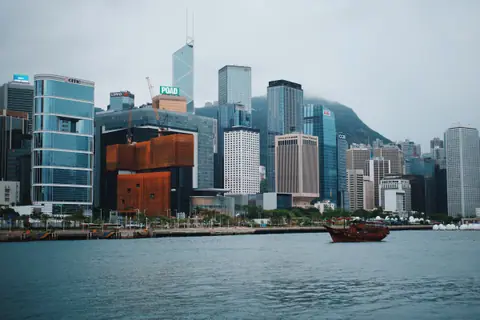
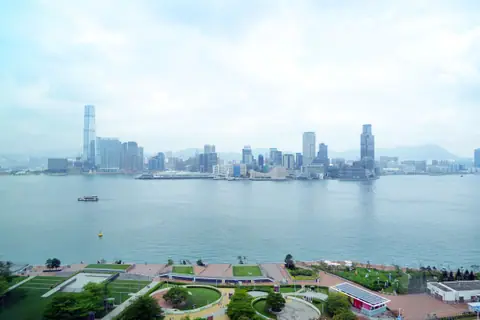
Few cities on earth pack such dramatic vertical relief into so compact a footprint as Hong Kong. Green volcanic peaks rise straight behind a wall of steel-and-glass towers on Hong Kong Island, separated from the dense neon-lit streets of the Kowloon Peninsula by the deep shipping channel of Victoria Harbour. Within half an hour, you can ride a century-old wooden double-decker tram through Wan Chai, glide up the steep hillside on the Peak Tram to walk the shaded cliff path of Lugard Road, and cross the water on the green-and-white Star Ferry.
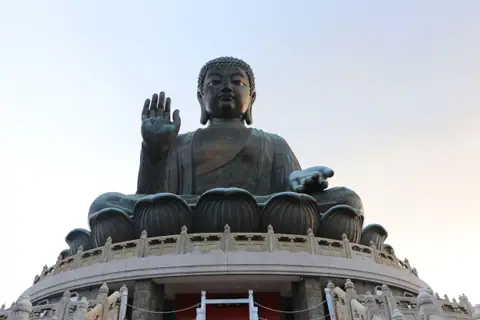
Beyond the financial towers, over seventy percent of the territory remains country parkland, fishing villages and granitic islands: a morning ride on the Ngong Ping 360 cable car leads to the bronze Tian Tan Buddha and the stilt houses of Tai O, while Kowloon's Mong Kok markets and traditional Cantonese teahouses keep centuries-old culinary craft alive. Start with what to know before you go and top experiences.
Getting there
International flights land on reclaimed Chek Lap Kok island at Hong Kong International Airport (HKG), connected to Kowloon and Central in 24 minutes by the Airport Express train and across the city by double-decker Cityflyer buses. High-speed trains from mainland China pull directly into Hong Kong West Kowloon Station beside Victoria Harbour. See how to get to Hong Kong.
Where to stay
First-time visitors split evenly between the two sides of the harbour: Tsim Sha Tsui on the tip of Kowloon looks straight across the water at the Hong Kong Island skyline, while Central, Soho, Sheung Wan and Wan Chai on the island place you along the historic tram line and hillside escalator. Compare six bases in where to stay in Hong Kong.
Things to do
Walk the Lugard Road loop on Victoria Peak, cross the harbour on the Star Ferry and ride the Central-Mid-Levels Escalator past Tai Kwun; browse Temple Street, Ladies' Market and West Kowloon Cultural District; and escape to Lantau Island's Big Buddha, Tai O fishing village or the Dragon's Back ridge trail. Browse the full list in things to do in Hong Kong.
Food and drink
Hong Kong is the world capital of Cantonese dining: linger over morning yum cha with bamboo steamers of shrimp har gow and pork siu mai, order glistening roast goose over rice, slurp springy bamboo-pressed wonton noodles, and try pineapple buns with cold butter and silky milk tea at a classic cha chaan teng cafe. Read what to eat in Hong Kong.
Culture
Beneath its sleek financial facade, everyday Hong Kong life runs on traditional Cantonese rhythm: coiled tower incense burns inside Man Mo Temple on Hollywood Road, bamboo scaffolding rises around modern high-rises, and families gather at noisy circular tables to pour jasmine and pu-erh tea for elders first.
Weather by month
Hong Kong is warmest in July, with average highs around 32°C, and coldest in January, when nights drop to about 15°C. June is the wettest month, with rain on about 17 days. For mild weather with fewer rainy days, aim for January, February, March, November and December.
| Month | Low | Range | High | Rain | Rainy days |
|---|---|---|---|---|---|
| Jan | 15°C | 19°C | 30 mm | 4 d | |
| Feb | 16°C | 20°C | 42 mm | 5 d | |
| Mar | 18°C | 22°C | 75 mm | 7 d | |
| Apr | 21°C | 26°C | 155 mm | 9 d | |
| May | 25°C | 29°C | 290 mm | 13 d | |
| Jun | 27°C | 31°C | 460 mm | 17 d | |
| Jul | 27°C | 32°C | 385 mm | 16 d | |
| Aug | 27°C | 32°C | 430 mm | 16 d | |
| Sep | 26°C | 31°C | 320 mm | 12 d | |
| Oct | 24°C | 28°C | 115 mm | 6 d | |
| Nov | 20°C | 25°C | 38 mm | 4 d | |
| Dec | 16°C | 21°C | 28 mm | 3 d |
Averages of daily values from 2015 to 2024. Rainy days are days with at least 1 mm of rain. Source: Open-Meteo · Compare destinations by month.
Hong Kong on the map
Every place we cover in Hong Kong. Tap a category or pin to explore.
In-depth Hong Kong guides
Browse the guides grouped by topic: sights, neighbourhoods, food, transport, day trips and trip planning.
Sights, Landmarks & Parks
Key monuments, viewpoints, museums and nature trails.
Neighbourhoods & Where to Stay
Districts, historic quarters and the best bases for your stay.
Food & Drink
Local dishes, markets, cafés and dining districts.
Getting Around & Arrival
Airport transfers, public transit, passes and driving rules.
Day Trips & Excursions
Easy half-day and full-day trips from the city.
Trip Planning & Itineraries
When to visit, what to pack and day-by-day routes.
- Hong Kong: What to Know Before You GoUsing an Octopus card across transit and shops, Ding Ding tram boarding rules, cash tips and table etiquette.
- Best Time to Visit Hong Kong: Weather by Season and FestivalsChoosing between crisp sunny autumn hiking weather, mild winter festive weeks and tropical summer months.
- What to Wear in Hong Kong: Steep Streets, Air Conditioning and HikesDressing for steep hillside streets, strong indoor air conditioning, country trails and winter evenings.
- Hong Kong 3-Day Itinerary: Harbour, Peak, Markets and LantauA balanced three-day route covering Hong Kong Island, Victoria Peak, Kowloon's markets and museums, and Lantau Island.
Need your embassy or consulate in Hong Kong? See embassies and consulates in Hong Kong.
Reviews
Log in to write a review.
No reviews yet.