Shanghai
China's biggest city, where a 1930s waterfront, lantern-lit lanes, leafy old villas and record-breaking towers sit a metro ride apart.
Quick decisions
How many days?
3 days: one Bund and Pudong day, one day for the old city and French Concession, one for a water town or the art districts. 4 or 5 days: add Hongkou, the West Bund and a day trip to Suzhou or Hangzhou.
Where should I stay?
The Bund or People's Square: the shortest first trip. French Concession or Xintiandi: tree-lined streets, cafes and bars. Jing'an: a strong metro hub with malls and quiet side streets.
Do I need a car?
No. The metro reaches almost everywhere, and taxis and ride apps fill the gaps. Use the maglev and airport links for arrivals and high-speed trains for day trips.
Best for
Skyline: the Bund and Lujiazui. Food: soup dumplings. Old streets: the French Concession. Art: Power Station of Art. Families: Disney and the science museum.
Before you go
Sort payments and internet first: link a foreign card to Alipay or WeChat Pay, carry some cash and your passport, and set up an eSIM or roaming, because many Western apps and sites are blocked. Confirm entry rules: visa and transit rules change, so confirm them before booking.
Spending less
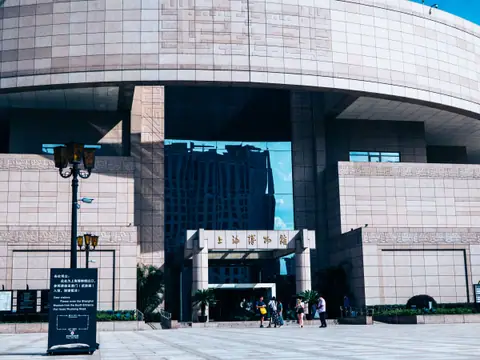
The Bund promenade, Shanghai Museum (with a booked slot), park walks and the metro cost little or nothing, and street breakfasts are cheap and filling.
Continue your trip
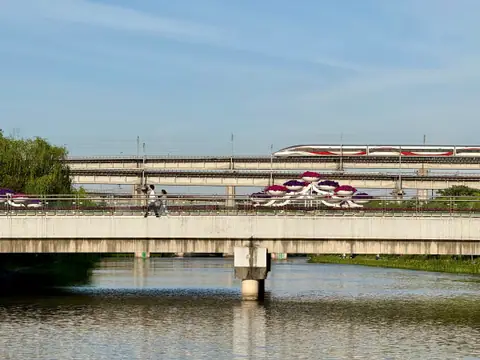
High-speed trains reach Suzhou in about half an hour and Hangzhou in about an hour, and Beijing is roughly four and a half hours away from Hongqiao station.
Overview
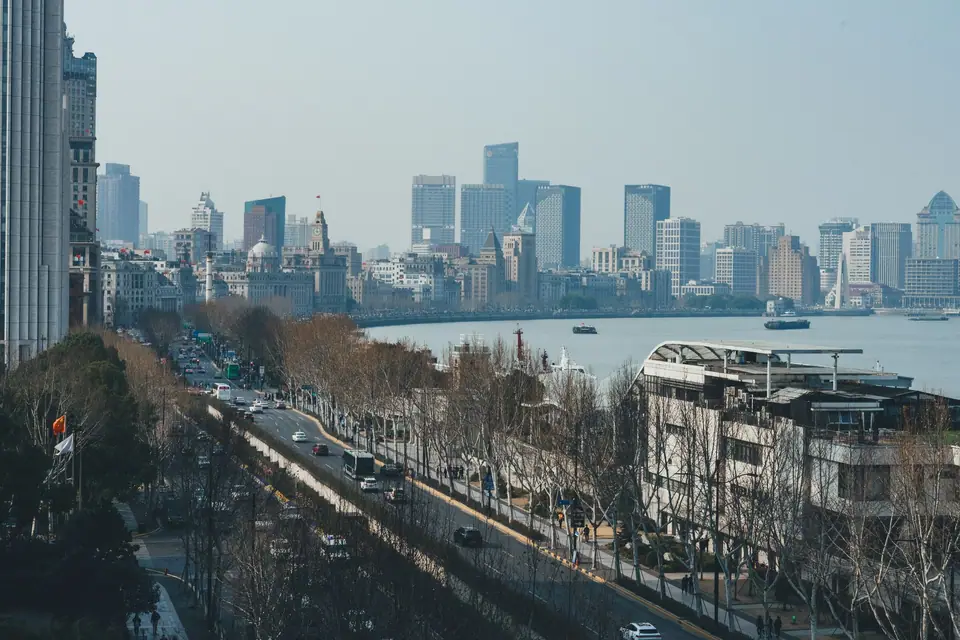
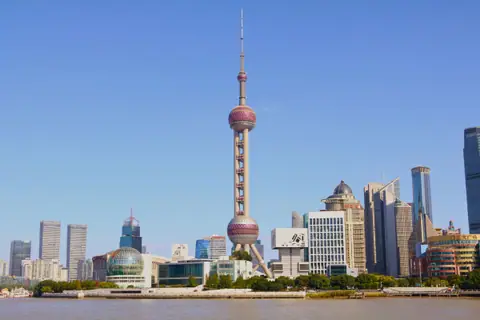
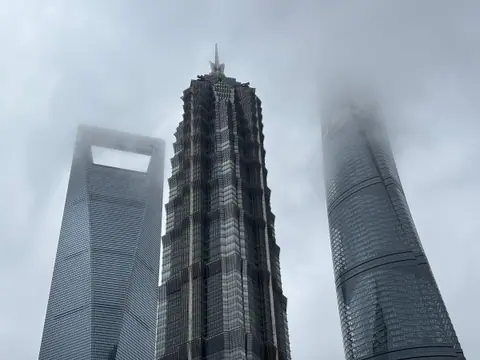
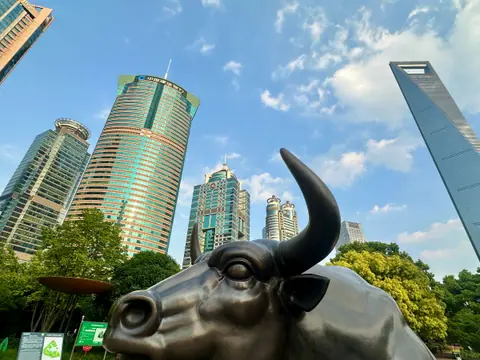
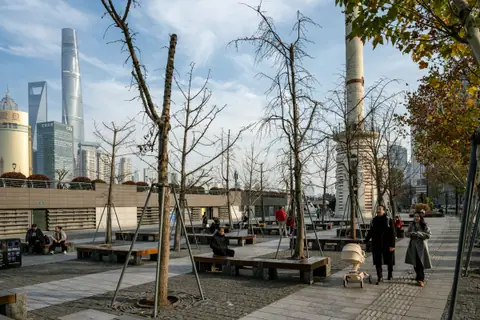
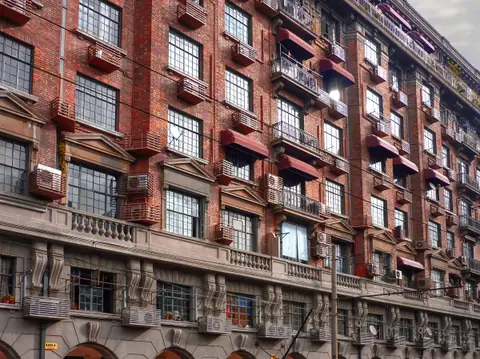
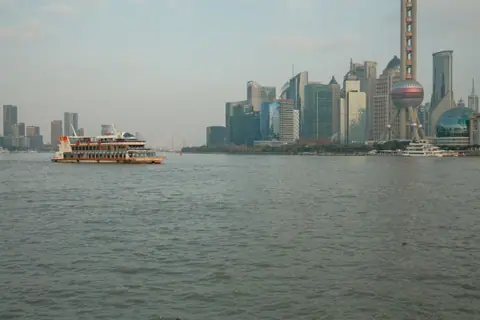
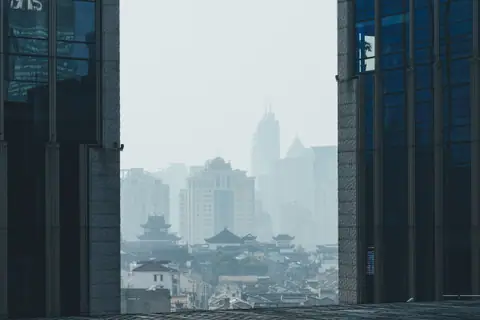
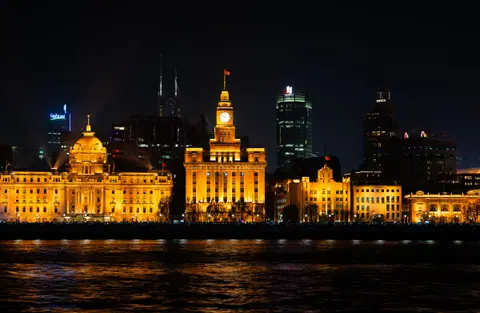
Shanghai is two cities that face each other across a river. West of the Huangpu is Puxi, the old Shanghai of treaty-port banks, lane houses, temples and plane-tree streets. East of it is Pudong, farmland until the 1990s and now a wall of towers that includes the Oriental Pearl Tower and the Shanghai Tower. The Bund is the hinge between them, and standing on it is the quickest way to understand the city.
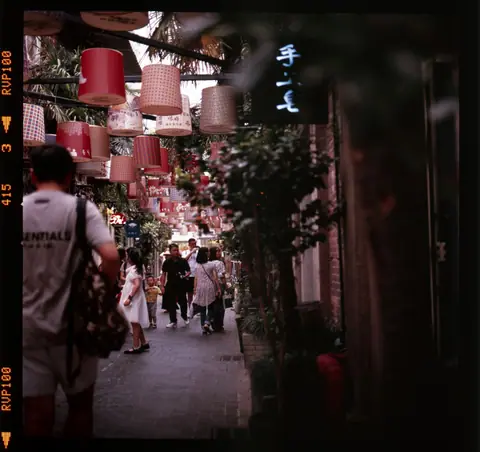
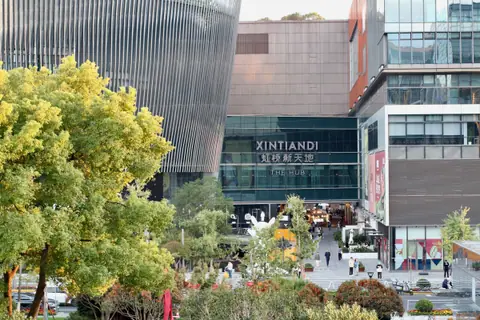
The easiest way to plan is by area. A waterfront day links the Bund, a river cruise and the Pudong skyline. A heritage day joins Yu Garden and the old city to the French Concession, Tianzifang and Xintiandi. A third day can go to the galleries of M50 and the West Bund, or out to Zhujiajiao. Summers are hot and sticky and winters are damp and cold, so spring and autumn are the easiest seasons to walk.
A few habits help from the first hour. Eat breakfast the local way, with a dumpling or a pancake from a street stall. Buy metro tickets through an app or at a machine, and expect crowds around the Bund and Nanjing Road at weekends. Avoid the first week of October and the Lunar New Year holiday if you can, because the whole country is travelling and prices jump. Shanghai is safe and orderly, and the main thing to watch for is the friendly stranger who invites you to a tea tasting.
Getting there
Pudong International Airport is the main gateway, with a fast maglev train and a metro line into the city. Hongqiao Airport and Hongqiao railway station share one hub on the west side, which makes the high-speed rail to Suzhou, Hangzhou and Beijing simple. Inside the city, the metro, buses and taxis cover everything, and the centre is walkable in sections.
Where to stay
Stay near a metro interchange and you will save time every day. The Bund and People's Square suit a first trip, the French Concession and Xintiandi put cafes and old villas at your door, and Jing'an suits shopping and easy transport. Book early for the Bund-view hotels, trade fairs and public holidays, and expect small rooms and high prices in the most central districts.
Things to do
The big names sit on the river: the Bund, Lujiazui and the Shanghai Tower. For history, visit the Shanghai Museum and the Jewish Refugees Museum. For fresh air, try Fuxing Park, Century Park or the canals of Zhujiajiao.
Food and drink
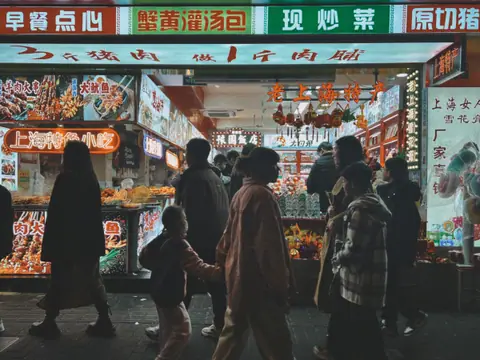
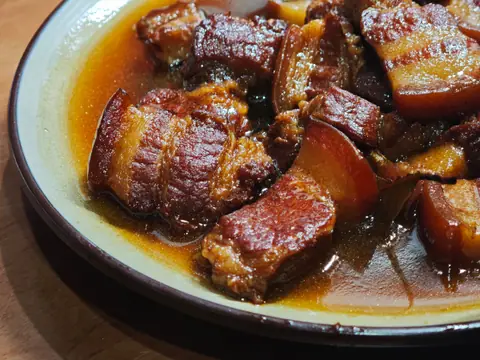
Shanghai eats by habit more than by recipe, and the dumpling is the heart of it. Start with our soup dumpling guide and the street food guide, then follow the local flavours through Shanghainese cuisine and the city's tea houses.
Culture
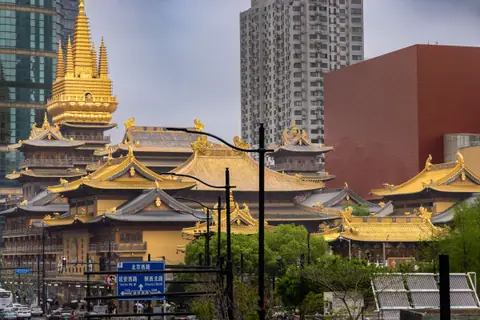
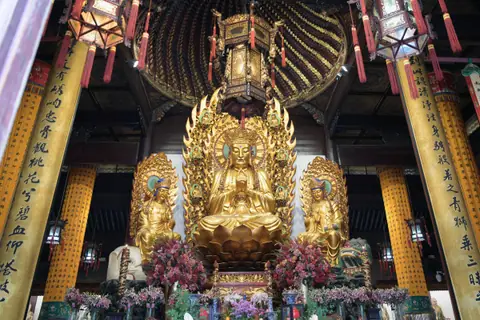
Shanghai's culture is a blend of Chinese tradition and a century of foreign influence. Visit the Jing'an Temple and the Jade Buddha Temple to see how faith survives among towers, and read shikumen architecture and Art Deco Shanghai to understand its streets. The Power Station of Art adds the contemporary story.
Weather by month
Shanghai is warmest in August, with average highs around 32°C, and coldest in January, when nights drop to about 2°C. June is the wettest month, with rain on about 17 days. For mild weather with fewer rainy days, aim for April, October and November.
| Month | Low | Range | High | Rain | Rainy days |
|---|---|---|---|---|---|
| Jan | 2°C | 9°C | 67 mm | 8 d | |
| Feb | 3°C | 11°C | 69 mm | 9 d | |
| Mar | 7°C | 16°C | 81 mm | 11 d | |
| Apr | 11°C | 21°C | 101 mm | 10 d | |
| May | 16°C | 25°C | 132 mm | 12 d | |
| Jun | 21°C | 28°C | 264 mm | 17 d | |
| Jul | 25°C | 32°C | 216 mm | 18 d | |
| Aug | 26°C | 32°C | 131 mm | 15 d | |
| Sep | 22°C | 28°C | 174 mm | 14 d | |
| Oct | 16°C | 23°C | 78 mm | 8 d | |
| Nov | 11°C | 18°C | 80 mm | 10 d | |
| Dec | 4°C | 11°C | 46 mm | 7 d |
Averages of daily values from 2015 to 2024. Rainy days are days with at least 1 mm of rain. Source: Open-Meteo · Compare destinations by month.
Shanghai on the map
Every place we cover in Shanghai. Tap a category or pin to explore.
In-depth Shanghai guides
Browse the guides grouped by topic: sights, neighbourhoods, food, transport, day trips and trip planning.
Sights, Landmarks & Parks
Key monuments, viewpoints, museums and nature trails.
- Oriental Pearl Tower GuideWhat the Pearl Tower offers, the deck levels and when it pays off.
- Shanghai Tower GuideWhat makes the Shanghai Tower special and how to plan the visit.
- Shanghai Museum GuideWhat the Shanghai Museum holds, how to book and which galleries to pick.
- Yu Garden GuideWhat Yu Garden is, what to look for inside and how to avoid the crowds.
- Old City and City God Temple GuideHow to explore the old walled city, the City God Temple and its lanes.
- Jing'an Temple GuideWhat Jing'an Temple is, its history and how to visit with respect.
- Jade Buddha Temple GuideWhat the Jade Buddha Temple holds, how to visit and what to expect.
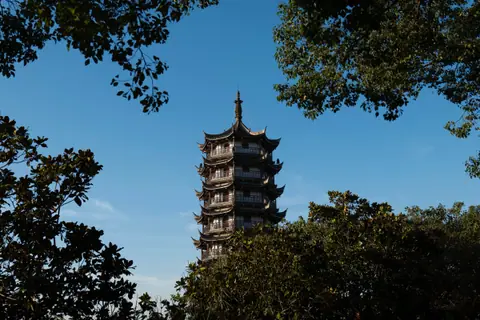
- Longhua Temple GuideWhat Longhua Temple offers, from the pagoda to the festival bell.
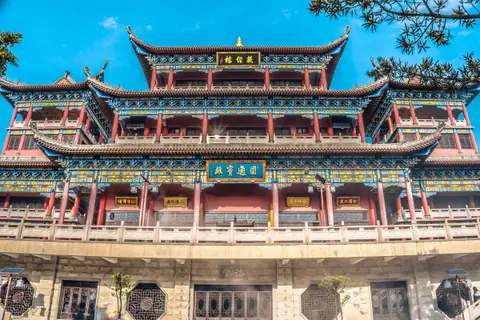
- Shanghai Confucian Temple GuideWhat the Confucian Temple is, why it feels calm and what to look for.
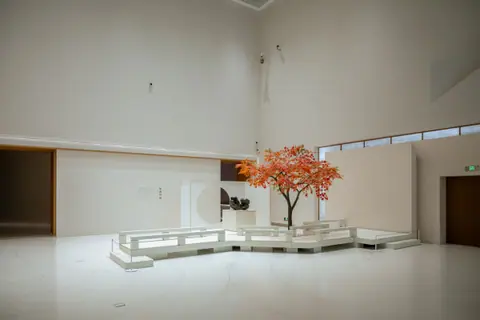
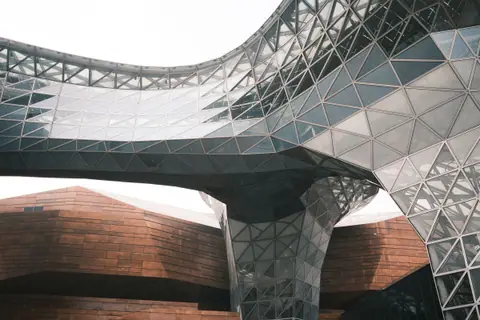
- Power Station of Art GuideWhat the Power Station of Art is, what it shows and how to visit it.
- Shanghai Jewish Refugees Museum GuideWhat the museum tells, where it stands and how to visit with respect.
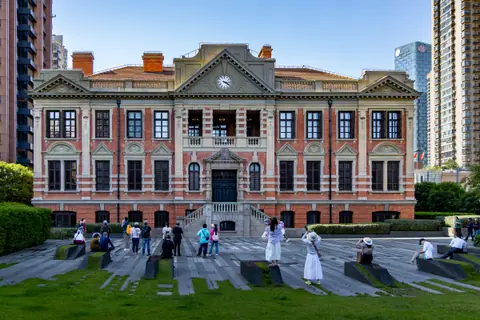
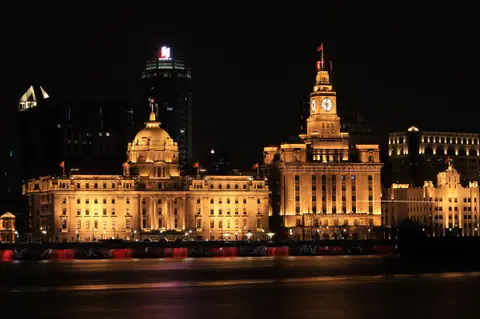
- Art Deco Shanghai GuideWhere to find Shanghai's Art Deco landmarks and how to walk between them.
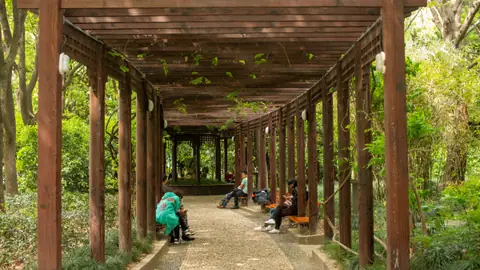
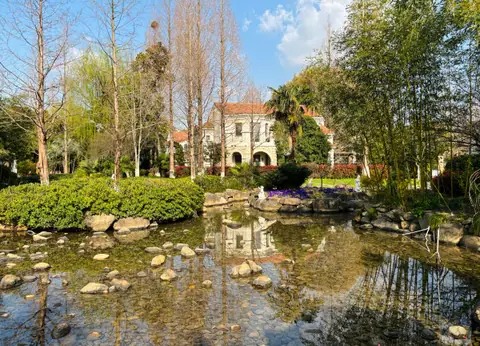
- Fuxing Park GuideWhat Fuxing Park offers and why it is the best place to watch local life.
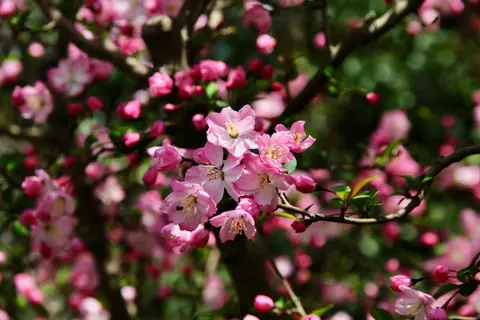
- Century Park GuideWhat Century Park offers, from lakes and bikes to spring flowers.
- Shanghai Botanical Garden GuideWhat the botanical garden holds and when it is at its best.
- Shanghai Science and Technology Museum GuideWhat the science museum offers, which galleries to pick and how to plan.
Neighbourhoods & Where to Stay
Districts, historic quarters and the best bases for your stay.
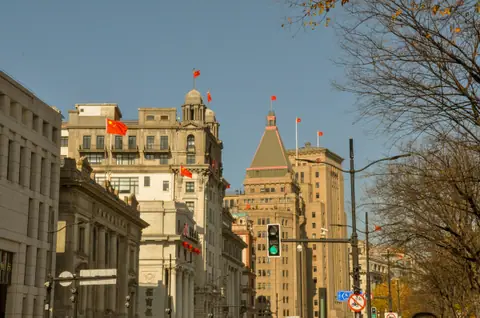
- The Bund GuideThe Bund is a waterfront strip along the Huangpu River featuring historic architecture and views of the modern Pudong skyline.
- Lujiazui GuideWhat Lujiazui is, which towers matter and how to see it on foot.
- Nanjing Road GuideWhat Nanjing Road offers, east and west, and how to avoid the tourist traps.
- People's Square GuideWhat People's Square holds, from museums to the weekend marriage market.
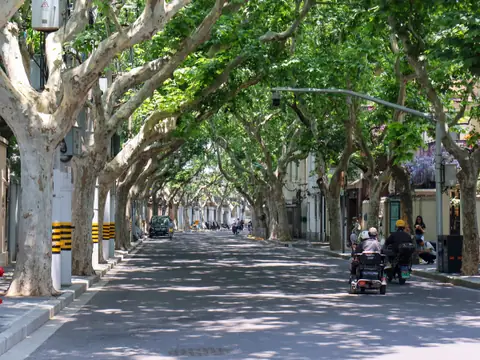
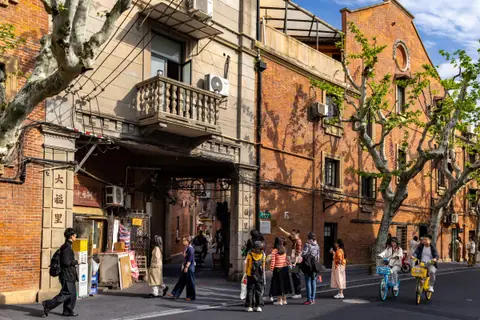
- French Concession GuideWhy the French Concession is Shanghai's best district for walking.
- Wukang Road GuideWhat to see on Wukang Road, from the flatiron building to the villas.
- Tianzifang GuideWhat Tianzifang is, how it grew and how to enjoy it without the crowds.
- Xintiandi GuideWhat Xintiandi is, what to see and how it differs from Tianzifang.
- M50 Art District GuideWhat M50 is, how its galleries work, and how to plan an afternoon.
- West Bund GuideWhat the West Bund offers, from art museums to a long riverside path.
- Hongkou and Duolun Road GuideWhat Hongkou offers, from literary streets to quiet lanes and parks.
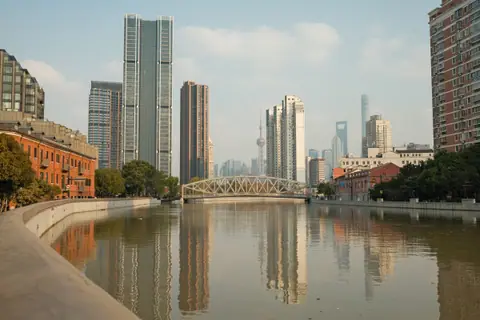
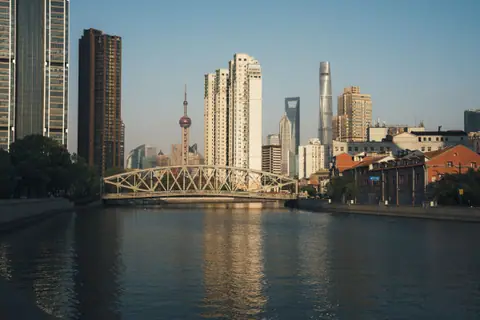
- Suzhou Creek GuideSuzhou Creek offers walkers routes past old bridges, historic warehouses, and modern art districts.
Food & Drink
Local dishes, markets, cafés and dining districts.
Getting Around & Arrival
Airport transfers, public transit, passes and driving rules.
Day Trips & Excursions
Easy half-day and full-day trips from the city.
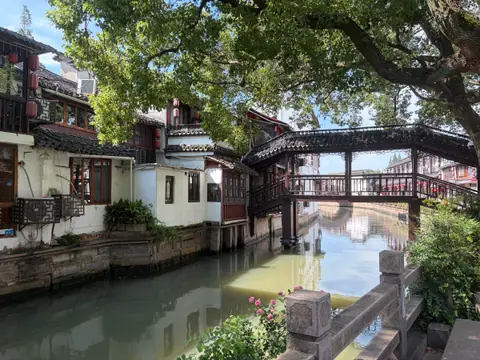
- Zhujiajiao Water Town GuideWhat Zhujiajiao offers, how to reach it and how to beat the crowds.
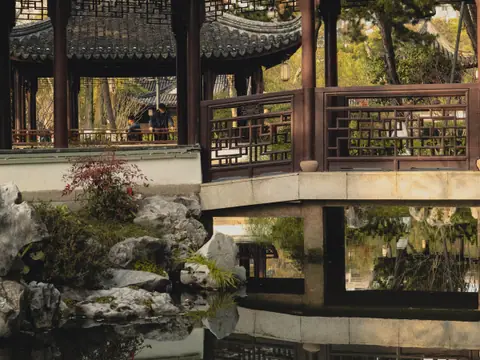
- Suzhou Day Trip GuideHow to do Suzhou in a day from Shanghai, with gardens, canals and a museum.
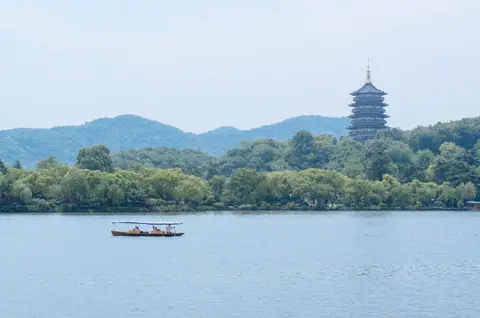
- Hangzhou and West Lake GuideHow to visit Hangzhou's West Lake in a day from Shanghai.
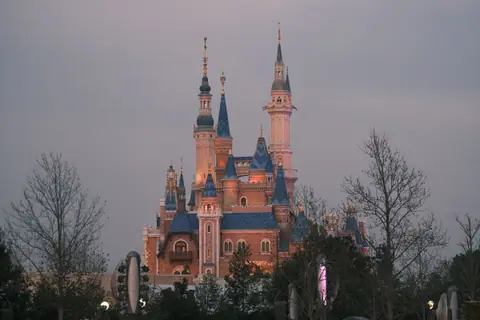
- Shanghai Disney Resort GuideHow to plan a day at Shanghai Disney, from tickets to the best rides.
Trip Planning & Itineraries
When to visit, what to pack and day-by-day routes.
- Huangpu River Cruise GuideThe cruise offers a simple way to view the skyline, and public ferries provide a budget alternative.
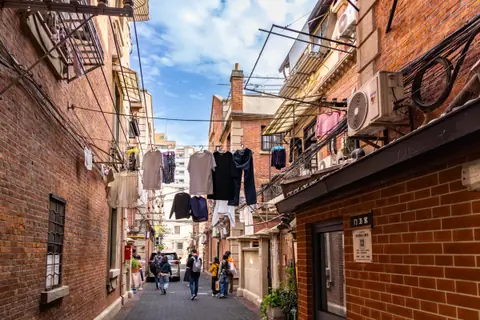
- Shikumen Architecture GuideWhat shikumen houses are, how they work and where to see them today.
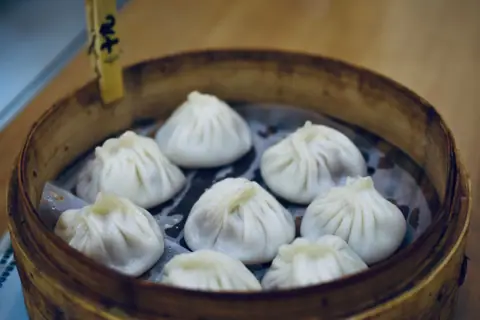
- Xiaolongbao GuideWhat xiaolongbao are, how to eat them without a burn and where to go.
- Shanghainese Cuisine GuideWhat to order in a Shanghainese restaurant and why the flavours differ.
- Shanghai Tea Houses GuideHow to enjoy tea in Shanghai and how to avoid the tea scam.
- Shanghai Nightlife GuideWhere to go after dark in Shanghai, from skyline bars to quiet jazz rooms.
Need your embassy or consulate in China? See embassies and consulates in China.
Reviews
Log in to write a review.
No reviews yet.