


























Photo: Zeynel Cebeci · CC BY-SA 4.0
Best Beaches in Mersin: Crystal Waters, Hidden Coves and Beach Clubs
Explore Mersin's beautiful coastline, featuring Mediterranean beaches right next to ancient ruins and historical fortresses.
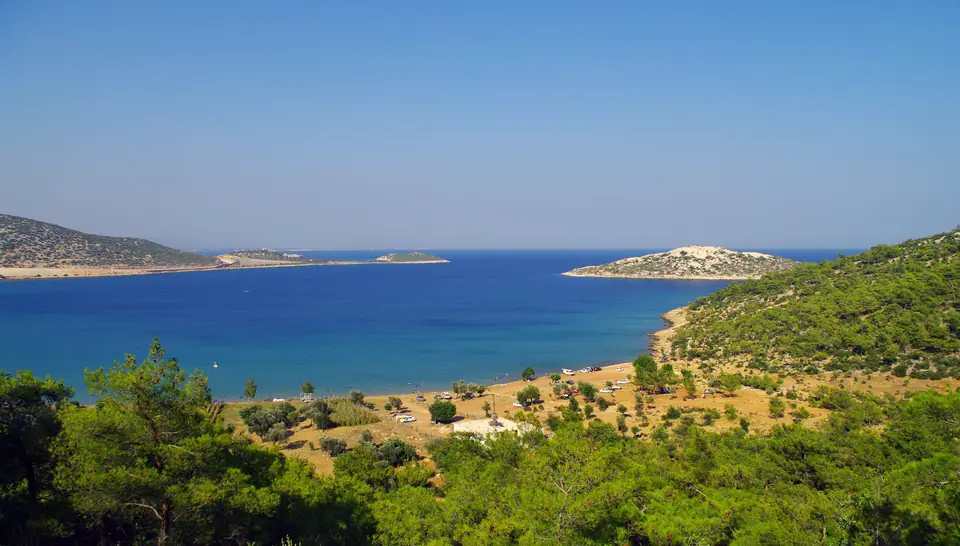
The finest beaches in Mersin province combine Mediterranean swimming spots with direct access to historical ruins. Visitors can swim near the 1199 island fortress of Kız Kalesi or explore the coastal remains of Anemurium Ancient City.
Coastal Weather for Swimming in Mersin Province
The Mediterranean climate dictates the swimming season along the coast. July and August provide the warmest conditions for visiting the beaches. August reaches an average high of 32.5°C with a low of 24.8°C, and rainfall drops to just one wet day. July offers similar heat, with a high of 32.0°C over 1.3 wet days. June begins the hot season with highs of 29.1°C and 11 millimetres of rain. September remains warm for swimming, maintaining an average high of 31.0°C and a low of 21.9°C.
The Island Fortress of Kız Kalesi
Travellers planning a 3-day itinerary often include the waters around Kız Kalesi. This historical structure sits on an islet in the Mediterranean Sea, exactly 600 metres from the mainland coast. Leo I constructed the defensive building in 1199. Visitors can view the castle from the sandy shore or swim in the surrounding waters during the warmer months. Combining this shoreline with nearby sinkholes makes for a comprehensive day trip, detailed in our guide to Cennet-Cehennem and Kızkalesi.
Historical Coastline at Anemurium Ancient City
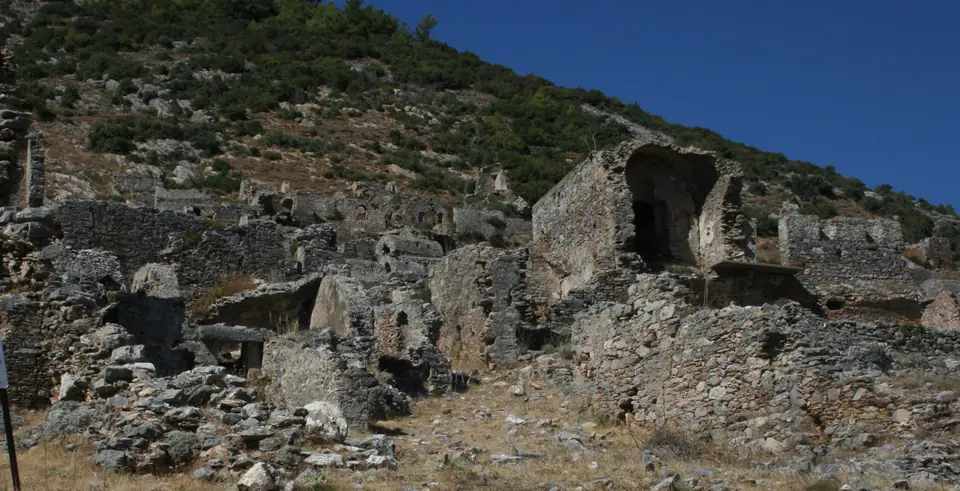
Further along the coast, Anemurium Ancient City provides a different seaside experience. The ruins sit directly beside the Mediterranean waters. Visitors exploring the shoreline will find extensive defensive structures, including walls constructed entirely from local blue limestone. These stone barriers span 1.5 kilometres along the coastal terrain.
Choosing Your Coastal Experience
Deciding between these historical beaches depends on whether you prefer island views or exploring extensive ruins.
Exploring the Necropolis and Ancient Theatre
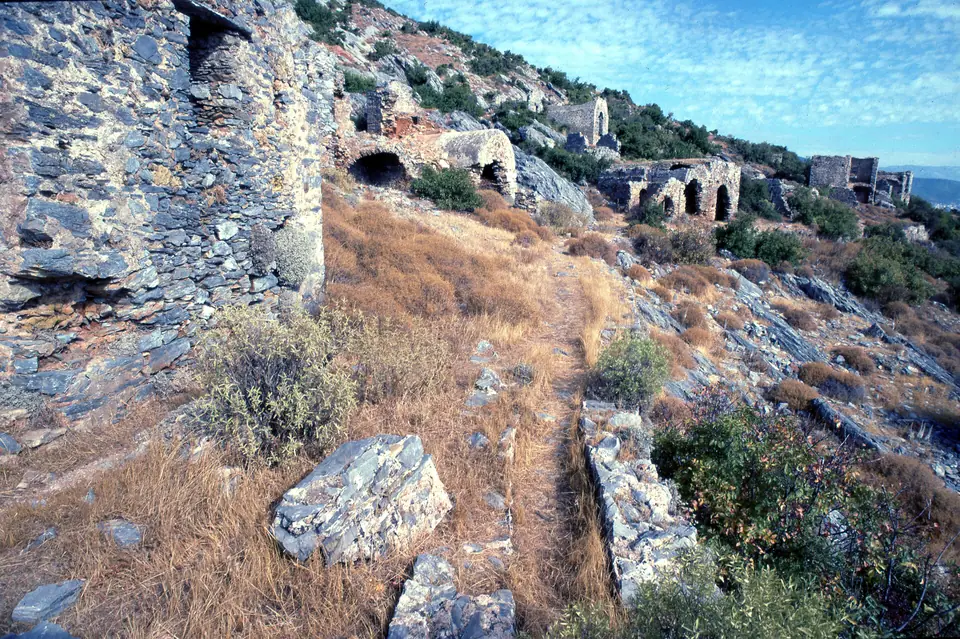
The coastal geography at Anemurium includes a mountain bordering the city on the west, and its slopes hold a vast necropolis area. Visitors walking up from the beach can observe numerous ancient tombs scattered across the hillside. This burial ground overlooks the sea and the main settlement ruins. The site also includes an ancient odeon built during the 2nd century AD, which provided seating for approximately 900 people.
Spring and Autumn Coastal Conditions
Visitors who prefer milder weather for exploring the coastline should consider the shoulder seasons. May brings an average high of 25.9°C and 39 millimetres of rain across 6.7 wet days. October cools down to a high of 27.8°C with 20 millimetres of rainfall over 3.5 wet days. April offers a cooler high of 22.4°C and a low of 12.5°C. November sees temperatures drop to a high of 21.8°C and a low of 12.2°C, while rainfall increases to 68 millimetres. These months provide comfortable conditions for walking around the ruins. The best time to visit Mersin depends on your tolerance for heat.
Winter Conditions Along the Mediterranean Coast
Winter brings significant changes to the Mersin coastline. December sees 148 millimetres of rain across 9.6 wet days. January follows with 138 millimetres of rain over 10.7 wet days, accompanied by an average high of 14.0°C and a low of 5.9°C. February sees rainfall decrease to 83 millimetres across 7.2 wet days, with highs reaching 15.9°C. March maintains 83 millimetres of rain, but temperatures rise to an average high of 18.2°C. Swimming is generally not possible during these months, though the historical sites remain open. Before travelling, review what to wear in Mersin to prepare for the winter rain.
Coastal Dining and Regional Flavours
Spending a day by the Mediterranean shore naturally creates an appetite for local cuisine. Seaside towns along the Mersin coast feature casual eateries and traditional restaurants serving fresh regional food. Tantuni remains the signature dish of the province, consisting of finely diced beef or chicken cooked with spices and wrapped in thin flatbread. Enjoying this warm dish after a swim provides an authentic culinary experience. Learn where to find the finest local preparations in our guide to the best tantuni and food in Mersin.
Planning Your Seaside Journey
Getting to the beaches along the Mersin coastline requires choosing the right transport. Highway connections link Mersin city centre with coastal towns including Kızkalesi and Anamur. Frequent minibuses run west along the coast, allowing visitors to reach different beaches without difficulty. Those wanting greater flexibility for visiting remote ruins and coves can rent a vehicle. Review our advice on how to get to Mersin to organise your journey efficiently. For broader sightseeing ideas across the province, consult our guide to things to do in Mersin.
Where it is
- 1Best Beaches in Mersin
- Çukurova International Airport (COV) · about 102 km from here in a straight line
- Directions in Google Maps
Stations and taxi ranks: OpenStreetMap. Airports: OurAirports. Distances are in a straight line.
Traveller tips
Real advice from people who have been to Mersin. Every tip is read by our team before it goes live.
No tips yet. Been here? Yours could be the first.
Thank you! Your tip will appear here after a quick review.
More in Mersin
Continue exploring Mersin with related neighbourhood, food, and planning guides

How to Get to Mersin: Flights, Çukurova Airport Transfers and Ferries
Mersin, Turkey
Best Time to Visit Mersin: Seasons, Weather and Festival Highlights
Mersin, Turkey
What to Wear in Mersin: Packing Guide for Humid Summers and Historic Sites
Mersin, Turkey
Where to Stay in Mersin: Best Neighbourhoods and Coastal Resorts
Mersin, Turkey
