


























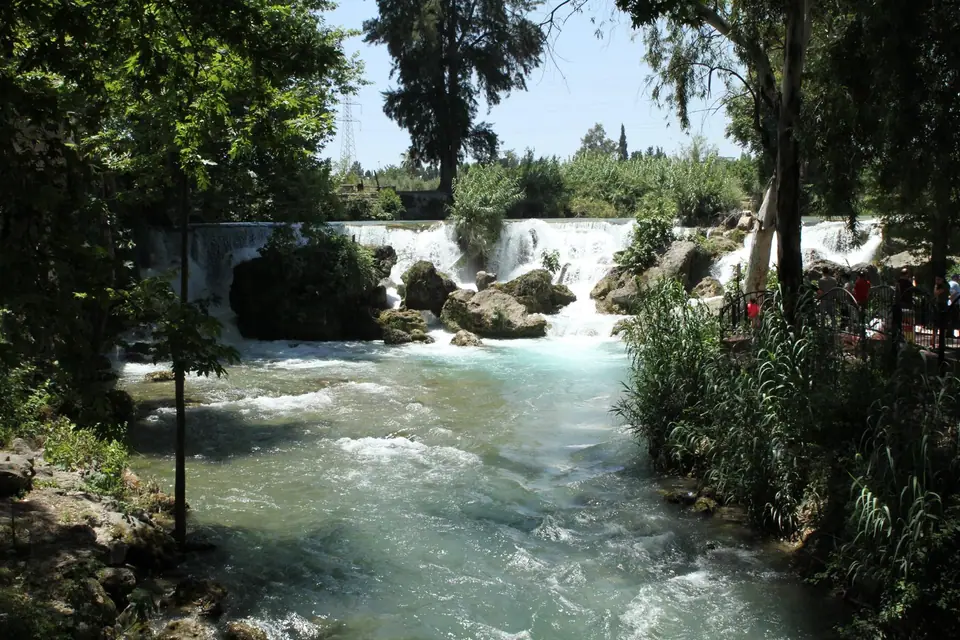
Photo: Suatbezeng · CC BY-SA 4.0
Best Time to Visit Mersin: Seasons, Weather and Festival Highlights
A complete guide to Mersin's weather, seasonal changes, and the best times to visit local historical sites.
Choosing the right time of year to visit Mersin depends on your preference for warmth and rainfall. Summer brings hot days with minimal rain, while winter brings cooler days and frequent precipitation.
Mersin Weather by Month
Understanding the local climate helps you plan a comfortable trip. Below is a detailed breakdown of Mersin weather by month, based on recorded historical observations.
Open-Meteo historical weather data
| Month | Average High (°C) | Average Low (°C) | Rainfall (mm) | Wet Days |
|---|---|---|---|---|
| January | 14.0 | 5.9 | 138 | 10.7 |
| February | 15.9 | 6.8 | 83 | 7.2 |
| March | 18.2 | 8.8 | 83 | 9.1 |
| April | 22.4 | 12.5 | 36 | 6.8 |
| May | 25.9 | 16.5 | 39 | 6.7 |
| June | 29.1 | 20.8 | 11 | 2.9 |
| July | 32.0 | 23.9 | 5 | 1.3 |
| August | 32.5 | 24.8 | 4 | 1.0 |
| September | 31.0 | 21.9 | 10 | 2.6 |
| October | 27.8 | 17.5 | 20 | 3.5 |
| November | 21.8 | 12.2 | 68 | 5.5 |
| December | 16.5 | 8.2 | 148 | 9.6 |
Summer Heat and Swimming Season Along Mersin Coast
During July and August, Mersin gets very hot, with average highs reaching 32.0°C and 32.5°C respectively. August records an average low of 24.8°C and just 4 mm of rainfall over 1.0 wet days. July is similarly dry, recording 5 mm of rain across 1.3 wet days. These high temperatures mark the swimming season along the coast. Visitors often wonder about the summer humidity, as the coastal air feels heavy during these warm months. June offers a slightly cooler alternative with an average high of 29.1°C and 11 mm of rain.
Spring Conditions for Exploring Historical Sites
Spring provides milder weather for outdoor walks. March records an average high of 18.2°C and an average low of 8.8°C. Rainfall in March sits at 83 mm across 9.1 wet days. April warms up to an average high of 22.4°C, and rainfall drops to 36 mm over 6.8 wet days. May reaches a pleasant 25.9°C average high with 39 mm of rain. These months offer comfortable conditions for following a travel guide itinerary. You can comfortably explore the Korykos ruins without summer heat.
Autumn Travel and Mersin Citrus Festival Dates
Autumn brings a gradual cooling to the region. September maintains a warm average high of 31.0°C and an average low of 21.9°C. Rainfall in September remains low at 10 mm across 2.6 wet days. October sees temperatures drop to an average high of 27.8°C and a low of 17.5°C. Rain increases slightly in October to 20 mm over 3.5 wet days. Many visitors check the dates of the Mersin Citrus Festival to align their trips with local autumn events. November cools further to a 21.8°C average high, with rainfall rising to 68 mm.
Winter Rainfall and Cooler Temperatures
Winter brings cooler temperatures and increased precipitation to the region. December brings notable precipitation, recording 148 mm of rain across 9.6 wet days. The average high in December is 16.5°C, with an average low of 8.2°C. In January, Mersin records an average high temperature of 14.0°C and an average low of 5.9°C. January also sees 138 mm of rainfall across 10.7 wet days. February warms slightly to an average high of 15.9°C and a low of 6.8°C. Rainfall in February drops to 83 mm over 7.2 wet days.
Planning Around Wet Days
Your packing strategy should reflect the seasonal rainfall differences. Summer requires light clothing, as August averages 1.0 wet days. Winter demands waterproof gear, with January averaging 10.7 wet days. You can check a guide on what to wear for specific clothing suggestions. The transition months of April and October offer a middle ground. April averages 6.8 wet days, and October sees just 3.5 wet days. These shoulder seasons balance manageable rain with comfortable temperatures.
Visiting Soli Pompeipolis and Cennet Sinkhole
Mild weather makes exploring local landmarks much easier. Soli Pompeipolis features standing columns near the city centre. Walking among these columns is pleasant during the 22.4°C average highs of April. The Cennet Sinkhole contains an ancient stone church. Descending into the sinkhole requires physical effort, which suits the cooler 18.2°C average highs of March. You can find more details on these sites in an overview of things to do in Mersin. May also provides good weather for these excursions with its 25.9°C average high.
Kanlı Divane and Anemurium Excursions
Further historical sites require travel outside the city centre. Kanlı Divane sits west of Mersin around a limestone sinkhole. Anemurium features ancient stone structures. Exploring these expansive ruins works well in October, when the average high is 27.8°C. September is also an option, though the 31.0°C average high demands more water and sun protection. After a long day of walking, you can return to the city to eat traditional foods such as Tantuni and Kerebiç. The regional climate ensures that historical exploration remains possible throughout much of the year.
Where it is
- 1Mersin
- Çukurova International Airport (COV) · about 41 km from Mersin in a straight line
- Directions in Google Maps
Stations and taxi ranks: OpenStreetMap. Airports: OurAirports. Distances are in a straight line.
Traveller tips
Real advice from people who have been to Mersin. Every tip is read by our team before it goes live.
No tips yet. Been here? Yours could be the first.
Thank you! Your tip will appear here after a quick review.
More in Mersin
Continue exploring Mersin with related neighbourhood, food, and planning guides

Mersin: Essential Planning Tips for Turkey's Mediterranean Gateway
Mersin, Turkey

Things to Do in Mersin: Culture, Ruins and Coastal Promenades
Mersin, Turkey

How to Get to Mersin: Flights, Çukurova Airport Transfers and Ferries
Mersin, Turkey

What to Wear in Mersin: Packing Guide for Humid Summers and Historic Sites
Mersin, Turkey
