Miami
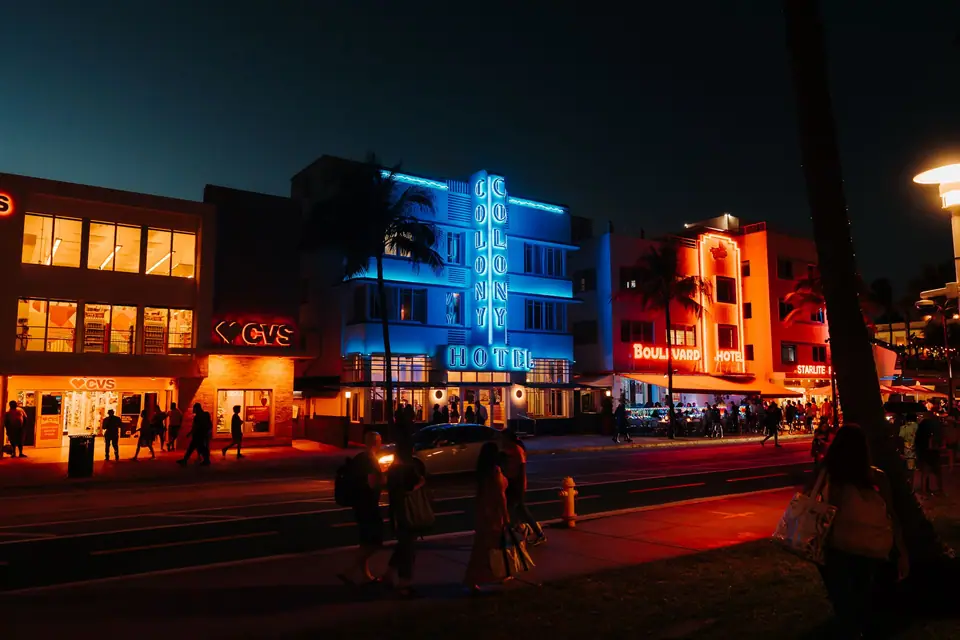
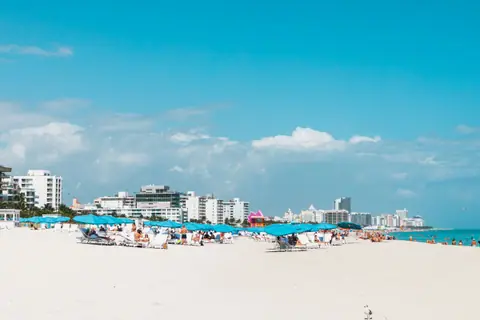
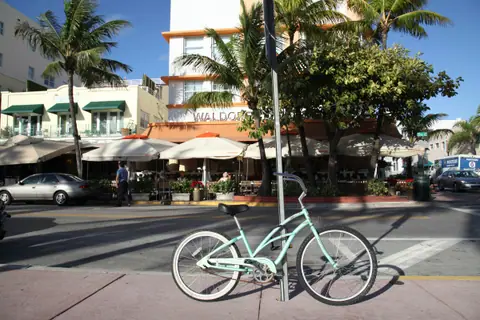
Art Deco hotels on a white-sand beach, Cuban coffee in Little Havana, murals in Wynwood and the Everglades an hour away, in a city that speaks as much Spanish as English.
Quick decisions
How many days?
3 days: South Beach, Little Havana and Wynwood. 4 to 5 days: add the Everglades, Vizcaya and Coconut Grove. 6 days or more: add a drive down the Florida Keys, with a night in Key West.
Where should I stay?
South Beach: the beach, the Deco and the nightlife. Mid-Beach: quieter, bigger resorts. Brickell and Downtown: towers, bay views and the free Metromover. Coconut Grove: leafy and calm. More in our where to stay guide.
Do I need a car?
Not in South Beach, where you can walk and use the free trolley. For the Everglades, the Keys and the wider city, yes, or a tour. Hotel parking is expensive, so hire one only for the days you need it.
Best for
Beach lovers: warm water much of the year. Architecture fans: the world's largest group of Art Deco buildings. Food lovers: Cuban, Peruvian, Haitian and stone crabs. History buffs: it's a young city, so look elsewhere.
Before you go
ESTA: most visa-waiver travellers need one. Book ahead: hotels for Art Basel week, spring break and big race weekends. Tipping: many restaurants add a service charge, so check the bill before tipping again.
Getting around
From the airport: a taxi or rideshare, or the free MIA Mover to the Metrorail. In the city: walking, trolleys, rideshare and the Metromover. Details in our getting there guide.
Continue your trip
Brightline trains reach Fort Lauderdale in about half an hour and Orlando in about three and a half. Key West is three and a half to four hours down the Overseas Highway, too far for a comfortable day trip, and the Bahamas are a short flight away.
Overview
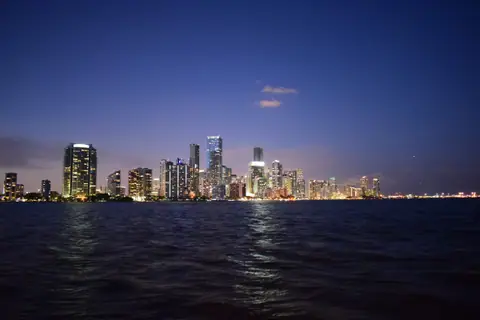
Miami is two places. Miami Beach is a long barrier island of sand, palm trees and pastel Art Deco hotels, with South Beach at its southern tip. Across Biscayne Bay, the city of Miami proper is a sprawl of glass towers in Brickell, Cuban cafés in Little Havana, murals in Wynwood and old banyan trees in Coconut Grove. Most visitors stay at the beach and cross the causeways for the rest.
It is also one of the most Latin American cities in the United States. Spanish is heard everywhere, Cuban coffee is the local fuel, and Caribbean and South American influences run through the food and music. Three or four days covers the city, and another day or two lets you add the Everglades or the Keys. Start with our Miami travel guide.
Getting there
Miami International Airport is about eight miles west of downtown and around 30 minutes from South Beach by taxi outside rush hour. Fort Lauderdale's airport, further north, is often cheaper. Our getting there guide explains trains, buses and trolleys.
Where to stay
Most first-timers stay in South Beach, within a few blocks of the sand. Mid-Beach has bigger resorts, Brickell and Downtown suit city trips, and Coconut Grove is calmer. Our where to stay guide compares them.
Things to do
Start with the beach and the architecture in our South Beach guide, then cross the bay for coffee and dominoes in our Little Havana guide. Wynwood, Vizcaya and the rest are in our things to do list.
Food and drink
Cuban food is the local staple: a pressed Cuban sandwich, croquetas, guava pastelitos and a tiny, sweet cafecito from a walk-up window. From mid-October to May, stone crab claws are served cold with mustard sauce. Peruvian ceviche, Venezuelan arepas and Haitian griot reflect the city's newer communities.
Culture
Miami was incorporated in 1896, when Henry Flagler's railway arrived, and Miami Beach was built on mangrove swamp in the 1910s. The Art Deco hotels went up in the 1930s, and after the Cuban revolution of 1959 hundreds of thousands of exiles arrived, reshaping the city's language, politics and food. Later waves from across Latin America and the Caribbean followed.
Weather by month
Miami is warmest in July, with average highs around 31°C, and coldest in January, when nights drop to about 17°C. June is the wettest month, with rain on about 22 days. For mild weather with fewer rainy days, aim for January, February, March, November and December.
| Month | Low | Range | High | Rain | Rainy days |
|---|---|---|---|---|---|
| Jan | 17°C | 24°C | 79 mm | 11 d | |
| Feb | 19°C | 25°C | 64 mm | 11 d | |
| Mar | 20°C | 26°C | 64 mm | 10 d | |
| Apr | 22°C | 28°C | 84 mm | 12 d | |
| May | 23°C | 29°C | 150 mm | 16 d | |
| Jun | 25°C | 30°C | 222 mm | 22 d | |
| Jul | 26°C | 31°C | 131 mm | 22 d | |
| Aug | 26°C | 31°C | 162 mm | 25 d | |
| Sep | 25°C | 30°C | 202 mm | 24 d | |
| Oct | 24°C | 29°C | 149 mm | 19 d | |
| Nov | 22°C | 27°C | 104 mm | 13 d | |
| Dec | 20°C | 25°C | 94 mm | 11 d |
Averages of daily values from 2015 to 2024. Rainy days are days with at least 1 mm of rain. Source: Open-Meteo · Compare destinations by month.
Miami on the map
Every place we cover in Miami. Tap a category or pin to explore.
In-depth Miami guides
Browse the guides grouped by topic: sights, neighbourhoods, food, transport, day trips and trip planning.
Sights, Landmarks & Parks
Key monuments, viewpoints, museums and nature trails.

Neighbourhoods & Where to Stay
Districts, historic quarters and the best bases for your stay.
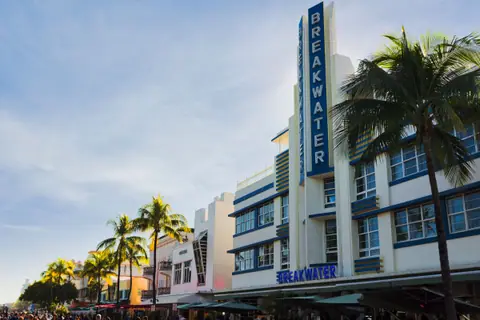
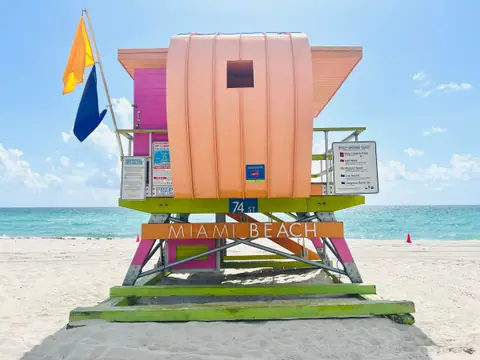
- South Beach Guide: The Beach, the Art Deco District and Lincoln RoadWhere to walk, swim and eat on Miami's most famous stretch of sand.
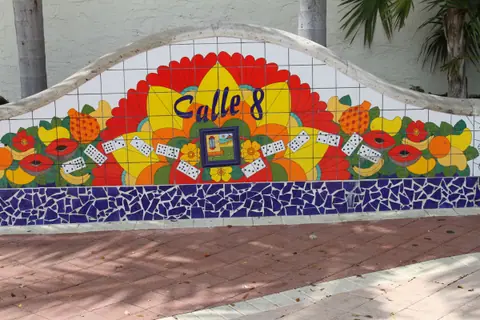
- Little Havana Guide: Calle Ocho, Cafecito and DominoesA walk along Calle Ocho, with coffee stops, dominoes and live music.
- Where to Stay in Miami: A Neighbourhood GuideSouth Beach, Mid-Beach, Brickell or Coconut Grove: which base suits your trip.
Getting Around & Arrival
Airport transfers, public transit, passes and driving rules.

Day Trips & Excursions
Easy half-day and full-day trips from the city.

Trip Planning & Itineraries
When to visit, what to pack and day-by-day routes.
- Miami: What to Know Before You GoBeach or mainland, car or no car, and the bill surprises nobody warns you about.
- Best Time to Visit MiamiDry winters, wet summers, and how the event calendar moves hotel prices.
- What to Wear in MiamiBeachwear, light city clothes and one outfit for a night out.
- Miami 3-Day ItineraryThree days that balance the beach, the city and the wild edge of Florida.

Need your embassy or consulate in United States? See embassies and consulates in United States.
Reviews
Log in to write a review.
No reviews yet.