Photo by Sergio Sala on Unsplash
Montreal: What to Know Before You Go
How the city works, how to handle the language and what to sort out before you land.
Montreal is an easy city for a first visit. It's safe, it's walkable in summer, and almost everyone you deal with will switch to English if you need it. A few things still work differently from the rest of North America, and knowing them makes the first day smoother.
How the city is laid out
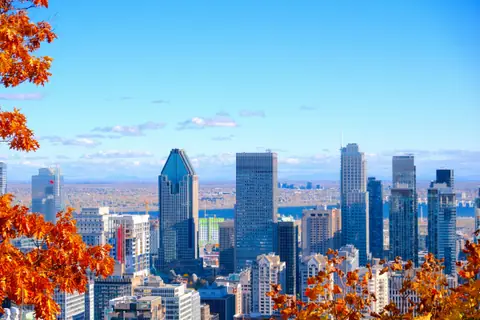
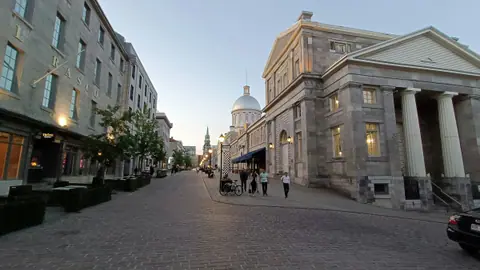
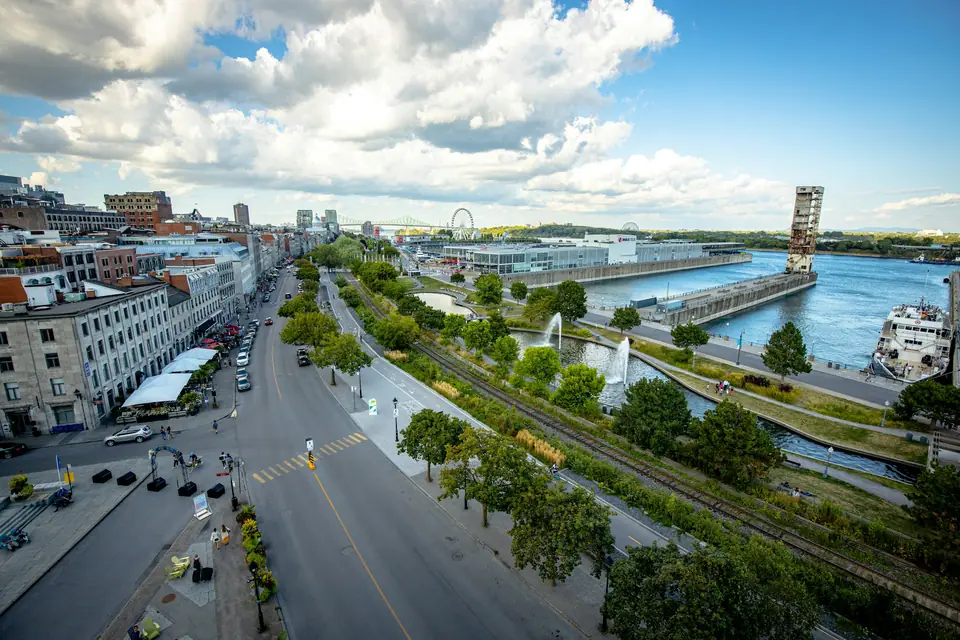
Montreal sits on an island in the St. Lawrence. Old Montreal and the Old Port run along the river. Just north is downtown, the business district, with Sainte-Catherine Street as its main shopping artery and the Quartier des spectacles, the festival district, at its eastern end. Behind downtown rises Mount Royal, and on its eastern flank lie the Plateau and Mile End. Locals give directions using "north" to mean towards the mountain, even though the street grid is tilted well off true north. Nobody will correct you.
French first
French is the official language of Quebec, and signs, menus and announcements are in French first. In practice downtown Montreal is bilingual, and you'll often be greeted with "Bonjour, hi!", an invitation to pick your language. Start with "bonjour" anyway. People notice, and it sets a friendly tone even if the rest of the conversation happens in English. Outside Montreal, in Quebec City and the countryside, less English is spoken.
Entry
Visa-exempt travellers flying to Canada, including Europeans, Britons and Australians, need an electronic travel authorisation (eTA). Apply only on the official Government of Canada site, where it costs a small fee, and ignore the lookalike agencies that charge more. US citizens don't need one, and nobody needs one arriving by land. Other nationalities need a visitor visa.
Money, taxes and tips
Prices on shelves and menus usually leave out the two sales taxes (federal and provincial), which are added at the till. Tipping is expected in restaurants and bars: 15 to 20 percent of the pre-tax bill, and card machines will prompt you. Hotels and registered short-term rentals also add a provincial lodging tax per night.
Winter is a real thing
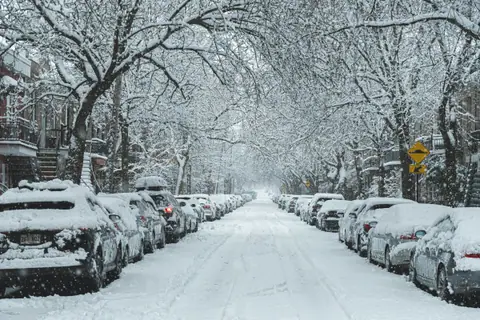
From December to March, temperatures below minus 10°C are normal and wind chill can make it feel much colder. The city copes well, with cleared pavements, heated metro stations and the underground city. You just need proper clothes, which our what to wear guide covers in detail.
Getting around
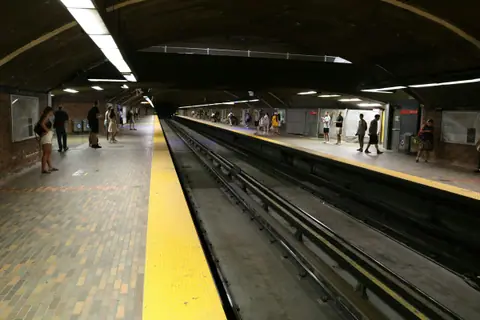
The metro has four colour-coded lines and is the quickest way across the centre. The REM, an automated light rail, links Gare Centrale with the South Shore and the western suburbs. In the warmer months Bixi bike-share docks are everywhere. Our getting there guide explains the tickets and the airport ride.
Traveller tips
Real advice from people who have been to Montreal: What to Know Before You Go. Every tip is read by our team before it goes live.
No tips yet. Been here? Yours could be the first.
Thank you! Your tip will appear here after a quick review.
More in Montreal
Continue exploring Montreal with related neighbourhood, food, and planning guides