Napa Valley
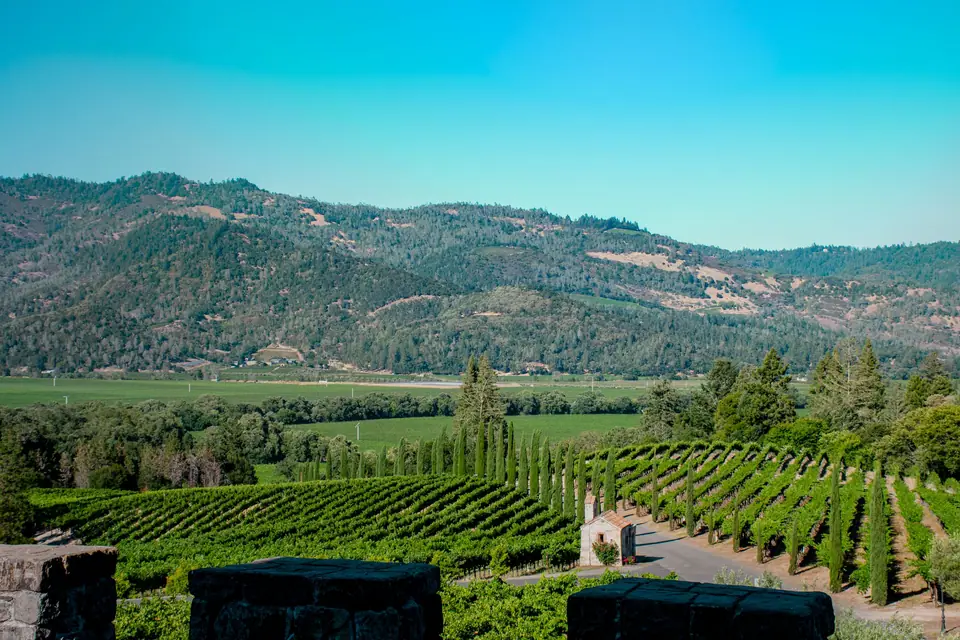
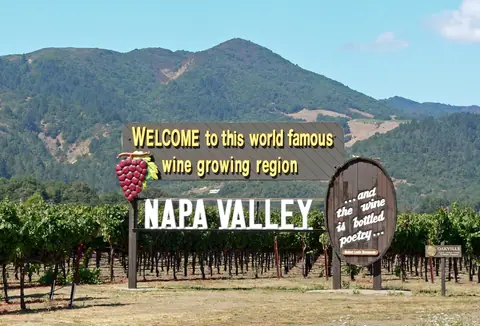
America's premier wine region an hour north of San Francisco, where 400+ hillside and valley-floor vineyards along Highway 29 and the Silverado Trail meet a 13th-century Tuscan castle, the vintage Napa Valley Wine Train, Michelin-starred dining in Yountville and geothermal hot springs in Calistoga.
Quick decisions
How many days?
3 days: Downtown Napa (Oxbow Public Market), the Napa Valley Wine Train and sparkling wine at Domaine Carneros on day one, Oakville and Rutherford Cabernet icons (Opus One and Robert Mondavi) plus Yountville on day two, and St. Helena, the Sterling Vineyards aerial gondola, Castello di Amorosa and Calistoga hot springs on day three. Follow our three-day route.
Where should I stay?
Downtown Napa: most walkable base with 40+ urban tasting rooms, Oxbow Market and the lowest hotel rates in the valley. Yountville or St. Helena: romantic, upscale village bases in the heart of the vineyards. Calistoga (North End): relaxed geothermal hot-spring pool resorts. Compare bases in our lodging guide.
Do I need a car?
Helpful to reach the valley, but hire a driver, join a wine trolley or use the VINE Trail for tasting days. Most wineries require advance reservations and are spread along 30-mile Highway 29 and Silverado Trail.
Best for
Acclaimed Cabernet Sauvignon & Chardonnay: 16 distinct sub-appellations (AVAs) from Carneros to Howell Mountain. Architectural wineries: a 107-room medieval castle, a hilltop gondola and a French château. Michelin dining & hot-air balloons: Yountville bistros and dawn vineyard flights.
Before you go
Book no more than 3 wineries per day (and reserve 2 to 4 weeks ahead): 90% of Napa Valley wineries no longer accept walk-ins and require timed tasting appointments in the morning, midday and mid-afternoon. Read our practical briefing.
Getting around
From San Francisco (SFO, 1 hour 15 mins north), Oakland (OAK, 1 hour) or Sacramento (SMF, 1 hour): easy motorway or Napa Airporter shuttle access. Details in arrival and transport.
Continue your trip
Drive 25 minutes west over the Mayacamas Mountains to Sonoma Plaza, or head 1 hour south across the Golden Gate Bridge to San Francisco.
Overview
Tucked between the pine-crested Mayacamas Mountains on the west and the volcanic ridges of the Vaca Range on the east, just 80 kilometres (50 miles) north of San Francisco on the ancestral homeland of the Mishewal Wappo People, Napa Valley is only 48 kilometres (30 miles) long and 8 kilometres wide, yet it produces just 4 percent of California's wine while commanding global renown alongside Bordeaux and Burgundy. Ever since the historic 1976 'Judgment of Paris' blind tasting, when a 1973 Stag's Leap Wine Cellars Cabernet Sauvignon and a 1973 Chateau Montelena Chardonnay defeated France's finest First Growth Bordeaux and white Burgundies, this sunny valley has been the flagship of New World winemaking.
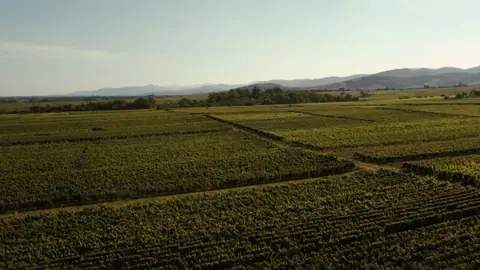
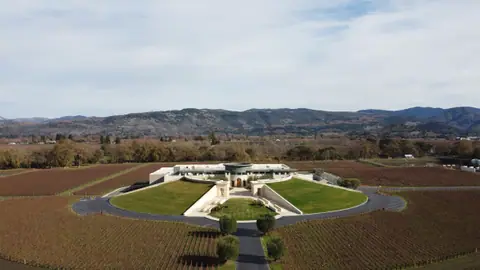
Two parallel two-lane roads run the entire length of the valley floor from south to north: landmark Highway 29 and the quieter eastern Silverado Trail. Starting in walkable Downtown Napa and Oxbow Public Market (where the vintage 1915 Pullman cars of the Napa Valley Wine Train depart) and the breezy châteaux of Domaine Carneros, the valley climbs north through the Michelin-starred culinary village of Yountville, the legendary Cabernet estates of Oakville and Rutherford (Opus One & Stag's Leap), historic St. Helena, the aerial gondola and medieval castle of Sterling Vineyards and Castello di Amorosa, and the volcanic mineral pools of Calistoga. Start with our before-you-go briefing and top things to do in Napa Valley.
Getting there
Napa Valley is surrounded by four airports within a 60-to-80-minute drive: San Francisco International (SFO, 75 mins south), Oakland International (OAK, 60 mins south), Sacramento International (SMF, 60 mins east via I-80) and Charles M. Schulz Sonoma County Airport (STS, 45 mins northwest). Once in the valley, note that Uber and Lyft are easy to hail in Downtown Napa and Yountville, but mobile reception and ride-share availability drop sharply at hillside wineries up in St. Helena and Calistoga. For worry-free tasting days, ride the Napa Valley Wine Train, book the open-air Napa Valley Wine Trolley, hire a designated driver who drives your own hire car, or rent an e-bike on the car-free Napa Valley Vine Trail. See getting to Napa Valley and how to get between wineries safely.
Where to stay
Instead of one single city, Napa Valley is a string of five distinct towns along Highway 29 from south to north: stay in Downtown Napa (south end) for the best hotel rates, 40+ walk-in tasting rooms, Oxbow Public Market and lively evening nightlife; stay 15 minutes north in Yountville for a jewel-like, 100% walkable culinary village home to The French Laundry and Bouchon; stay in central St. Helena for historic Main Street boutiques and classic estates; or stay at the northern tip in Calistoga for relaxed geothermal hot-spring swimming pools and mud baths at 30% lower rates than Yountville. Compare all five towns in where to stay in Napa Valley.
Things to do
Tour the 107-room medieval Tuscan castle of Castello di Amorosa and ride the aerial gondola up to Sterling Vineyards, board the restored 1915 Pullman dining cars of the Napa Valley Wine Train, sip sparkling brut on the French terrace of Domaine Carneros or Chandon, compare Highway 29 vs the scenic Silverado Trail, taste landmark Cabernet Sauvignon in Oakville and Rutherford (Opus One, Robert Mondavi & Stag's Leap), stroll Yountville and St. Helena (Beringer Rhine House & CIA at Greystone), soak in geothermal mineral pools in Calistoga, and float over the vines in a sunrise hot-air balloon. Full list in things to do in Napa Valley.
Food and drink
With more Michelin stars per capita than any wine region in the Americas, Napa Valley is a pilgrimage for food lovers: Chef Thomas Keller's three-Michelin-starred The French Laundry, French bistro classics and flaky croissants at Bouchon Bakery, gourmet trail sandwiches wrapped in butcher paper at historic 1881 Oakville Grocery, roadside California burgers and ahi tuna tacos with a milkshake at Gott's Roadside, artisan oysters, tacos and wood-fired pizza inside Downtown Napa's Oxbow Public Market, and wood-fired farm-to-table dinners at Farmstead at Long Meadow Ranch and Charter Oak. Read more in our Napa Valley dining and winery picnic guide.
Culture
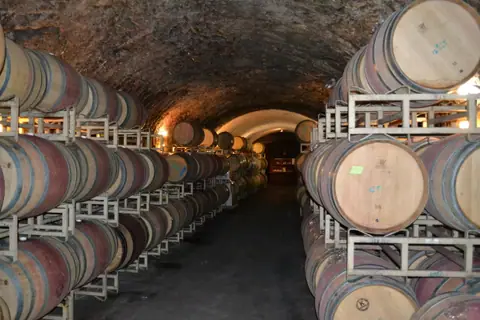
Pioneered in the 1860s to 1880s by visionaries like Charles Krug, Jacob and Frederick Beringer, and Gustave Niebaum (alongside skilled Chinese tunnel builders who hand-chiselled miles of underground ageing caves into volcanic tuff rock), Napa Valley protected its agricultural soul in 1968 by creating America's first Agricultural Preserve.
Weather by month
Napa Valley is warmest in August, with average highs around 30°C, and coldest in January, when nights drop to about 4°C. January is the wettest month, with rain on about 9 days. For mild weather with fewer rainy days, aim for May and October.
| Month | Low | Range | High | Rain | Rainy days |
|---|---|---|---|---|---|
| Jan | 4°C | 15°C | 118 mm | 9 d | |
| Feb | 5°C | 17°C | 106 mm | 8 d | |
| Mar | 6°C | 19°C | 82 mm | 7 d | |
| Apr | 8°C | 22°C | 38 mm | 4 d | |
| May | 10°C | 25°C | 16 mm | 2 d | |
| Jun | 12°C | 28°C | 4 mm | 1 d | |
| Jul | 13°C | 30°C | 0 mm | 0 d | |
| Aug | 13°C | 30°C | 1 mm | 0 d | |
| Sep | 12°C | 29°C | 4 mm | 1 d | |
| Oct | 9°C | 25°C | 28 mm | 3 d | |
| Nov | 6°C | 19°C | 68 mm | 6 d | |
| Dec | 4°C | 14°C | 114 mm | 9 d |
Averages of daily values from 2015 to 2024. Rainy days are days with at least 1 mm of rain. Source: Open-Meteo · Compare destinations by month.
Napa Valley on the map
Every place we cover in Napa Valley. Tap a category or pin to explore.
In-depth Napa Valley guides
Browse the guides grouped by topic: sights, neighbourhoods, food, transport, day trips and trip planning.
Sights, Landmarks & Parks
Key monuments, viewpoints, museums and nature trails.
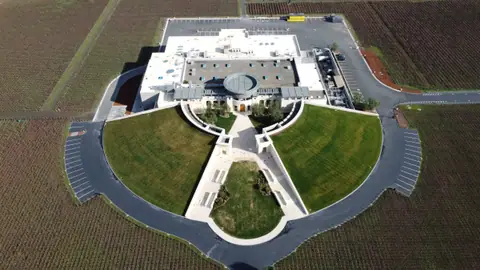
- Best Things to Do in Napa ValleyMedieval Tuscan wine castles, aerial vineyard gondolas, 1915 Pullman dining trains, sunrise hot-air balloons and geothermal spas.
- Driving Napa Valley: Highway 29 vs the Scenic Silverado Trail and Cross-RoadsComparing Napa's two parallel wine roads: flagship Highway 29 on the west versus the curving, uncrowded Silverado Trail on the east.
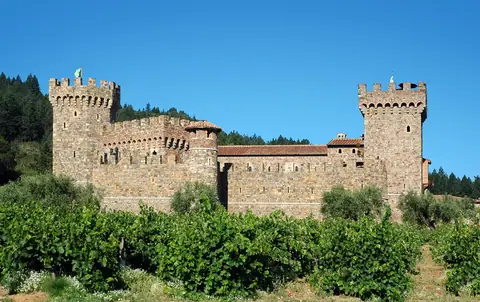
- Castello di Amorosa (13th-Century Tuscan Castle) & the Reopened Sterling Vineyards GondolaExploring a 107-room medieval Tuscan stone castle and riding North America's only winery aerial gondola within 5 minutes of each other.
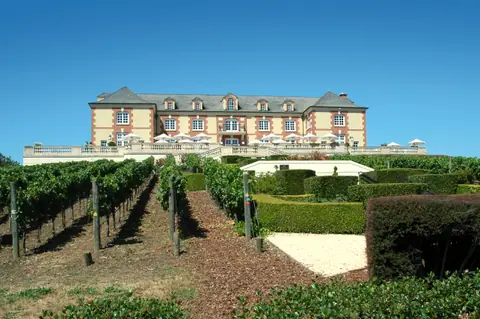
- Napa's Sparkling Wine Houses: Domaine Carneros, Chandon, Mumm Napa & Schramsberg CavesStarting your morning in Napa Valley with sparkling brut, from the French château terrace of Domaine Carneros to 1862 candlelit caves.
- Cabernet Country (Oakville, Rutherford & Stags Leap): Opus One, Mondavi, Inglenook & Stag's LeapTasting in the 'Golden Mile' of American Cabernet Sauvignon, from Opus One and Inglenook to the 1976 Judgment of Paris winners.
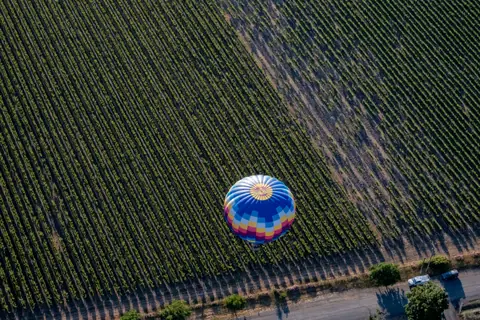
- Sunrise Hot-Air Balloon Flights Over the Vines & Cycling the Car-Free Napa Valley Vine TrailDrifting silently over morning vineyard mist in a sunrise hot-air balloon and pedalling the car-free Napa Valley Vine Trail.
- Beyond Wine: 1846 Bale Grist Mill Waterwheel, Bothe-Napa Redwoods & the Petrified ForestTaking a break from wine tasting beneath towering Coast Redwoods, a 36-foot 1846 wooden waterwheel and 3-million-year-old petrified trees.
Neighbourhoods & Where to Stay
Districts, historic quarters and the best bases for your stay.
- Yountville Guide: The French Laundry Gardens, Bouchon Bakery, RH Wine Vault & Walkable Tasting RoomsStrolling Napa Valley's Michelin-starred village, from Thomas Keller's culinary gardens and Bouchon Bakery to RH's chandelier wine courtyard.
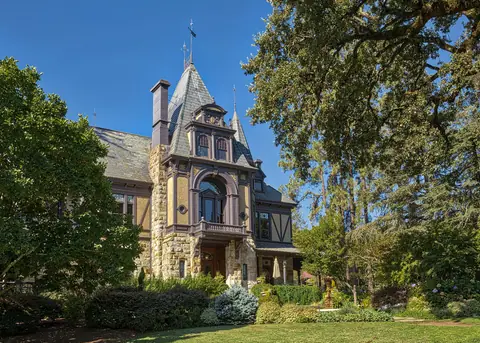
- St. Helena Guide: 1876 Beringer Rhine House, Culinary Institute of America (Greystone) & Main StreetTouring California's oldest continuously operating winery at Beringer, stepping inside the 1889 stone castle of the CIA, and picnicking at V. Sattui.
- Calistoga Guide: Geothermal Hot Springs, Volcanic Ash Mud Baths & California's Old Faithful GeyserUnwinding at the northern end of the valley in 38°C geothermal mineral pools, volcanic ash mud baths and a 1930s petrol-station winery.
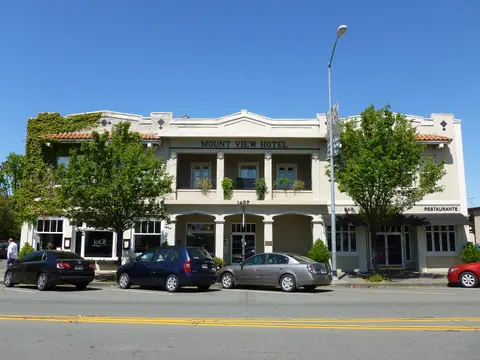
- Downtown Napa Guide: Oxbow Public Market, First Street Tasting Rooms & Riverfront WalkGrazing through Oxbow Public Market and strolling 40+ walkable tasting rooms and riverfront patios in Downtown Napa.
- Where to Stay in Napa Valley: Comparing the 5 Towns (Downtown Napa vs Yountville, St. Helena & Calistoga)Comparing all five Napa Valley towns so you pick the right match of walkability, vineyard views, hot springs and budget.
Food & Drink
Local dishes, markets, cafés and dining districts.
Getting Around & Arrival
Airport transfers, public transit, passes and driving rules.
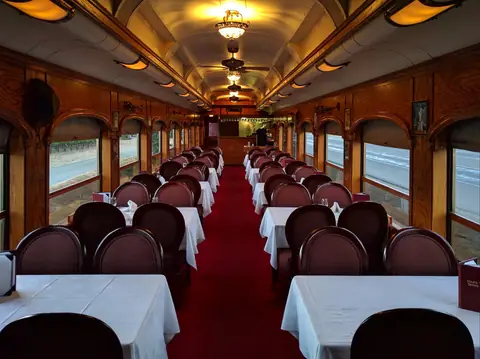
- The Napa Valley Wine Train (1915 Pullman Cars) & the Open-Air Napa Valley Wine TrolleyGliding 36 miles round-trip through the vineyards in a 1915 mahogany Pullman dining car, or hopping aboard a San Francisco-style cable-car trolley.
- Getting to Napa Valley from San Francisco (SFO, 75 Mins), Oakland (OAK), Sacramento & SonomaComparing the 4 nearby airports (OAK, SMF, SFO and STS) and the scenic Golden Gate Bridge route into Napa Valley.
- Getting Around Napa Wineries Safely: Why Uber Fails Up-Valley, Hiring a Driver & VINE Bus Route 10Why relying on Uber up-valley can leave you stranded in the late afternoon, and how to hire a licensed designated driver to drive your own hire car.
Trip Planning & Itineraries
When to visit, what to pack and day-by-day routes.
- Napa Valley: What to Know Before You GoMastering Napa's advance-reservation rule, pacing yourself at three wineries per day, and understanding the five valley towns.
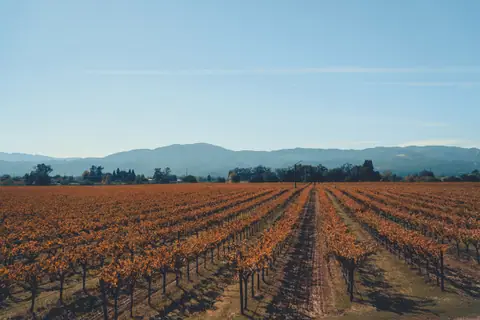
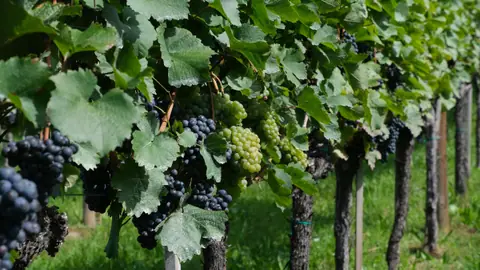
- Best Time to Visit Napa Valley: Sept/Oct 'Crush' Harvest, November Golden Vines & Spring MustardTiming your trip for September and October's grape harvest ('Crush'), November's fiery autumn leaves, or February's yellow mustard fields.
- What to Wear in Napa Valley: 'Wine Country Chic', Why Wine Caves Are 14°C & Vineyard FootwearWhy underground wine caves are 14°C (58°F) even in July, plus why stiletto heels sink into gravel winery courtyards.
- 3 Days in Napa Valley: Downtown Napa, Wine Train, Yountville, Oakville Cabernets & Calistoga CastleA geographical south-to-north 3-day route: Carneros & Downtown Napa on Day 1, Yountville & Oakville on Day 2, and St. Helena & Calistoga on Day 3.
Need your embassy or consulate in United States? See embassies and consulates in United States.
Reviews
Log in to write a review.
No reviews yet.