New Orleans: What to Know Before You Go
How the neighbourhoods fit together, and the local rules visitors should know.
Forget north, south, east and west. New Orleans is built along a curve of the Mississippi, so locals give directions as "riverside" and "lakeside" (towards Lake Pontchartrain), "upriver" and "downriver". Canal Street divides the old city from the new, and street names change when they cross it.
How the city is laid out
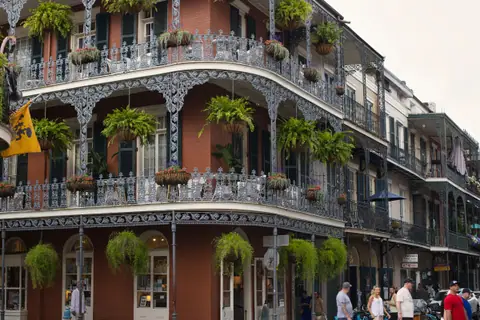
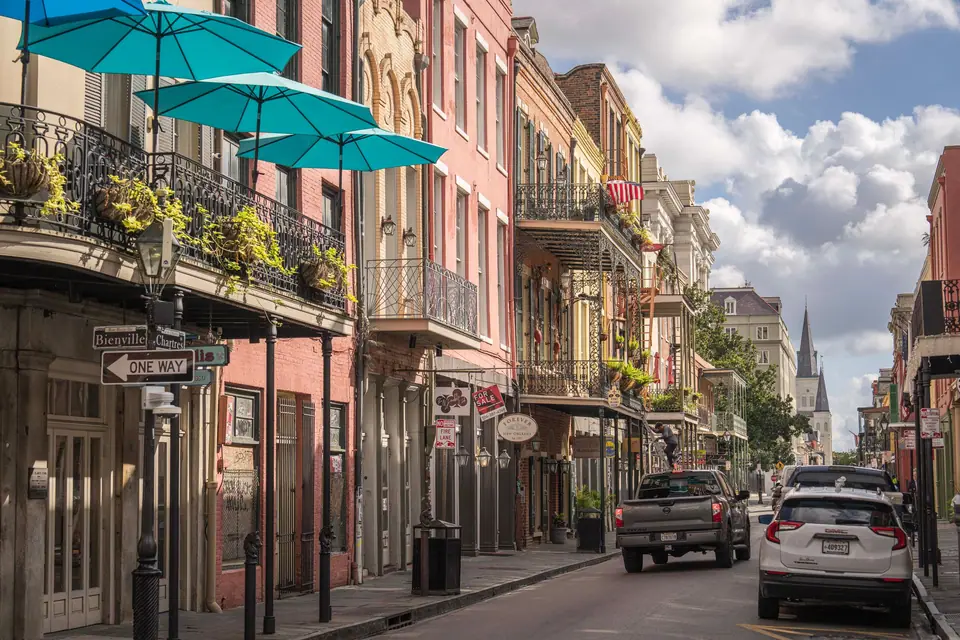
The French Quarter, the original colonial town, sits in the crook of the river. Downriver, past Esplanade Avenue, is the Faubourg Marigny, with the music clubs of Frenchmen Street, and beyond that the Bywater. Across Canal Street upriver are the Central Business District and the Warehouse District, with the WWII Museum. Further upriver along St. Charles Avenue are the Garden District and Uptown, and lakeside, Mid-City and City Park. Our 3-day itinerary takes them in order.
Entry rules and ESTA
Visa-waiver travellers need an approved ESTA, applied for on the official US government site (esta.cbp.dhs.gov) at least 72 hours before departure, never through the lookalike sites that add their own fee. Everyone else needs a visa, so start early.
Streetcars and buses
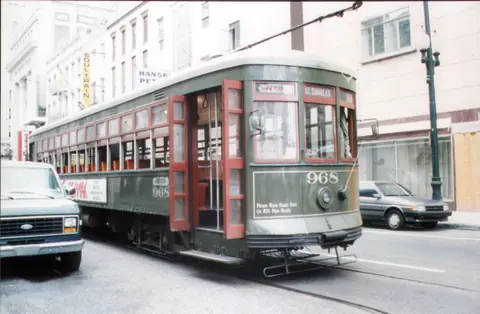
The streetcars are both transport and a sight. The St. Charles line, with its olive-green wooden cars, runs through the Garden District and Uptown, and the red Canal and Riverfront lines serve downtown. Buy passes in the RTA's Le Pass app, or pay the fare on board with exact change. Walking is the main way to get around the Quarter and the Marigny.
Drinks, tipping and tax
You can drink alcohol on the street, as long as it's in a plastic cup rather than glass or a can, and most bars will give you a "go cup" to take away. Sales tax is added at the till. Tip 18 to 20 percent in restaurants, a dollar or two per drink, and put something in the bucket when you stop to listen to a street band.
Safety
New Orleans has a high crime rate, but most of it happens far from the areas visitors spend time in. Still, take care at night: stay on busy, lit streets, take a taxi or rideshare rather than walking long distances after dark, and don't wander away from the crowds on the edges of the Quarter. Security on Bourbon Street has been tightened since the attack on New Year's Day 2025, and bollards now close it to traffic.
Sockets take the two-pin American plug, and the tap water is safe to drink, which matters in a city where you'll sweat through most afternoons. For how the heat and the festival calendar affect your trip, see our best time to visit guide.
Traveller tips
Real advice from people who have been to New Orleans: What to Know Before You Go. Every tip is read by our team before it goes live.
No tips yet. Been here? Yours could be the first.
Thank you! Your tip will appear here after a quick review.
More in New Orleans
Continue exploring New Orleans with related neighbourhood, food, and planning guides