


























Oslo
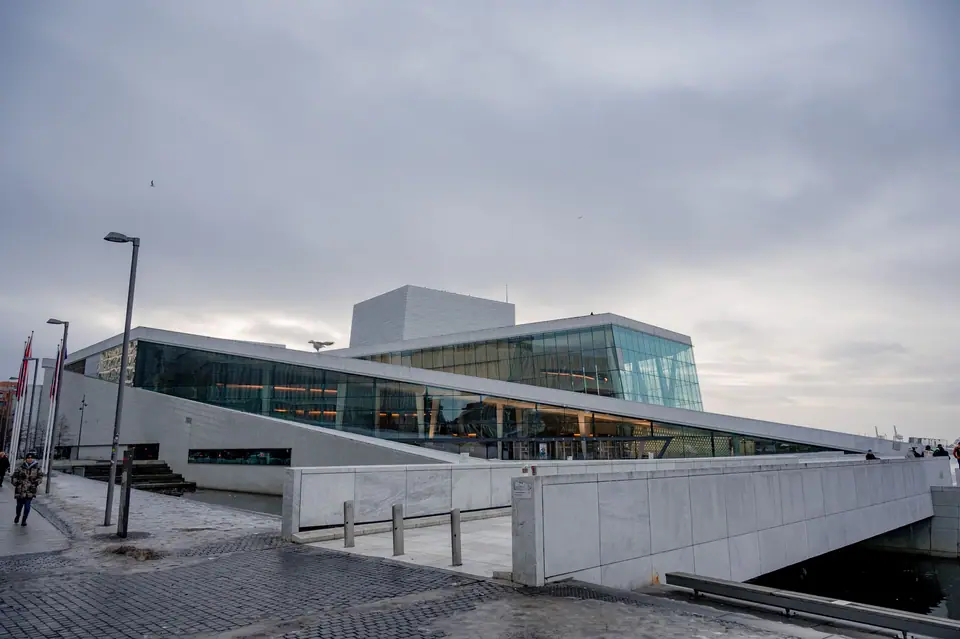
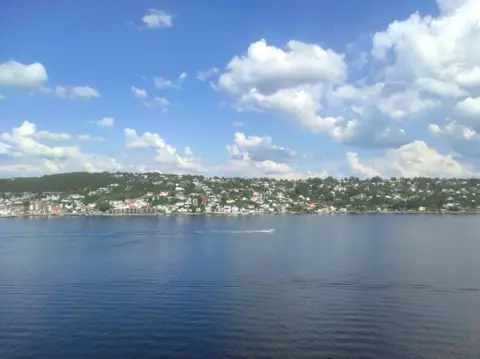
A walkable marble Opera House roof sloping into the Oslofjord, floating cedar saunas, Edvard Munch masterpieces, 200 granite sculptures in Vigeland Park and metro trains climbing straight into forested hills.
Quick decisions
How many days?
3 days: Bjørvika (Opera House and MUNCH), Akershus Fortress and Aker Brygge on day one, Vigeland Park and the Bygdøy museums on day two, plus Grünerløkka, Holmenkollen and an Oslofjord island ferry or floating sauna on day three. Follow our three-day route.
Where should I stay?
Sentrum & Bjørvika: step off the airport train right beside the Opera House and Karl Johans gate. Frogner: leafy embassies and bistros near Vigeland Park. Grünerløkka: independent coffee roasters and riverside parks. Compare areas in our neighbourhood overview.
Do I need a car?
No. Oslo's central harbour promenade is car-free, and a single Ruter Zone 1 ticket covers trams, metro lines into the forest and electric island ferries.
Best for
Contemporary architecture and art: the sloping marble Opera House, MUNCH and the giant new National Museum. Urban nature: floating fjord saunas, car-free islands and metro-accessible forest trails. Nordic coffee culture: lightly roasted speciality coffee and cardamom buns.
Before you go
Oslo is cashless and alcohol sales have strict cut-off hours: contactless cards work everywhere in Norwegian kroner (NOK), supermarket beer sales stop late in the evening on weekdays (in the early evening Saturdays), and Sundays are quiet shopping days. Read our practical briefing.
Getting around
From Oslo Airport Gardermoen (OSL): regional Vy trains reach Oslo S in 23 minutes (at half the price of the 19-minute Flytoget express). Details in arrival and transport.
Continue your trip
Board the scenic Bergensbanen railway across the Hardangervidda plateau to Bergen and the western fjords, or take a regional train south along the Oslofjord.
Overview
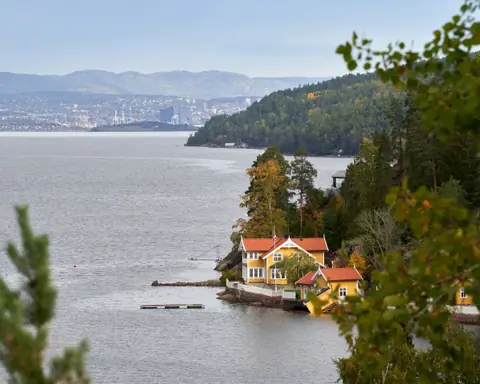
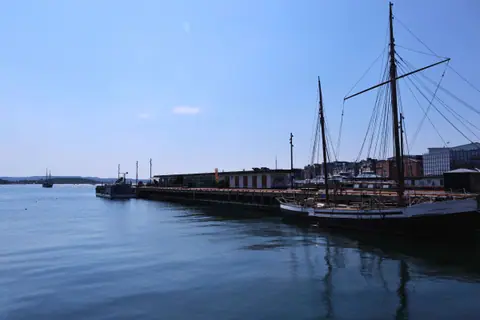
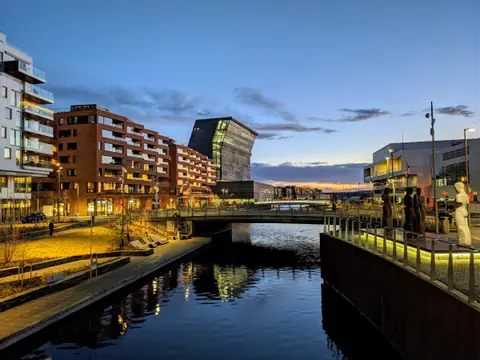
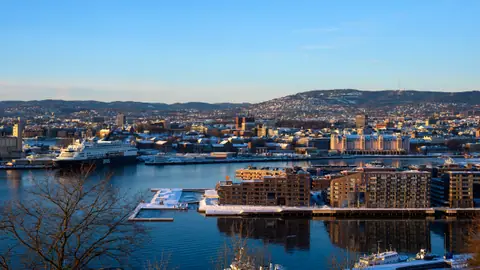
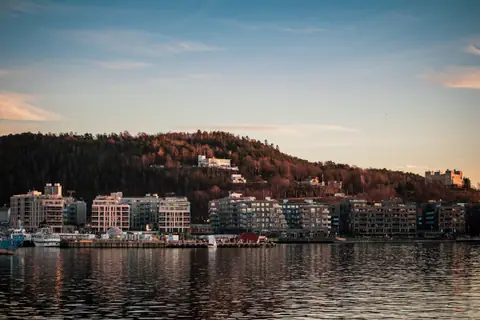
Sitting at the northern head of the 100-kilometre Oslofjord and ringed by the dense pine hills of Nordmarka, Oslo has reinvented its waterfront over the past fifteen years. Former container docks and highway tunnels have been replaced by a nine-kilometre harbour promenade where locals walk up the white Carrara marble roof of the Oslo Opera House, inspect Edvard Munch's paintings at MUNCH and leap from floating wood-fired saunas straight into clean fjord water.
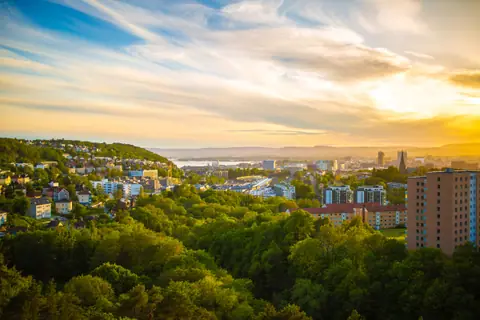
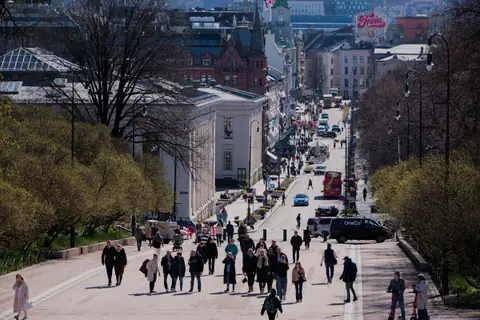
Inland from the harbour, grand 19th-century avenues link the Royal Palace and the vast new National Museum with the 200 bronze and granite figures of Vigeland Sculpture Park, the indie coffee roasteries of Grünerløkka and the polar exploration ships of the Bygdøy peninsula. Start with our before-you-go briefing and top things to do in Oslo.
Getting there
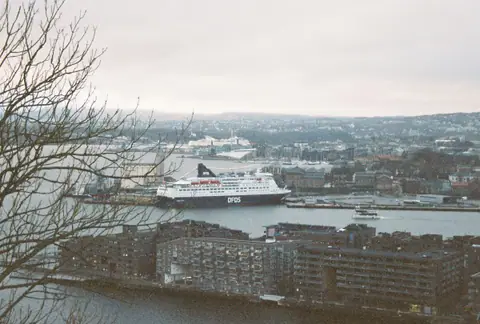
Oslo Airport, Gardermoen (OSL), lies 47 kilometres north of the city and connects directly to Oslo Central Station (Oslo S) in 23 minutes on regular Vy regional trains or 19 minutes on the Flytoget Airport Express. Inside the city, the Ruter smartphone app covers all Zone 1 trams, buses, T-bane metro lines (including Line 1 up to Holmenkollen) and the electric B1/B2 ferries across to the inner Oslofjord islands. See getting to Oslo and how Ruter tickets and the Oslo Pass work.
Where to stay
Staying in Sentrum or Bjørvika puts Oslo S station, the Opera House and Karl Johans gate right outside your door, while Aker Brygge and Tjuvholmen offer waterfront views, Frogner provides leafy embassy streets near Vigeland Park, and Grünerløkka surrounds you with bars and bakeries. We compare all main bases in where to stay in Oslo.
Things to do
Walk onto the marble roof of the Opera House and visit MUNCH, spend a morning inside the National Museum, stroll the sculpture bridge of Vigeland Park, board the polar ship Fram on Bygdøy, and ride T-bane Line 1 up to Holmenkollen Ski Jump. Full list in things to do in Oslo.
Food and drink
Oslo is the world capital of lightly roasted Nordic filter coffee, paired in neighbourhood bakeries with knotted cardamom buns, cinnamon swirls and heart-shaped waffles topped with sweet caramelised brown goat's whey cheese (brunost) and sour cream. For lunch and dinner, sample Arctic cod (skrei), reindeer stew (finnbiff) or street food inside Vulkan's Mathallen and Oslo Street Food. Read more in our Oslo food and coffee guide.
Culture
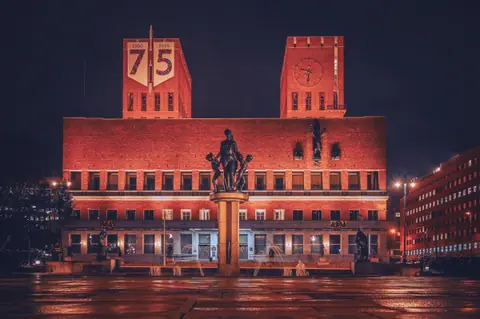
Founded around 1048 by King Harald Hardrada at the foot of the Ekeberg hills, rebuilt across the bay after the great fire of 1624 by King Christian IV under the name Christiania, and reclaiming its Norse name Oslo in 1925, the Norwegian capital awards the Nobel Peace Prize every 10 December inside its twin-towered red-brick City Hall.
Weather by month
Oslo is warmest in July, with average highs around 23°C, and coldest in January, when nights drop to about -5°C. August is the wettest month, with rain on about 11 days. For mild weather with fewer rainy days, aim for May and June.
| Month | Low | Range | High | Rain | Rainy days |
|---|---|---|---|---|---|
| Jan | -5°C | 0°C | 58 mm | 10 d | |
| Feb | -5°C | 1°C | 46 mm | 9 d | |
| Mar | -2°C | 5°C | 44 mm | 8 d | |
| Apr | 2°C | 12°C | 46 mm | 8 d | |
| May | 8°C | 17°C | 59 mm | 9 d | |
| Jun | 12°C | 22°C | 74 mm | 10 d | |
| Jul | 14°C | 23°C | 82 mm | 11 d | |
| Aug | 13°C | 22°C | 89 mm | 11 d | |
| Sep | 9°C | 17°C | 76 mm | 10 d | |
| Oct | 4°C | 10°C | 81 mm | 11 d | |
| Nov | 0°C | 4°C | 74 mm | 11 d | |
| Dec | -4°C | 0°C | 62 mm | 11 d |
Averages of daily values from 2015 to 2024. Rainy days are days with at least 1 mm of rain. Source: Open-Meteo · Compare destinations by month.
Oslo on the map
Every place we cover in Oslo. Tap a category or pin to explore.
In-depth Oslo guides
Browse the guides grouped by topic: sights, neighbourhoods, food, transport, day trips and trip planning.
Sights, Landmarks & Parks
Key monuments, viewpoints, museums and nature trails.
- Best Things to Do in OsloSloping marble roofs, Edvard Munch's Scream, 200 granite sculptures, polar ships and fjord saunas.
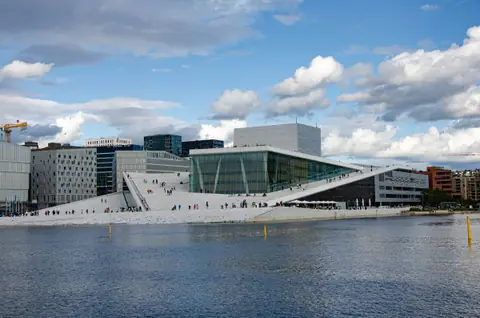
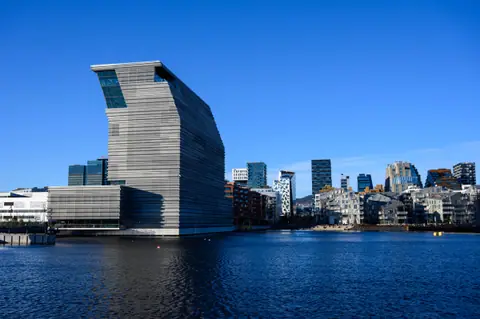
- Bjørvika Guide: Oslo Opera House, MUNCH and Deichman LibraryA modern architectural waterfront combining the walkable Opera House roof, MUNCH and Deichman Bjørvika.
- The National Museum, Oslo City Hall and Nobel Peace CenterInside the Nordic region's largest art museum, the mural halls of City Hall and the Nobel Peace Center.
- Akershus Fortress, the Resistance Museum and KvadraturenExploring the 13th-century ramparts of Akershus Fortress and Christian IV's grid of Kvadraturen.
- Vigeland Sculpture Park, the Monolith and Frogner DistrictWalking the 850-metre sculpture axis of Vigeland Park and exploring the leafy Frogner neighbourhood.
- Bygdøy Peninsula Guide: Fram Polar Ship, Kon-Tiki and Folk MuseumTaking the summer boat or Bus 30 to Bygdøy for polar ship Fram, the Kon-Tiki raft and the 1200 AD Stave Church.
- Oslo Floating Saunas Guide: KOK, SALT and SukkerbitenWhere to book a wood-fired floating sauna facing the Oslo Opera House and dive into the fjord year-round.
- Holmenkollen Ski Jump, Frognerseteren and Nordmarka Forest TrailsTaking T-bane Line 1 up 400 metres to the cantilevered Holmenkollen Ski Jump and Frognerseteren apple cake.
- Ekebergparken Sculpture Park and the Viewpoint of The ScreamWalking the wooded hillside trails of Ekebergparken to see 40 sculptures and the view from The Scream.


Neighbourhoods & Where to Stay
Districts, historic quarters and the best bases for your stay.
- Aker Brygge, Tjuvholmen and the Astrup Fearnley MuseumWalking the former shipyards of Aker Brygge to the art canals and sculpture beach of Tjuvholmen.
- Grünerløkka, Mathallen Food Hall and the Akerselva River WalkFollowing the waterfalls of the Akerselva River down through the coffee roasters and parks of Grünerløkka.
- Where to Stay in Oslo: Best Neighbourhoods ComparedComparing Oslo's five best accommodation districts by transport access, fjord views and evening vibe.
Food & Drink
Local dishes, markets, cafés and dining districts.

Getting Around & Arrival
Airport transfers, public transit, passes and driving rules.
- Getting to Oslo: Comparing Vy Regional Trains and Flytoget from GardermoenSaving half the fare by taking the 23-minute Vy regional train instead of Flytoget from Gardermoen Airport.
- Oslo Public Transport: Ruter App, Oslo Pass and B1/B2 Island FerriesUsing a single Zone 1 Ruter ticket for trams, forest metro lines and island-hopping ferries on the Oslofjord.


Day Trips & Excursions
Easy half-day and full-day trips from the city.
Trip Planning & Itineraries
When to visit, what to pack and day-by-day routes.
- Oslo: What to Know Before You GoCard payments, Sunday rules, alcohol cut-off times and the 2026 Viking Ship Museum status.
- Best Time to Visit Oslo: Fjord Summers, 17 May and Snow SeasonTiming your trip for 19-hour summer days on the fjord, 17 May bunad parades or winter skiing on Metro Line 1.
- What to Wear in Oslo: Fjord Swim Gear, Marble Roof Grips and Winter WoolWhy every Oslo suitcase needs swimwear (even in January), grippy walking shoes and merino wool layers.
- 3 Days in Oslo: Architecture, Vigeland Park, Bygdøy and Fjord SaunasThree smooth days combining the harbour promenade, Vigeland Park, Bygdøy's polar ships and Holmenkollen.
Need your embassy or consulate in Norway? See embassies and consulates in Norway.
Reviews
Log in to write a review.
No reviews yet.
