


























Photo: Petar Milošević · CC BY-SA 4.0
Monuments, Dante Sites, and Coastal Trails in Ravenna
Ravenna brings together eight 5th- and 6th-century UNESCO monuments, subterranean Roman mosaics, Dante's historic tomb, and peaceful coastal pinewoods.
Diocesan Masterpieces and Underground Roman Floors
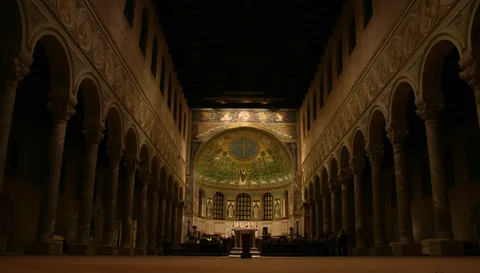
Ravenna's historic core holds eight 5th- and 6th-century UNESCO monuments inscribed in 1996 across 1.32 hectares. We start our exploration with the five diocesan properties managed together by the Opera di Religione. These include the Basilica of San Vitale, the Mausoleum of Galla Placidia, and the Basilica of Sant'Apollinare Nuovo. They also encompass the Neonian Baptistery alongside the Archiepiscopal Museum, which houses St Andrew's Chapel.
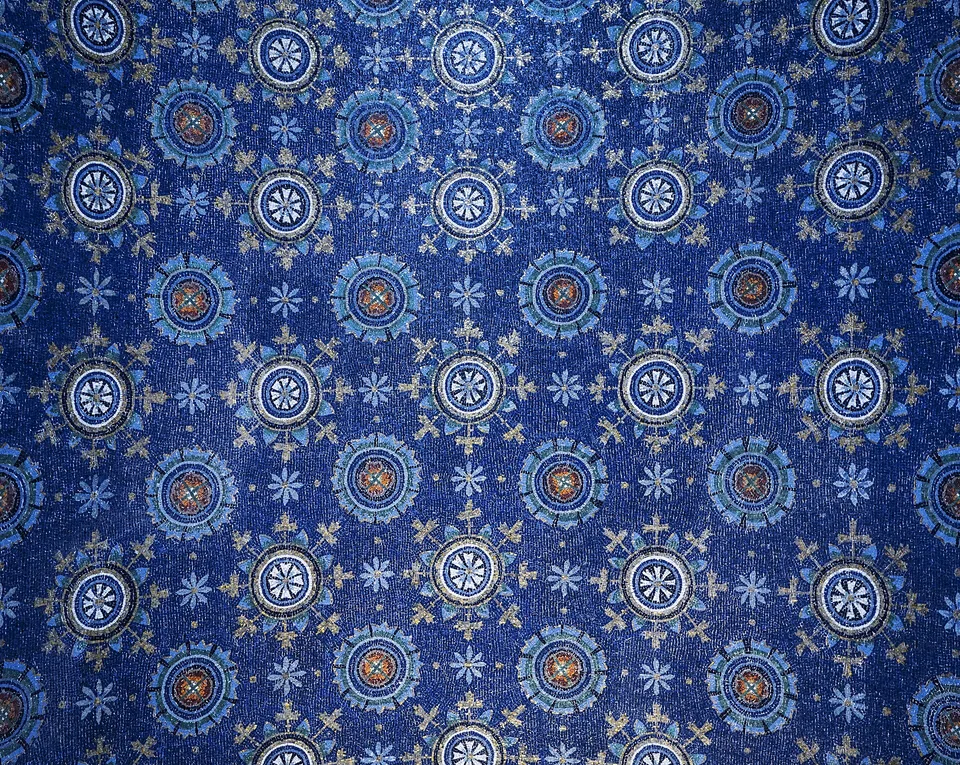
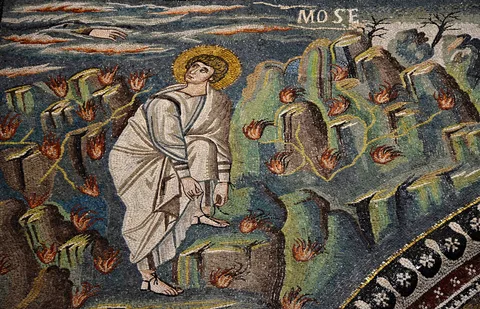
Timed-entry reservations govern the fragile interiors of Galla Placidia and the Neonian Baptistery, while San Vitale and Sant'Apollinare Nuovo permit unhurried pacing. We suggest exploring the San Vitale and early Christian mosaics during early morning hours to enjoy the changing light on the gold tesserae.
Just steps away on Via Barbiani 16, the 18th-century Church of Sant'Eufemia holds the Domus dei Tappeti di Pietra. This archaeological site reveals 14 rooms of floor mosaics 3 metres below modern ground level. We find remarkable geometric patterns here, including the famous Dance of the Genii of the Four Seasons. Next door on Via San Vitale 17, the National Museum of Ravenna occupies a former Benedictine monastery. Its rooms display Roman reliefs, early Christian ivories, ceramics, and Byzantine icons. The museum closes to visitors on Mondays.
Summary of Key Ravenna Sights
To help arrange your days across the central districts and outlying coastal villages, we have grouped the key sites by area:
| District | Notable Sights | Primary Highlights |
|---|---|---|
| San Vitale Precinct | San Vitale, Galla Placidia, National Museum | Diocesan gold mosaics, 14-room Roman stone carpets |
| Central Core | Neonian Baptistery, Archiepiscopal Museum | 5th-century dome baptism scene, St Andrew's Chapel |
| Zone of Silence | Dante's Tomb, San Francesco, Cloisters | Neoclassical tomb, sunken crypt, Franciscan courtyards |
| Station and North | Arian Baptistery, Mausoleum of Theodoric | Sunken brick baptistery, 290-ton monolithic stone roof |
| Classe and Coast | Sant'Apollinare in Classe, Pine Forest | Emerald-green apse mosaic, Classis museum, beach towns |
State Monuments and Ostrogothic Heritage
State-managed landmarks offer equally compelling insight into the city's late antique history. Close to the railway station on Piazzetta degli Ariani stands the late-5th-century Arian Baptistery. Its dome features a detailed baptism-of-Christ mosaic set against a gold backdrop. The brick building rests sunken nearly 3 metres below modern ground level, reflecting centuries of rising urban pavement.
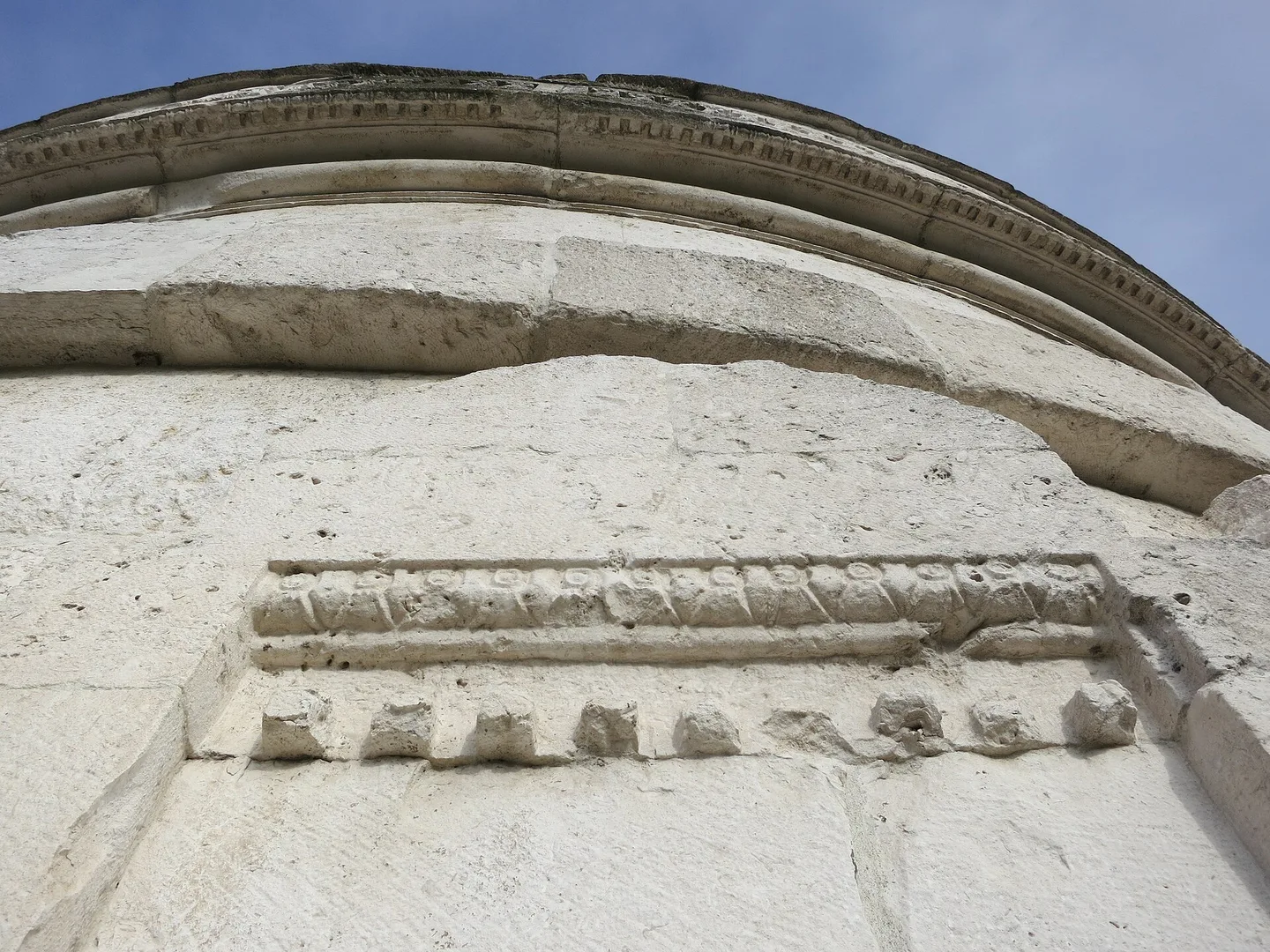
Northeast across the tracks on Via delle Industrie 14, the Mausoleum of Theodoric stands in a quiet public park. Built in 520 AD, the royal tomb uses dry-laid Aurisina limestone blocks arranged in two stacked decagons. A single monolithic dome measuring 10.76 metres across crowns the structure. This massive stone roof weighs about 290 tons and represents an exceptional feat of Ostrogothic engineering.
Travelling roughly 8 km south by road into Classe leads to the Basilica of Sant'Apollinare in Classe. The basilica stands 30 metres high beside a striking cylindrical brick bell tower. Its apse contains an emerald-green pastoral mosaic consecrated in 549 AD. While in the area, we head to Via Classense 29 to visit the Classis Ravenna museum. This collection is housed inside a converted sugar factory and traces the ancient Roman port and Ostrogothic city. Those following our comprehensive weekend exploration route can easily combine Classe with an afternoon cycle ride.
Dante's Zone of Silence and Historic Streets
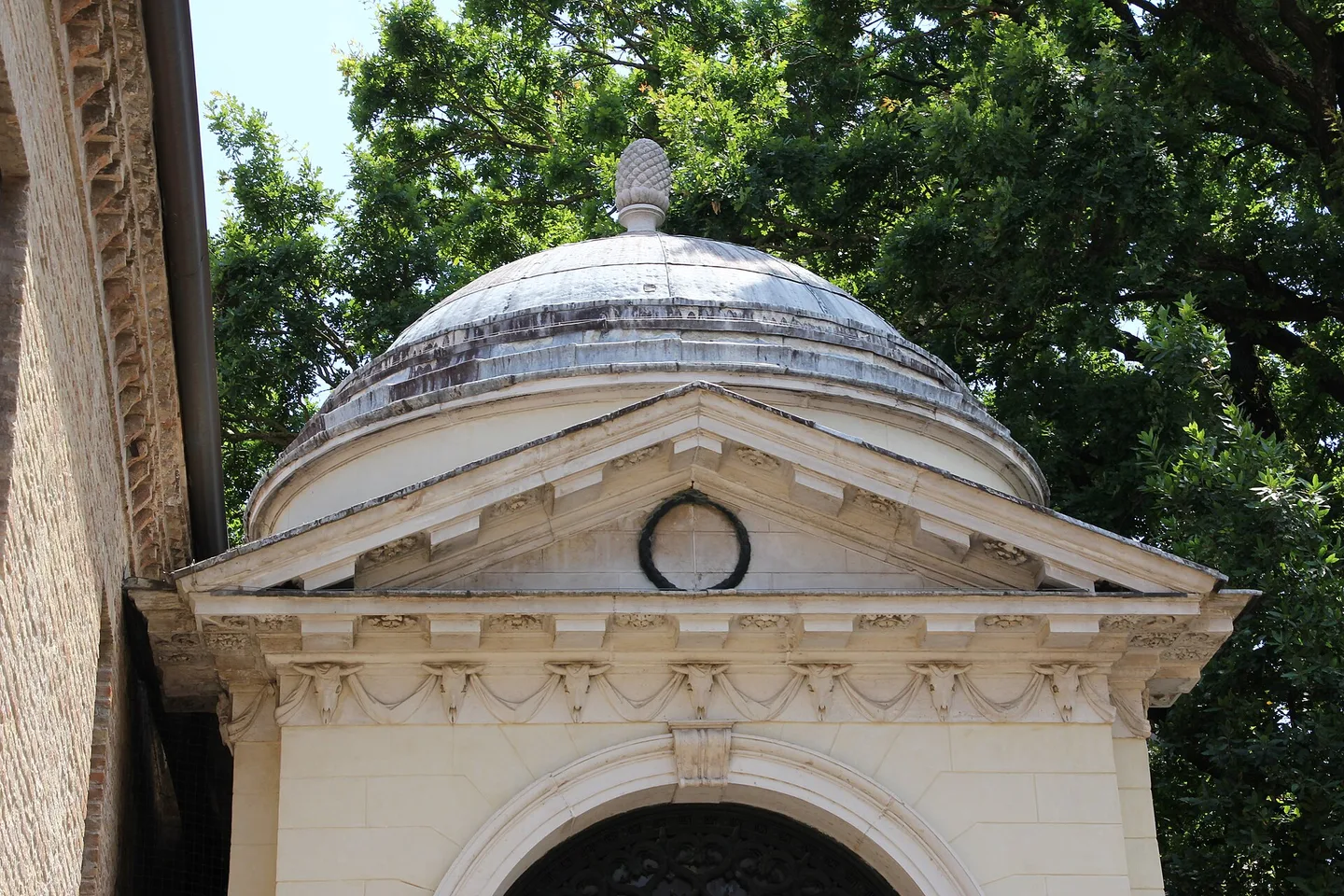
Ravenna gave refuge to Dante Alighieri from 1318 until his death in 1321, during which time he completed the Divine Comedy. Today, the peaceful, pedestrianised Zone of Silence honours the poet's memory. The district centres around Dante's neoclassical tomb and the Basilica of San Francesco, famous for its submerged crypt floor where goldfish swim above ancient mosaics. The area also connects the Old Franciscan Cloisters, Museo Dante, and Casa Dante.
A brief stroll south brings us to the historic Classense Library, where visitors can view quiet monastic cloisters and rare early editions. For lunch, we head towards Piazza Andrea Costa to wander through the Mercato Coperto. This restored indoor market hall gathers local food producers under one roof. Counters serve fresh Romagna pasta, warm folded Piadina Romagnola PGI, and glasses of regional Sangiovese DOCG wine.
Coastal Pine Forests and Canal Paths
Beyond the historic centre, flat terrain makes cycling the preferred way to travel. Paved cycle tracks lead directly to the ancient Pine Forest of Classe. Dante celebrated these coastal umbrella pines in Purgatorio Canto XXVIII, and shaded paths still wind through the quiet coastal woodland.
Cycling routes also follow the Darsena canal, where old warehouse walls display colourful contemporary street art alongside open waterfront seating. Following the canal paths eastwards connects directly to nine Adriatic beach towns along 35 km of coastline. This allows travellers to combine morning mosaic visits with an afternoon swim or stroll along the Adriatic shore.
Official prices and opening hours
- Opera di Religione 5-Monument PassOfficial site ↗
- Mausoleum of TheodoricOfficial site ↗
- Basilica of Sant'Apollinare in ClasseOfficial site ↗
- Arian BaptisteryOfficial site ↗
- National Museum of RavennaOfficial site ↗
- Classis Ravenna MuseumOfficial site ↗
Where it is
- 1Ravenna
- Bologna Guglielmo Marconi Airport (BLQ) · about 74 km from Ravenna in a straight line
- Directions in Google Maps
Stations and taxi ranks: OpenStreetMap. Airports: OurAirports. Distances are in a straight line.
Traveller tips
Real advice from people who have been to Ravenna. Every tip is read by our team before it goes live.
No tips yet. Been here? Yours could be the first.
Thank you! Your tip will appear here after a quick review.
More in Ravenna
Continue exploring Ravenna with related neighbourhood, food, and planning guides
Where to Stay in Ravenna: Quarters, Rail Access, and ZTL Limits
Ravenna, Italy
Two Days in Ravenna: A Paced Route Through Mosaics and Classe
Ravenna, Italy
Ravenna Travel Logistics: Rail Links, Combined Passes, ZTL Cameras, and Seasons
Ravenna, Italy
San Vitale and Ravenna's Fifth- and Sixth-Century Mosaics
Ravenna, Italy
