São Paulo: What to Know Before You Go
The size, the traffic, the street sense and how to make the city manageable.
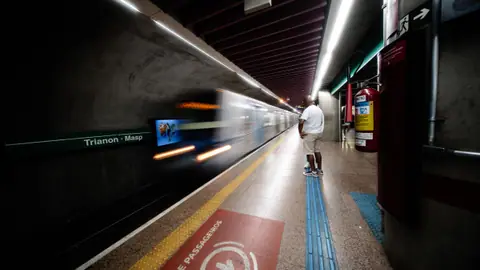
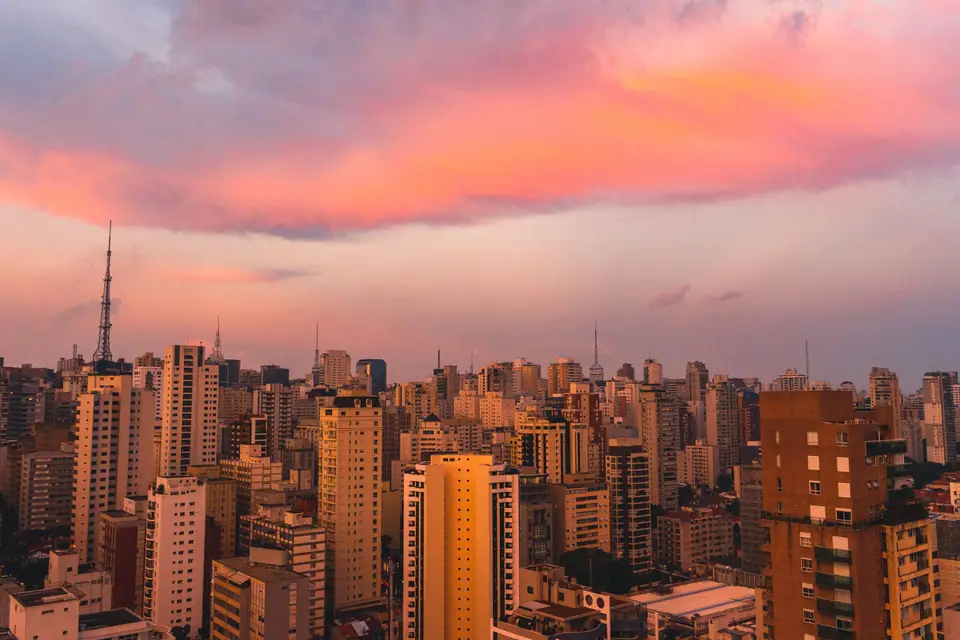
São Paulo is enormous, and the first job is to shrink it. Pick a base near a metro station, group your days by area, and let the metro carry you across the city instead of sitting in traffic. Once you do, it's a surprisingly easy place to spend a few days.
How the city is laid out
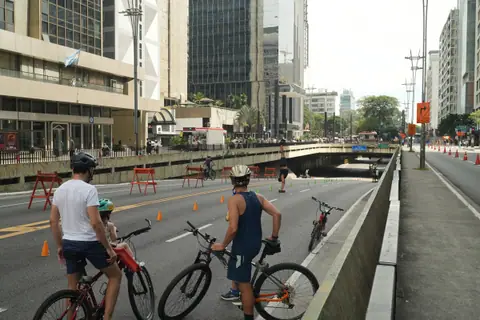
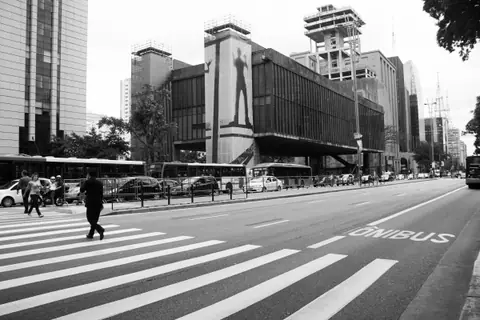
Avenida Paulista runs along a ridge through the middle of the city, lined with banks, museums and cultural centres. Just north of it, the historic centre, called Centro, holds the cathedral, the old skyscrapers and the Theatro Municipal, with Luz and its museums beyond. Southwest of Paulista lie the leafy streets of Jardins, then Pinheiros and Vila Madalena, the heart of the city's nightlife. Ibirapuera Park is to the south. Our 3-day itinerary takes them in a sensible order.
Entry requirements
Since April 2025, Americans, Canadians and Australians need an e-visa, applied for online before departure. Processing is officially a few business days but can run longer, so apply early. Visitors from the EU and the UK can stay up to 90 days without one. Confirm the current rules with Brazil's official government sources.
Staying safe
Phone theft is the most common crime, sometimes by thieves on bikes or motorbikes, so step into a shop doorway if you need to check a map. Centro is fine on weekday daytimes but empties after office hours and at weekends. The streets between Luz and Júlio Prestes stations, around Santa Ifigênia, have long had an open-air drug scene that police operations have scattered rather than ended, so go straight between the station and the museums, and don't wander. At night, use Uber everywhere.
Traffic and timing
Rush hours are brutal, from around 7 to 10am and 5 to 8pm, and summer rain, which our best time to visit guide covers, makes them worse. Avoid airport runs and cross-city trips at these times. The metro is crowded at peak hours too, but always faster.
Money and tipping
Cards and contactless payments are accepted almost everywhere, even at market stalls. Restaurants add a 10 percent service charge to the bill, which is optional but customary, and there's no need to tip on top. English is limited outside hotels and upmarket restaurants.
Sockets take the Brazilian plug with two or three round pins, and the city runs on 127 volts. Locals drink filtered rather than tap water, and visitors should do the same. Many museums close on Mondays, so check before you plan.
Traveller tips
Real advice from people who have been to São Paulo: What to Know Before You Go. Every tip is read by our team before it goes live.
No tips yet. Been here? Yours could be the first.
Thank you! Your tip will appear here after a quick review.
More in São Paulo
Continue exploring São Paulo with related neighbourhood, food, and planning guides