Tashkent
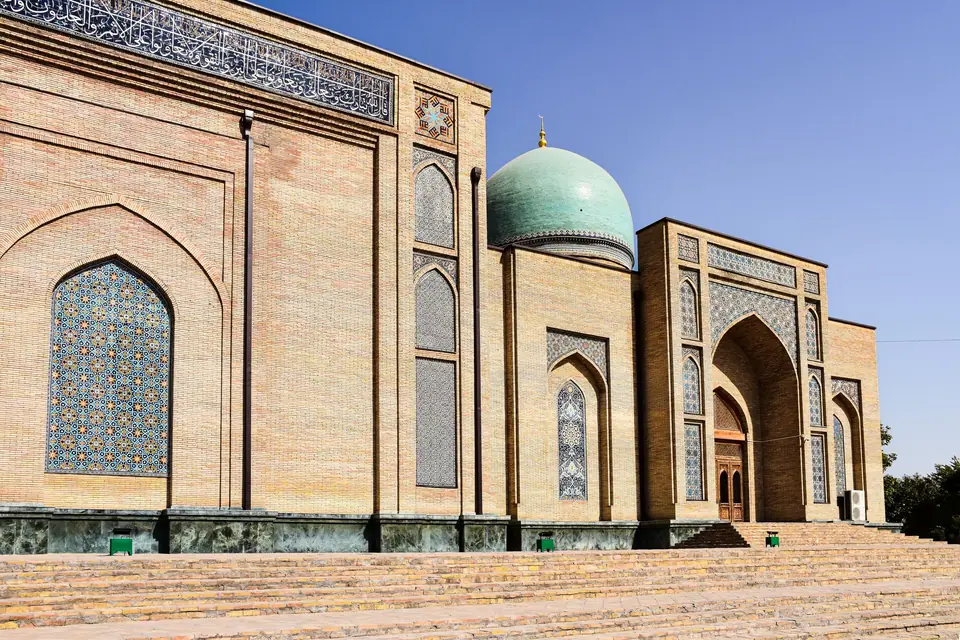
A giant turquoise ceramic dome above Chorsu Bazaar, the 7th-century Usman Quran at Khast Imam, chandelier-lit Tashkent Metro halls, Soviet modernist facades and steaming cast-iron kazans of plov.
Quick decisions
How many days?
2 to 3 days: Khast Imam, Chorsu Bazaar and Kukeldash Madrasah on day one, ornate Tashkent Metro stations, Amir Timur Square and Besh Qozon Plov Centre on day two, plus the Museum of Applied Arts or Chimgan Mountains on day three. Follow our three-day route.
Where should I stay?
Amir Timur Square and Broadway: central, walkable and right on the Metro interchange. Oybek and Kosmonavtlar: leafy avenues, coffee shops and fast station access. Compare areas in our neighbourhood overview.
Do I need a car?
No. The four-line Tashkent Metro accepts contactless bank cards right at the turnstiles, Yandex Go taxis are inexpensive, and high-speed Afrosiyob trains link Samarkand and Bukhara.
Best for
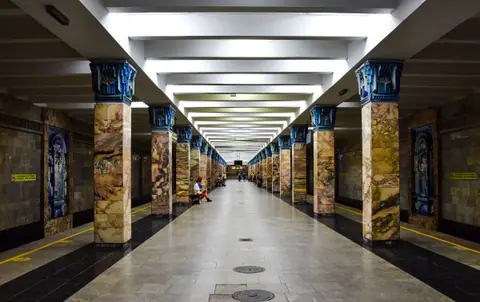
Architecture fans: earthquake-rebuilt 1960s and 1970s Soviet modernism beside Islamic madrasahs. Subway explorers: ceramic cosmonaut murals and crystal chandeliers underground. Food lovers: giant wood-fired cauldrons of to'y oshi wedding plov.
Before you go
Book Afrosiyob bullet trains to Samarkand as soon as tickets open: high-speed rail seats sell out weeks ahead in spring and autumn. Read our practical briefing.
Getting around
From Tashkent Airport (TAS): located just 6 kilometres south of the centre, a fifteen-minute Yandex Go taxi ride from your hotel. Details in arrival and transport.
Continue your trip
High-speed Afrosiyob and Sharq trains from Tashkent North Station (Severny) speed south-west along the Silk Road corridor to Samarkand in just over two hours and onward to Bukhara in under four hours.
Overview
For over two millennia, the oasis of Tashkent (ancient Chach, watered by the Chirchiq River flowing down from the Western Tian Shan mountains) stood as the northern crossroads of the Silk Road. After a devastating earthquake flattened much of the mud-brick city in April 1966, architects and craftspeople from across the Soviet Union rebuilt Tashkent as a showcase city of wide shaded boulevards, fountains, earthquake-proof Metro stations and sun-screened modernist monuments.
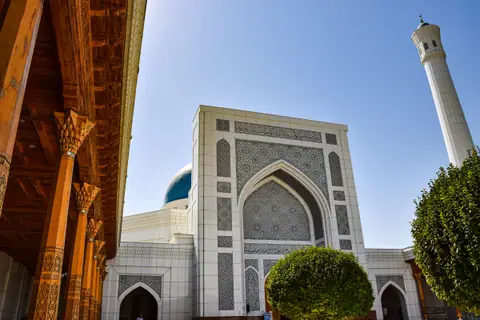
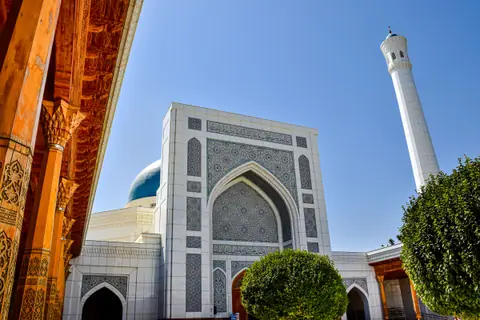
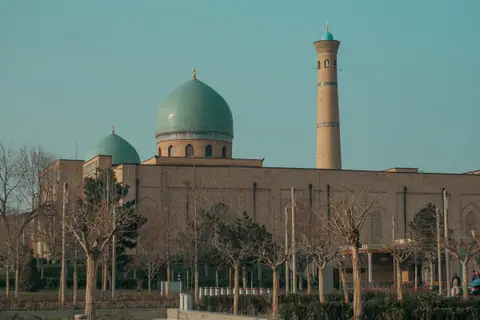
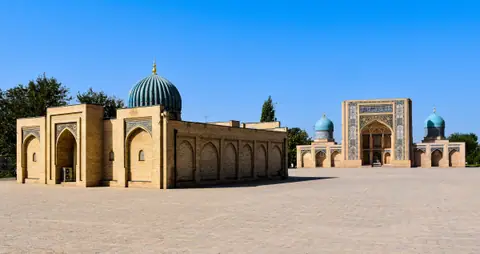
Alongside that bold 20th-century canvas survives the older heart of Chorsu Bazaar, Kukeldash Madrasah and the Khast Imam Complex, where the world's oldest surviving deer-parchment Quran is preserved. Start with our first-timer briefing and Tashkent plov and food overview.
Getting there
Islam Karimov Tashkent International Airport (TAS) sits remarkably close to the city centre, only six kilometres south of Amir Timur Square and Oybek. For onward Silk Road rail journeys to Samarkand, Bukhara and Khiva, passenger trains use either central Tashkent North Station (Toshkent-Shimoliy) beside Toshkent Metro station or Tashkent South Station (Toshkent-Janubiy). See how to get to Tashkent and book trains.
Where to stay
Staying within a ten-minute walk of Amir Timur Square, Mustaqillik Maydoni or Kosmonavtlar / Oybek gives you leafy parks, independent restaurants and direct underground links on both the Chilonzor and O'zbekiston Metro lines. Compare every district in where to stay in Tashkent.
Things to do
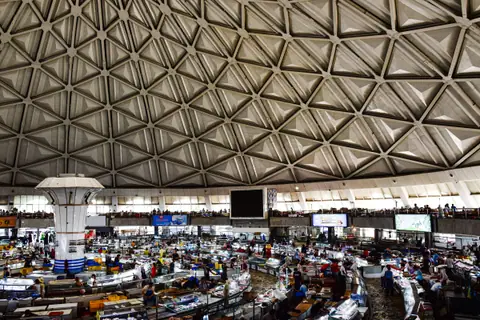
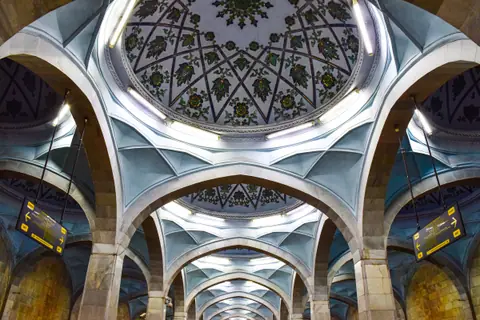
Step beneath the giant turquoise-tiled dome of Chorsu Bazaar and view the 7th-century Usman Quran at Khast Imam, ride underground to photograph the space-age ceramic medallions of Kosmonavtlar and Alisher Navoi Metro stations, and watch master cooks stir giant cast-iron cauldrons at Besh Qozon Plov Centre. See the full list in things to do in Tashkent.
Food and drink
In Uzbekistan, plov (osh) is not merely a dish; it is a midday ritual cooked over open wood fires in massive cast-iron kazans with yellow and red carrots, lamb, chickpeas, raisins and whole heads of garlic. Pair Tashkent's festive to'y oshi with crisp clay-oven samsa pastries, round non flatbreads stamped at Chorsu Bazaar, hand-pulled lagman noodles and green tea. Read where to eat in plov, Besh Qozon and Uzbek food.
Culture
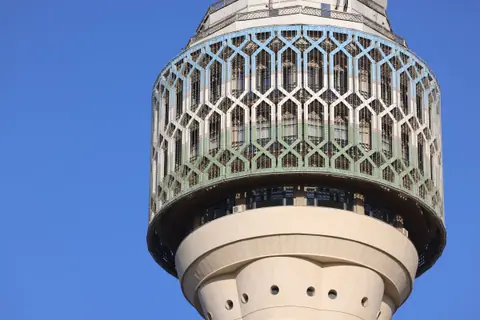
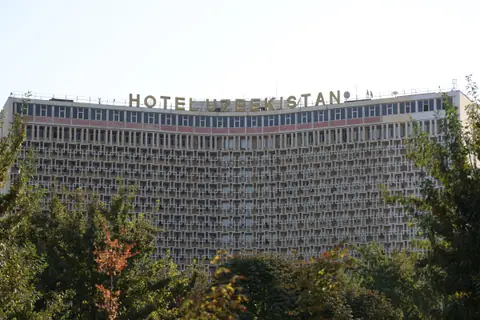
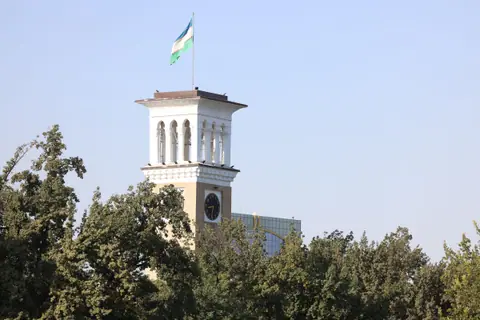
Tashkent's visual culture is a fascinating synthesis of traditional Uzbek ganch (carved alabaster plaster), glazed ceramic tilework and 1970s seismic modernism, where brutalist concrete facades were wrapped in geometric sun-breakers (panjara) inspired by Silk Road madrasahs to filter the Central Asian sun.
Weather by month
Tashkent is warmest in July, with average highs around 37°C, and coldest in January, when nights drop to about -1°C. March is the wettest month, with rain on about 8 days. For mild weather with fewer rainy days, aim for October.
| Month | Low | Range | High | Rain | Rainy days |
|---|---|---|---|---|---|
| Jan | -1°C | 7°C | 52 mm | 7 d | |
| Feb | 1°C | 10°C | 56 mm | 7 d | |
| Mar | 6°C | 16°C | 68 mm | 8 d | |
| Apr | 11°C | 23°C | 58 mm | 7 d | |
| May | 16°C | 29°C | 36 mm | 5 d | |
| Jun | 20°C | 34°C | 12 mm | 2 d | |
| Jul | 22°C | 37°C | 4 mm | 1 d | |
| Aug | 20°C | 36°C | 2 mm | 0 d | |
| Sep | 15°C | 30°C | 5 mm | 1 d | |
| Oct | 9°C | 22°C | 28 mm | 4 d | |
| Nov | 4°C | 14°C | 46 mm | 6 d | |
| Dec | 0°C | 8°C | 54 mm | 7 d |
Averages of daily values from 2015 to 2024. Rainy days are days with at least 1 mm of rain. Source: Open-Meteo · Compare destinations by month.
Tashkent on the map
Every place we cover in Tashkent. Tap a category or pin to explore.
In-depth Tashkent guides
Browse the guides grouped by topic: sights, neighbourhoods, food, transport, day trips and trip planning.
Sights, Landmarks & Parks
Key monuments, viewpoints, museums and nature trails.
- Best Things to Do in TashkentTurquoise bazaar domes, ancient Silk Road manuscripts, space-age Metro halls and giant plov cauldrons.
- Chorsu Bazaar, the Khast Imam Complex and Old Town MahallasWalking historic Tashkent from Chorsu Bazaar and Kukeldash Madrasah to the Khast Imam Complex.
- The Tashkent Metro, Soviet Modernism and Central SquaresExploring Tashkent's underground subway palaces and above-ground seismic modernist architecture.
Neighbourhoods & Where to Stay
Districts, historic quarters and the best bases for your stay.
Food & Drink
Local dishes, markets, cafés and dining districts.
Getting Around & Arrival
Airport transfers, public transit, passes and driving rules.
Trip Planning & Itineraries
When to visit, what to pack and day-by-day routes.
- Tashkent: What to Know Before You GoBooking Silk Road bullet trains, using contactless cards on the Metro and timing midday plov.
- Best Time to Visit TashkentSpring blossoms and Navruz in March to May, golden autumn bazaar harvests and hot dry summers.
- What to Wear in TashkentDressing for sunny Silk Road days, mosque visits at Khast Imam and cool continental evenings.
- Tashkent 3-Day Itinerary: Old Town Bazaars, Metro Art and MountainsA well-paced three-day route covering historic Silk Road Tashkent, Metro art, Besh Qozon and Chimgan.
Need your embassy or consulate in Uzbekistan? See embassies and consulates in Uzbekistan.
Reviews
Log in to write a review.
No reviews yet.