


























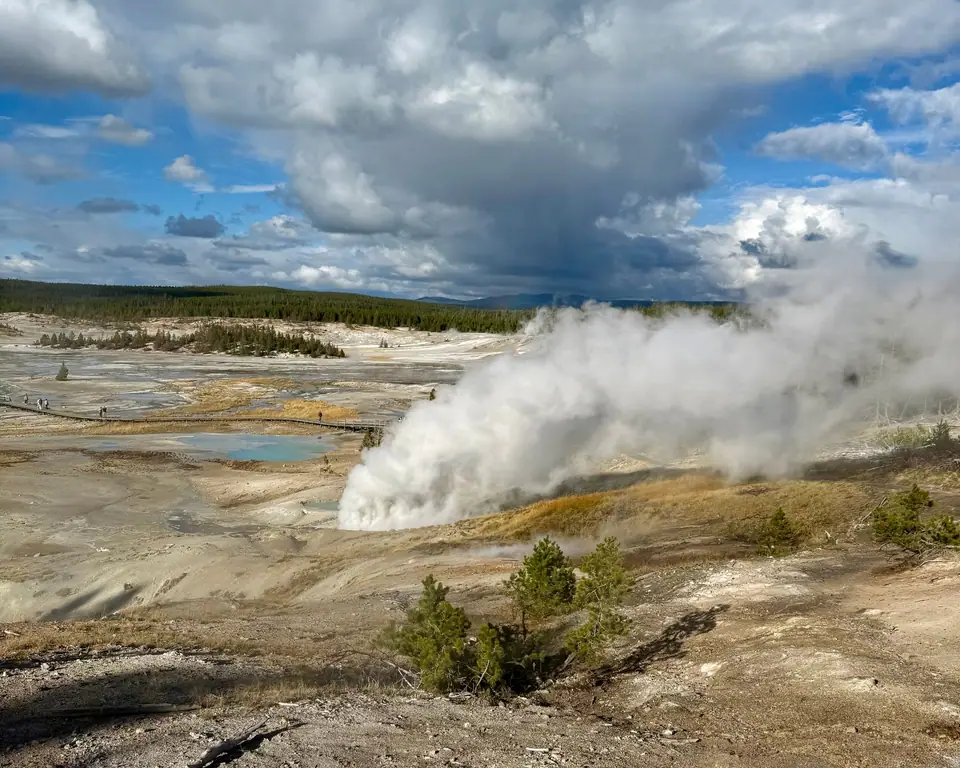
Best Time to Visit Yellowstone: May Baby Animals, Summer Geysers, September Rut & Winter
Timing your trip for May's newborn bison calves and roadside bears, July's warm sunny geysers, or September's bugling elk.
Sitting on a high volcanic plateau at 2,400 metres (8,000 feet) elevation straddling the Continental Divide, Yellowstone has short, glorious summers and nine months of snow-dusted shoulder and winter seasons. Because road opening dates and wildlife behaviour change dramatically from month to month, here is how to choose your ideal window.
1. Late Spring: The Prime Wildlife Window (Mid-May to Mid-June)
If your top priority is seeing baby animals, grizzly bears and black bears without mid-summer heat and July traffic queues, aim for 15 May to 15 June:
- Why Wildlife Is Everywhere in May and June: because the high mountain ridges above 2,700m are still covered in deep snow, elk, mule deer, pronghorn, black bears and grizzly bears are concentrated down on the green valley floors right beside the roads. Thousands of bright-orange newborn bison calves ('Red Dogs') and spotted elk calves take their first steps in Lamar Valley, and snowmelt makes the Lower Falls of the Yellowstone thunder at maximum volume. (Note: wait until mid-May so the South and East Entrances are open; Dunraven Pass and the Beartooth Highway open around late May.)
2. High Summer: Best for Geyser Colours, High Hikes & Boating (Late June, July & August)
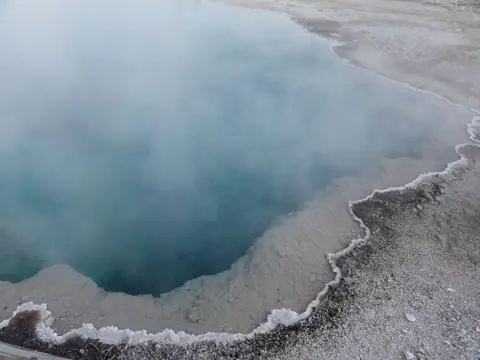
In July and August, every road, pass (Beartooth Highway and Dunraven Pass), boat tour and high-alpine trail (Mount Washburn) is snow-free and open. Because afternoon temperatures reach a warm 23°C to 26°C (73°F to 79°F), thermal pools produce far less blinding surface steam than on cold mornings, making July and August the ideal months for photographing the vivid blues and oranges of Grand Prismatic Spring. In late August, the loud Bison Rut takes over Hayden and Lamar Valleys.
3. Golden Autumn (September to Mid-October) & Winter Snowcoaches (Mid-Dec to Mid-March)
In September, crowds drop by 40%, golden aspens line the rivers, and massive bull elk bugle and spar in Mammoth Hot Springs during the autumn Elk Rut. Remember that most park lodges close in early-to-mid October, and all roads (except the North-to-Northeast road) close to cars on 1 November, reopening for Winter Snowcoaches from 15 December to 15 March. Check what to wear in Yellowstone.
Traveller tips
Real advice from people who have been to Best Time to Visit Yellowstone: May Baby Animals, Summer Geysers, September Rut & Winter. Every tip is read by our team before it goes live.
No tips yet. Been here? Yours could be the first.
Thank you! Your tip will appear here after a quick review.
More in Yellowstone
Continue exploring Yellowstone with related neighbourhood, food, and planning guides
Driving the 230km Figure-8 Grand Loop Road: Beating Traffic, 'Bison Jams' & Offline Maps
Yellowstone, United States
Where to Stay in Yellowstone: In-Park Lodges (Old Faithful & Canyon) vs West Yellowstone & Gardiner
Yellowstone, United States
What to Wear in Yellowstone: 8,000-Foot Morning Layers, Bear Spray, Binoculars & Hat Straps
Yellowstone, United States
3 to 4 Days in Yellowstone: Lower Loop Geysers, Canyon & Lake, Upper Loop & Grand Teton
Yellowstone, United States
