


























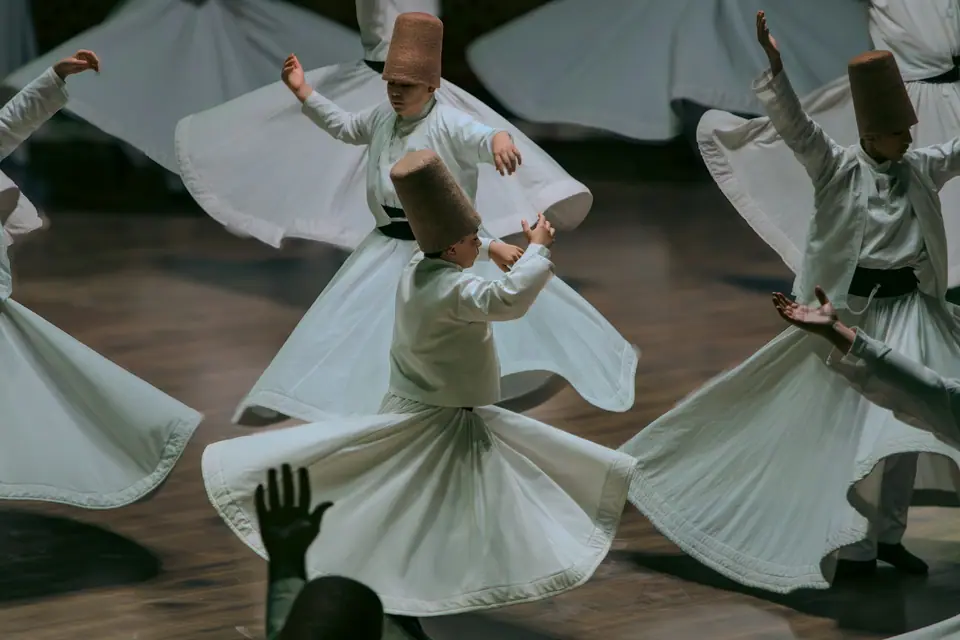
Photo by Karwin Luo on Unsplash
Whirling Dervish Ceremony in Istanbul
The sema of the Mevlevi order is a prayer in music and turning, and in Istanbul you can sit quietly in the room while it happens.
Overview
The first thing to know is that the sema is a religious ceremony, not a dance show. It belongs to the Mevlevi order, the Sufi brotherhood that grew up around the followers of Mevlana Celaleddin Rumi, the 13th-century poet who lived and died in Konya. For the Mevlevi, the turning is a form of remembrance of God, a journey of the soul away from the self and back again. UNESCO added the Mevlevi Sema Ceremony to its list of the Intangible Cultural Heritage of Humanity in 2008.
That matters for how you watch it. There is no applause, no encore and no bow to the audience. You are a guest at a ritual, and the evening is at its best when the room is completely silent apart from the music.
What happens
The ceremony follows a fixed order. It opens with a sung hymn in praise of the Prophet, then a strike of the kudüm (small kettle drums) and a long improvised solo on the ney, the reed flute that stands for the human soul longing for its source. The semazens (the turning dervishes) walk slowly round the floor three times, bowing to one another. Then they drop their black cloaks, a sign of leaving the grave behind, and begin to turn in their white robes, the right palm facing up to receive from God and the left palm down to pass it on to the world. The tall felt hat, the sikke, represents the tombstone of the ego.
The turning comes in four parts, called selams, each with its own music. It ends with a recitation from the Quran and a prayer. The whole thing moves slowly, and the power of it builds rather than arriving all at once.
Galata Mevlevi Lodge or Hodjapasha
The Galata Mevlevihanesi, founded in 1491, was the first Mevlevi lodge in Istanbul. Like all Sufi lodges in Turkey it was closed in 1925, and today it is a state museum with an octagonal wooden semahane (ceremony hall), the tombs of former sheikhs and a small garden cemetery. It has held a weekly sema in that hall, usually on Sunday late afternoon, but the schedule changes, so confirm with the museum before planning around it. Seeing the ceremony in the room built for it is the most moving option. It sits just below the top of İstiklal Avenue, an easy stop on the Galata day of our 3-day itinerary.
The Hodjapasha cultural centre in Sirkeci runs ceremonies on many evenings of the week in a restored Ottoman bathhouse, with a short introductory film and an exhibition about Rumi. It is more organised for visitors, easier to fit into a trip, and the performers are trained musicians and semazens. Some purists find it too staged. We think it is a fair, respectful introduction if Galata doesn't fit your dates.
The dinner-show version
Many "Turkish night" dinner shows and some restaurants include a single whirling dancer between belly dancing and folk dance. It is a costume act. If the sema is what you came for, skip these.
How to Book
For the Galata Mevlevihanesi, tickets for the sema are separate from museum entry and seating is usually unnumbered, so arrive early. The museum is closed on Mondays. Check the current day and time with the museum or on the Ministry of Culture's museum pages before you go, since ceremonies can be cancelled for restoration work or special events.
Hodjapasha and similar cultural centres sell tickets online and at the door. When you compare venues or resellers, look for:
- Whether the listing describes a sema ceremony or a "show" with other acts mixed in.
- Live musicians, not recorded music.
- The total length, and if there is an introduction or exhibition before the ceremony.
- Free cancellation, as evening plans in Istanbul often shift.
Halls are small, a couple of hundred seats at most, so book a few days ahead in summer. Old buildings like these often have steps and no lift, so ask about access if you need it.
The biggest sema of the year is not in Istanbul at all. Every December, from the 7th to the 17th, Konya holds the Şeb-i Arus ("wedding night") ceremonies for the anniversary of Rumi's death in 1273, when he was believed to be reunited with God. Tickets for the main hall at the Mevlana Cultural Centre go early.
Tips
- Don't clap, not at the start, not between sections and not at the end. The dervishes leave in silence, and so can you.
- No photos or video during the ceremony, and no flash at any point. Put your phone away completely; the glow of a screen is distracting in a dark hall.
- Dress modestly. Shoulders and knees covered is sensible at Galata, which is still a place of prayer for many visitors. Our what to wear guide has more.
- Arrive fifteen minutes early to settle, and don't walk in once the ney has started.
- Read a few lines of Rumi first. Knowing what the turning means changes how the hour feels.
- With children, an hour of slow music in silence is a lot to ask of anyone under ten.
Reviews
Log in to write a review.
No reviews yet.
You might also like
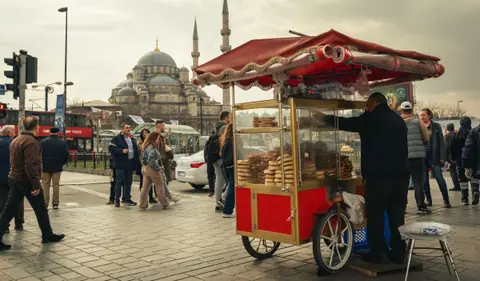
Istanbul Street Food Tour
Usually 3 to 6 hours on foot, often with a ferry crossing · Istanbul

Turkish Hammam in Istanbul
About 1 to 2 hours for a traditional scrub and foam wash, longer with a massage and time to rest · Istanbul
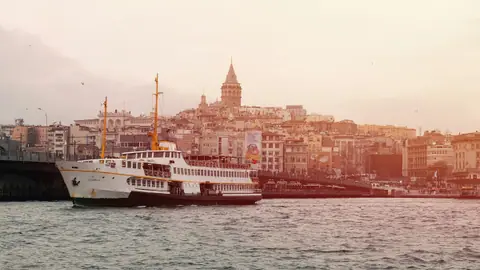
Bosphorus Cruise in Istanbul
From about 20 minutes on a commuter ferry to a full day on the long public tour · Istanbul
