






Istanbul
Byzantine domes, Ottoman palaces and ferries crossing between Europe and Asia, all in one enormous city.
Quick decisions
How many days?
3 days: the old city, the bazaars and one Bosphorus ferry. 4 to 5 days: add Beyoğlu, Dolmabahçe Palace and an afternoon on the Asian side in Kadıköy. 6 days or more: the Princes' Islands, the Bosphorus villages and a much slower pace.
Where should I stay?
Sultanahmet: next door to the big sights, quiet at night. Karaköy or Galata: restaurants, bars, and the tram and ferries on your doorstep. Kadıköy: the Asian side, more local, a ferry ride from everything. More in our where to stay guide.
Do I need a car?
No. Istanbul traffic is some of the heaviest in Europe, and parking in the old districts is close to impossible. The tram, metro, ferries and your own feet cover almost everything.
Best for
First-timers: yes, it's easier than its size suggests. Food lovers: absolutely. Families: yes, though the hills and the crowds in Sultanahmet wear small children out. Budget travellers: street food, ferries and mosques cost little or nothing.
Before you go
Closing days: Topkapı Palace shuts on Tuesdays, the Grand Bazaar on Sundays. Mosques: carry a scarf and wear something that covers your knees. Transport: buy an Istanbulkart at the airport. Hagia Sophia: foreign visitors need a ticket for the gallery route.
Getting around
From the airports: the M11 metro from Istanbul Airport, the M4 from Sabiha Gökçen, or Havaist buses. In the city: the T1 tram, ferries and a lot of walking. Details in our getting there guide.
Continue your trip
Cappadocia and İzmir (for Ephesus) are each about an hour's flight away. High-speed trains reach Ankara in roughly four and a half hours, and Bursa, the first Ottoman capital, is an easy trip across the Sea of Marmara.
Overview
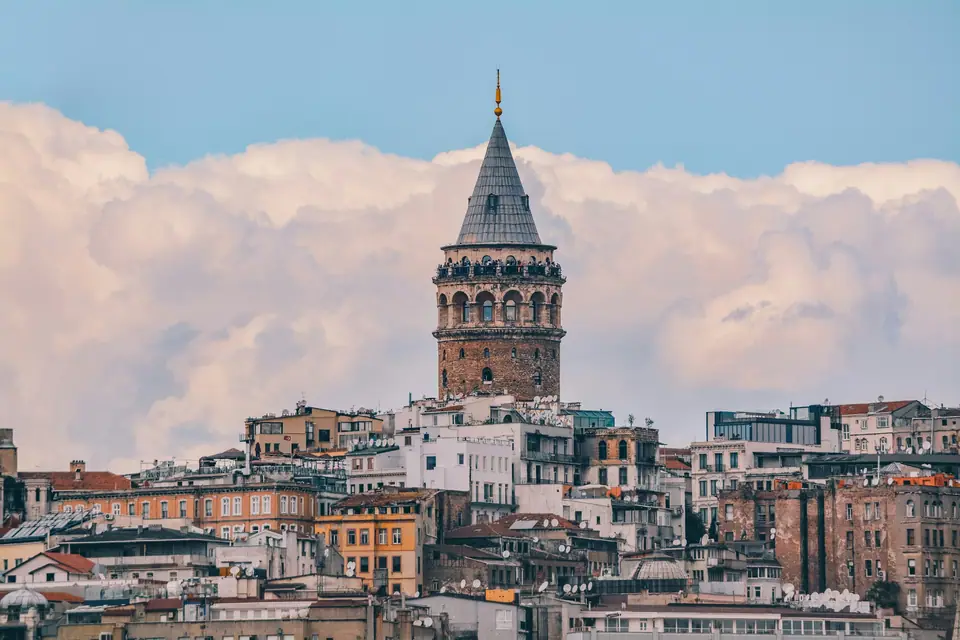
Istanbul is two cities pretending to be one. There's the postcard version on the historic peninsula, with Hagia Sophia, Topkapı Palace and the domes of Sultanahmet lined up above the water. And there's the city where more than fifteen million people live and commute: ferries full of office workers reading the paper, tea glasses on every café table, simit sellers on every corner, traffic that never quite stops.
The best trips mix both. See the monuments in the morning, then take a ferry somewhere with no particular plan. Give it four days if you have them. Our Istanbul travel guide covers the practical side before you land.
Getting there
Istanbul has two big airports on opposite continents: Istanbul Airport on the European side and Sabiha Gökçen on the Asian side. Both now connect to the city by metro, and airport buses run around the clock. Our getting there guide explains which one to fly into and how to reach your hotel.
Where to stay
The choice is mostly between Sultanahmet, where the sights are, and Karaköy or Beyoğlu, where the restaurants and nightlife are. Kadıköy, on the Asian side, suits a second visit. Our neighbourhood guide compares them, including the hills and the noise.
Things to do
We have full guides to Hagia Sophia, the Grand Bazaar and a trip up the Bosphorus. For Topkapı Palace, the Basilica Cistern, Süleymaniye and the rest, start with our things to do list.
Food and drink
Eat on the street at least once a day. Balık ekmek (grilled fish in bread) by the Galata Bridge, midye dolma (mussels stuffed with spiced rice) from a street tray, a warm simit with tea for breakfast. In the evening, find a meyhane, a tavern where dinner is a long run of small meze plates with rakı, the aniseed spirit.
Culture
This was Constantinople, capital of the Byzantine Empire for over a thousand years, and then capital of the Ottomans until 1922. Both empires left their buildings on the same few hills. A church from the 6th century stands next to a 17th-century mosque, above a Roman cistern, a short walk from the palace where sultans ruled for four hundred years.
In-depth Istanbul guides
Practical guides for planning your visit.
- Istanbul Travel Guide: What to Know Before You Go
- Best Things to Do in Istanbul
- How to Get to Istanbul
- Best Time to Visit Istanbul
- What to Wear in Istanbul
- Hagia Sophia Guide: Tickets, Rules and the Gallery Route
- Grand Bazaar Guide: A Route, Bargaining and What to Buy
- Bosphorus Guide: Ferries, Tours and What You'll See
- Where to Stay in Istanbul: A Neighbourhood Guide
- Istanbul 3-Day Itinerary
Reviews
Log in to write a review.
No reviews yet.