A detailed walking and regional route across the world’s northernmost capital: corrugated-iron timber houses around Tjörnin, Hallgrímskirkja, Harpa’s basalt-glass facade, and Þingvellir.
Ingólfur Arnarson’s Viking Homestead and the Alþingi Law Rock at Þingvellir
According to the medieval Book of Settlements (Landnámabók), Norse chieftain Ingólfur Arnarson became Iceland's first permanent settler in AD 874 when his high-seat pillars washed ashore in a bay of steaming geothermal vents that he named Reykjavík (Smoky Bay). For nine centuries Reykjavik remained a small farming and fishing estate while Iceland's Alþingi parliament met annually forty-five kilometres east in the tectonic rift valley of Þingvellir from AD 930 onward.
In 1752 Sheriff Skúli Magnússon established woollen workshops in Aðalstræti that sparked urban growth, followed by the restoration of the Alþingi in Reykjavik in 1845 and full independence in 1944, crowned by Guðjón Samúelsson's basalt-column-inspired Hallgrímskirkja.
Austurvöllur, Tjörnin Pond & Oldest Reykjavik
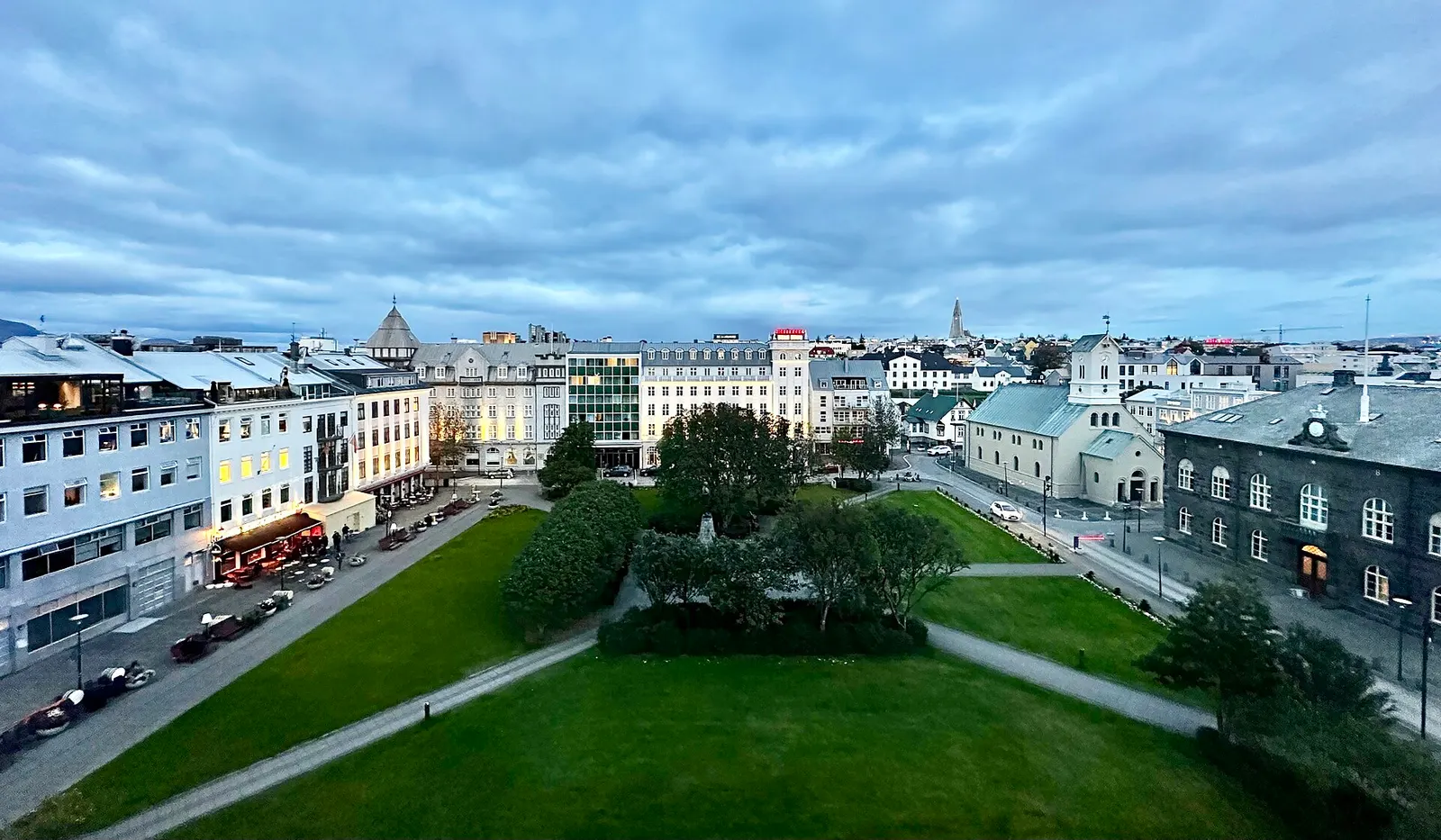
Austurvöllur Square Jón Sigurðsson Statue, Alþingishúsið Parliament House (1881 Dolerite Stone), Reykjavik Cathedral Dómkirkjan, The Settlement Exhibition 871±2 Viking Longhouse in Aðalstræti, Fógetagarðurinn, Reykjavik City Hall on Tjörnin Pond, Fríkirkjan, and National Gallery of Iceland
Austurvöllur
Austurvöllur serves as the primary public square of the capital, framed by the national parliament and the city cathedral. Historically used as pasture land, it became the focal point for major political protests and civic celebrations. A bronze monument of independence leader Jón Sigurðsson presides over the central lawns.
Alþingishúsið
Constructed in 1881 to designs by Danish architect Ferdinand Meldahl, this robust classical structure houses Iceland's national assembly. The exterior masonry utilizes polished local dolerite stone, topped with detailed reliefs of Iceland's four guardian spirits: a dragon, a vulture, a bull, and a giant. A glass annexe was added in modern times.
Reykjavík Cathedral
Consecrated in 1796, Dómkirkjan is the seat of the Lutheran Bishop of Iceland and stands directly adjacent to parliament. The modest neo-classical interior features a baptismal font sculpted by Bertel Thorvaldsen, which was gifted by the sculptor himself. Traditional parliamentary sessions begin here with a solemn religious service before cross-party proceedings.
The Settlement Exhibition
Situated on Aðalstræti, this subterranean museum encloses the structural remnants of an authentic Viking Age longhouse dated to approximately 871. Interactive digital technology explains how early Norse settlers erected turf walls and organized daily domestic routines. The site preserves some of the oldest verified traces of human habitation in the capital.
Aðalstræti 10
Built in 1762 as part of Sheriff Skúli Magnússon's industrial wool workshops, this black-tarred timber house is the oldest surviving building in central Reykjavik. It represents an early effort to introduce commercial manufacturing to an agrarian colony. Today, visitors find museum exhibitions detailing early urban life inside its carefully restored wood-panelled rooms.
Fógetagarðurinn
Occupying ground that served as Reykjavik's primary churchyard from the settlement era until the early nineteenth century, this quiet park commemorates Sheriff Skúli Magnússon. A bronze statue of Magnússon by Guðmundur Einarsson stands among mature trees and paved paths. Excavations beneath the turf have revealed hundreds of historic Christian graves.
Reykjavík City Hall
Designed by the architectural studio Studio Granda and completed in 1992, Ráðhús Reykjavíkur rests on stilts embedded directly into Tjörnin pond. The structure features bold fair-faced concrete, moss-covered external walls, and expansive glass openings. Inside the ground floor gallery, travellers examine a large three-dimensional relief map depicting Iceland's volcanic geography.
Tjörnin
Tjörnin is a shallow natural lake set at the heart of the capital, bounded by pedestrian pathways and heritage residential architecture. The lake hosts numerous species of waterfowl, including whooper swans, greylag geese, and scaup ducks. In winter, geothermal runoff keeps a section of the northern corner unfrozen for wildlife.
Fríkirkjan í Reykjavík
Erected in 1899, this independent Lutheran church features corrugated iron cladding painted white, capped with a distinctive emerald-green spire and timber details. Founded by working-class fishermen seeking autonomy from the state church, it remains an active religious and musical venue. The lakefront location makes its reflection visible across Tjörnin.
National Gallery of Iceland
Housed within an adapted former cold-storage warehouse on Fríkirkjuvegur, Listasafn Íslands showcases significant works by leading Icelandic painters and sculptors, including Ásgrímur Jónsson and Jóhannes Kjarval. A modern wing combines brutalist concrete with clean exhibition halls. The permanent collection documents the nation's transition into modernist visual artistic movements.
Monument to the Unknown Bureaucrat
Created in 1993 by sculptor Magnús Tómasson, this sculpture depicts an office clerk carrying a briefcase, his upper torso encased in an unhewn boulder of volcanic stone. Standing along the lake approach to City Hall, it presents a wry commentary on administrative labour. The contrast between rough volcanic texture and tailored suit details attracts observers.
Hólavallagarður
Consecrated in 1838 to replace the ancient cemetery at Fógetagarðurinn, Hólavallagarður contains the resting places of pioneering scholars, artists, and statesmen, including Jón Sigurðsson. Dense plantings of birch, willow, and rowan trees weave among elaborate cast-iron railings and mossy headstones. It serves as an open-air archive of local funerary sculpture.
Kvosin
Kvosin comprises the original valley floor situated between Tjörnin pond and the harbour, representing the historic cradle of commerce in the capital. The surrounding streets feature two-storey timber structures faced in brightly painted corrugated metal, an architectural method developed to withstand North Atlantic storms. It remains an active precinct for governance and commerce.
Grófarhús
This former shipping warehouse near the historic waterfront has been converted into a key cultural repository, containing the Reykjavík City Library and the Reykjavík Museum of Photography. The facility holds historic photographic prints documenting urban expansion from small village to modern capital. Its upper galleries present rotating documentary exhibitions.
Landsímahúsið
Overlooking Austurvöllur, this monumental neo-classical building originally served as the headquarters for the state telephone and telegraph company. Designed by state architect Guðjón Samúelsson, the stone facade exhibits clean geometric proportions and arched window frames typical of early twentieth-century public institutions. The premises have recently been integrated into a heritage hotel quarter.
Bessastaðir
Located on Álftanes peninsula just across the bay from the historic core, Bessastaðir has served as a seat of power since the thirteenth century, once housing royal bailiffs. The complex includes an eighteenth-century stone farmhouse, a historic chapel with stained-glass windows, and formal reception halls. The site is integral to the constitutional history of the republic.
Menntaskólinn í Reykjavík
Dating from 1846, Gamli Skóli is a white timber structure that hosted the revived Alþingi assembly before the construction of Alþingishúsið. As Iceland's oldest junior college, the institution educated many of the country's writers, prime ministers, and intellectuals. The restrained classical pediment and regular window grid dominate the sloping green knoll above Lækjargata.
Lækjartorg
This paved urban square was established over the path of a stream that historically drained Tjörnin pond into the ocean. Flanked by early twentieth-century commercial facades and transit connections, Lækjartorg long served as an intersection between old Kvosin and eastern residential neighbourhoods. A vintage clock tower serves as an enduring meeting point.
Stjórnarráðið
Commissioned in 1765 by the Danish crown as a royal prison, this whitewashed masonry building now houses the Prime Minister's Office. Designed with thick stone walls and simple dormer windows, it represents one of the earliest secular stone buildings erected in Iceland. Statues of King Christian IX and statesman Hannes Hafstein stand guard outside the entrance.
Hljómskálagarðurinn
Bordering the southern perimeter of Tjörnin, this manicured park is named after the octagonal timber music pavilion erected in 1923 for the Reykjavik Brass Band. The grounds feature walking paths, expansive lawns, and several sculptural portraits dedicated to Icelandic women artists. It offers viewing positions looking across the lake towards the skyline of the old town.
Lækjargata, Laugavegur, Rainbow Street & Hallgrímskirkja
Government House Stjórnarráðið, Culture House Safnahúsið, Bankastræti & Laugavegur Corrugated-Iron Houses, Skólavörðustígur Rainbow Street, Hallgrímskirkja Basalt-Column Tower, Leif Eriksson Statue, and Einar Jónsson Sculpture Museum & Garden
Government House
Constructed between 1765 and 1770 as Iceland's first correctional facility, this whitewashed stone edifice now serves as the seat of government. Visitors often observe the classical facade and twin bronze statues out front depicting King Christian IX and statesman Hannes Hafstein, the nation's first prime minister under home rule.
Culture House
Designed by Danish architect Johannes Magdahl Nielsen, Safnahúsið opened in 1909 to house the National Library and Antiquities Collection. The exterior displays copper detailing and carved oak features inside, alongside permanent historical exhibitions that showcase medieval manuscripts, traditional artefacts, and rotating presentations from Iceland's key cultural institutions.
Hallgrímskirkja
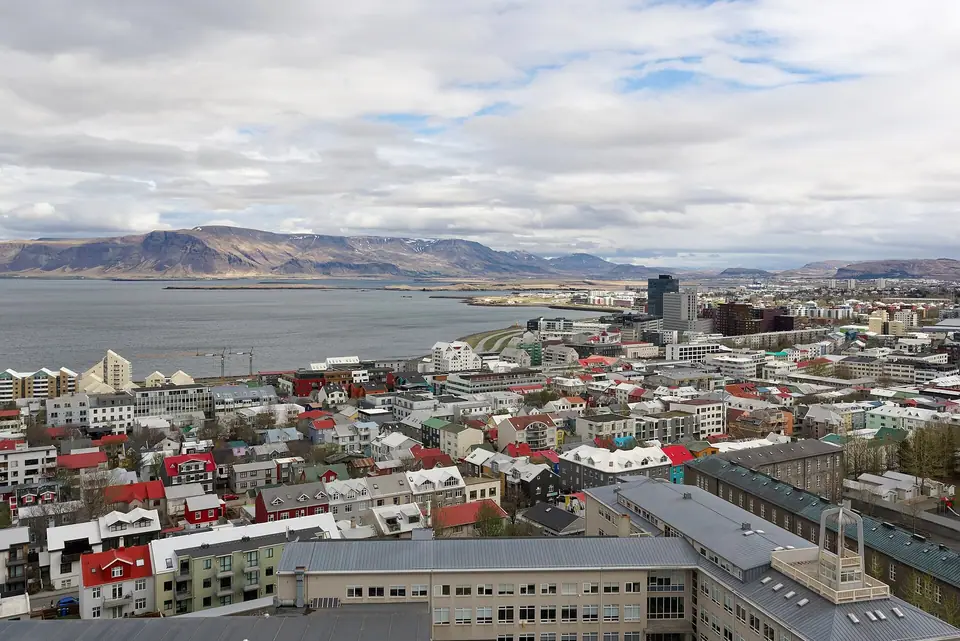
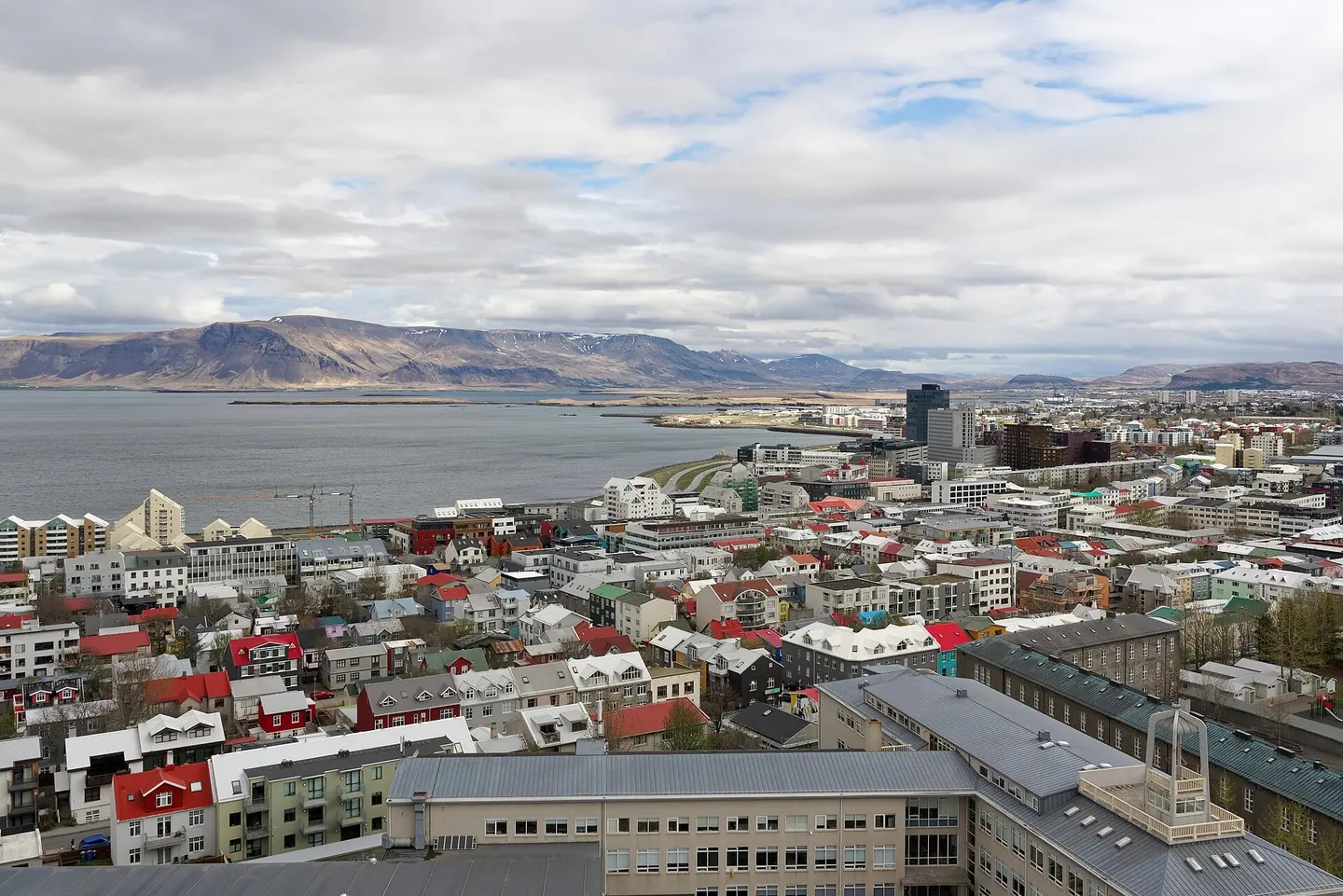
Towering over central Reykjavik from the crest of Skólavörðuholt hill, this concrete landmark was designed by state architect Guðjón Samúelsson. Completed in 1986 after four decades of construction, the interior boasts an expansive pipe organ by Johannes Klais, while an open lift carries travellers up the tower for sweeping urban panoramas.
Leif Eriksson Statue
Sculpted by American artist Alexander Stirling Calder, this heavy bronze monument commemorates Leif Eriksson's historic transatlantic voyage to North America around the year 1000. It arrived as an official gift marking the millennium of Iceland's parliament, Alþingi, and commands pride of place directly before the facade of Hallgrímskirkja.
Einar Jónsson Museum
Built between 1916 and 1923, this fortress-like structure served as the workshop and home of Iceland's premier sculptor, Einar Jónsson. The artist conceived the geometric building himself, and the surrounding rear garden displays numerous cast bronze figures that draw deeply on Norse mythology, mysticism, and historical folklore.
Skólavörðustígur
Ascending towards Hallgrímskirkja from Bankastræti, Skólavörðustígur takes its name from an old stone cairn that once stood on the hilltop. The lower stretch is famously painted in rainbow hues, and the entire thoroughfare features preserved timber and stone shopfronts housing jewellers, independent bookstores, and traditional wool craft cooperatives.
Bernhöftstorfa
Spanning the hillside above Lækjargata, this heritage enclave represents one of the oldest intact groups of timber dwellings in the city. Successfully preserved by local activists in the 1970s, the houses display classical Nordic weatherboarding, brightly painted corrugated metal claddings, and traditional stone foundations dating back to the Danish merchant era.
Laugavegur
Constructed in 1885 to link the town centre with hot springs where women laundered clothing, Laugavegur grew rapidly into the primary commercial artery. Today, its winding route exhibits distinctive Scandinavian corrugated-iron vernacular architecture, interspersed with contemporary designer boutiques, vintage clothing shops, historic bakeries, and lively neighbourhood cafes.
Bankastræti
Taking its name from Landsbanki, which established its original headquarters here in the late nineteenth century, Bankastræti forms an essential pedestrian link. Walking up the incline, one can spot well-preserved turn-of-the-century commercial houses, traditional iron ornamentation, and access points to historic alleyways leading through Reykjavik's old residential quarter.
Hegningarhúsið
Designed by Danish architect Ferdinand Jensen, this austere grey-stone building operated as a penitentiary for over a century before closing its doors. With thick basalt walls and iron-barred windows, Hegningarhúsið stands as an architectural curiosity along a fashionable retail street, awaiting a permanent public redevelopment programme.
Arnarnhóll
Rising above the harbour edge, this grassy mound offers sweeping views across the bay towards Mount Esja. At its summit stands a formidable bronze statue of Norse chieftain Ingólfr Arnarson, sculpted by Einar Jónsson in 1907, depicting the legendary founder resting against his carved high-seat pillars.
Lækjartorg
Lækjartorg originated where an open stream once drained Lake Tjörnin into the harbour before being channelled underground. Over generations it has served as a central focal point for political assemblies, national celebrations, and passenger bus routes, flanked by mid-century commercial offices and classic timber shopfronts.
Menntaskólinn í Reykjavík
Traced back to an ancient cathedral school established at Skálholt in 1056, the institution relocated to this stately neoclassical building in 1846. The whitewashed timber and mortar complex hosted sessions of the newly revived parliament, Alþingi, until a purpose-built stone parliament house was completed on Austurvöllur decades later.
Landsbókasafn Íslands (Old National Library)
Serving as the primary repository of Icelandic literature from 1909 until the collections moved to a modern campus in 1994, this site remains vital to literary history. The reading rooms witnessed the preservation of medieval saga manuscripts, while the interior decorative woodwork retains original Nordic craftsmanship and heraldic national motifs.
Sundhöll Reykjavíkur
Opened in 1937, this public bathhouse combines early modernist functionalism with Art Deco influences, featuring a gleaming white concrete exterior and soaring rectangular windows. Samúelsson designed the facility with thermal hot tubs and diving platforms, and a major expansion added an open-air pool deck that attracts local residents daily.
Ásmundarsalur
Constructed in 1934 as an atelier and exhibition hall for sculptor Ásmundur Sveinsson, this clean-lined functionalist building was designed by Sigurður Guðmundsson. Today it operates as an independent cultural pavilion, showcasing works by contemporary Icelandic artists, photographers, and architects within its restored whitewashed gallery halls.
National Theatre of Iceland
Conceived by architect Guðjón Samúelsson and finally inaugurated in 1950, the National Theatre features an exterior rendered with local spar, quartz, and crushed volcanic rock. The fortress-like facade echoes basalt columns, while the warm wood-panelled interior auditorium hosts classical Icelandic plays, contemporary drama, and musical stage productions.
Kjarvalsstaðir
Opened in 1973 in Klambratún park just south of Laugavegur, Kjarvalsstaðir was the first building in Iceland erected specifically for visual arts. The long, low pavilion utilizes expansive glass walls and Nordic timber, presenting Kjarval's expressive landscape paintings alongside temporary shows by prominent international and domestic artists.
Hverfisgata Corrugated Houses
Running parallel to Laugavegur, Hverfisgata was laid out at the turn of the twentieth century and preserves some of the city's finest domestic architecture. The street displays classic timber frames covered in imported British corrugated iron, a durable weatherproofing innovation adopted to protect delicate structures from coastal Atlantic rainstorms.
Klambratún
Developed in the mid-twentieth century on historic farmland, Klambratún is one of Reykjavik's largest public green spaces, positioned a short walk from upper Laugavegur. Travellers and locals utilise its paved walking paths, open recreation fields, disc-golf course, and outdoor bronze sculptures positioned amidst groves of hardy birch and willow trees.
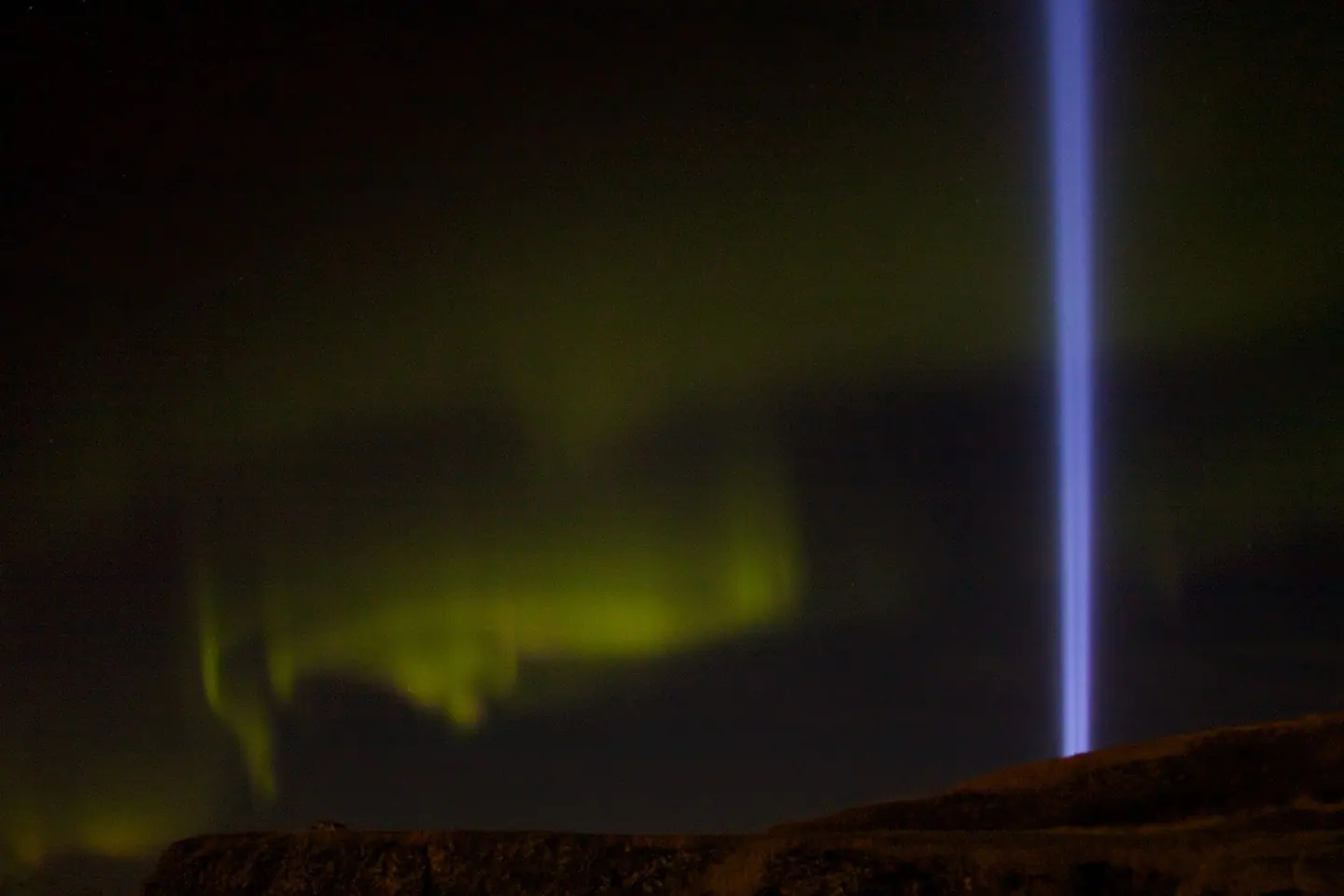
Harpa Concert Hall, Sun Voyager & Old Harbour Grandi
Arnarhóll Ingólfur Arnarson Statue, Harpa Concert Hall Olafur Eliasson Facade, Sun Voyager Sólfarið Sculpture on Sæbraut, Höfði House (1986 Reagan-Gorbachev Summit), Old Harbour Vesturhöfn, Reykjavik Maritime Museum, Marshall House Living Art Museum, and Þúfa Grass Mound by Ólöf Nordal
Ingólfur Arnarson Statue at Arnarhóll
Standing atop the grassy knoll of Arnarhóll, this bronze statue by sculptor Einar Jónsson depicts Ingólfur Arnarson grasping his high-seat pillar. Unveiled in 1931, the monument commemorates the Norse chieftain who founded the settlement in 874. Visitors can examine the detailed relief panels along its stone base and take in sweeping views towards the sea.
Harpa Concert Hall
Inaugurated in 2011, this modern concert venue features an exterior designed by artist Olafur Eliasson with Henning Larsen Architects. The structure consists of hundreds of quasi-brick glass panels that mimic the crystalline geometry of basalt columns found across the country. Inside, travellers can explore cavernous auditoriums and watch natural light filter through the reflective coloured glass.
Sun Voyager (Sólfarið)
Crafted by Icelandic sculptor Jón Gunnar Árnason, this sleek stainless steel artwork sits along the coastal promenade of Sæbraut. The design evokes a dreamboat or sun ship, symbolising hope, progress, and undiscovered territory rather than an ancient Viking longship. Polished granite paving stones frame the sculpture, which looks out directly across Faxaflói bay towards Mount Esja.
Höfði House
Constructed in 1909 as the French consulate, this whitewashed wooden villa gained global renown in October 1986 when Ronald Reagan and Mikhail Gorbachev met here to negotiate arms reduction treaties. The building incorporates classic timber framing and sits amid manicured coastal grounds. Although interior access is reserved for municipal functions, informational plaques detail its pivotal role in ending the Cold War.
Berlin Wall Fragment at Höfði
Located on the lawn just south of Höfði House, this concrete monolith is an authentic segment of the Berlin Wall gifted to the city in 2015. Weighing around four tonnes, the slab stands as a tangible memorial to European reunification and the diplomacy initiated on this exact site. Travellers can observe preserved graffiti and structural reinforcement wires embedded within the weathered concrete.
Old Harbour (Vesturhöfn)
Built between 1913 and 1917, the Old Harbour served as the primary commercial and fishing lifeline for the burgeoning capital. Today, the western basin accommodates working trawlers alongside whale watching boats and marine workshops converted into artisan spaces. Walking the wooden quays allows visitors to view ship maintenance yards and learn about the local fishing industry.
Reykjavik Maritime Museum
Located on Grandagarður in a converted fish-freezing facility, this museum explores the nation's deep relationship with the North Atlantic. Permanent galleries document traditional coastal rowing, the industrial trawler boom, and twentieth-century disputes known as the Cod Wars. Preserved navigational instruments, historical photographs, and reconstructed ship cabins provide valuable context on how seafaring shaped modern society.
Óðinn Coast Guard Vessel
Moored alongside the Maritime Museum quay, this 900-tonne patrol vessel was commissioned in 1960 and served in all three Cod Wars against British trawlers and naval frigates. The ship also undertook perilous sea rescue operations in arctic storms. Visitors can inspect its original engine rooms, intact bridge, communications cabin, and the heavy deck cannon mounted forward.
Marshall House
Built in 1948 using funds from the United States European Recovery Programme, this former fish-meal factory now serves as an independent visual arts hub. The industrial concrete complex contains spaces for the Living Art Museum, Kling & Bang, and Studio Ólafur Elíasson. Exposed concrete ceilings, steel girders, and large factory windows retain the utilitarian character of Grandi's harbour heritage.
The Living Art Museum (Nýló)
Founded in 1978 by a collective of avant-garde artists including members of the Fluxus movement, this non-profit institution is based on the second floor of the Marshall House. The museum maintains an extensive archive of performance art documentation, artist books, and audio-visual installations. Temporary exhibitions rotate regularly, showcasing boundary-pushing projects by Icelandic and international creators.
Þúfa
Commissioned by the neighbouring fish processing firm HB Grandi and designed by artist Ólöf Nordal, this 26-metre-diameter earthwork was erected in 2013 at the harbour entrance. A stone-lined pathway winds gently up the grassy mound to a traditional timber fish drying shed. From the top, travellers can study dried cod hung within the rack and survey the bay.
Grandagarður Harbour Wall and Green Lighthouse
Constructed from massive basalt blocks during the original harbour expansion, this breakwater extends into the channel to shelter vessels from North Atlantic swells. At the terminus stands a compact, green-painted harbour beacon that continues to guide trawlers safely past the shoals. Walking out to the end offers uninterrupted views of Harpa's reflective facade and arriving maritime traffic.
Borgarbókasafnið Grófin (Reykjavik City Library)
The central branch of the Reykjavik City Library occupies a modern building alongside the Reykjavik Museum of Photography in the historic Grófin district. Established as a civic gathering place, the venue hosts public reading rooms, historical archives, and cultural literary events. Large street-level windows look out towards the old custom quays, connecting modern municipal life with maritime traditions.
Reykjavik Museum of Photography
Sharing premises with the central library, this specialist museum cares for an archive of over six million photographs dating from 1860 to the present day. Exhibitions highlight historic portraits, documentation of Icelandic rural life, and avant-garde projects by contemporary photojournalists. Visitors can explore gallery spaces displaying vintage medium-format prints and digital photographic studies of changing urban environments.
Tollhúsið (The Customs House)
Designed by state architect Guðjón Samúelsson and completed in 1940, this robust concrete edifice long housed the national customs authority by the harbour. Inside the entrance lobby, visitors can view a vast mosaic by artist Gerður Helgadóttir depicting the shipping industry and port labourers. The structure represents early twentieth-century functionalist architecture adapted to harsh subarctic weather conditions.
Kolaportið Flea Market
Operating since 1989 inside an industrial warehouse on Tryggvagata, this historic indoor bazaar is the largest flea market in the country. Stalls display second-hand books, vintage garments, antique jewellery, and hand-knitted lopapeysa wool sweaters. A dedicated food hall section offers traditional culinary staples such as fermented shark, dried haddock fillets, and rye bread baked in geothermal ground.
Reykjavik Art Museum Hafnarhús
Originally built in the 1930s as a commercial maritime warehouse, Hafnarhús was carefully converted into the city's premier contemporary art venue in 2000. The museum features six gallery spaces surrounding an airy central courtyard and houses the permanent collection of postmodern artist Erró. Changing international exhibitions, multi-media installations, and industrial architecture make it a key anchor of downtown visual culture.
Slippurinn Dry Docks
Established in 1902, Slippurinn remains one of the oldest active industrial enterprises operating in the inner harbour zone. The yard utilises mechanical slipways to winch fishing trawlers and cargo ships out of the water for hull painting and engine overhaul. Travellers walking along Grandi can observe maritime tradespeople at work repairing vessels with heavy industrial cranes.
Sigtún Coastal Path Promenade
Extending east from Harpa towards Laugarnes, this paved pedestrian and cycling path runs along the basalt sea wall of Sæbraut. The route passes historical landmarks, open-air sculptures, and informational points outlining local maritime flora and fauna. Travellers along the promenade enjoy panoramic views across the bay towards Akrafjall and Mount Esja, which frame the northern skyline.
Bæjarins Beztu Pylsur Historical Stand
Located on Tryggvagata opposite the harbour basins, this modest red-and-white kiosk has operated continuously since 1937. It has become a cultural fixture of downtown life, having served notable figures including heads of state and touring musicians. The stall prepares traditional Icelandic hot dogs made primarily from local lamb and served on soft buns with remoulade, mustard, and crispy onions.
Vesturbær, National Museum, Perlan Dome & Geothermal Coast
Landakotskirkja Neo-Gothic Basilica, Vesturbæjarlaug Geothermal Pool, Grótta Lighthouse on Seltjarnarnes, National Museum of Iceland Þjóðminjasafnið, Nordic House by Alvar Aalto, Perlan Glass Dome on Öskjuhlíð Hill, Nauthólsvík Geothermal Beach, and Árbær Open Air Museum
Landakotskirkja
Formally known as Basilika Krists konungs, this cathedral was consecrated in 1929 on Landakot hill. State architect Guðjón Samúelsson incorporated basalt-inspired accents alongside classic Neo-Gothic arches and a distinct flat-topped tower. We observe intricate wood carvings, a statue of Christ gifted by the Holy See, and cedar benches.
Vesturbæjarlaug
Opened in the Vesturbær district, this public swimming facility serves as a focal point of local civic culture. Fed by regional geothermal boreholes, it features an outdoor lap pool, steam baths, and hot pots of varying temperatures. Visitors can examine the functional mid-century architecture while experiencing Iceland's daily bathing traditions.
Grótta Lighthouse
Standing at the western tip of the Seltjarnarnes peninsula, this lighthouse was constructed in 1947 to replace an earlier 1897 beacon. The tower stands on an island connected to the mainland by a tidal isthmus accessible only during low water. It provides an uninterrupted coastal viewpoint over Faxaflói bay.
National Museum of Iceland
Established in 1863, the institution moved to its present purpose-built modernist building on Suðurgata in 1950. The permanent exhibition displays the famous Valþjófsstaður church door with its Romanesque medieval carvings alongside Viking burial treasures and Christian reliquaries. It presents a continuous narrative of settlement from the ninth century onwards.
Nordic House
Inaugurated in 1968, this cultural institution is situated amid the wetlands near the University of Iceland. Master architect Alvar Aalto designed the building along with its interior furnishings, lamps, and stepped library shelves. Its ultramarine ceramic rooftop mimics the silhouette of the surrounding mountains visible across the marsh.
Perlan
Engineered by architect Ingimundur Sveinsson and opened to the public in 1991, this complex rests atop six massive geothermal storage tanks on Öskjuhlíð hill. A hemispherical glass dome crowns the structure, housing natural history exhibits and an indoor ice cave. The perimeter observation deck offers panoramic vistas across the entire capital region.
Nauthólsvík Geothermal Beach
Created in 2001, this public coastal facility blends cold sea water with runoff from geothermal wells within a walled lagoon. Imported golden sand covers the strand, creating a contrast with Iceland's typical black volcanic coastlines. Communal hot tubs and changing pavilions line the shore, attracting swimmers throughout all seasons.
Árbær Open Air Museum
Founded in 1957 on a former farm estate, this living history museum preserves more than twenty heritage structures relocated from central districts. The collection includes turf-roofed dwellings, a consecrated wooden church from 1842, and craftsmen workshops. The site illustrates municipal trade and rural lifestyles from the eighteenth through twentieth centuries.
University of Iceland Main Building
Completed in 1940, the university's main building, or Aðalbygging, commands the western end of the campus lawn. State architect Guðjón Samúelsson blended neoclassical symmetry with Icelandic Art Deco motifs and basalt-column styling. The interior features ceremonial lecture halls, historic plaster casts, and decorative mosaics.
Bessastaðir
Occupying a headland across the bay, this historic site dates back to thirteenth-century farm records referenced in Sturlunga saga. The main building was built between 1761 and 1766 as a royal school and residency before becoming the presidential seat in 1944. The adjacent Bessastaðakirkja contains some of the oldest stained-glass panels in the country.
Öskjuhlíð
Rising behind the city centre, this woodland was planted during the mid-twentieth century around the municipal geothermal tanks. The slopes preserve concrete bunkers, trenches, and aircraft positions constructed by British occupation forces during the Second World War. Walking paths wind through the pine stands towards remnants of naval artillery foundations.
Hólavallagarður Cemetery
Consecrated in 1832 to replace the older burial ground at Víkurgarður, this historic site sits on Suðurgata in Vesturbær. Densely planted with mosses, willows, and birch, the grounds contain monuments dedicated to prominent national figures, including independence leader Jón Sigurðsson. Distinctive cast-iron and carved basalt grave markers reflect nineteenth-century craft techniques.
Kjarvalsstaðir
Opened in 1973 in Klambratún park, this pavilion was the first municipal structure in Iceland purpose-built for fine art exhibitions. Designed by Hannes Kr. Davíðsson, the building reflects Japanese and Nordic architectural influences with floor-to-ceiling glass and light timber ceilings. It exhibits the expressive landscape paintings of Jóhannes Sveinsson Kjarval.
Nesstofa
Erected between 1761 and 1767 on the Seltjarnarnes peninsula, Nesstofa ranks among the oldest stone buildings in Iceland. It originally served as the home and clinic of Bjarni Pálsson, the first Surgeon General of Iceland. Today preserved by the National Museum, its masonry exhibits early royal Danish construction methods.
Ásgrímur Jónsson Collection
Located on Bergstaðastræti, this residential studio was the working home of Ásgrímur Jónsson, one of Iceland's earliest professional painters. Upon his death in 1958, Jónsson bequeathed his home and remaining artworks to the nation. Managed as a branch of the National Gallery, the preserved interior displays his pioneering folklore watercolours.
Fossvogskirkjugarður
Inaugurated in 1932, this peaceful cemetery occupies sloping terrain leading down to the Fossvogur inlet. It holds Iceland's official Commonwealth War Graves plot, where British and allied servicemen who died during the Second World War are interred. The site features a functionalist stone chapel designed by Guðjón Samúelsson.
Seltjarnarneskirkja
Serving the suburban coastal municipality of Seltjarnarnes, this church was completed in 1989 following plans by architect Guðrún Jónsdóttir. Its exterior exhibits stark concrete volumes and an angular silhouette typical of modern Icelandic religious design. The sanctuary features broad windows that incorporate coastal daylight into the worship space.
Medical History Museum Nesstofa
Situated adjacent to Nesstofa on Seltjarnarnes, this museum focuses on the history of Icelandic healthcare, pharmacology, and folk medicine. The galleries display antique surgical tools, historical medicinal jars, and archival apothecary equipment spanning the eighteenth to twentieth centuries. The exhibition details how early physicians combated epidemics in remote Atlantic settlements.
University Library National and University Library of Iceland
Known locally as Þjóðarbókhlaðan, this imposing brick-red structure opened in 1994, merging the national and university collections. Designed by Manfred Vilhjálmsson and Christer Göransson, it contains the largest collection of Icelandic printed books, newspapers, and medieval manuscript facsimiles. The reading rooms offer broad views towards the neighbouring lake and campus.
Reykjavik Maritime Museum
Established in 2005 at the Grandi harbour area in Vesturbær, this museum interprets Iceland's essential fishing history inside a converted freezing plant. Exhibits highlight wooden rowboats, early trawling equipment, and the twentieth-century Cod Wars with Britain. Moored along the adjacent pier is the preserved Coast Guard vessel Óðinn, accessible via museum tours.
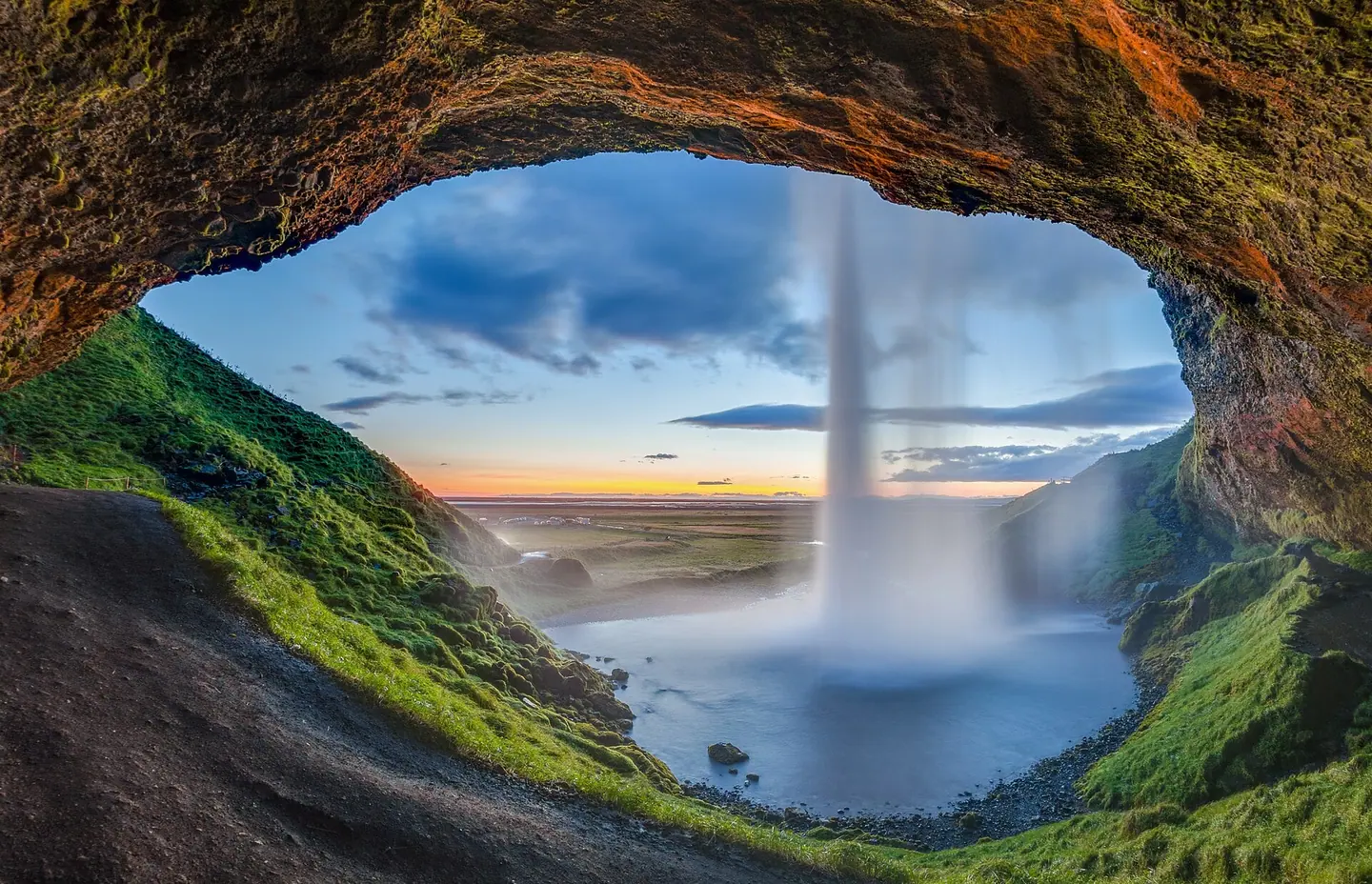
The Golden Circle: Þingvellir, Geysir, Gullfoss & Reykjanes
Ásmundarsafn Sculpture Dome, Sky Lagoon at Kársnes, Þingvellir National Park Almannagjá Tectonic Gorge & Lögberg Law Rock, Öxarárfoss, Haukadalur Great Geysir & Strokkur, Gullfoss Two-Tiered Waterfall, Skálholt Cathedral, Kerið Volcanic Crater Lake, and Blue Lagoon Svartsengi
Ásmundarsafn Sculpture Museum
Designed by sculptor Ásmundur Sveinsson, this distinct white building blends Mediterranean dome architecture with Arab influences and vernacular Nordic shapes. Inside, visitors encounter bold figurative pieces exploring Icelandic folklore and manual labour. The surrounding public sculpture garden contains dozens of his monumental bronze figures positioned among birch trees and open lawns.
Sky Lagoon at Kársnes
Constructed along the rocky Kársnes harbour edge, this oceanside retreat incorporates traditional Icelandic turf wall engineering and timber craftsmanship. Its design draws on North Atlantic coastal traditions, featuring an infinity pool overlooking Faxaflói Bay alongside a restored stone turf shelter. Travellers visit to study the historical turf construction techniques while observing the changing tide.
Þingvellir National Park
Established in 930, Þingvellir served as the open-air meeting site for the national Alþingi parliament until 1798. The park marks the surface divergence of the North American and Eurasian tectonic plates across a vast volcanic plain. We can trace foundations of ancient stone and turf assembly booths preserved across the central grassy valley floor.
Almannagjá Tectonic Gorge
Forming the dramatic western boundary of Þingvellir, this steep basalt fissure extends for several kilometres across the landscape. The chasm walls showcase layered basalt lava strata produced during historic volcanic rifting events. A gravel footpath leads between the towering rock faces where parliament delegates once walked to deliver laws.
Lögberg Law Rock
The Law Rock served as the physical pulpit where the elected Lawspeaker recited constitutional codes from memory each summer. Positioned above the Almannagjá fault, the rock provided natural acoustics across the assembled crowds before written statute books existed. Today, a raised national flagpole marks the precise promontory documented in classical family sagas.
Þingvallakirkja
Consecrated in 1859, this traditional timber church stands on one of Iceland's earliest Christian sites, which King Olaf Haraldsson established around 1015. The interior contains an intact seventeenth-century pulpit and three historic bells, including one dating to the seventeenth century. Nearby stands the national burial ground, containing the tombs of beloved independence poets.
Drekkingarhylur Drowning Pool
Situated in the Öxará river beneath the Almannagjá cliffs, this deep pool served as an execution site following the sixteenth-century Great Edict. Between 1618 and 1706, courts drowned eighteen convicted women here, submerging them in linen sacks. Informational plaques explain the history of the penal code that operated under Danish colonial rule.
Öxarárfoss
Flowing over the rim of the Almannagjá fault, this waterfall drops thirteen metres over hexagonal basalt rocks. Sagas record that settlers deliberately diverted the river Öxará into the gorge to provide fresh drinking water for national assembly attendees. Raised timber walkways guide visitors along the boulder-strewn canyon base directly facing the foaming pool.
Silfra Fissure
Formed during an earthquake swarm in 1789, this submerged tectonic split drops down into deep underwater chasms. The water originates from Langjökull glacier, filtering through subterranean porous basalt for decades before emerging at near-freezing temperatures. Travellers observe deep underwater visibility revealing steep submerged canyon walls that separate the continental plates.
Haukadalur Geothermal Valley
Records mention thermal activity in this rhyolite valley as early as 1294 following a major regional earthquake. The field contains fumaroles, steam vents, and rich mineral crusts deposited by boiling underground springs. The area preserves early scientific measurement markers installed during historic nineteenth-century geological expeditions to observe eruptive behaviour.
The Great Geysir
This expansive thermal basin served as the global namesake for erupting hydrothermal vents following accounts published across Europe. While large natural eruptions occur rarely, the wide circular crater remains filled with deep blue, mineral-saturated geothermal water. The surrounding silica sinter bowl was formed by millennia of deposited minerals drying in the mountain winds.
Strokkur Geyser
Located a short stroll from Geysir, Strokkur reliably propels boiling water up to thirty metres every few minutes. Subterranean chambers superheat liquid water trapped deep within bedrock pipes until flash boiling forces the column upward into a bright blue surface dome. Marked paths protect fragile silica crusts and allow safe observation of each eruption.
Gullfoss Waterfall
Fed by the Hvítá glacial river, Gullfoss drops thirty-two metres in two separate stages before entering a steep canyon. In the early twentieth century, local advocate Sigríður Tómasdóttir fought successful legal campaigns against foreign developers who intended to construct a hydroelectric dam. Cliffside paths provide panoramic vantages across wide sediment deposits and surging spray.
Skálholt Cathedral
Skálholt served as Iceland's southern cultural, political, and educational centre for more than seven centuries, founded by Bishop Ísleifur Gissurarson in 1056. The current concrete cathedral, completed in 1963, exhibits striking modernist stained glass by Gerður Helgadóttir and an altar mosaic by Nína Tryggvadóttir. A basement crypt shelters medieval carved gravestones and historical archaeological relics.
Kerið Volcanic Crater Lake
Formed roughly 6,500 years ago, this volcanic depression displays fiery red scoria slopes carpeted with green alpine moss. Rather than blowing apart during an eruption, the cone collapsed inward after its underlying magma chamber emptied. Visitors walk along the outer rim or descend wooden stairs to the aquamarine lake, whose depth fluctuates with ground aquifers.
Reykjanesviti Lighthouse
Constructed in 1929, this thirty-one-metre white concrete lighthouse stands on Bæjarfell hill overlooking the rough Reykjanes coastline. It replaced the original 1878 masonry beacon, which cracked following intense regional earthquakes. The facility overlooks active steam vents and jagged offshore sea stacks populated by breeding colonies of Northern fulmars and guillemots.
Gunnuhver Geothermal Field
Named after the legendary ghost Guðrún, this turbulent thermal area emits dense clouds of mineral-rich steam from ground vents. It features Iceland's largest mud geyser, measuring twenty metres across, which continually roils with grey volcanic slurry. Wooden boardwalks guide travellers through shifting vapor plumes while protecting the delicate geothermal ground from foot traffic.
Bridge Between Continents
Spanning an arid rift valley at Sandvík, this fifty-foot steel pedestrian bridge symbolizes the tectonic division between North America and Eurasia. Constant drift pulls the terrain apart at roughly two centimetres annually, creating deep sandy ravines filled with dark basalt gravel. Descriptive markers clarify the geology of continental separation and plate boundary dynamics.
Blue Lagoon Svartsengi
Formed as runoff from the adjacent Svartsengi geothermal plant in 1976, this milky-blue pool is rich in silica, mineral salts, and blue-green algae. The architectural complex embraces volcanic materials, with low-slung concrete pavilions set into rugged Illahraun lava fields. Visitors encounter outdoor silica dispensers and observe water naturally renewed through constant subterranean replenishment.
Svartsengi Geothermal Energy Exhibition
Svartsengi was the world's first geothermal power station to combine electricity generation with district central heating using heat exchangers. Construction began during the 1970s energy crisis, tapping deep volcanic boreholes to provide warm water throughout the Reykjanes peninsula. Educational displays illustrate the technological engineering required to separate minerals and harness renewable subterranean power.
Geothermal Pools and Southwest Loops from Reykjavik
Pair this route with the practical neighbourhood breakdowns, climate charts and transport advice in our Reykjavik travel overview, alongside additional mapped city walks.