Photo by Pete Alexopoulos on Unsplash
USA Travel Guide: Regions, Routes and Practical Tips
How to plan a first trip to the United States: which region to pick, how to move between cities and parks, and the costs and entry rules that surprise visitors.
The United States is not one trip. New York to Los Angeles is about 4,000 km in a straight line, roughly London to Baghdad, and a flight across the country takes five or six hours. The regions differ as much as European countries do: in climate, food, landscape and how people get around. Most first-timers plan a route that looks fine on a map and turns into a week of airports and motorways. This guide is about picking one region, moving around it sensibly, and knowing the costs that never appear on the price tag.
The USA in brief
Short answer: pick one region per trip. For a first visit, that usually means the Northeast (New York with Washington or Boston, linked by train) or the West (California's coast, or the national parks of the Southwest by car). Trying to do both in ten days wastes two of them in transit.
The US suits people who like big cities, big landscapes and road trips, often all at once. It is easy for families, and English makes it simple to get by. It is harder on travellers without a driving licence once they leave the big cities, on anyone expecting European-style public transport outside the Northeast, and on budgets: tipping, tax and hotel fees add a lot to what you see advertised.
The regions at a glance
Fifty states, and these are the areas that shape most first trips.
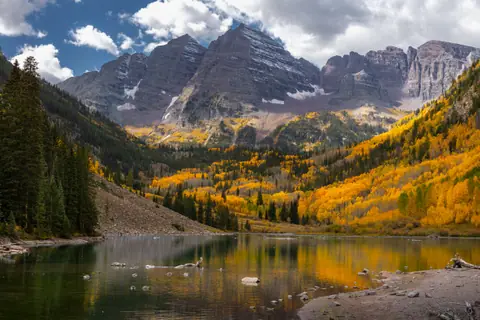
- New York and the Northeast. New York City is the obvious start: Central Park, the Met, the Statue of Liberty and a show on Broadway. Our New York travel guide covers the subway, tipping and what to book. Boston, with its red-brick streets and the Freedom Trail, is about four hours north by train. In autumn, New England's forests turn red and gold.
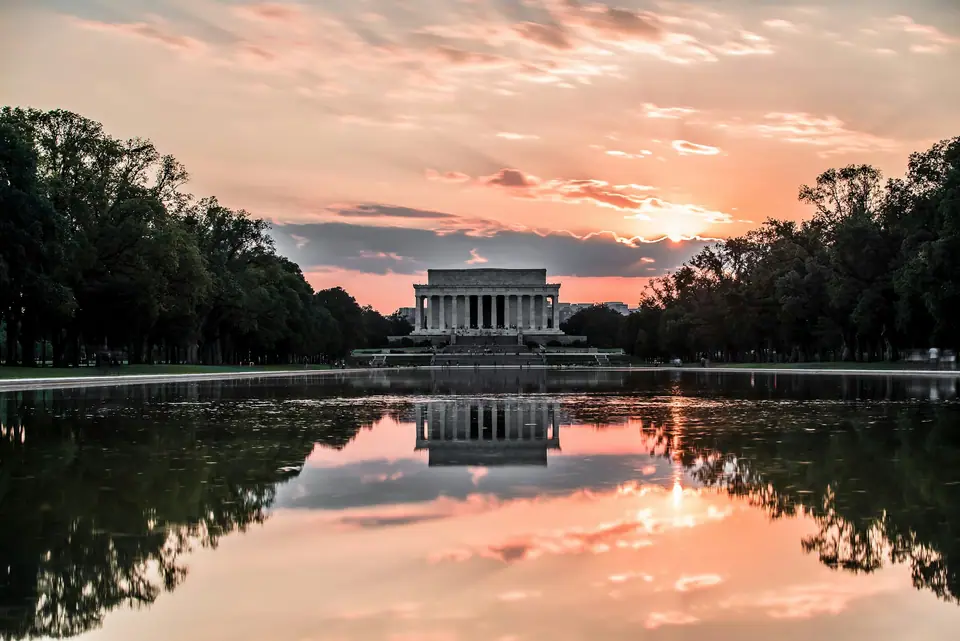
- Washington DC. The capital is the easiest big city in the country for a first visit: the Smithsonian museums on the National Mall are free, and the Lincoln Memorial, the Capitol and the White House are within walking distance of each other.
- Florida. Beaches, the theme parks of Orlando, Miami's Art Deco district in South Beach, and the Everglades, a vast wetland of sawgrass and alligators. Warm in winter, humid and stormy in summer.
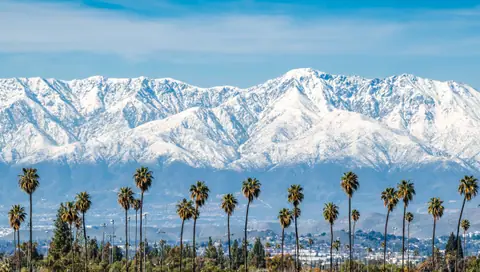
- California and the West Coast. San Francisco with its cable cars and the Golden Gate Bridge, Los Angeles and its beaches, Yosemite in the Sierra Nevada, and the coast road between them. Seattle and Portland sit further north, greener and wetter.
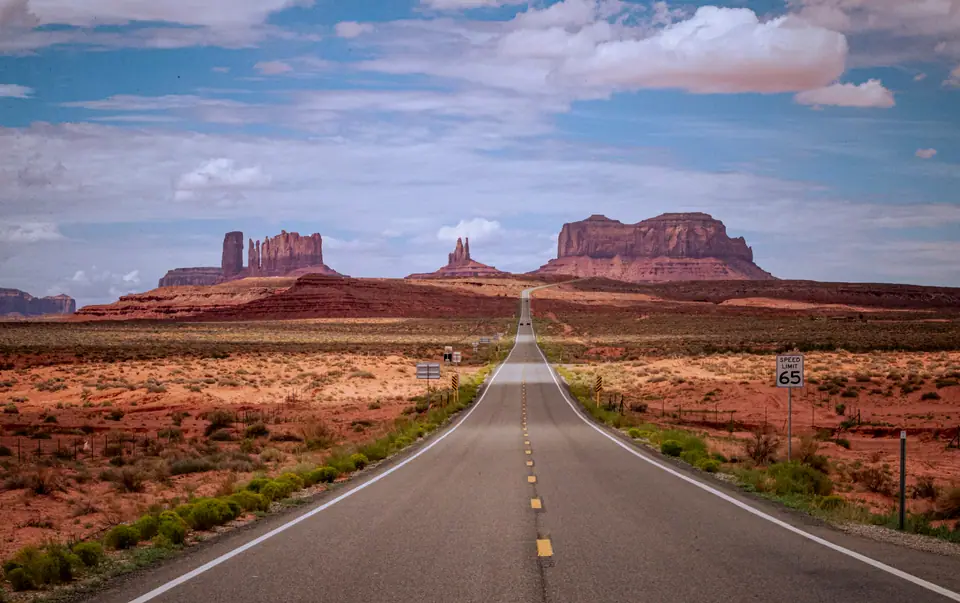
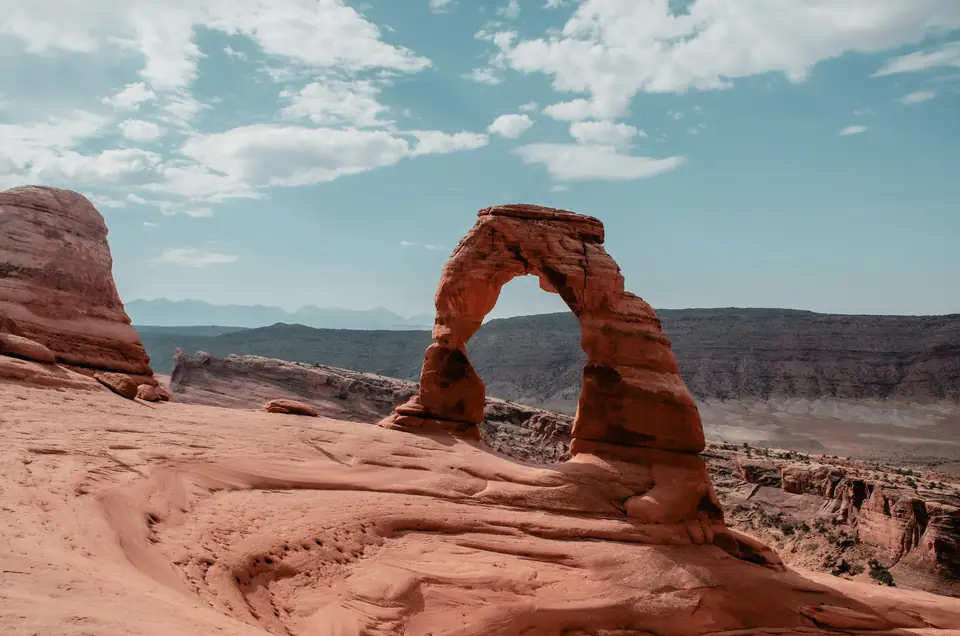
- The Southwest national parks. Red rock country: the Grand Canyon in Arizona, and Zion, Bryce Canyon, Arches and Canyonlands in Utah. Las Vegas is the usual gateway. This region needs a car and more time than people expect.
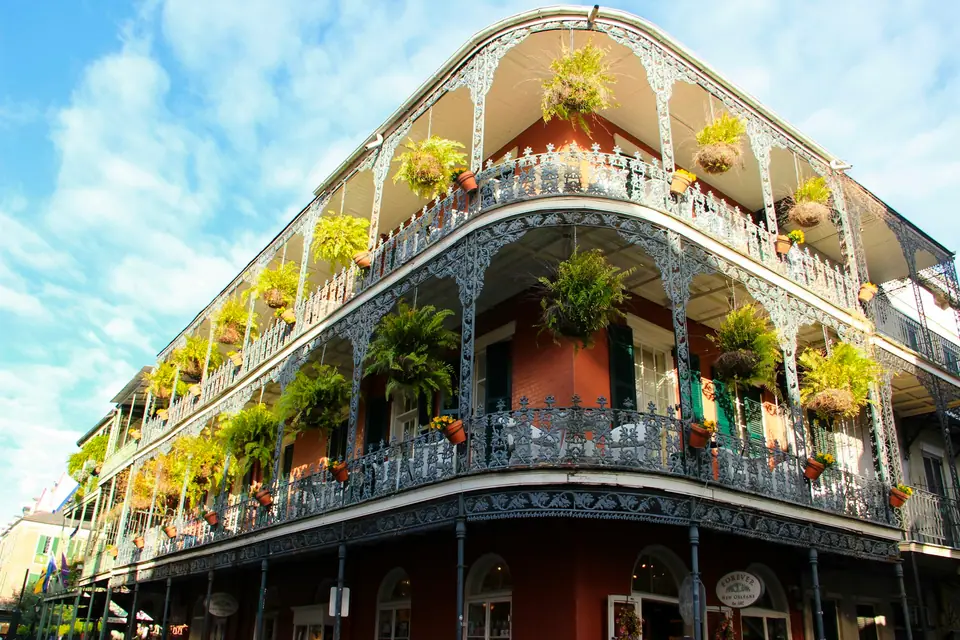
- New Orleans and the South. Jazz, Creole food and the iron balconies of the French Quarter in New Orleans. Nashville for country music, Memphis for blues and Elvis, and Charleston and Savannah for old squares shaded by live oaks.
- Chicago and the Midwest. Chicago has some of the finest architecture in the country, best seen from a river boat tour, plus deep-dish pizza and the Art Institute. The rest of the Midwest is farmland and lakes, rarely a first-trip choice.
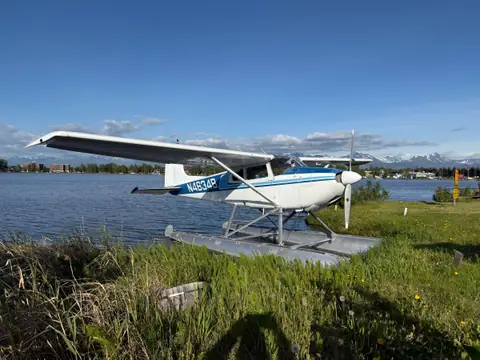
- Hawaii and Alaska. Both are trips of their own. Hawaii is a five or six hour flight from the West Coast; Alaska is for summer cruises, glaciers and wildlife. Hawaii raised its hotel tax in 2026 with a new "green fee".
Three routes: 7, 10 and 14 days
Distances decide everything here. Fly in and out of different airports (an open-jaw ticket), and avoid one-way car rentals across state lines, which often carry a large drop-off fee.
7 days: New York and Washington by train
- New York, 4 nights. Our 3-day New York itinerary covers the first three days; keep the fourth for Brooklyn or a museum.
- Washington DC, 3 nights, about three hours away by train. Fly home from Washington.
Prefer Boston? Swap it in for Washington. It is about the same distance by train in the other direction.
10 days: San Francisco and the California coast
- San Francisco, 3 nights. Our San Francisco day trips guide covers Muir Woods and Napa.
- Pick up a car and drive south to Monterey and Carmel, 1 night.
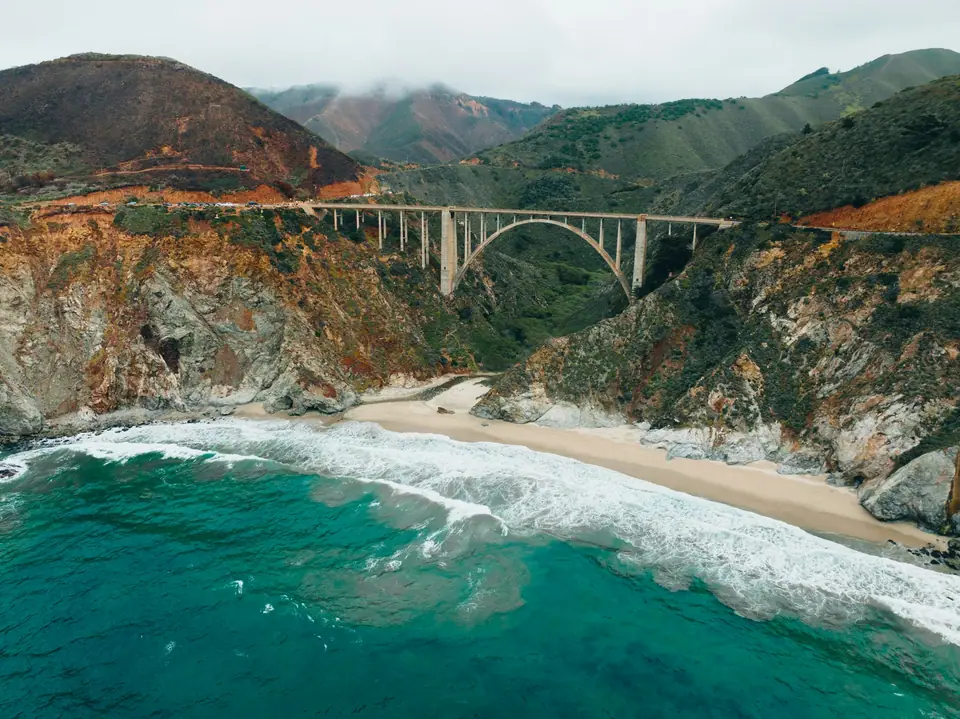
- Big Sur and the coast road to San Luis Obispo or Santa Barbara, 2 nights.
- Los Angeles, 3 nights. Drop the car and fly home from LAX.
Parts of Highway 1 through Big Sur close after landslides, sometimes for months. Check Caltrans road conditions before you plan the drive.
14 days: the Southwest road trip
- Las Vegas, 2 nights. Pick up the car on the way out, not on arrival.
- Zion, 2 nights, then Bryce Canyon, 1 night.
- Moab, 3 nights, for Arches and Canyonlands.
- Page, 1 night, for Horseshoe Bend and Antelope Canyon.
- Grand Canyon South Rim, 2 nights. Read our Grand Canyon getting there guide for drive times.
- Sedona, 2 nights, then back to Las Vegas or on to Phoenix, 1 night. Fly home.
That is a lot of driving, often three to five hours between stops. If it feels too much, drop Moab and give the Grand Canyon and Zion an extra night each.
Getting around: planes, trains and rental cars
Between regions, fly. Domestic flights are frequent, and the big hubs (Atlanta, Chicago, Dallas, Denver) connect almost everywhere. Arrive at the airport early: TSA security queues can be long, and bags on the cheapest fares cost extra.
Amtrak, the national rail company, is only competitive in one place: the Northeast Corridor from Boston through New York and Philadelphia to Washington. The regional trains are cheaper; the Acela, with new, faster NextGen trainsets since August 2025, is quicker and pricier. Book early, as fares rise closer to the date. Long-distance trains elsewhere are scenic but slow, and better treated as an experience than as transport.
Renting a car and driving rules
Outside the big cities, you need a car. Most licences from abroad are accepted for a visit; an International Driving Permit alongside helps if yours isn't in English. Drivers under 25 pay a surcharge. The rules that catch visitors out:
- Speed limits are in miles per hour, and police enforce them.
- Turning right on a red light, after a full stop, is legal in most states unless a sign says otherwise. Not in New York City.
- When a yellow school bus stops with its red lights flashing, traffic in both directions must stop.
- Rental insurance is confusing. Check what your credit card or travel policy covers before you reach the counter.
In New York, San Francisco and Washington, don't rent a car at all. Use the subway, airport trains and your feet.
When to go
For most regions, May and June, then September and October, are the best months. Hurricane season runs from 1 June to 30 November on the Atlantic and Gulf coasts, peaking from August to October; it affects Florida, New Orleans and the Carolinas most. Buy travel insurance that covers it.
The desert Southwest is dangerous in summer. Las Vegas and Phoenix regularly pass 40°C (104°F), and so does the floor of the Grand Canyon. Spring and autumn are far better for hiking. Winter works for Florida, California, Hawaii and the southern cities, and for skiing in the Rockies, while the Northeast and Midwest are cold and snowy. Many roads in the high parks, including the North Rim of the Grand Canyon, close in winter.
Money: tipping, tax and hotel fees
Cards and contactless payment are accepted almost everywhere. Keep a few small notes for tips.
- Tipping. Not optional in practice. Sit-down restaurants expect 18 to 20 percent, bars a dollar or two per drink, and taxi drivers, hotel porters and housekeeping expect something too. Card machines often suggest a tip even at counters; there you can choose less.
- Sales tax. Prices on menus and shelves don't include it. It is added at the till, and the rate depends on the state and city.
- Resort and hotel fees. Since May 2025, a federal rule requires hotels to show mandatory fees in the total price when you book. They still exist, especially in Las Vegas and Hawaii, and parking is often charged on top, sometimes at a steep rate in city centres.
- Service charges. Some restaurants, especially in California, add a surcharge for staff benefits. It is not a tip; read the menu.
Health insurance and staying safe
Medical care in the US is among the most expensive in the world. A visit to an emergency room, an ambulance ride or one night in hospital can cost more than your whole trip. Do not travel without insurance that covers medical treatment and repatriation, and check that it covers the US specifically, as many policies exclude it or charge more. For minor problems, urgent care clinics and pharmacies are quicker and cheaper than a hospital.
For safety, the US is much like any big country. Most visits pass without trouble. Keep valuables out of sight in parked cars, which are the most common target, especially in San Francisco and Los Angeles. Stick to busy streets at night, and ask your hotel which blocks to avoid. In national parks, the real dangers are heat, dehydration and cliff edges. For emergencies, call 911.
Practical questions
Do we need an ESTA or a visa?
Citizens of Visa Waiver Program countries need an approved ESTA before boarding, applied for on the official site (esta.cbp.dhs.gov). The fee rose sharply on 30 September 2025, and lookalike sites charge extra on top. Apply at least 72 hours ahead. Everyone else needs a visa, and interview waiting times can be long. A new visa integrity fee has been added for visa applicants. Since January 2026, citizens of a longer list of countries face full or partial entry restrictions, and some visitor visas now require a bond; check the State Department's travel site for your nationality.
Will they ask for our social media?
Not as a requirement, at the time of writing. The ESTA form has an optional social media question. In December 2025, CBP proposed making five years of social media history mandatory, then said in May 2026 that it would narrow the plan to certain travellers. Nothing has taken effect yet. Since December 2025, all non-US citizens also have their face photographed on entry and exit.
Do national parks cost more for visitors from abroad?
At some, yes. Since 1 January 2026, non-US residents aged 16 and over pay an extra per-person fee at 11 of the busiest parks: Acadia, Bryce Canyon, Everglades, Glacier, Grand Canyon, Grand Teton, Rocky Mountain, Sequoia and Kings Canyon, Yellowstone, Yosemite and Zion. There is a separate, much pricier annual pass for non-residents, which covers the holder and up to three other adults. On the Southwest route above, it quickly pays for itself. Rates are on nps.gov. Arches has dropped its timed-entry reservations for 2026.
What's open at the Grand Canyon?
The South Rim is open. A flash flood on 29 August 2026 destroyed most of the footbridges in the inner canyon, and Phantom Ranch, the North Kaibab Trail and rim-to-rim hikes are closed with no reopening date. The North Rim is day use only in 2026, after the Dragon Bravo fire of July 2025 destroyed the historic Grand Canyon Lodge. Our Grand Canyon hiking guide tracks what is open.
Did the World Cup and the 250th anniversary change anything?
Both are behind us now. The FIFA World Cup ran from June to the final in New Jersey on 19 July 2026, and the country marked 250 years of independence on 4 July. In Washington, some anniversary exhibitions continue into early 2027, and the Hirshhorn's sculpture garden on the National Mall reopens this autumn after renovation.
Is a Broadway show worth booking ahead?
For the hits, yes. For others, same-day discount booths, lotteries and rush tickets work well. Our Broadway show guide explains how to choose.
Where we would start
For a first trip, we'd fly into New York and out of Washington: four nights in Manhattan, a train south, three nights among the free museums of the Mall. No car, no internal flight, and a good sense of how the country works. Book insurance before anything else, budget for tips and tax on every meal, and save the Southwest parks for a spring or autumn trip with a car. That one tends to follow.