Accra
Ghana's Atlantic capital of pan-African monuments, Jamestown's red-and-white lighthouse, woven kente markets, smoky jollof rice and highlife rhythms along Labadi Beach.
Quick decisions
How many days?
3 days: Kwame Nkrumah Memorial Park, Black Star Square and historic Jamestown on Day 1, Makola Market, the Arts Centre, W.E.B. Du Bois Centre and Osu on Day 2, plus Labadi Beach or an Aburi and Cape Coast day trip on Day 3. Follow our three-day route.
Where should I stay?
Osu and Labone: walkable cafés, restaurants and evening music around Oxford Street and leafy side avenues. Cantonments and Airport Residential: quiet embassies and garden hotels. Labadi (La) Coast: beachfront resorts on the Atlantic. Compare areas in our neighbourhood overview.
Do I need a car?
No. Ride-hailing apps (Uber, Bolt and Yango) work reliably across central Accra and cost far less stress than driving through city roundabouts yourself.
Best for
Pan-African heritage: Kwame Nkrumah's mausoleum, Black Star Gate and the W.E.B. Du Bois Memorial Centre. Textiles and contemporary art: hand-loomed kente cloth, fantasy coffins and galleries. Food: smoky Ghanaian jollof and waakye.
Before you go
Visa and yellow fever card: most nationalities must obtain a Ghana visa prior to boarding and present an original yellow fever vaccination certificate on arrival at Kotoka Airport. Read our practical briefing.
Getting around
From Kotoka International Airport (ACC): the airport sits right inside the city grid, only 15 to 25 minutes by hotel shuttle or ride-hailing car from Cantonments, Osu and Labadi. Details in arrival and transport.
Continue your trip
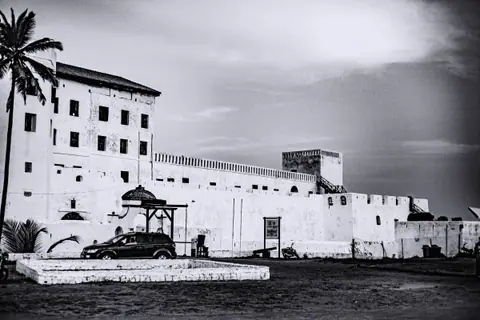
Head 35 km north up the cool Akuapem Ridge to Aburi Botanical Gardens, or drive three hours west along the Gold Coast to UNESCO-listed Cape Coast Castle, Elmina Castle and the rainforest canopy walkway of Kakum National Park.
Overview
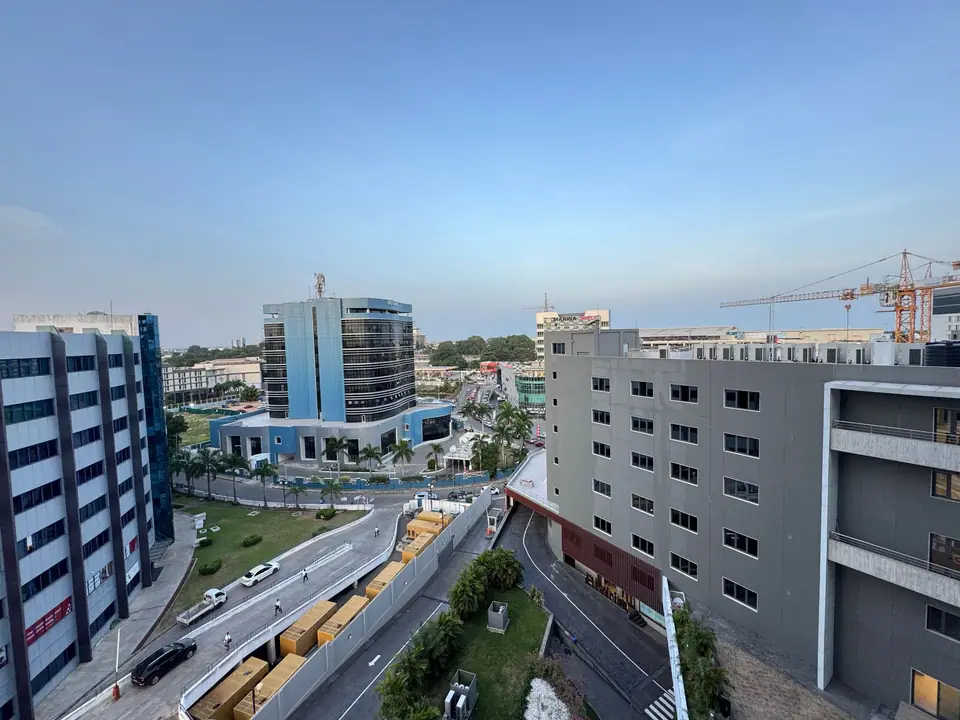
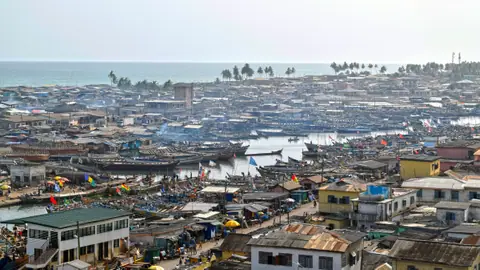
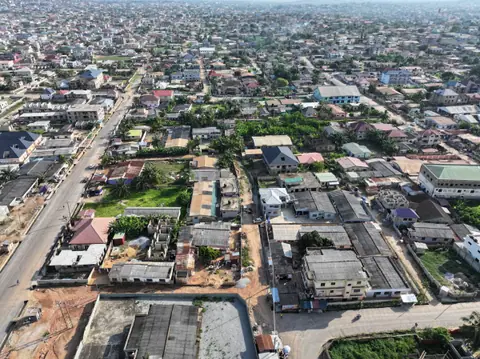
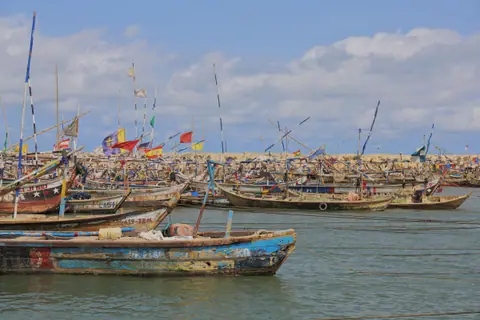
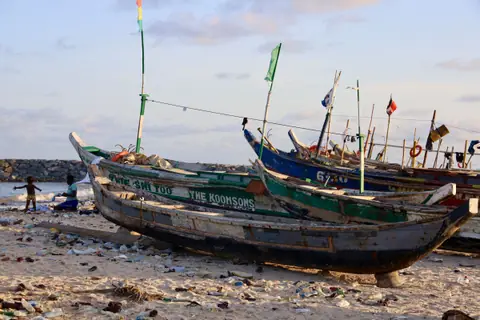
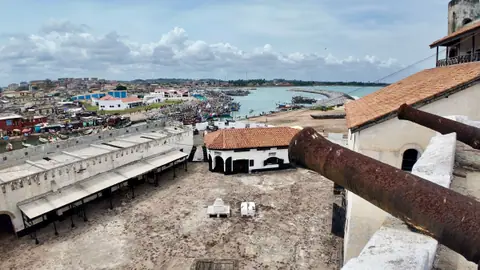
Spreading along the Gulf of Guinea coast, Accra blends the deep Ga coastal traditions of historic fishing quarters with the confident pan-African spirit of the first sub-Saharan nation to win independence in 1957. Along the monumental seafront of High Street stand the marble fountains of Kwame Nkrumah Memorial Park, the ceremonial arch of Black Star Square and the red-and-white lighthouse overlooking Jamestown and Ussher Fort.
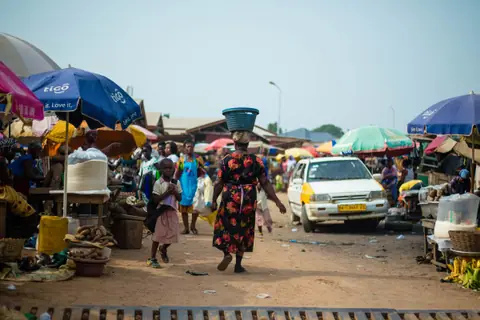
Inland from the coast, shoppers weave through the colorful textile lanes of Makola Market and the Centre for National Culture, before spending evenings in Osu, Labone and along the palms of Labadi Beach. Pair city days with Ghanaian jollof rice, morning waakye and a cool hillside escape to Aburi Botanical Gardens or Cape Coast, starting with our first-timer briefing.
Getting there
Unlike airports built far outside the capital, Kotoka International Airport (ACC) sits directly inside central Accra's northern residential belt. Its modern Terminal 3 is a 15- to 25-minute ride from Airport Residential, Cantonments, Osu and Labone. Within the city, ride-hailing apps (Bolt, Uber and Yango) are the standard way to move between monuments and beaches, while shared minibuses (trotros) run along every major arterial road. See how to get to Accra.
Where to stay
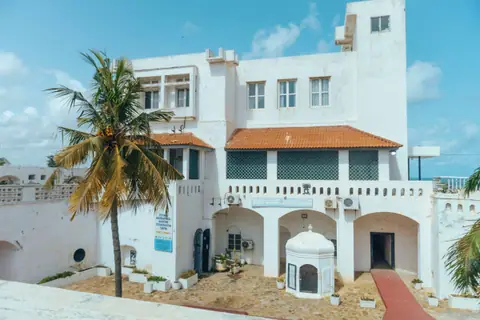
Most visitors base themselves in the central-eastern belt between Osu, Labone and Cantonments, where tree-lined streets hold Accra's best independent bistros, contemporary galleries and boutique hotels, or directly on the sand at Labadi (La) Beach for ocean breezes and resort pools. We compare five neighbourhoods in where to stay in Accra.
Things to do
Walk the reflecting pools of the renovated Kwame Nkrumah Memorial Park, climb Black Star Gate and explore historic Jamestown, shop for woven Ashanti and Ewe kente strips at the Arts Centre and Makola Market, visit the W.E.B. Du Bois Centre in Cantonments, and take a day trip to Aburi Botanical Gardens or Cape Coast Castle. See the full list in things to do in Accra.
Food and drink
Accra takes its food seriously: smoky party-style Ghanaian jollof rice cooked with basmati or local perfumed rice and spiced tomato stew, morning parcels of waakye (rice and black-eyed peas steamed in red sorghum leaves with shito black pepper sauce), sweet fried plantains with cowpea bean stew (red-red), and grilled tilapia with fermented maize banku. Read what to eat in our Accra food and day-trip overview.
Culture
A warme Akwaaba ("welcome" in Twi) greets visitors everywhere in Accra. Home to the Ga people (who celebrate the harvest festival of Homowo each August in Jamestown and Osu), the capital is also a global crossroads for African diaspora heritage, highlife and hiplife music, and the famous fantasy coffin workshops (abebuu adekai) of Teshie and Prampram.
Weather by month
Accra is warmest in February, with average highs around 33°C, and coldest in August, when nights drop to about 23°C. June is the wettest month, with rain on about 12 days.
| Month | Low | Range | High | Rain | Rainy days |
|---|---|---|---|---|---|
| Jan | 24°C | 32°C | 12 mm | 1 d | |
| Feb | 25°C | 33°C | 22 mm | 2 d | |
| Mar | 25°C | 33°C | 55 mm | 4 d | |
| Apr | 25°C | 32°C | 85 mm | 6 d | |
| May | 25°C | 31°C | 145 mm | 10 d | |
| Jun | 24°C | 29°C | 190 mm | 12 d | |
| Jul | 23°C | 28°C | 50 mm | 5 d | |
| Aug | 23°C | 28°C | 22 mm | 3 d | |
| Sep | 23°C | 29°C | 45 mm | 5 d | |
| Oct | 24°C | 30°C | 75 mm | 7 d | |
| Nov | 24°C | 32°C | 32 mm | 3 d | |
| Dec | 24°C | 32°C | 18 mm | 2 d |
Averages of daily values from 2015 to 2024. Rainy days are days with at least 1 mm of rain. Source: Open-Meteo · Compare destinations by month.
Accra on the map
Every place we cover in Accra. Tap a category or pin to explore.
In-depth Accra guides
Browse the guides grouped by topic: sights, neighbourhoods, food, transport, day trips and trip planning.
Sights, Landmarks & Parks
Key monuments, viewpoints, museums and nature trails.
Neighbourhoods & Where to Stay
Districts, historic quarters and the best bases for your stay.
- Makola Market, Kente at the Arts Centre, Osu and Labadi BeachHand-loomed kente strips, open-air markets, Cantonments heritage, Osu dining and Atlantic palms.
- Where to Stay in Accra: Osu, Labone, Cantonments and Labadi BeachComparing Accra's best neighbourhoods for dining, leafy quiet, airport proximity and beach pools.
Getting Around & Arrival
Airport transfers, public transit, passes and driving rules.

Day Trips & Excursions
Easy half-day and full-day trips from the city.

Trip Planning & Itineraries
When to visit, what to pack and day-by-day routes.
- Accra: What to Know Before You GoVisas, yellow fever checks, right-hand etiquette, ride apps and everyday life in Ghana's capital.
- Best Time to Visit AccraTiming your trip for dry Atlantic sunshine, August's Homowo harvest or December's cultural energy.
- What to Wear in AccraStaying cool in coastal humidity and joining Ghana's colourful Friday Wear textile tradition.
- 3 Days in Accra: Nkrumah Park, Jamestown, Kente Markets and Aburi or LabadiThree days combining Old Accra's independence landmarks with markets, Osu and Aburi Gardens.
Need your embassy or consulate in Ghana? See embassies and consulates in Ghana.
Reviews
Log in to write a review.
No reviews yet.