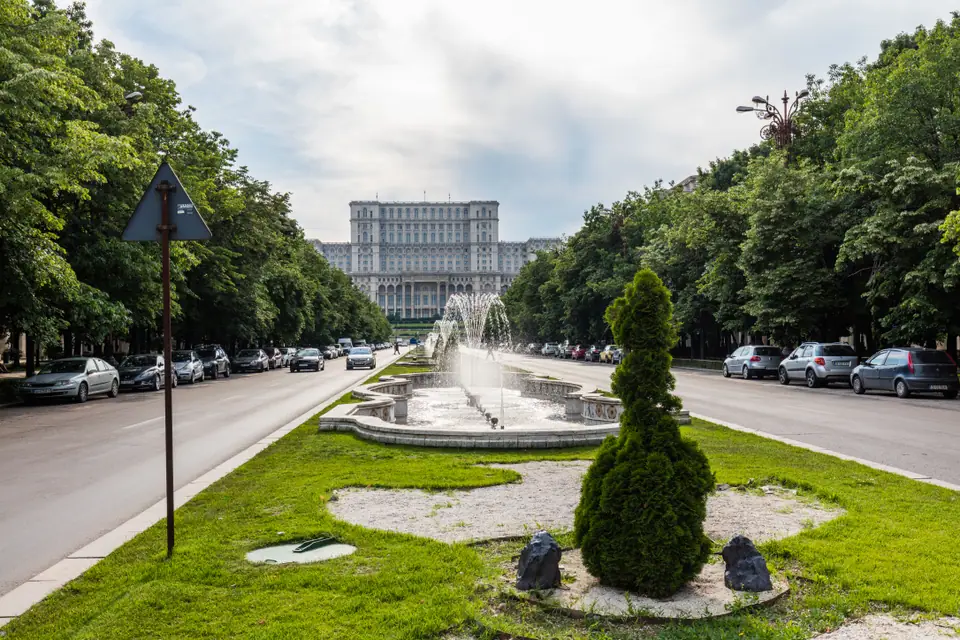
Photo: Diego Delso · CC BY-SA 4.0
Palace of the Parliament: History, Scale and Booking Rules
How Uranus Hill vanished under 365,000 square metres of Romanian marble, and every rule needed to pass security smoothly.
No monument in Eastern Europe divides skyline opinion or dominates central street sightlines quite like Palatul Parlamentului. Originally raised as Casa Republicii and nicknamed Casa Poporului ("House of the People"), this white limestone colossus now seats Romania's Chamber of Deputies, Senate, Legislative Council, and Constitutional Court. Before walking across its vast granite esplanade, every independent visitor needs exact entrance directions and original identity documents.
Why was an entire hillside demolished to build it?
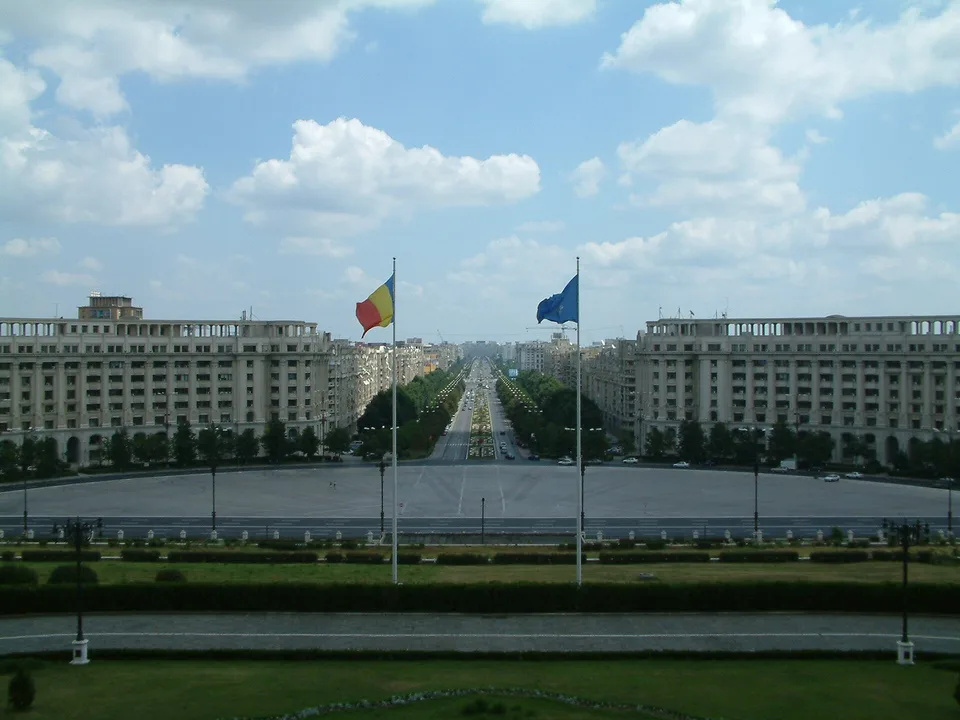
Using urban destruction from the 4 March 1977 earthquake as regime pretext, planners launched Centrul Civic. Chief architect Anca Petrescu (then aged 28) led roughly 700 designers, breaking ground on 25 June 1984 atop Uranus Hill. Clearing the palace platform and cutting 3.5-kilometre Bulevardul Victoria Socialismului (today Bulevardul Unirii) straight east toward Piata Unirii levelled roughly seven square kilometres of southern Bucharest. That monumental axis sliced cleanly through quiet gardens and hillside neighbourhoods while leaving adjacent Cotroceni in Sector 5 standing across Izvor Park. Demolition crews wiped out the leafy Uranus-Izvor slopes and Piata Arsenalului plateau entirely. Teams knocked down more than twenty churches plus the old Republic Stadium while forcibly relocating roughly 40,000 residents.
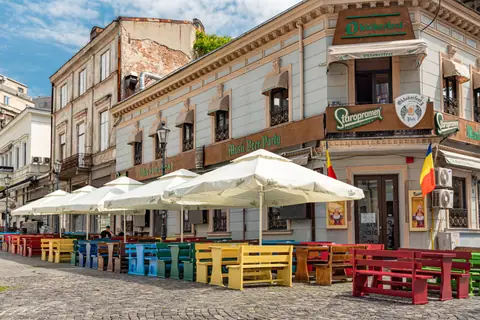
Not every historic parish vanished completely beneath bulldozers along that central urban scar. Civil engineers saved Mihai Voda Church and Schitul Maicilor by jacking stone masonry onto steel rails and rolling them carefully behind concrete apartment blocks. Neighbouring Alba-Postavari and outlying Vacaresti Monastery could not escape destruction, erasing centuries of parish landmarks. Walk around Stavropoleos Monastery ahead of your tour to sense the calm intimate alleys erased before December 1989. Regime occupation never came to pass when revolution overturned power in 1989. Finishing teams wrapped major ceremonial rooms and exterior stonework near 1997, yet large sections remain sparsely used behind Parliament offices today.
How big are the halls and materials inside?
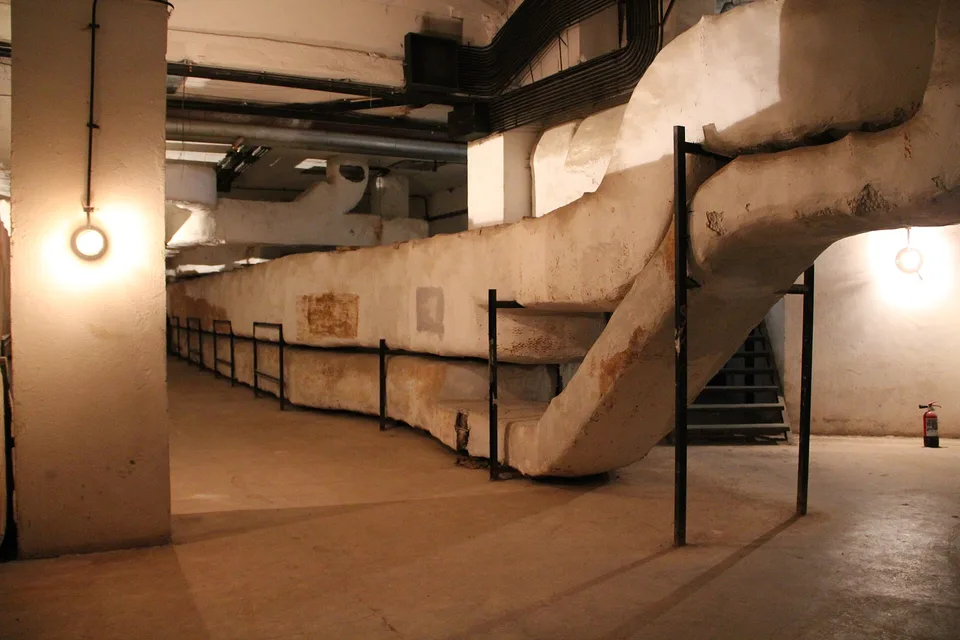
Built floor space totals 365,000 square metres stacked across 12 above-ground storeys. Heavy limestone facades soar 84 metres into the skyline, resting above deep subterranean bunker tunnels and multi-tier car vaults. Guided visitor routes walk through small fractions of its 1,100 rooms, 40 diplomatic conference halls, and 150-metre polished marble galleries. Almost every structural element and furnishing came from domestic quarries, forest workshops, and textile looms across Romania. Inspect blush-veined Ruschita marble hauled from Caras-Severin quarries, heavy hand-carved Carpathian oak doors, vast hand-woven carpets, and multi-tonne crystal chandeliers. Grand public rooms along standard tours include ceremonial reception staircases, Sala Unirii, Nicolae Balcescu Hall, and the I. C. Bratianu chamber. Standing inside sunlit upper galleries beneath coffered ceilings captures late-regime monumental vanity far sharper than quick exterior pavement photos ever manage.
Which entrance and documents pass security in 2025 and 2026?
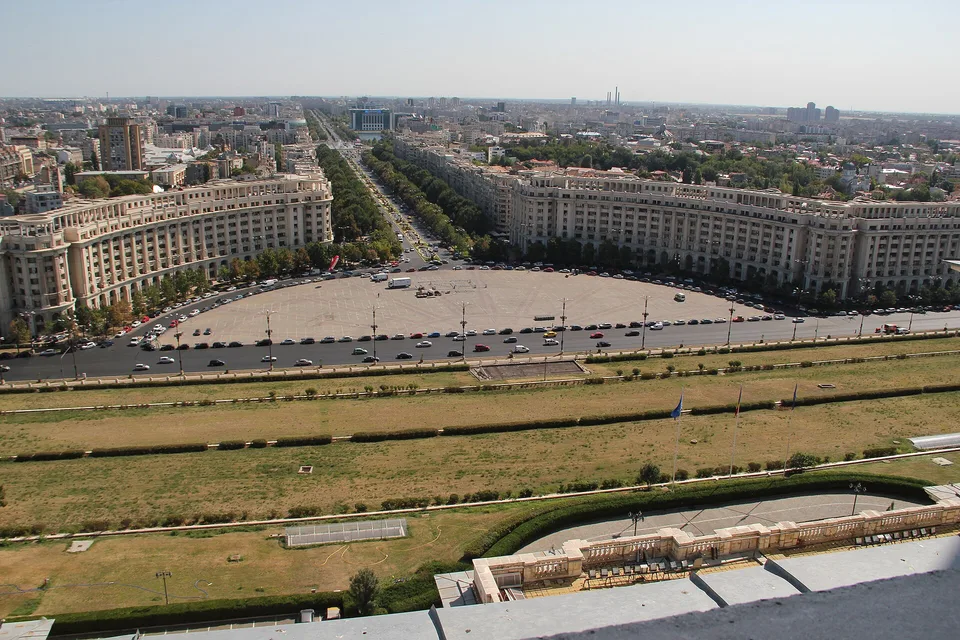
Unprepared visitors routinely lose twenty-five minutes trekking across the sunlit granite esplanade at Piata Constitutiei. Monumental front staircases face that square yet remain closed to daily tourist groups. Meanwhile, the C1 perimeter gate handles official conferences, diplomatic delegations, and formal public events. Standard tours enter strictly through Strada Izvor 2-4 at the Constantin Brancusi Exhibition Hall facing Izvor Park near Izvor Metro station (M1 and M3).
- Reserve timed tour slots in advance: independent parties of one to nine guests book by telephone one working day ahead through the official Chamber of Deputies visitor desk numbers (Monday through Friday). Groups of ten or more email [email protected] well ahead, since same-day walk-up spaces regularly sell out during spring and autumn weekends.
- Present a physical passport or EU national ID: SPP (Protection and Guard Service) officers screen every bag through airport-style X-ray scanners and check original identity papers for every adult. Photocopies, smartphone photographs, and foreign driving licences cause immediate refusal at registration counters.
- Arrive 25 minutes before departure: allow unhurried clearance through metal detectors, security desks, and ticket windows before guides lock groups for 60-to-75-minute tours.
- Request terrace routes when available: classic itineraries move smoothly through marble reception staircases, long carpeted galleries, and parliamentary salons. Extended balcony runs step onto upper terraces overlooking synchronized fountains lining Bulevardul Unirii along its twentieth-century east-west axis.
Can you enter the building without booking a parliamentary tour?
Yes, by circling around the palace perimeter to the rear western wing in Sector 5 facing Izvor Park. The National Museum of Contemporary Art (MNAC) operates completely independently via Strada Izvor 2-4 (Entrance E4) on the park side. Visitors step straight inside exterior glass park lifts without booking parliamentary tours, ringing reservation lines, or waiting behind diplomatic tour groups. Gliding upward opens rotating Romanian and international visual art installations spread comfortably across bright whitewashed upper museum floors. A fourth-floor glass café terrace looks directly west across tiled neighbourhood rooftops toward leafy Cotroceni villas and the distant Botanical Garden slopes. Remember that MNAC follows standard weekly museum closure days listed on its official site rather than parliamentary conference calendars, so check opening schedules ahead of crossing Izvor Park. Once back down at street level, stroll north along shaded green park lawns toward willow paths and wooden rowboats in Cismigiu Gardens instead of hiking unshaded granite plazas around Piata Constitutiei under harsh afternoon sun.
Where it is
- 1Palace of the Parliament
- Bucharest Henri Coandă International Airport (OTP) · about 16 km from here in a straight line
- Directions in Google Maps
Stations and taxi ranks: OpenStreetMap. Airports: OurAirports. Distances are in a straight line.
Traveller tips
Real advice from people who have been to Bucharest. Every tip is read by our team before it goes live.
No tips yet. Been here? Yours could be the first.
Thank you! Your tip will appear here after a quick review.
More in Bucharest
Continue exploring Bucharest with related neighbourhood, food, and planning guides