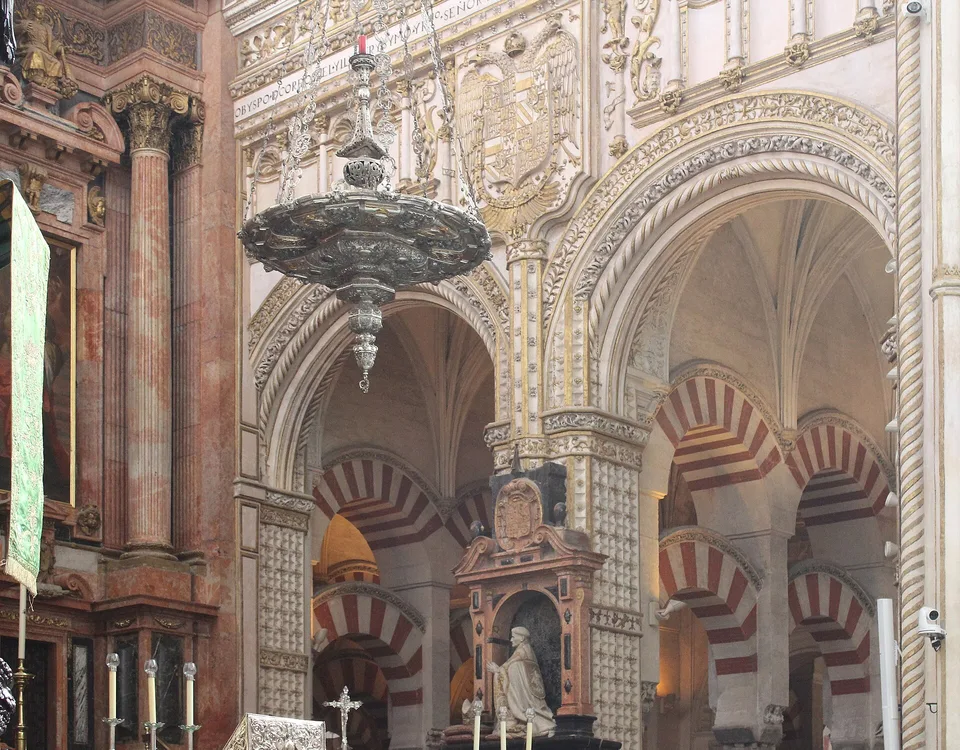
Photo: Martinvl · CC BY-SA 4.0
Inside the Mosque-Cathedral of Córdoba: Arches, Mihrab and Entry Rules
Step inside Córdoba's vast monument spanning roughly 23,000 square metres, where red-and-white double arches shelter centuries of layered caliphal and Christian architecture.
The Hypostyle Forest and Caliphal Expansions
Stepping off the sunlit streets of historic Córdoba into the dim prayer hall reveals an immense interior space in southern Spain. Inscribed by UNESCO in 1984, the complex spans roughly 23,000 square metres and measures 179 metres long by 134 metres wide. Umayyad emir Abd al-Rahman I began the Great Mosque in 785 over the older Visigothic basilica of Saint Vincent. Builders salvaged antique jasper, marble, onyx, and granite shafts from Roman and Visigothic ruins across the region.
Because these gathered shafts stood at varied, modest heights, master builders devised an ingenious structural system to elevate the timber ceiling. They stacked two distinct tiers of arches across a forest of around 856 columns. Lower horseshoe arches act as rigid braces between shafts, while upper semicircular stone-and-brick arches carry the overhead roof structure. This structural arrangement lent stability while keeping the vast interior open across every direction.
As the regional population expanded, rulers enlarged the hypostyle hall south toward the riverbank. Caliph Al-Hakam II extended the hall southward by twelve bays between 962 and 966. His stonemasons constructed polylobed arches and ribbed domes, creating an extraordinary ceremonial setting for the caliphal court.
By the late tenth century, vizier Almanzor faced a barrier because the Guadalquivir river blocked further southern expansion. Almanzor added 8 eastern aisles between 991 and 994, which doubled the footprint of the prayer hall. This lateral addition shifted the main prayer niche off the central axis of the entire monument.
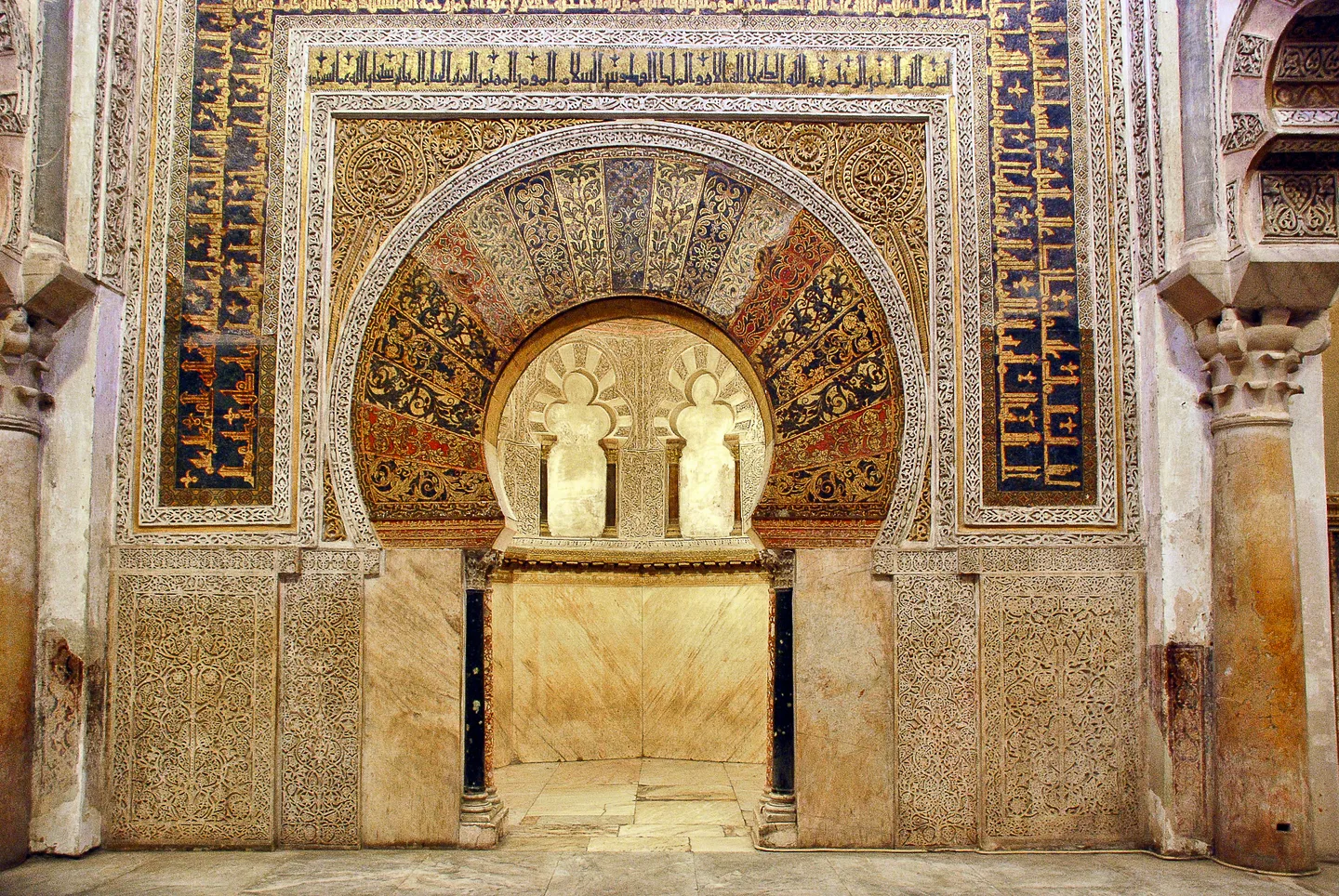
The Caliphal Mihrab and Renaissance Nave
The southern extension built by Al-Hakam II contains the Maqsurah and the octagonal Mihrab prayer niche. Caliph Al-Hakam II incorporated gilded Byzantine glass mosaics across the arch framing the prayer niche. Intersecting polylobed arches and ribbed domes complete this refined caliphal sanctuary.
Nearby spaces, including the Villaviciosa Chapel, retain ribbed domes and 10th-century caliphal stonework. These intricate caliphal stone screens stand directly alongside Catholic side chapels that line the outer stone perimeter walls. The monument gained recognition as one of Andalusia's premier inscribed heritage landmarks for this sustained architectural layering.
Following the Christian reconquest, construction of a Renaissance cathedral nave and transept began inside the hypostyle hall in 1523. Craftsmen inserted high Gothic vaults and a Renaissance transept right through the core of the early arcades. This confrontation of caliphal arcades and Christian choir vaulting forms a layered interior structure.
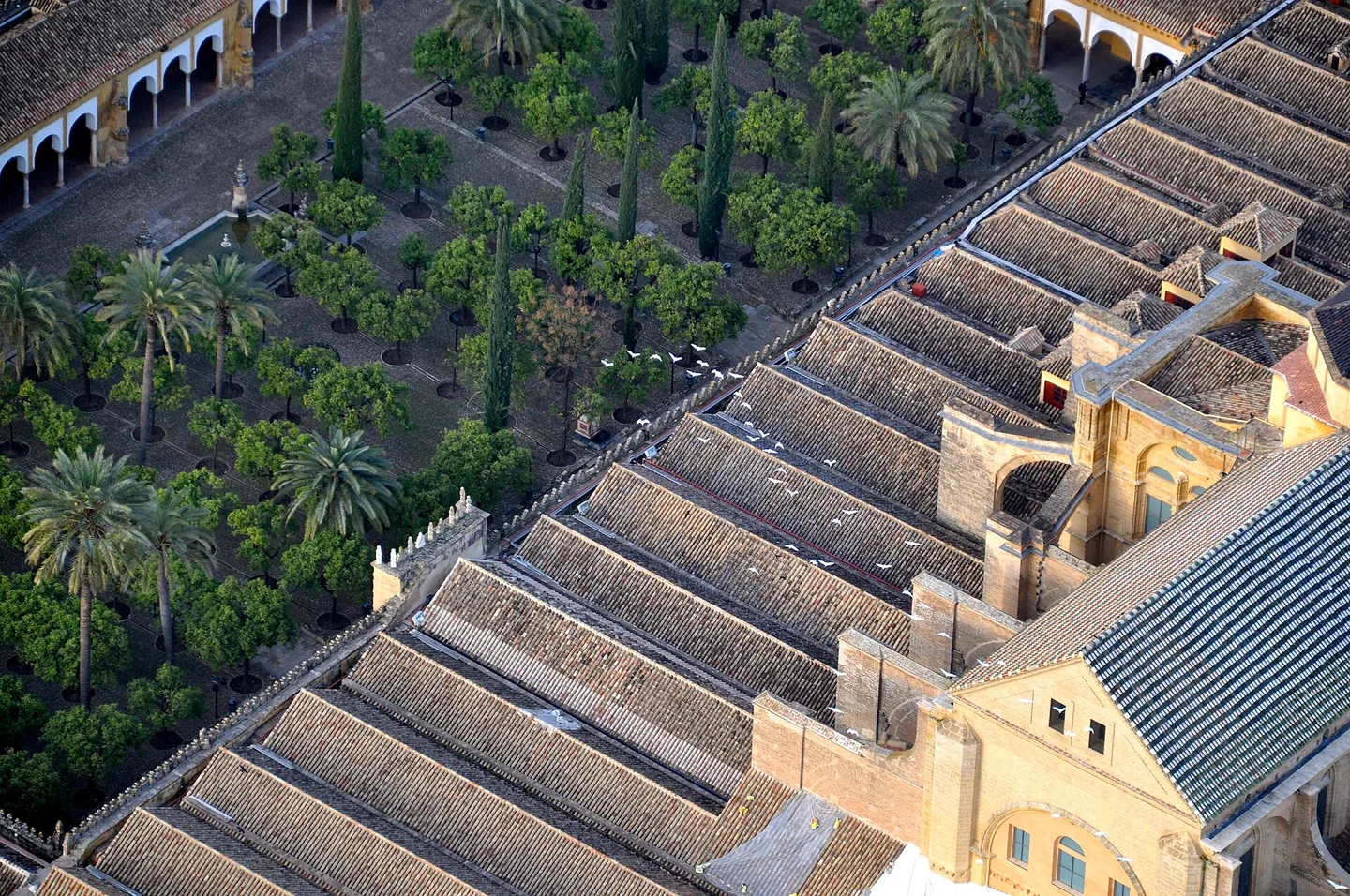
Patio de los Naranjos and the Bell Tower
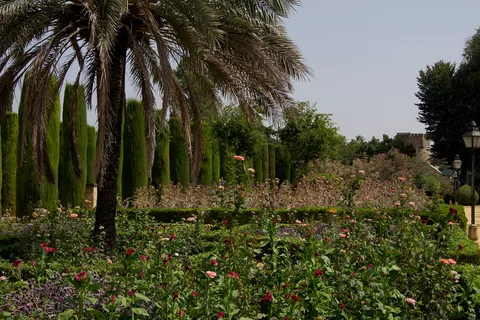
Visits begin in the open Patio de los Naranjos, an expansive enclosure planted with bitter citrus where ablution fountains once stood. Caliphal worshippers gathered in this shaded precinct before passing through outer doorways into the hypostyle hall. The orchard sits beside the historic Puerta del Perdón under the cool shadow of the northern perimeter wall.
Rising above the trees stands the 54-metre Bell Tower, known locally as the Torre Campanario. The tower encases the original caliphal minaret, though masons reshaped the exterior after a 1589 earthquake. Climbing the Bell Tower requires steady mobility, and children under 7 are not permitted on the staircase.
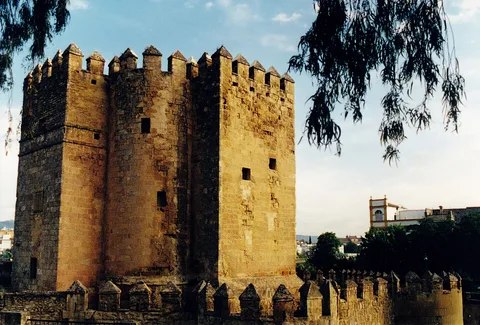
Arriving visitors find the monument beside the Guadalquivir riverbank, easily accessible via the monumental Puerta del Puente gateway along the southern perimeter. Pedestrians cross into the orange grove through historic portals that puncture the fortress-like caliphal ramparts.
Etiquette, Silent Prayer Entry and Evening Tours
Because the building serves as an active Catholic cathedral, visitors must respect strict decorum guidelines. Shoulders and knees must remain covered, and all guests must remove hats and caps indoors. Security staff bar large backpacks and tripods at the entrance. Visitors must keep voices low without eating, drinking, or smoking inside the sanctuary.
Budget-conscious visitors can take advantage of the dedicated early-morning silent contemplation window for individual travellers. Entry gates shut 10 minutes before this initial period finishes, and security staff clear the hypostyle hall before regular daytime tourist admission begins. Guided tour groups are strictly barred during this quiet period, and extraordinary religious celebrations can adjust or cancel entry.
General visits take place during daytime hours with a paid entry ticket, while public entry on holy days splits around liturgical services. Please refer to the VisitorFactsBox below for exact opening schedules, closed days, and session lengths. Travellers should reserve daytime tickets online to avoid sold-out entry windows on busy spring weekends. In the evening, the special El Alma de Córdoba tour provides a guided route through the darkened arcades.
Summary of Monument Zones and Access
- Patio de los Naranjos: Open precinct planted with orange trees, historic fountains, and the imposing Puerta del Perdón entrance.
- Torre Campanario: The 54-metre bell tower encasing the caliphal minaret, requiring a dedicated ticket and barring children under 7.
- Hypostyle Prayer Hall: Main arcade forest of 856 columns supporting stacked two-tier horseshoe and semicircular arches.
- Caliphal Mihrab and Villaviciosa Chapel: 10th-century sanctuary section adorned with Byzantine glass mosaics and ribbed domes.
- Renaissance Cathedral Nave: The 1523 cruciform choir and transept inserted directly into the centre of the early arcades.
- Puerta del Puente Approach: Southern riverbank arrival point leading directly towards the fortified exterior walls.
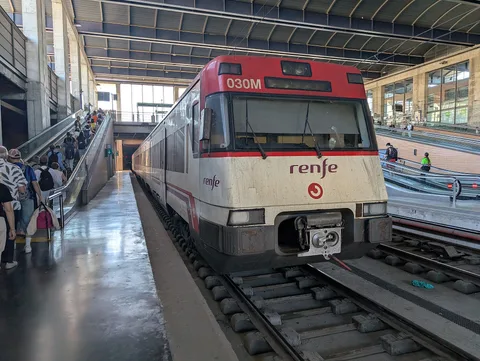
- Transit Connection: Reached via a gentle 20 to 26 minutes walk from Córdoba railway station or AUCORSA Line 3 bus.
Official prices and opening hours
- Mezquita-Catedral de Córdoba (General Visit)Official site ↗
- Mezquita-Catedral Free Morning Prayer EntryOfficial site ↗
- Mezquita-Catedral Bell Tower (Torre Campanario)Official site ↗
- El Alma de Córdoba (Night Tour)Official site ↗
Where it is
- 1Inside the Mosque-Cathedral of Córdoba
- Seville Airport (SVQ) · about 111 km from here in a straight line
- Directions in Google Maps
Stations and taxi ranks: OpenStreetMap. Airports: OurAirports. Distances are in a straight line.
Traveller tips
Real advice from people who have been to Córdoba. Every tip is read by our team before it goes live.
No tips yet. Been here? Yours could be the first.
Thank you! Your tip will appear here after a quick review.
More in Córdoba
Continue exploring Córdoba with related neighbourhood, food, and planning guides