Photo: Rafesmar · CC BY-SA 4.0
Córdoba
Córdoba curves along Andalusia's Guadalquivir River, uniting Roman arches, Moorish architecture, and flower-filled stone courtyards across an expansive UNESCO-listed centre.
Quick decisions
How many days?
Plan one or two nights. This allows enough time for the Mezquita, historic courtyards, and an excursion to Medina Azahara before catching a high-speed train.
Where should I stay?
Choose Córdoba neighbourhoods such as La Judería or San Basilio for quiet pedestrian lanes near the river, or Las Tendillas for lively dining squares.
Do I need a car?
No. Automatic cameras and rising bollards enforce strict ACIRE traffic zones, so private vehicles face fines unless left in outer garages.
Best for
Travellers seeking architectural history, quiet evening strolls across the Roman Bridge, and traditional Andalusian dining.
Before you go
Check opening days carefully. Several key monuments close on Mondays, while daytime Mezquita entry requires modest clothing covering shoulders and knees.
Getting around
Walk across the pedestrianised centre, or take AUCORSA bus Line 3 from the railway station straight to Puerta del Puente.
Overview
Córdoba sits along a wide bend of the Guadalquivir River in southern Spain, where Roman foundations support centuries of Islamic and Christian heritage. UNESCO inscribed the historic centre in 1984 and later expanded the protected boundary to 80.28 hectares in 1994. The streets unfold as a maze of whitewashed facades, shaded interior patios, and quiet stone plazas that feel remarkably intimate on foot.
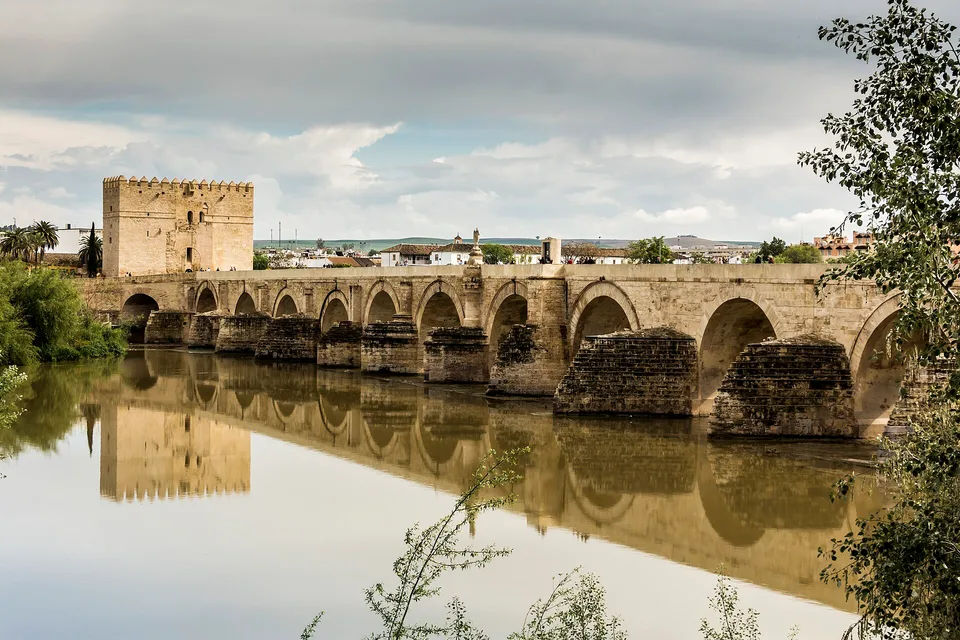
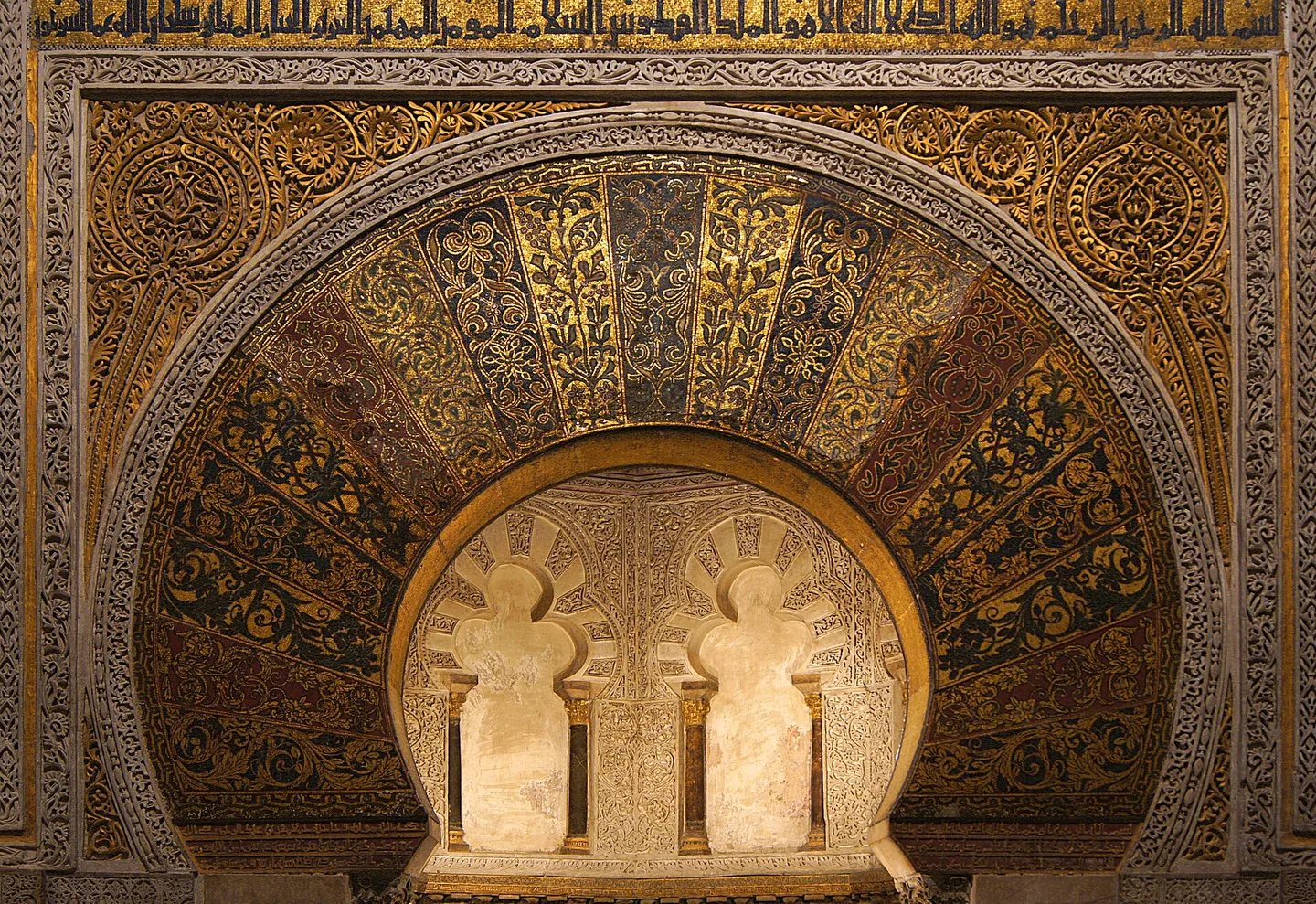
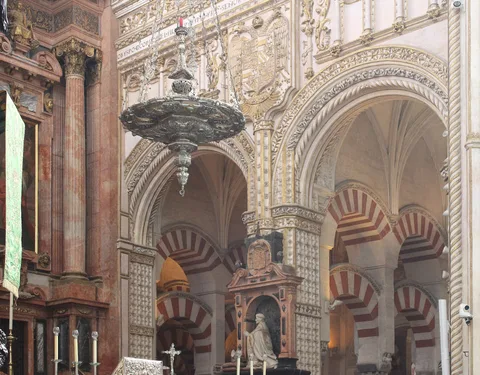
At the core stands the Great Mosque, begun under Abd al-Rahman I in 785 on the site of the Visigothic basilica of Saint Vincent. Successive rulers enlarged the prayer hall until a soaring Renaissance cathedral nave rose within the forest of arches starting in 1523. Beyond these stone walls, the 1st-century BC Roman Bridge stretches over the river, anchoring a city shaped by deep architectural layers.
Getting there
High-speed rail offers the smoothest route into town. Estación de Córdoba receives regular AVE, Avlo, and Avant services. These trains reach Seville in 45 to 55 minutes, Málaga in under 85, and Madrid within 1 hour 45. Most international arrivals land at Seville Airport or Madrid-Barajas and transfer directly onto the train network. From the railway terminal at Vial Norte, the pedestrian walk through the Jardines de la Victoria to the river takes a quarter of an hour.
AUCORSA urban buses link the rails to the riverbank. Line 3 runs from the station to Puerta del Puente, while Line 5 stops at Las Tendillas. Avoid bringing private cars into the historic centre. Automated ACIRE cameras fine unauthorised vehicles instantly. Drivers should choose underground garages along Paseo de la Victoria or near the railway terminal. Check the essential traffic cameras and entry rules before setting off.
Where to stay
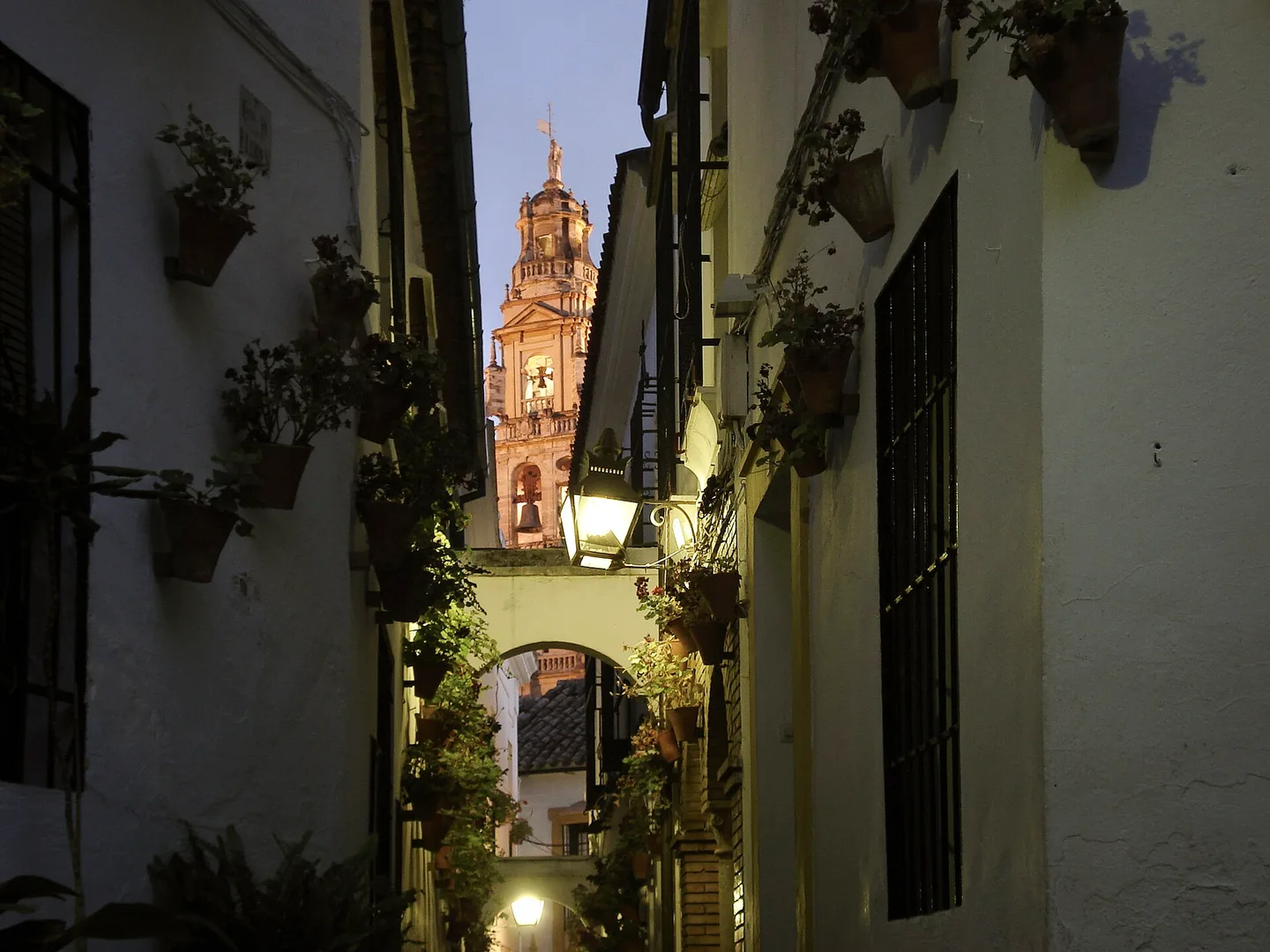
Where you stay shapes your experience of the city. La Judería and adjacent San Basilio place you beside the main monuments and the Guadalquivir River. These atmospheric pedestrian quarters feature cobblestone lanes and quiet family-run hotels, though luggage must be carried across stone pavements. Staying here lets you step outside early in the morning before daytime visitors arrive.
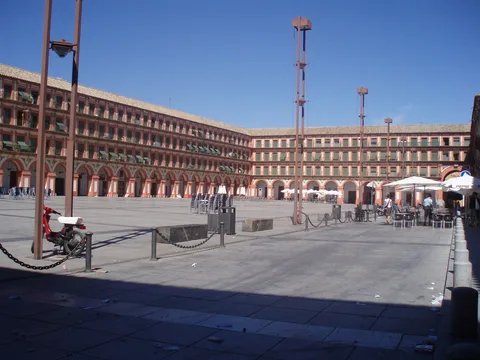
North of the old quarter, Las Tendillas and Plaza de la Corredera provide lively modern squares ringed by tapas bars and local shops. For a quieter residential rhythm, Santa Marina surrounds historic noble estates with leafy plazas. Travellers with early departures often favour Ciudad Jardín, positioned right beside the railway terminal. Compare districts, walking times, and late-night noise levels across historic Judería lanes and station hotels.
Things to do
The Mosque-Cathedral commands central attention, covering around 23,000 square metres. Inside, around 856 columns of jasper, onyx, marble, and granite support striking two-tier red-and-white arches. Individual travellers can enter without charge Monday through Saturday for quiet morning prayer. Daytime visits require pre-booked timed tickets. Visitor dress rules, prayer entry doors, and modesty guidelines are set out in the Mosque-Cathedral overview.
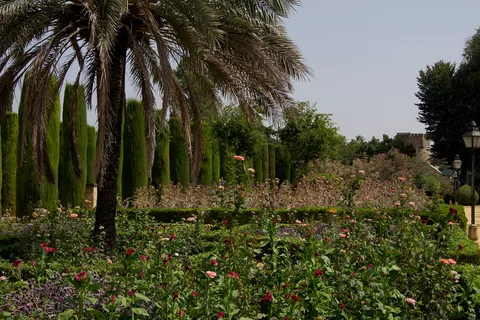
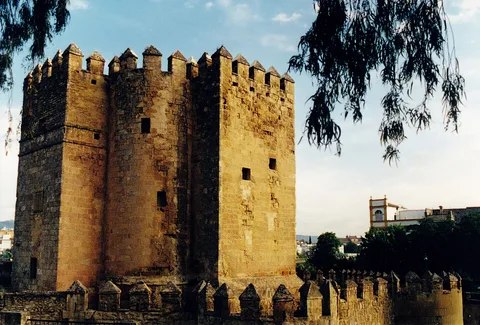
Nearby, the Alcázar de los Reyes Cristianos opens 55,000 square metres of terraced water gardens. Interior halls remain closed for conservation works in late 2026. Cross the 16-arch Roman Bridge to Torre de la Calahorra, then explore the 1315 Mudéjar Synagogue in La Judería. About 8 km west, the ruined caliphate city of Medina Azahara spreads across 112 hectares, accessible via dedicated shuttle buses. Plan your route with this curated list of historic patios and city walking loops.
Food and drink
Dining in Córdoba celebrates rich southern agricultural traditions and slow-cooked tavern staples. Every menu features salmorejo cordobés, a thick chilled puree of tomatoes, olive oil, and bread, finished with cured serrano ham and chopped hard-boiled egg. Crispy flamenquín rolls tender pork loin around serrano ham before frying, while oxtail simmers in red wine until meltingly soft.
Tapas bars cluster around Plaza de la Corredera and along the alleys of San Basilio. Try thinly sliced aubergine fried in olive oil and drizzled with dark cane honey, an enduring Moorish culinary legacy. For casual variety under one roof, head to Mercado Victoria, a 19th-century wrought-iron market hall serving cured cheeses, seafood, and local Andalusian wines.
Culture
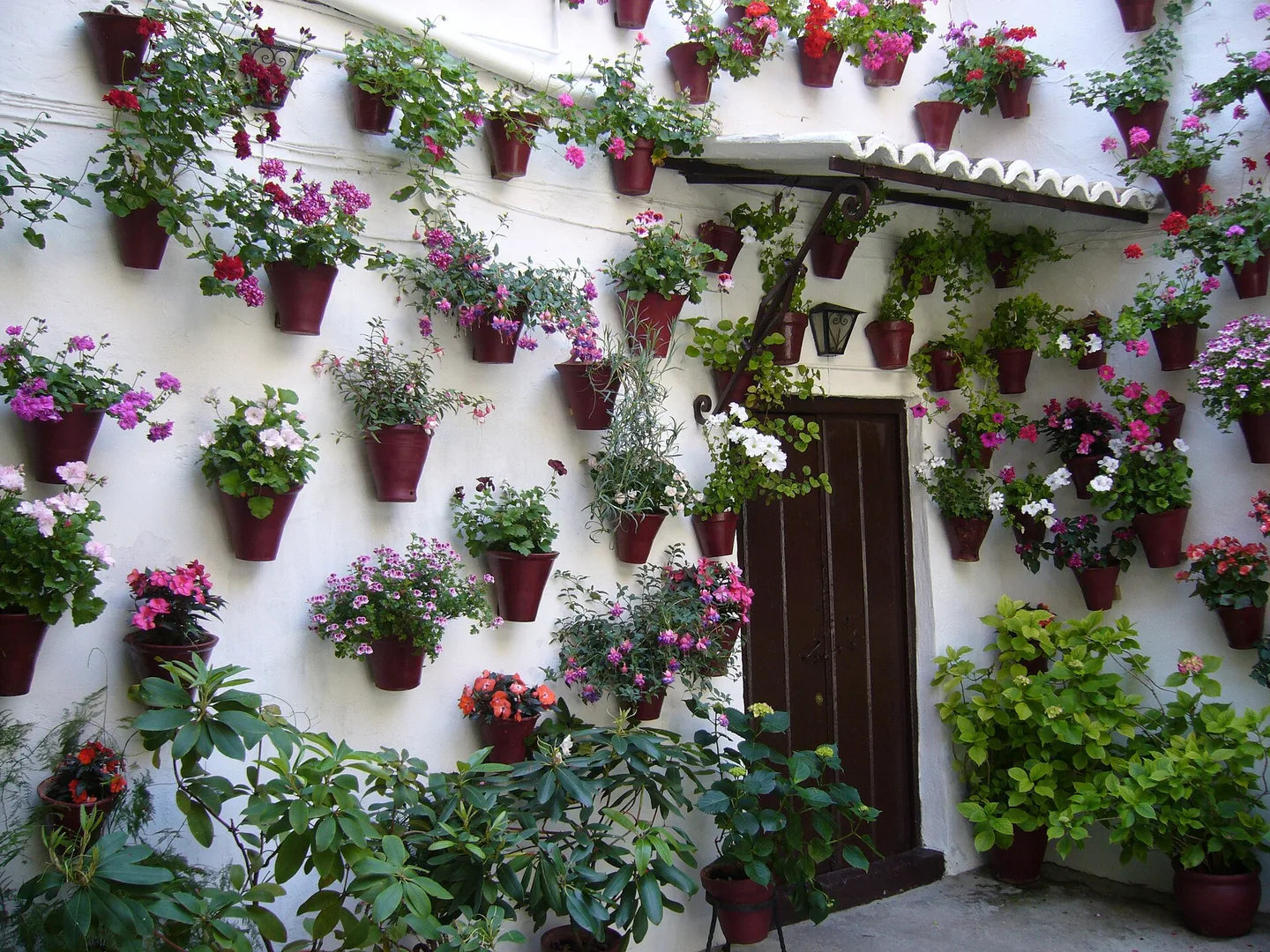
Courtyard culture defines local identity. The UNESCO-recognised Festival de los Patios runs during the first two weeks of May. This celebration opens private courtyards across San Basilio and Santa Marina free of charge without booking. Outside the festival, Palacio de Viana welcomes visitors year-round to admire its 12 historic patios and manicured gardens. Note that Palacio de Viana, the Synagogue, and municipal sites close on Mondays.
Summers demand adjusted daily rhythms. Open-Meteo records show July and August temperatures peaking at 37.7°C and 37.1°C with minimal rain. In contrast, temperatures cool to 22.4°C in April and 26.1°C in October, while March brings 94 mm of rain. Plan monument visits for early morning, resting during peak heat before returning outside after sunset. Follow our tested weekend walking route and monument plan to balance sightseeing comfortably.
Official prices and opening hours
- Mezquita-Catedral de Córdoba (General Visit)Official site ↗
- Alcázar de los Reyes Cristianos (Gardens)Official site ↗
- Conjunto Arqueológico Madinat al-ZahraOfficial site ↗
- Palacio de Viana (12 Patios)Official site ↗
- AUCORSA Urban BusesOfficial site ↗
Weather by month
Córdoba is warmest in July, with average highs around 38°C, and coldest in January, when nights drop to about 5°C. March is the wettest month by rainfall (94 mm), with rain on about 10 days. For mild weather with fewer rainy days, aim for February.
| Month | Low | Range | High | Rain | Rainy days |
|---|---|---|---|---|---|
| Jan | 5°C | 15°C | 42 mm | 7 d | |
| Feb | 6°C | 17°C | 40 mm | 5 d | |
| Mar | 8°C | 20°C | 94 mm | 10 d | |
| Apr | 11°C | 22°C | 57 mm | 8 d | |
| May | 15°C | 28°C | 32 mm | 5 d | |
| Jun | 19°C | 33°C | 13 mm | 2 d | |
| Jul | 22°C | 38°C | 1 mm | 0 d | |
| Aug | 22°C | 37°C | 4 mm | 1 d | |
| Sep | 18°C | 31°C | 24 mm | 3 d | |
| Oct | 15°C | 26°C | 69 mm | 7 d | |
| Nov | 9°C | 19°C | 64 mm | 7 d | |
| Dec | 6°C | 16°C | 58 mm | 6 d |
Averages of daily values from 2015 to 2024. Rainy days are days with at least 1 mm of rain. Source: Open-Meteo · Compare destinations by month.
Córdoba on the map
Every place we cover in Córdoba. Tap a category or pin to explore.
In-depth Córdoba guides
Browse the guides grouped by topic: sights, neighbourhoods, food, transport, day trips and trip planning.
Sights, Landmarks & Parks
Key monuments, viewpoints, museums and nature trails.
- Sights and Courtyard Heritage Across CórdobaCórdoba packs celebrated Roman, Islamic, Jewish and Christian monuments into a flat riverside strip beside the Guadalquivir River.
- Inside the Mosque-Cathedral of Córdoba: Arches, Mihrab and Entry RulesStep inside Córdoba's vast monument spanning roughly 23,000 square metres, where red-and-white double arches shelter centuries of layered caliphal and Christian architecture.
Neighbourhoods & Where to Stay
Districts, historic quarters and the best bases for your stay.
Trip Planning & Itineraries
When to visit, what to pack and day-by-day routes.
- Two Days in Córdoba from Roman Bridge to Medina AzaharaWe organise two days in Córdoba by grouping riverside landmarks first and caliphal ruins second to avoid backtracking across the flat old quarters.
- Córdoba Rail Links, Driving Restrictions and Weather TimingHigh-speed rail links connect modern Córdoba directly to regional hubs while perimeter buses protect the quiet, historic old town.

Need your embassy or consulate in Spain? See embassies and consulates in Spain.
Reviews
Log in to write a review.
No reviews yet.