The Oltrarno, Ponte Vecchio and What to Eat in Florence
Across the Arno to artisan workshops, hillside gardens, wine windows and classic Florentine dishes.
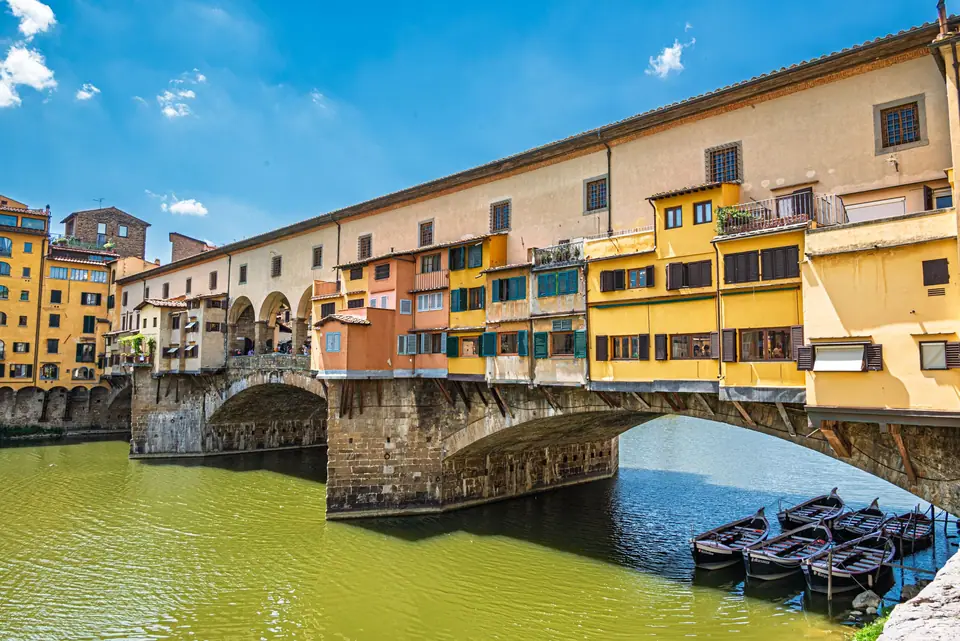
Cross the Ponte Vecchio, the only Florentine bridge spared destruction in 1944, lined since 1593 with overhanging goldsmith and jewellery shops below the elevated Medici corridor, and the mood of the city shifts immediately. Locals call the south bank simply Oltrarno ("beyond the Arno"). Divided into the neighborhoods of San Niccolò to the east, Santo Spirito in the middle and San Frediano to the west, this is where woodworkers, gilder-framers, marbled-paper makers and leather artisans still work with their street doors propped open.
Palaces, gardens and Santo Spirito
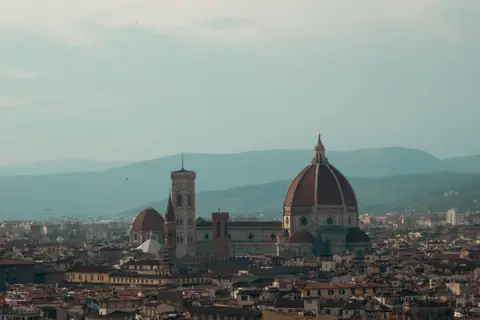
- Palazzo Pitti, Boboli and Bardini Gardens: bought by the Medici in 1549 as their grand ducal residence, the vast rusticated Pitti Palace holds the Palatine Gallery's floor-to-ceiling Titians and Raphaels. Behind it climb the formal 16th-century Boboli Gardens, while five minutes east the quieter Giardino Bardini offers a wisteria tunnel and one of the finest terrace views back toward Brunelleschi's Dome.
- Piazza Santo Spirito: shaded by trees in front of Brunelleschi's plain honey-coloured facade for the Basilica di Santo Spirito (step inside to see its harmonious colonnade and the wooden crucifix carved by a teenage Michelangelo). Morning brings a small market; by 18:00 the square fills with locals drinking Aperol spritz and Negronis (a cocktail invented in Florence in 1919).
- Brancacci Chapel at Santa Maria del Carmine: further west in San Frediano, Masaccio's early 1420s frescoes of The Expulsion from the Garden of Eden and The Tribute Money taught perspective and human realism to an entire generation of Renaissance painters.
What to eat in Florence (and how to order it)
- Bistecca alla fiorentina: a thick T-bone cut from Chianina or Maremmana beef, cooked over hot oak or olive-wood embers so it is charred outside and rare (al sangue) inside. It is priced by weight (usually around 1 kg to 1.3 kg) and meant to be shared between two people alongside white fagioli all'uccelletto beans and a bottle of Chianti Classico or Brunello di Montalcino. Never ask for it well done.
- Lampredotto and schiacciata for lunch: skip sit-down tourist menus near the Duomo and eat standing up like a Florentine. Order a warm crusty schiacciata flatbread stuffed with prosciutto, truffle cream or stracciatella, or stop at a traditional trippaio street cart (such as the one on Piazza dei Cimatori or in Sant'Ambrogio) for a panino col lampredotto, slow-simmered fourth-stomach beef dipped in rich broth and topped with green parsley salsa verde and spicy oil.
- Hearty Tuscan soups and pasta: ribollita (twice-cooked bread, black cavolo nero kale and cannellini bean stew), pappa al pomodoro (thick tomato and bread soup) and wide ribbons of pappardelle al cinghiale (wild boar ragù).
- Artisanal gelato: avoid bright neon heaps of ice cream piled high above the metal tubs near the Ponte Vecchio. Real Florentine gelaterie in Oltrarno and Santa Croce keep their gelato under flat stainless-steel lids (pozzetti) or no higher than the rim, and transformed milk-and-egg cream into buontalenti right here in the 16th century.
Traveller tips
Real advice from people who have been to The Oltrarno, Ponte Vecchio and What to Eat in Florence. Every tip is read by our team before it goes live.
No tips yet. Been here? Yours could be the first.
Thank you! Your tip will appear here after a quick review.
More in Florence
Continue exploring Florence with related neighbourhood, food, and planning guides