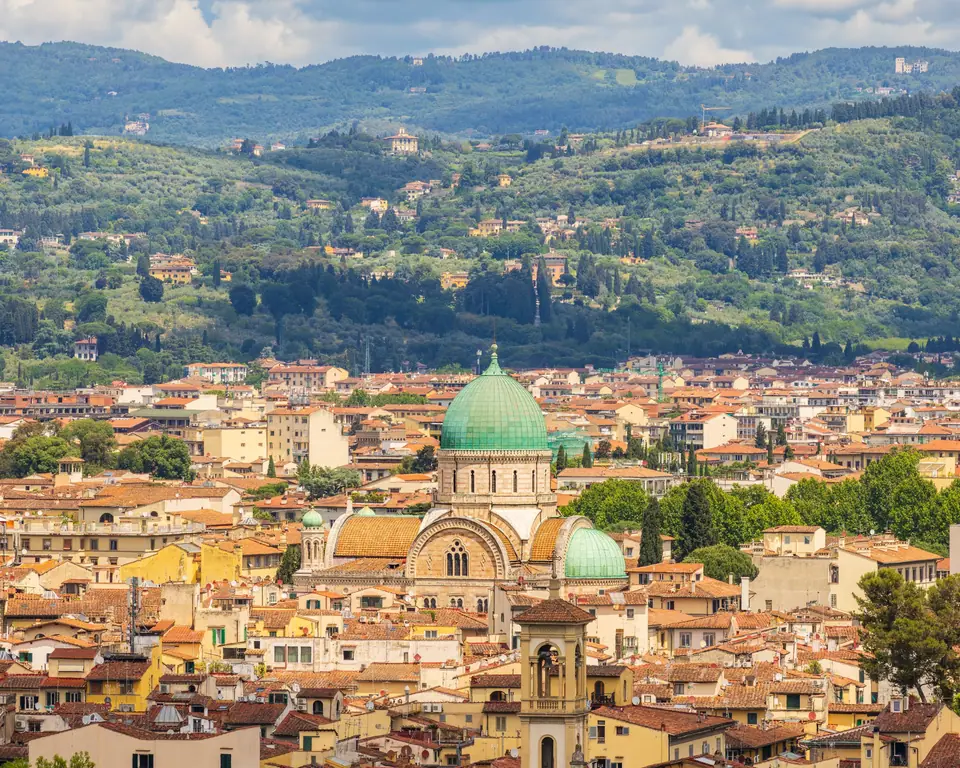
Florence
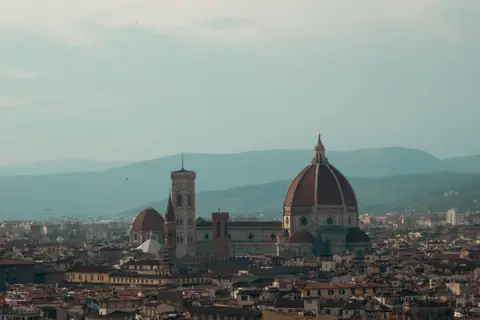
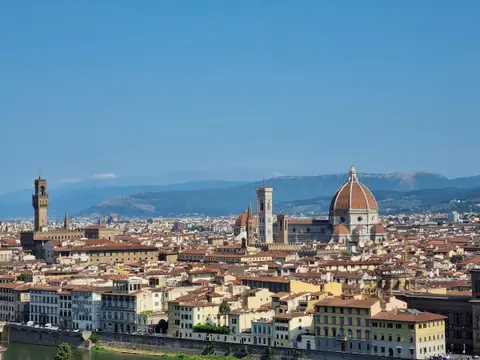
Brunelleschi's terracotta dome above a walkable Renaissance centre, Michelangelo and Botticelli masterpieces, artisan workshops in Oltrarno and Tuscan wine bars.
Quick decisions
How many days?
3 days: the Duomo complex and Piazza della Signoria, the Uffizi and Accademia, and an afternoon across the Arno in Oltrarno and Piazzale Michelangelo. 4 to 5 days: add Fiesole or a day trip to Siena, Pisa and Lucca. Follow our three-day route.
Where should I stay?
Historic Centre (Duomo to Santa Croce): steps from every monument, though busier by day. Oltrarno (Santo Spirito and San Frediano): artisan studios, evening wine bars and neighbourhood trattorias across the river. Compare areas in our neighbourhood guide.
Do I need a car?
No, and do not drive into the centre. Historic Florence is covered by a camera-enforced ZTL (limited traffic zone) with heavy automatic fines. Walk inside the city and pick up any rental car for rural Tuscany only when leaving.
Best for
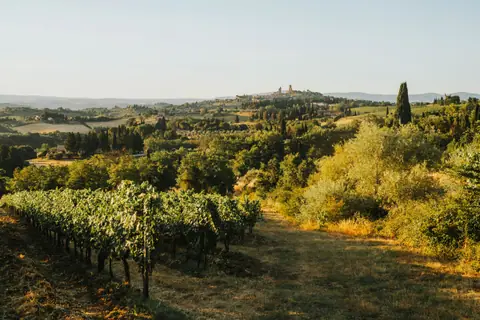
Renaissance art: Botticelli, Leonardo, Michelangelo and Fra Angelico within a twenty-minute walk. Food and wine: Chianti Classico, bistecca alla fiorentina and tripe rolls at street carts. Train travellers: 90 minutes from Rome and under two hours from Milan.
Before you go
Book the Brunelleschi Pass early: climbing the Cathedral Dome requires a timed reservation that sells out weeks ahead. Closed Mondays: both the Uffizi and the Accademia (Michelangelo's David) close on Mondays. Read our practical briefing.
Getting around
From Florence Airport (FLR): the T2 tram line runs straight to Santa Maria Novella station in about 20 minutes. In the city: almost everything is within a 25-minute walk on stone paving. Full details in arrival and transport.
Continue your trip
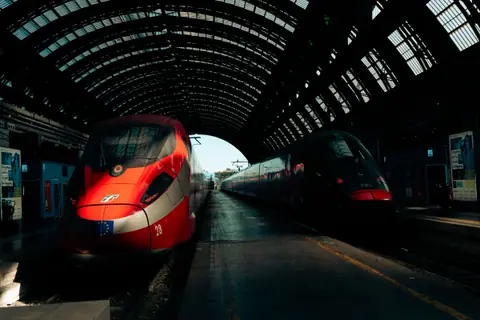
Regional trains reach Pisa and Lucca in roughly an hour, buses climb to Siena from outside Santa Maria Novella, and high-speed Frecciarossa and Italo trains connect directly to Rome, Bologna, Venice and Milan, or see our broader Italy guide.
Overview
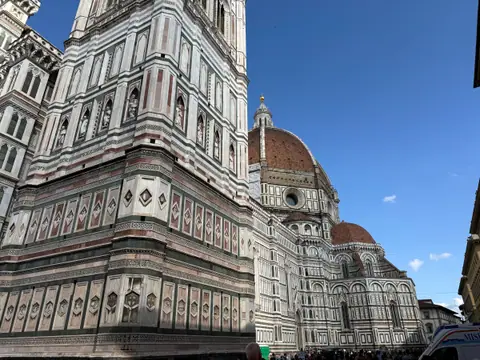
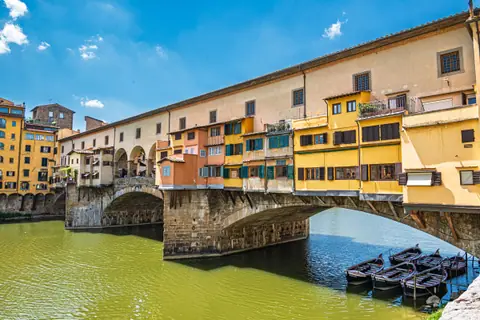
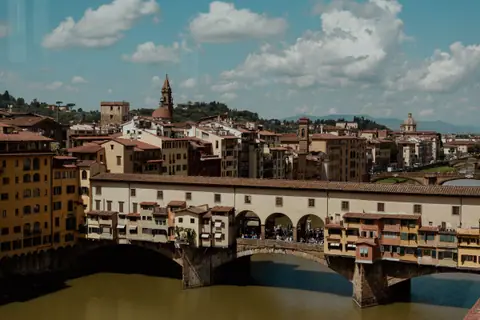
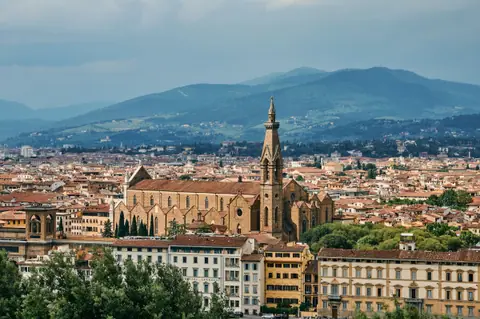
No other city concentrates so much art and architecture into such a compact footprint as Florence. Within fifteen minutes on foot you move from the marble stripes and terracotta tiles of the Duomo and Piazza della Signoria to Botticelli's canvases inside the Uffizi Gallery and across the mediaeval shops of the Ponte Vecchio into the Oltrarno.
Because the historic core is so small, daytime crowds cluster tightly along the axis between the Cathedral, Piazza della Signoria and the bridge. The trick is to book your timed museum entries for 08:15, take a long Tuscan lunch away from the cathedral square, and spend your late afternoons among the gilded leather workshops, gardens and wine windows of Santo Spirito and San Niccolò. Start with our first-timer briefing.
Getting there
Florence's Amerigo Vespucci Airport (Peretola) sits just 20 minutes north-west of Santa Maria Novella central station on Tram Line T2. Many visitors also fly into Pisa Airport (linked by regional train or coach in about an hour) or arrive on high-speed Frecciarossa and Italo trains from Rome, Venice and Milan. See how to get to Florence.
Where to stay
Staying north of the river around Santa Maria Novella, Sant'Ambrogio or Santa Croce keeps you on flat streets close to the station and the big galleries. Crossing the Arno to Santo Spirito or San Frediano gives you quieter mornings and better neighbourhood dining. We compare all five areas in where to stay in Florence.
Things to do
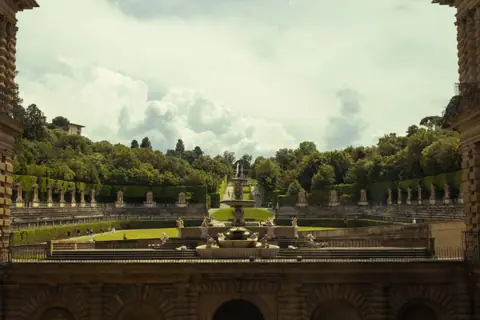
Climb Brunelleschi's Dome or Giotto's Bell Tower, stand beneath Michelangelo's David at the Accademia and walk the Uffizi corridors, explore Fra Angelico's frescoes at San Marco, and climb to San Miniato al Monte above Piazzale Michelangelo at sunset. All top sights are in things to do in Florence.
Food and drink
Florentine cooking is proud, simple and meat-forward: thick T-bone bistecca alla fiorentina seared over embers, ribollita kale and bean soup, pici and wild boar ragù, and a crusty schiacciata sandwich or lampredotto roll at lunch. Read where and what to order in our Oltrarno and food guide.
Culture
Backed by wool guilds and the banking fortune of the Medici family, 15th-century Florence turned ancient Roman proportion and humanist philosophy into the Renaissance. Donatello, Brunelleschi, Botticelli, Leonardo da Vinci, Michelangelo and Galileo all worked within these walls, leaving behind chapels, libraries and sculptures that still sit in the buildings they were made for.
Weather by month
Florence is warmest in July, with average highs around 33°C, and coldest in January, when nights drop to about 2°C. November is the wettest month, with rain on about 11 days.
| Month | Low | Range | High | Rain | Rainy days |
|---|---|---|---|---|---|
| Jan | 2°C | 11°C | 62 mm | 8 d | |
| Feb | 4°C | 13°C | 65 mm | 8 d | |
| Mar | 6°C | 16°C | 61 mm | 8 d | |
| Apr | 9°C | 20°C | 68 mm | 9 d | |
| May | 13°C | 25°C | 64 mm | 9 d | |
| Jun | 17°C | 30°C | 45 mm | 6 d | |
| Jul | 19°C | 33°C | 28 mm | 4 d | |
| Aug | 19°C | 33°C | 36 mm | 5 d | |
| Sep | 15°C | 27°C | 74 mm | 7 d | |
| Oct | 11°C | 21°C | 96 mm | 9 d | |
| Nov | 7°C | 15°C | 108 mm | 11 d | |
| Dec | 3°C | 11°C | 75 mm | 9 d |
Averages of daily values from 2015 to 2024. Rainy days are days with at least 1 mm of rain. Source: Open-Meteo · Compare destinations by month.
Florence on the map
Every place we cover in Florence. Tap a category or pin to explore.
In-depth Florence guides
Browse the guides grouped by topic: sights, neighbourhoods, food, transport, day trips and trip planning.
Sights, Landmarks & Parks
Key monuments, viewpoints, museums and nature trails.
- Best Things to Do in FlorenceRenaissance masterpieces, rooftop views, monastic frescoes and sunset hills across the Arno.
- The Duomo Complex, Piazza della Signoria and the Historic CoreHow the three Duomo passes work, climbing the Cupola and walking south to Piazza della Signoria.
- The Uffizi, the Accademia and Florence's Renaissance SculptureHow to see Botticelli at the Uffizi, Michelangelo's David at the Accademia and Donatello at the Bargello.
Neighbourhoods & Where to Stay
Districts, historic quarters and the best bases for your stay.
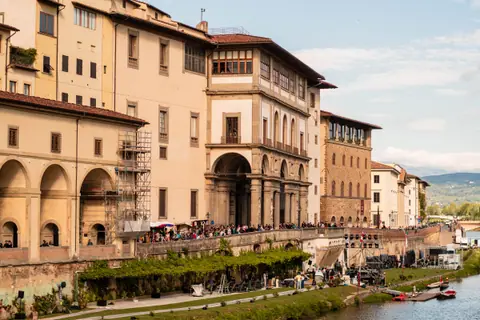
- The Oltrarno, Ponte Vecchio and What to Eat in FlorenceAcross the Arno to artisan workshops, hillside gardens, wine windows and classic Florentine dishes.
- Where to Stay in Florence: Best Areas North and South of the ArnoFive central Florence districts compared for walking access, night noise and character.
Getting Around & Arrival
Airport transfers, public transit, passes and driving rules.
Trip Planning & Itineraries
When to visit, what to pack and day-by-day routes.
- Florence: What to Know Before You GoTimed ticket rules, unusual street numbering, ZTL cameras and dining customs.
- Best Time to Visit FlorenceSpring wisteria in the gardens, autumn wine harvest and how to handle summer heat in the Arno basin.
- What to Wear in FlorenceShoes for stone slabs, cathedral dress standards and why Florentines dress sharply.
- 3 Days in Florence: Renaissance Art, Rooftops and OltrarnoThree well-paced days pairing early museum slots with slow lunches and sunset viewpoints.
Need your embassy or consulate in Italy? See embassies and consulates in Italy.
Reviews
Log in to write a review.
No reviews yet.