


























Parque das Aves Guide: Toucans, Macaws and Harpy Eagles in the Atlantic Forest
Explore Parque das Aves beside Iguaçu National Park, the world's only conservation park dedicated to Atlantic Forest birds, featuring five walk-through aviaries with toucans and macaws.
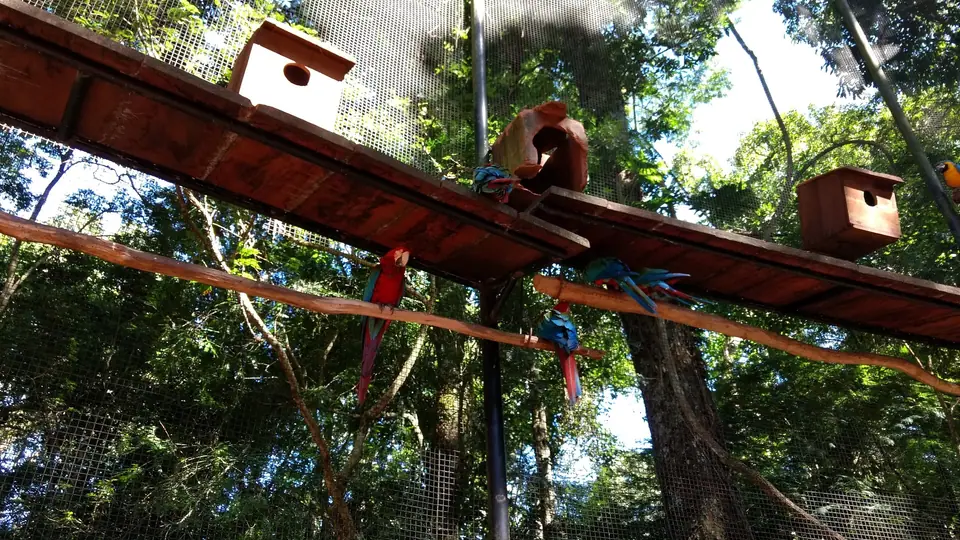
Directly across Rodovia das Cataratas (BR-469) from the entrance to Parque Nacional do Iguaçu stands Parque das Aves (Bird Park), one of the most respected wildlife conservation centres in Latin America. Rather than peering at cages from the outside, visitors follow a 1.5-kilometre shaded trail through 16.5 hectares of native subtropical Atlantic Forest (Mata Atlântica) and step directly inside five colossal walk-through immersion aviaries where toucans, macaws, and scarlet ibises fly freely overhead.
Founding in 1994 and Atlantic Forest Conservation Mission
Founded by British-born conservationists Dennis and Anna Croukamp and opened to the public on 7 October 1994, Parque das Aves is the only institution on earth focused exclusively on the conservation, rescue, and breeding of birds of the Atlantic Forest biome. Because more than 90 percent of Brazil's original Atlantic Forest has been cleared over the past five centuries, over 120 bird species in this ecosystem face extinction.
Today the park cares for more than 1,300 birds across 130 species, over half of which were rescued from illegal wildlife trafficking and abuse in collaboration with Brazilian environmental agency IBAMA, alongside breeding programmes for endangered endemic species such as the Alagoas curassow (mutum-de-alagoas), the red-browed Amazon parrot (papagaio-chauá), the purple-winged ground dove (pararu-espelho), and the black-fronted piping guan (jacutinga).
Inside the Five Walk-Through Immersion Aviaries
- Os Pequenos Marrons and Rivers & Mangroves Aviary: Begin among endangered ground birds of the forest floor before entering a wetland habitat where brilliant red scarlet ibises (guarás), roseate spoonbills, and nocturnal boat-billed herons wade beside a wooden bridge.
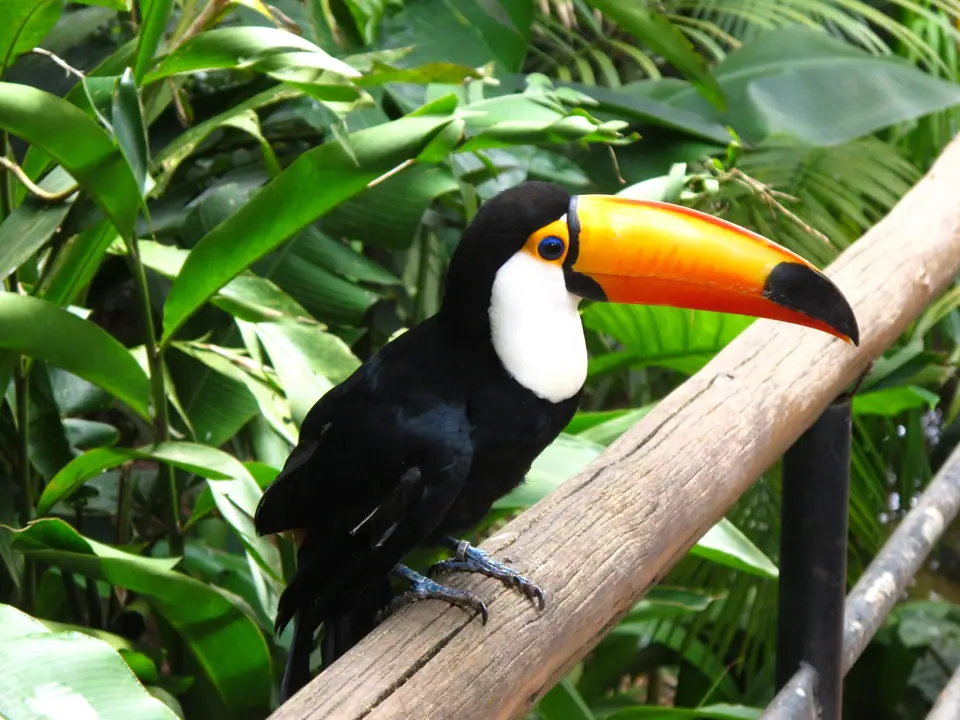
- Viveiro Cecropia (The Toucan Forest): Step inside a soaring canopy enclosure planted with native embaúba (cecropia) trees where dozens of toco toucans (Ramphastos toco), red-breasted toucans (tucano-de-bico-verde), saffron toucanets, and plush-crested jays hop down onto low branches just a metre from the walkway.
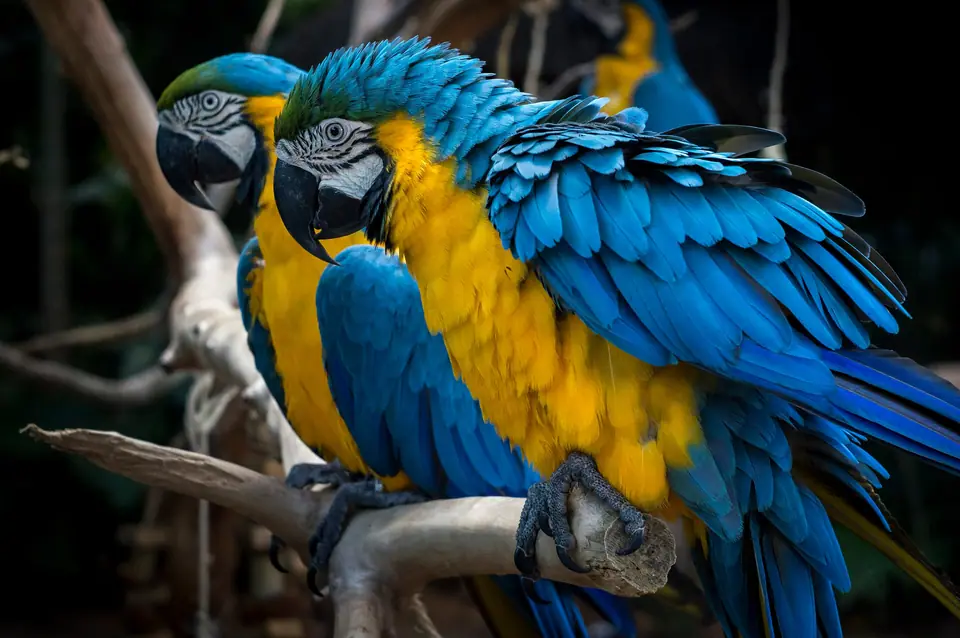
- Viveiro Araras (The Macaw Aviary) and Butterfly House: In the largest walk-in aviary, more than 100 red-and-green macaws, blue-and-yellow macaws, and endangered cobalt-blue hyacinth macaws (arara-azul) swoop from end to end with a deafening chorus of calls, followed by the tropical blooms and hummingbirds of the Borboletário.
Meeting the Harpy Eagle and Practical Visiting Tips
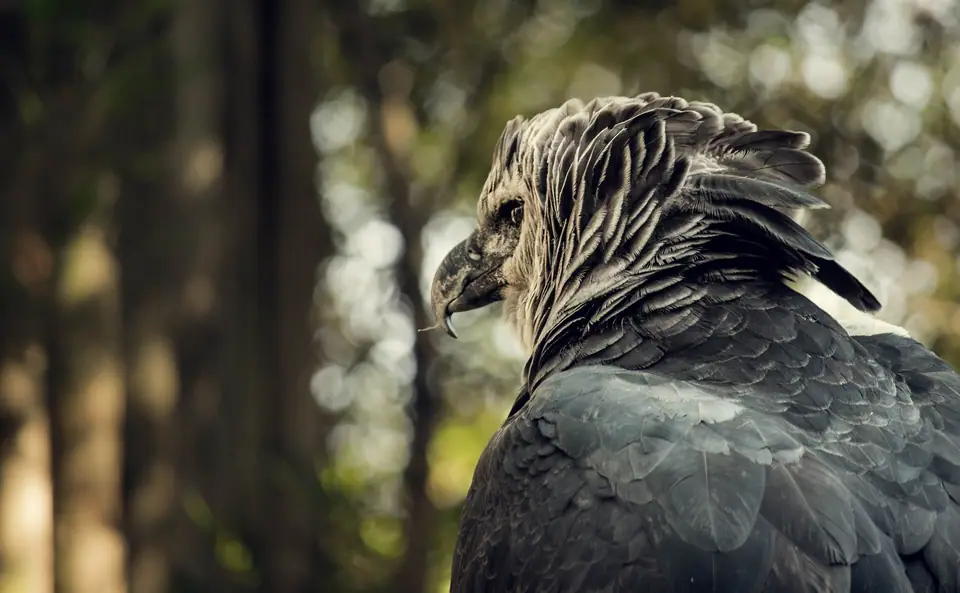
Along the forested trail between aviaries, stop at the dedicated conservation habitat for the Harpy Eagle (Harpia harpyja / gavião-real), the largest and most powerful raptor in the Americas, whose talons reach the size of a grizzly bear's claws, alongside rescued spectacles owls, greater rheas, flamingos, and caimans. Allow 2 to 2.5 hours for the full circuit and combine your visit on the same morning or afternoon as the Brazilian side of the waterfalls just 300 metres away; check the official Parque das Aves site for current opening hours.
Traveller tips
Real advice from people who have been to Parque das Aves Guide: Toucans, Macaws and Harpy Eagles in the Atlantic Forest. Every tip is read by our team before it goes live.
No tips yet. Been here? Yours could be the first.
Thank you! Your tip will appear here after a quick review.
More in Foz do Iguaçu
Continue exploring Foz do Iguaçu with related neighbourhood, food, and planning guides

Puerto Iguazú, Hito Tres Fronteras and Argentine Dining Evening Trip Guide
Foz do Iguaçu, Brazil

Foz do Iguaçu: Triple Frontier, Waterfalls and Planning Tips
Foz do Iguaçu, Brazil

Things to Do in Foz do Iguaçu: Cataratas, Garganta do Diabo and Parque das Aves
Foz do Iguaçu, Brazil

How to Get to Foz do Iguaçu: IGU and IGR Airports, Borders and Buses
Foz do Iguaçu, Brazil
