


























Foz do Iguaçu: Triple Frontier, Waterfalls and Planning Tips
Essential planning advice for visiting Foz do Iguaçu, Brazil, comparing the Brazilian and Argentine sides of the falls, border crossings, currency, and local transport.
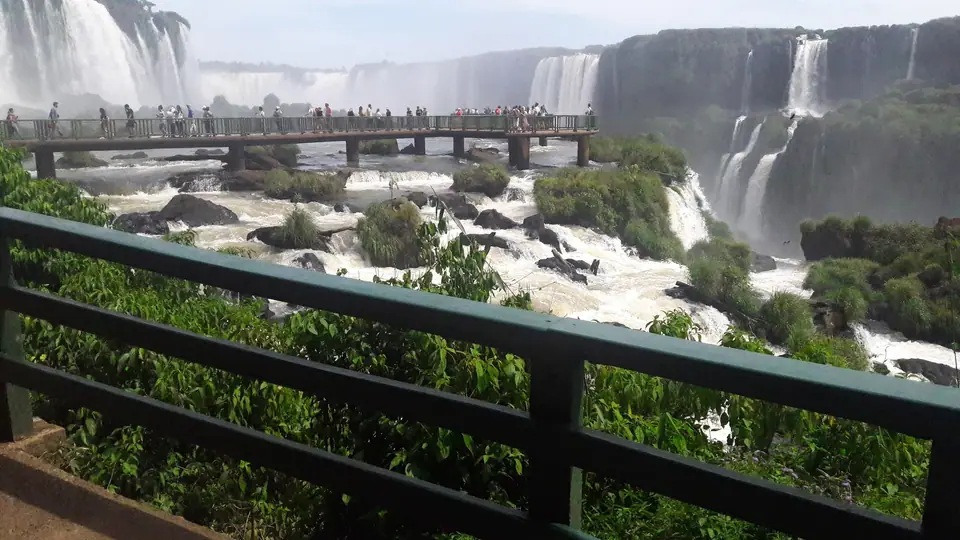
Located at the southwestern tip of Paraná state where the Iguaçu River (from the Guarani y guasu, meaning "Great Water") meets the Paraná River, Foz do Iguaçu sits at the heart of a tri-national metropolitan region shared with Puerto Iguazú in Argentina and Ciudad del Este in Paraguay. Twenty-three kilometres upstream from the river confluence, the Iguaçu River drops over a 150-million-year-old Serra Geral basalt lava plateau, splitting into roughly 275 individual waterfalls across a 2.7-kilometre canyon amphitheatre. Combine this overview with our top things to do in Foz do Iguaçu and our neighbourhood hotel guide.
Brazilian Side vs Argentine Side: Why You Should Visit Both
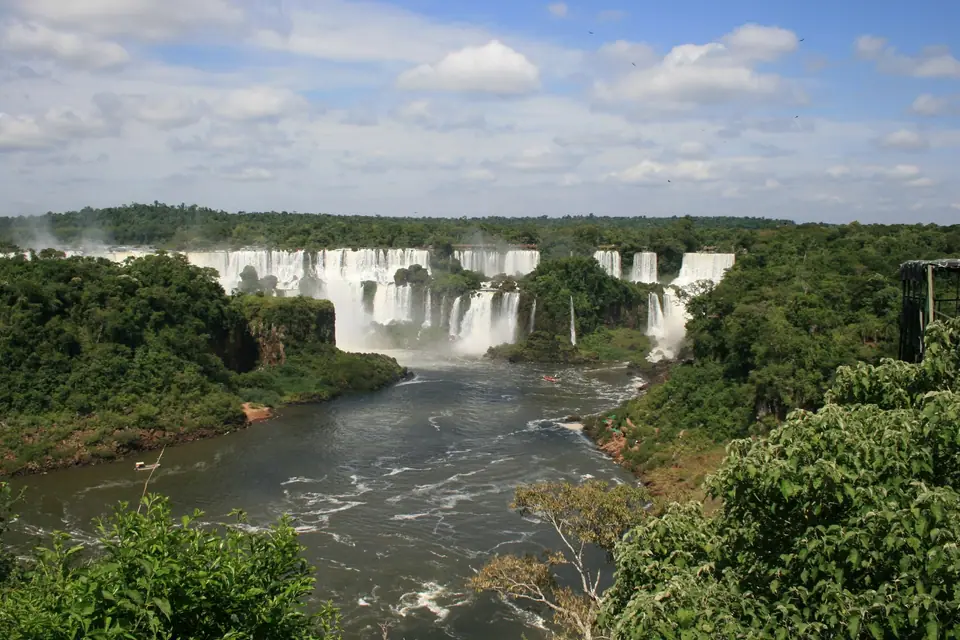
First-time visitors often ask whether to visit the Brazilian or Argentine side of the waterfalls. Because the international border runs down the deep central channel of the Garganta do Diabo (Devil's Throat), the two UNESCO World Heritage national parks complement each other rather than duplicate the view:
- The Brazilian Side (Parque Nacional do Iguaçu, 1939): Because roughly three-quarters of the individual waterfalls tumble down the Argentine cliff face opposite Brazil, the Brazilian side acts as a grand theatre balcony. A single 1.5-kilometre cliffside trail delivers sweeping, wide-angle frontal panoramas of the entire 2.7-kilometre canyon before leading onto a thrilling metal catwalk over the lower river directly into the misty base of the Devil's Throat (requiring a half-day of 3 to 4 hours).
- The Argentine Side (Parque Nacional Iguazú, 1934): Puts you inside and directly above the cascades along three extensive boardwalk networks (the Upper Circuit, Lower Circuit, and the upper Devil's Throat train and walkway), requiring a full day of 6 to 7 hours.
Triple-Frontier Passports, Currency, and Getting Around
Portuguese is spoken in Foz do Iguaçu and the currency is the Brazilian Real (BRL); contactless Visa and Mastercard cards are accepted everywhere from park ticket booths to taxis. Carry your original physical passport whenever you cross the 1985 Tancredo Neves Bridge into Argentina (where every passenger is stamped at border control) or the 1965 Friendship Bridge into Ciudad del Este and Saltos del Monday in Paraguay.
Traveller tips
Real advice from people who have been to Foz do Iguaçu: Triple Frontier, Waterfalls and Planning Tips. Every tip is read by our team before it goes live.
No tips yet. Been here? Yours could be the first.
Thank you! Your tip will appear here after a quick review.
More in Foz do Iguaçu
Continue exploring Foz do Iguaçu with related neighbourhood, food, and planning guides
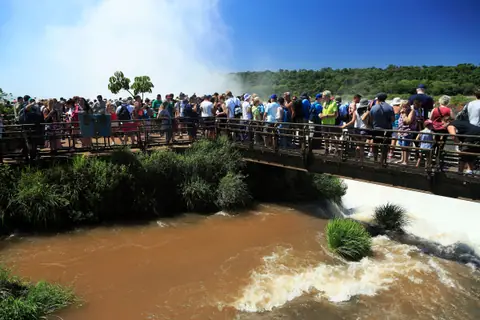
Argentine Side of Iguazú Falls Day Trip: Upper, Lower and Devil's Throat Circuits
Foz do Iguaçu, Brazil
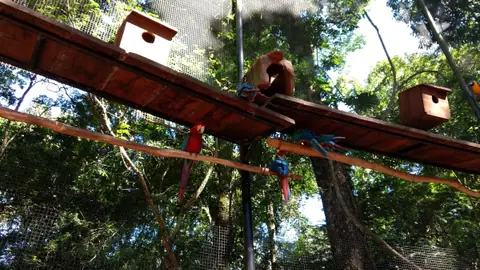
Parque das Aves Guide: Toucans, Macaws and Harpy Eagles in the Atlantic Forest
Foz do Iguaçu, Brazil

Itaipu Binacional Dam, Panoramic Circuit and Bela Vista Biological Refuge Guide
Foz do Iguaçu, Brazil
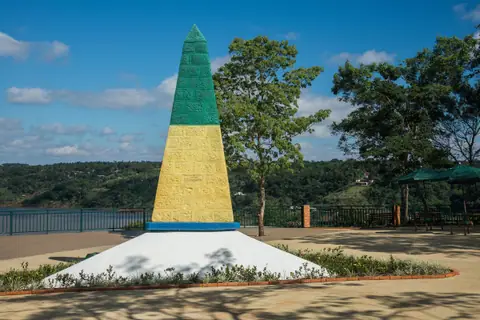
Marco das Três Fronteiras: Where Brazil, Argentina and Paraguay Meet
Foz do Iguaçu, Brazil
