


























Kallio and Vallila: Bohemian Cafés, Vintage Shops and Puu-Vallila
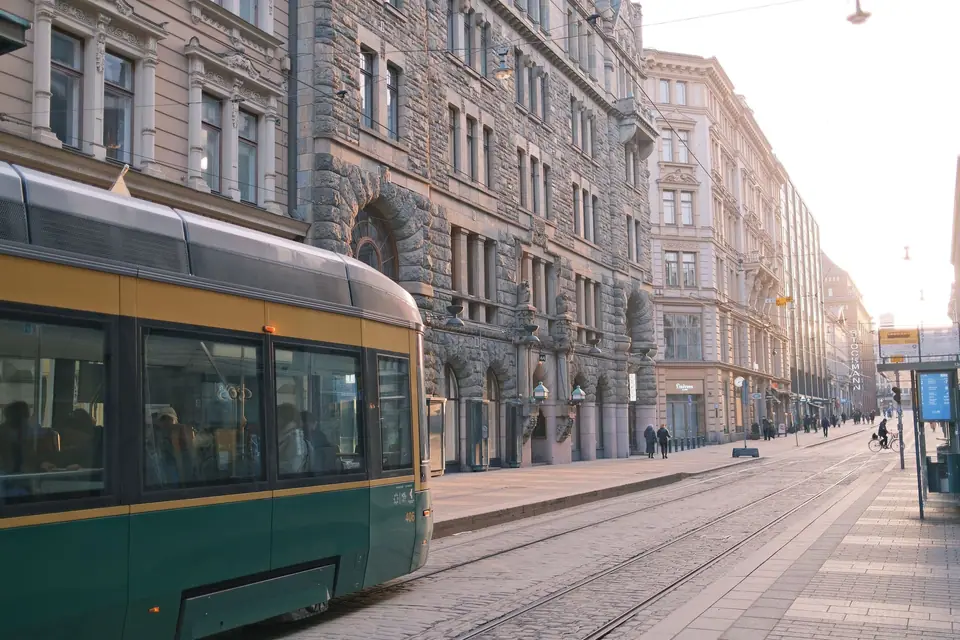
Crossing the Pitkäsilta bridge into bohemian Kallio and the preserved 1910s wooden lanes of Puu-Vallila.
In the 19th and early 20th centuries, the granite bridge of Pitkäsilta ("The Long Bridge") marked the social divide of Helsinki: south of the water lay the bourgeois stone avenues of Senate Square and Esplanadi, while north of the bridge rose the working-class factory and tenement hills of Kallio ("The Rock") and Vallila. Today, crossing Pitkäsilta (or riding Tram 3, 6, 7 or 9 / the Metro two stops from the Central Station to Hakaniemi or Sörnäinen) brings you into the most relaxed, affordable and authentic part of the city.
Hakaniemi Market Hall, Karhupuisto and Fleminginkatu
Start at Hakaniemi Square (Hakaniementori), where the freshly restored 1914 Art Nouveau red-brick Hakaniemi Market Hall (Hakaniemen kauppahalli) reopened in 2023 after a complete multi-year renovation. Far less touristy than the harbour market, its two floors hold traditional fishmongers, Reinin Liha butchers, cheese counters, Marimekko fabric stalls and warm lunch counters serving soup and rye bread.
From Hakaniemi, walk uphill along Neljäslinja or Fleminginkatu (Flemari) toward the monumental 65-metre grey granite tower of Kallio Church (Kallion kirkko, 1912), designed by Lars Sonck in National Romantic style (its bells play a melody composed explicitly for the church by Jean Sibelius every day around midday and in the early evening). Just east of the church opens tiny triangular Karhupuisto ("Bear Park"), named after Jussi Mäntynen's red granite statue of a bear and surrounded by a classic octagonal kiosk café, flower stalls, independent bookshops and sourdough bakeries. Follow Vaasankatu and Fleminginkatu east for vintage clothing stores, vinyl record shops, neighbourhood craft beer bars and the 1928 wood-fired stoves of Kotiharjun Sauna.
Walking Through Wooden Puu-Vallila and Konepaja
Ten minutes north of Kallio across Aleksis Kiven katu (past the former 1900s VR train-repair brick halls of Konepaja, now converted into cultural bars, a cinema and restaurants) lies Puu-Vallila ("Wooden Vallila"). Built between 1910 and 1927 as garden-city housing for railway and factory workers and saved from demolition by residents in the 1970s, eight quiet cobbled blocks around Roineentie, Keuruuntie and Suvannontie preserve two-storey pastel wooden houses painted in sage green, ochre, lilac and sky blue around leafy shared apple-tree courtyards.
Traveller tips
Real advice from people who have been to Kallio and Vallila: Bohemian Cafés, Vintage Shops and Puu-Vallila. Every tip is read by our team before it goes live.
No tips yet. Been here? Yours could be the first.
Thank you! Your tip will appear here after a quick review.
More in Helsinki
Continue exploring Helsinki with related neighbourhood, food, and planning guides
Helsinki Design District: Punavuori, Ullanlinna and Jugendstil Streets
Helsinki
Helsinki Food Guide: Salmon Soup, Karelian Pasties and Historic Market Halls
Helsinki
Seurasaari Open-Air Museum, Sibelius Monument and Café Regatta
Helsinki
Helsinki Islands Guide: Vallisaari, Lonna and Pihlajasaari Beaches
Helsinki
