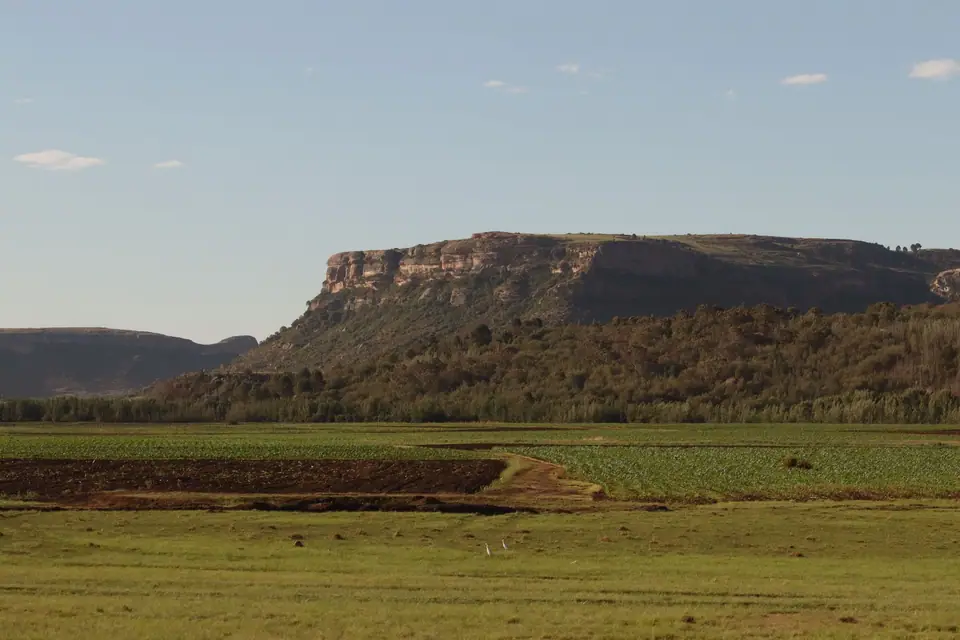
Thaba Bosiu Royal Citadel and the Kome Cave Dwellings
The sacred sandstone mesa where the Basotho nation was born and the cliffside mud homes of Ha Kome.
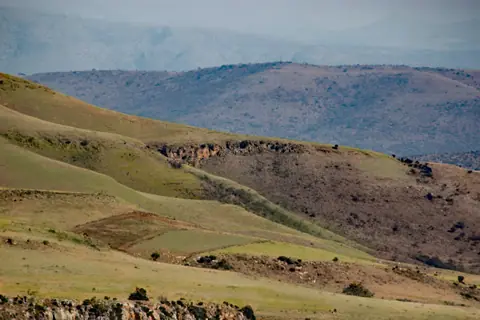
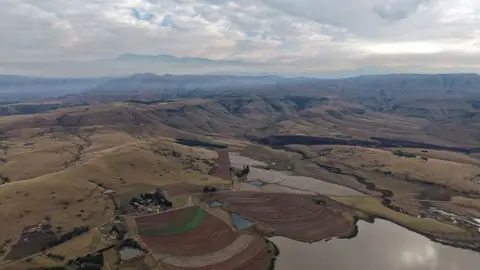
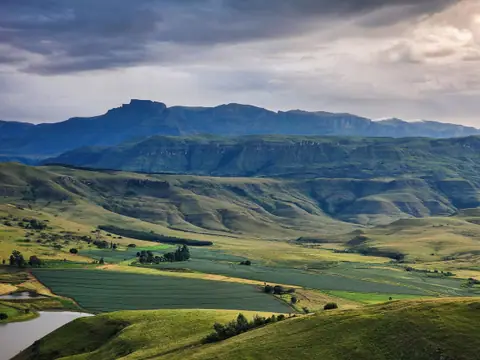
No place in Lesotho carries deeper historical weight than Thaba Bosiu ("The Mountain at Night"), a flat-topped sandstone mesa rising above the Phuthiatsana River valley 24 km east of central Maseru. Ringed by sheer vertical cliffs broken only by six narrow footpaths, this natural fortress never fell to an enemy assault during the nineteenth-century wars that reshaped southern Africa.
Climbing Thaba Bosiu with a local historian
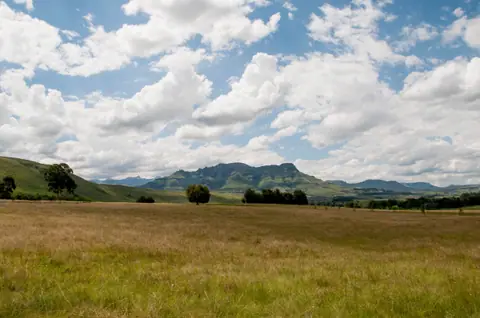
In 1824, during the turmoil of the Lifaqane migrations, the young leader Moshoeshoe I led his followers from the northern Butha-Buthe mountains to this defensible plateau, welcoming displaced clans and forging the modern Basotho nation. According to oral tradition, invading armies believed the cliffs grew taller under cover of darkness. All visits begin at the Thaba Bosiu Cultural Village at the foot of the mesa, which houses an informative museum exhibition, stone-built rondavels and an amphitheatre looking directly across at the symmetrical cone of Mount Qiloane (the mountain that inspired the shape of Lesotho's national mokorotlo hat). From the visitor centre, a resident guide leads you up the steep stone steps of Khubelu Pass onto the windswept two-square-kilometre summit plateau:
- The Royal Village Ruins and Tortoise Stone: walk among the low sandstone walls of Moshoeshoe's original 1820s homestead, his European-style stone house and the hollowed rock basin used for traditional council games.
- The Royal Graveyard: shaded by simple stone cairns on the central plateau, where King Moshoeshoe I (who died in 1870) and subsequent kings and chiefs of Lesotho are buried overlooking the Maloti foothills.
Continuing to the Kome Cave Dwellings (Ha Kome)
Thirty-five minutes northeast of Thaba Bosiu via Teyateyaneng Road and Pulane lies Ha Kome in Berea District. Tucked deep underneath an enormous vaulted sandstone rock shelter above a quiet stream stand five rounded mud-and-cow-dung dwellings constructed in 1824 by Chief Teleka of the Basia clan to hide his family from famine-era raiders. Built like giant swallows' nests sealed seamlessly between the cave floor and rock ceiling, the chambers remain cool in summer and warm in winter, and direct descendants of the original builders still live in the caves alongside a small interpretive centre. Combine both sites easily on Day 2 of our Maseru route.
Traveller tips
Real advice from people who have been to Thaba Bosiu Royal Citadel and the Kome Cave Dwellings. Every tip is read by our team before it goes live.
No tips yet. Been here? Yours could be the first.
Thank you! Your tip will appear here after a quick review.
More in Maseru
Continue exploring Maseru with related neighbourhood, food, and planning guides