Maseru: What to Know Before You Go
Border procedures, dual currency rules, mountain altitude and everyday etiquette in Lesotho's capital.
Short answer: treat Maseru as a high-altitude mountain town rather than a tropical African capital, keep your passport handy for the South African enclave border at Maseru Bridge, carry small banknotes for local taxis and craft stalls, and pack a warm fleece or windbreaker in every season of the year.
An enclave kingdom above 1,600 metres
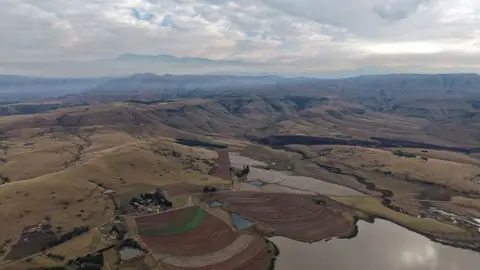
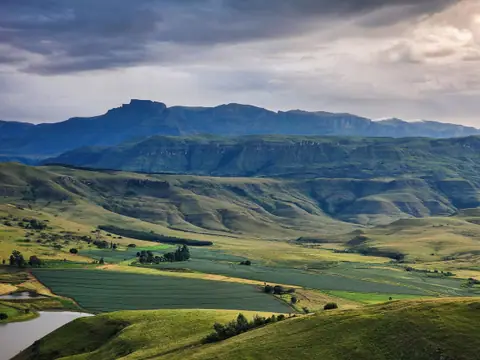
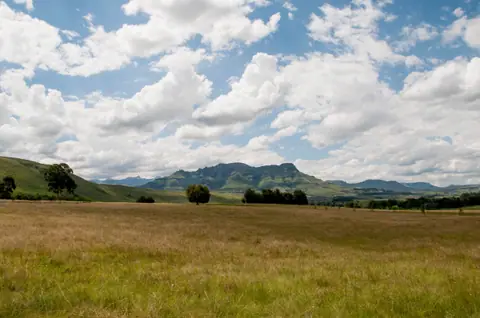
Lesotho is completely surrounded by South Africa, which means every overland arrival into Maseru involves exiting the South African border post on the western bank of the Mohokare (Caledon) River and clearing Lesotho immigration on the eastern side of Maseru Bridge. Always verify that both exit and entry stamps are clearly imprinted in your passport before walking or driving away from the counter, as missing stamps cause long delays when re-entering South Africa. Because the capital sits at 1,600 metres and nearby day-trip roads climb quickly past 2,800 metres at Bushman's Pass and Blue Mountain Pass, the sun is fierce at midday while temperatures drop sharply as soon as dusk falls behind the mesas.
Dual currency, cards and everyday payments
Lesotho's national currency resides at a strict one-to-one peg with South African notes and coins, and both are accepted interchangeably across every shop, fuel station, hotel and restaurant in Maseru. Note that while South African banknotes work everywhere inside Lesotho, Lesotho banknotes and coins are rarely accepted once you cross back into South Africa, so always ask for change in South African notes during your final day on Kingsway. Major supermarkets and hotels around Pioneer Mall and Maseru Mall take Visa and Mastercard, whereas shared 4+1 taxis, roadside grill stalls and rural craft weavers near Thaba Bosiu operate strictly in cash.
Basotho greetings, blankets and photography
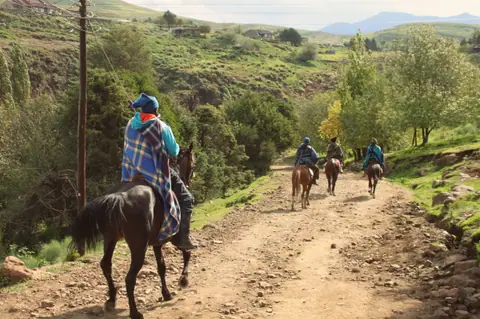
Sesotho and English are both official languages. Starting any conversation with a warm Khotso (peace) to one person or Khotso, bo-ntate and bo-mme shows immediate respect. The patterned woollen Basotho blanket is sacred cultural attire worn for ceremonies, cold mornings and horsemanship rather than a costume; ask permission before photographing riders or village elders.
Traveller tips
Real advice from people who have been to Maseru: What to Know Before You Go. Every tip is read by our team before it goes live.
No tips yet. Been here? Yours could be the first.
Thank you! Your tip will appear here after a quick review.
More in Maseru
Continue exploring Maseru with related neighbourhood, food, and planning guides