


























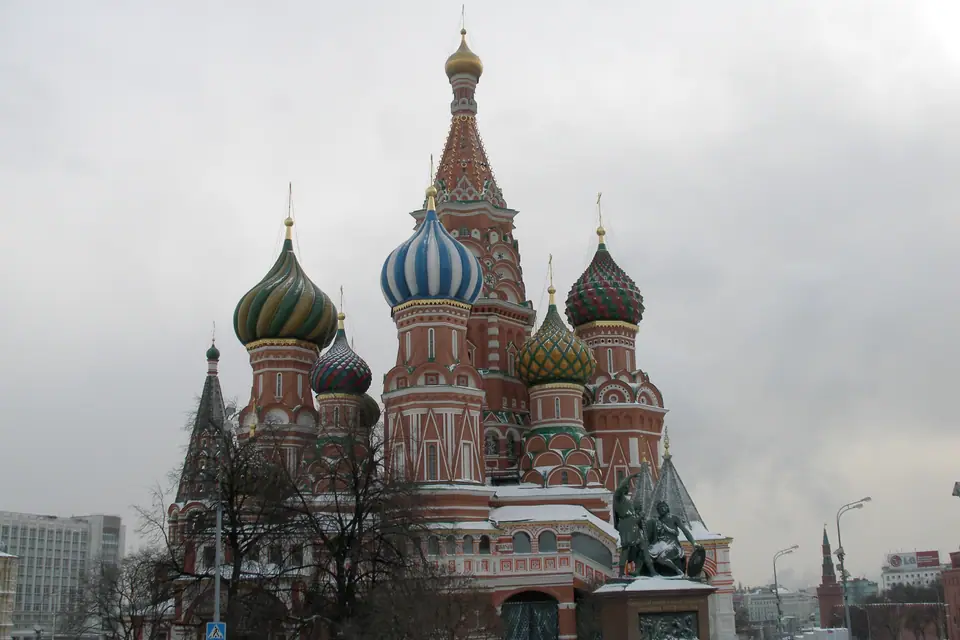
Best time to visit Moscow: monthly weather, daylight and seasons
Month-by-month Moscow climate guide using 1991 to 2020 VDNKh weather normals, comparing summer river evenings, golden autumn parks, and snowy winters.
Moscow has a humid continental climate with four sharply defined seasons. Official 1991 to 2020 climate normals recorded at the VDNKh meteorological station (WMO 27612) show a 33-degree swing between the coldest winter nights in January and February (average daily lows of -8.7 °C and -8.8 °C) and the warmest summer afternoons in July (average daily highs of 24.7 °C). Annual precipitation totals 713 millimetres, distributed across warm summer rain showers and a continuous winter snow blanket that typically covers the capital for nearly five months of the year.
Late spring and summer (May to August): long evenings and riverside parks
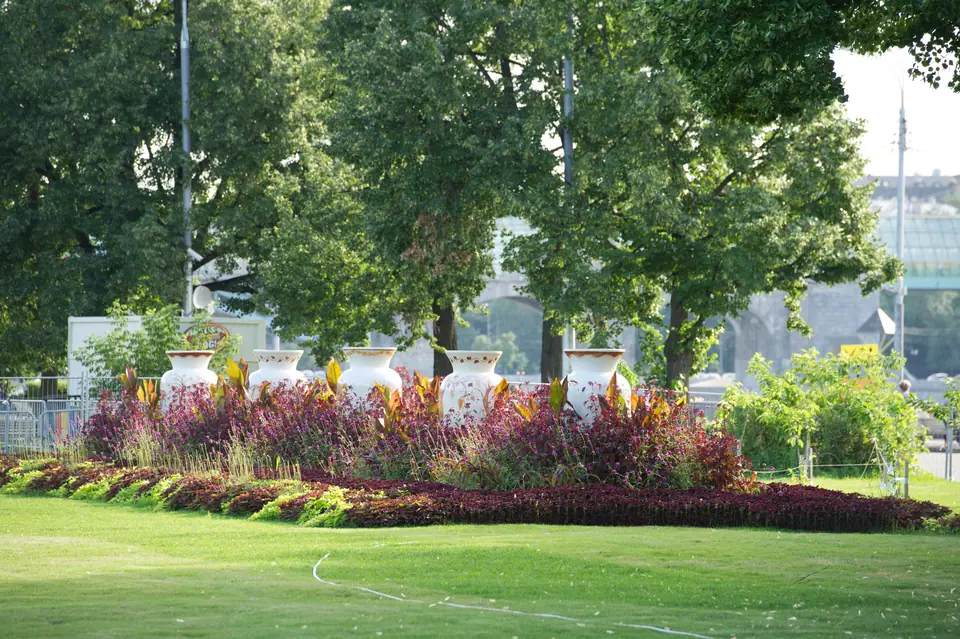
For comfortable walking, river cruises, and outdoor park life, late May through August is the most popular window to visit Moscow. By May, average afternoon highs reach 19.0 °C (overnight lows 8.1 °C, with 61 mm of rainfall across 16 wet days), apple orchards blossom across the river bluffs of Kolomenskoye, and the monumental fountains at VDNKh (including the gilded Friendship of the Peoples Fountain) and Gorky Park operate daily. June, July, and August bring warm afternoons averaging 22.4 °C, 24.7 °C, and 22.7 °C respectively (with overnight lows of 12.2 °C, 14.8 °C, and 13.0 °C), and Moscow's 55-degree northern latitude stretches June daylight to more than 17 hours.
Summer is also Moscow's wettest season by rainfall volume (78 mm in June, 84 mm in July, and 78 mm in August, falling mostly as brief afternoon showers across 15 to 16 wet days per month), so pack a compact umbrella alongside light breathable layers for riding Moskva River boats and walking the Zaryadye Park embankments.
Autumn (September to October): golden foliage and new theatre seasons
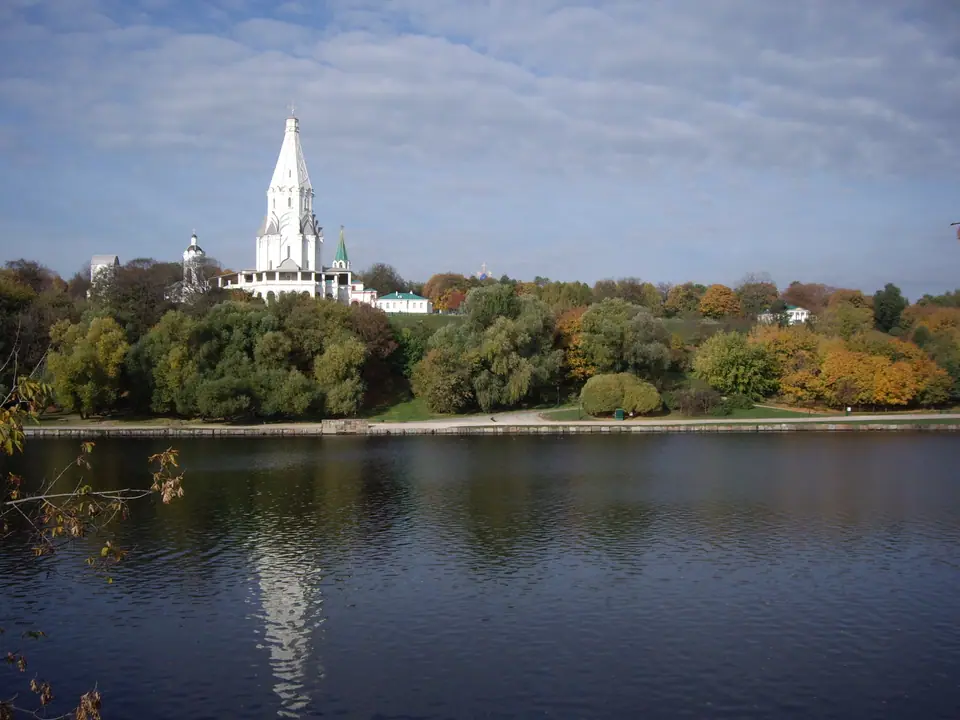
Early autumn is one of the most rewarding periods for cultural travellers. September averages 16.4 °C during the day and 8.0 °C at night (66 mm of rain), and October averages 8.9 °C by day and 3.0 °C at night (70 mm of rain). From late September into early October, autumn colour turns the maple, birch, oak, and lime trees of Neskuchny Garden, Sparrow Hills, Tsaritsyno, and Kolomenskoye bright gold, a period celebrated locally as "golden autumn" (zolotaya osen). September also marks the opening of the new ballet, opera, and symphonic season at the Bolshoi Theatre, Tchaikovsky Concert Hall, and Moscow Conservatory after summer touring breaks.
Winter and early spring (November to April): snow, ice rinks, and museum days
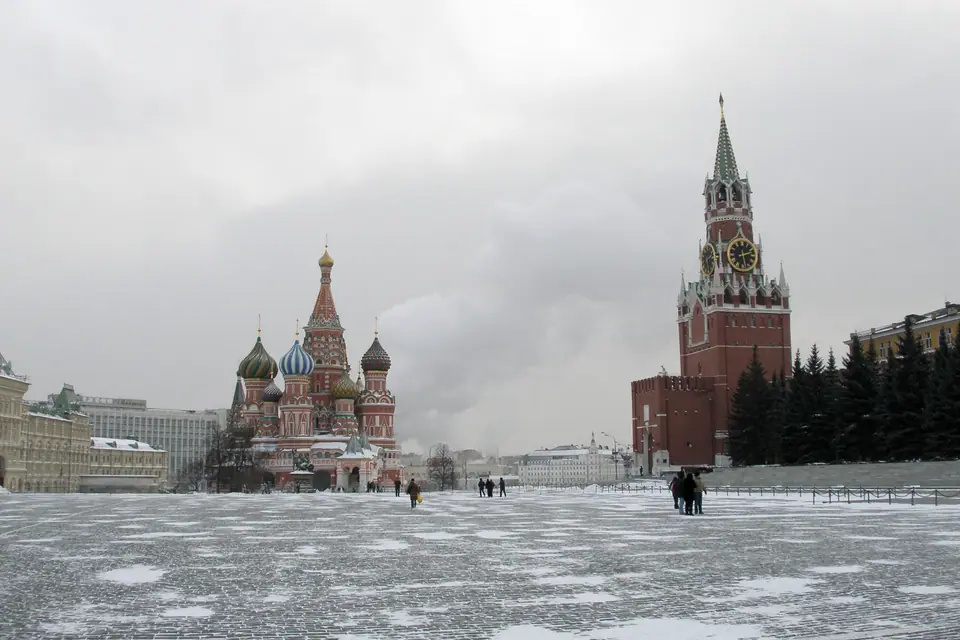
By November, average temperatures drop to a high of 1.6 °C and a low of -2.4 °C (52 mm of precipitation across 13 wet days), and settled snow cover typically blankets the city from late November through March. December (high -2.3 °C, low -6.5 °C), January (high -3.9 °C, low -8.7 °C), and February (high -3.0 °C, low -8.8 °C) transform Red Square and Manezhnaya Square with winter illuminations, New Year trees, and outdoor ice skating rinks at GUM, Gorky Park, and VDNKh.
Because all public buildings, the Moscow Metro, and art museums such as the Tretyakov Gallery and Pushkin Museum (which hosts its annual December Nights music festival founded by Sviatoslav Richter in 1981) are heated to warm indoor temperatures, winter visitors should dress in an easily removable thermal coat, hat, gloves, and insulated non-slip boots rather than heavy sweaters that overheat indoors. March (high 3.0 °C, low -4.2 °C) and April (high 11.7 °C, low 2.3 °C) bring rapidly lengthening daylight and the driest skies of the year (39 mm and 37 mm of precipitation).
Traveller tips
Real advice from people who have been to Best time to visit Moscow: monthly weather, daylight and seasons. Every tip is read by our team before it goes live.
No tips yet. Been here? Yours could be the first.
Thank you! Your tip will appear here after a quick review.
More in Moscow
Continue exploring Moscow with related neighbourhood, food, and planning guides
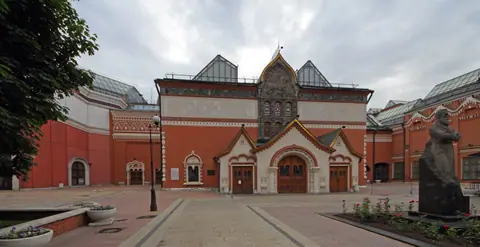
Tretyakov Gallery, Pushkin Museum of Fine Arts and Christ the Saviour
Moscow, Russia
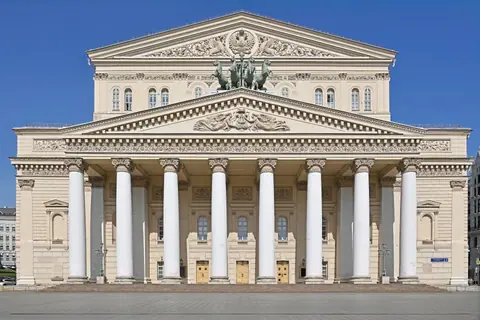
Bolshoi Theatre, Tverskaya Street, Kitay-gorod and Zaryadye Park
Moscow, Russia
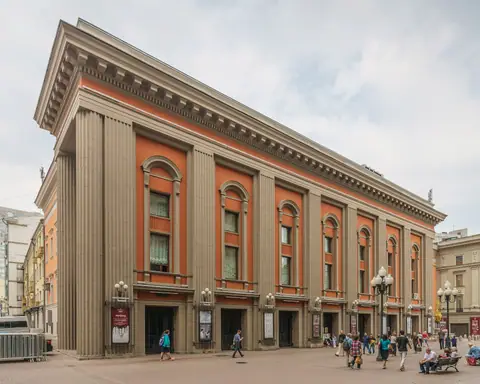
Arbat Street, Patriarch's Ponds and Zamoskvorechye walking guide
Moscow, Russia
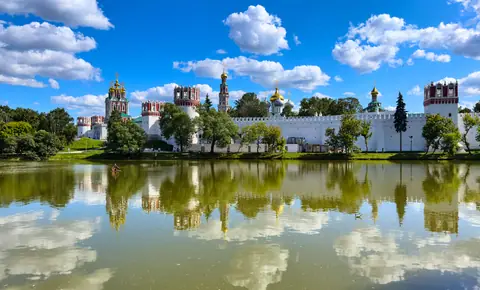
Gorky Park, Sparrow Hills, Moscow State University and Novodevichy Convent
Moscow, Russia
