


























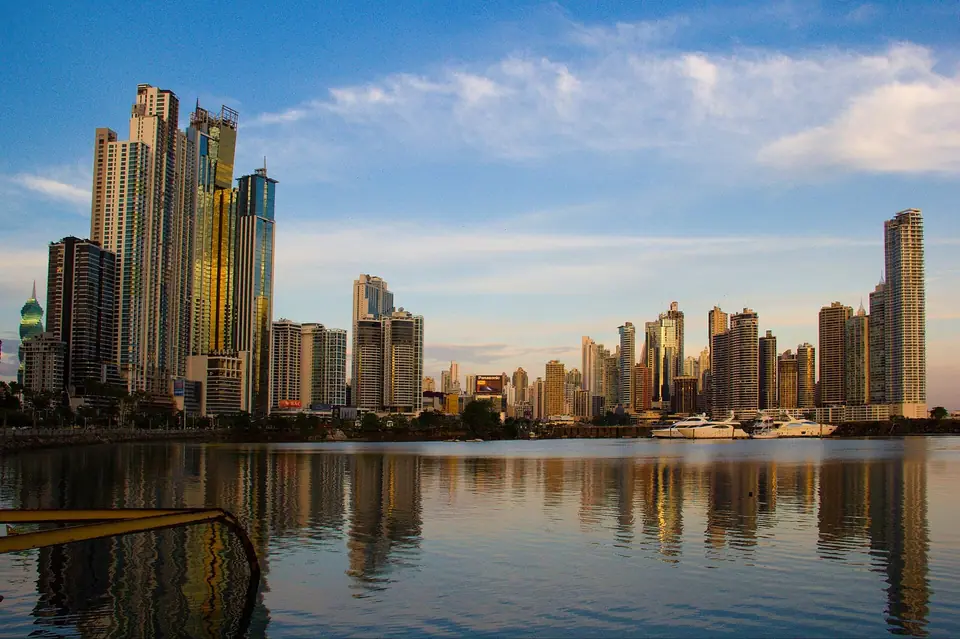
Best Time to Visit Panama City: Dry Verano Trade Winds, Green Season & Whale Months
Find the best time to visit Panama City using official ETESA and WMO climate normals, comparing the dry trade-wind summer (December to April) and the lush whale-watching season.
Sitting nine degrees north of the Equator along the sheltered Gulf of Panama, Panama City has a tropical maritime climate where daytime highs stay remarkably consistent between 29 and 32 degrees Celsius and overnight lows settle around 22 to 24 degrees all year round. Rather than temperature, the calendar is divided by rainfall and Caribbean trade winds into two distinct seasons.
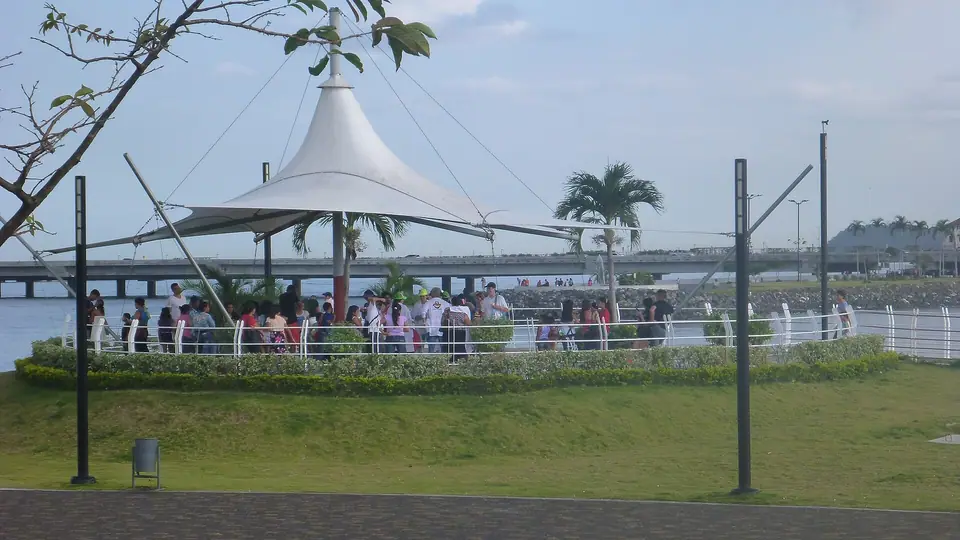
Mid-December to mid-April: Dry season (Verano) and trade winds
Locally called verano (summer), the dry season begins in mid-December as steady northeast trade winds (alisios) blow across the isthmus. According to ETESA meteorological normals, rainfall drops to just 2 to 4 days per month across January, February, and March. Blue skies, lower afternoon humidity, and calm seas make these four months the peak window for evening rooftop cocktails in Casco Antiguo, cycling the Amador Causeway, and sailing to the San Blas Islands (Guna Yala). February or early March also brings the four-day Carnival celebrations prior to Ash Wednesday.
May to August: Early green season and humpback whales
When the tropical rain belt shifts north in May, Panama enters its green season (invierno). Crucially, green-season weather follows a predictable daily rhythm: mornings from 06:30 to midday are usually bright and sunny, ideal for birding on Pipeline Road in Soberanía National Park or visiting the Miraflores Locks, followed by a warm one- or two-hour afternoon tropical downpour that cools the streets.
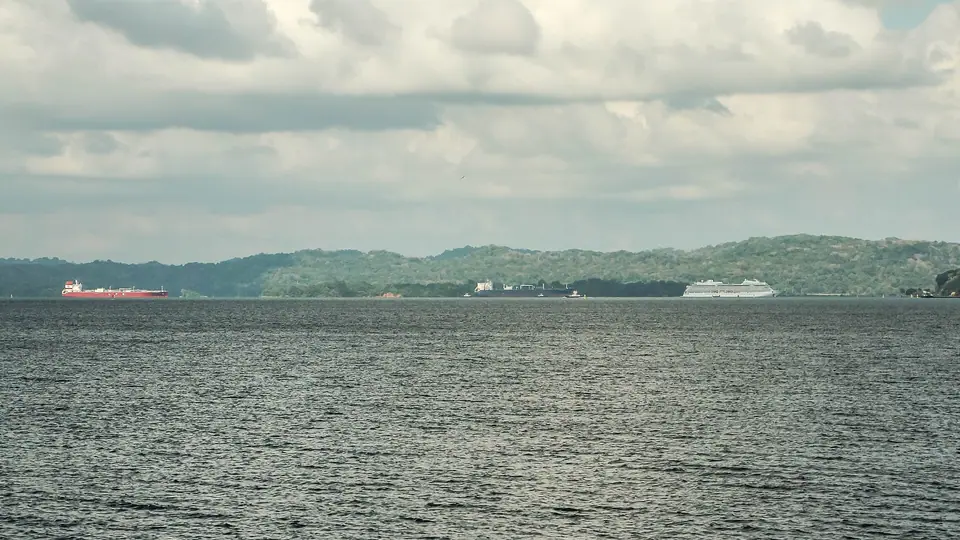
July to October: Humpback whales in the Gulf of Panama
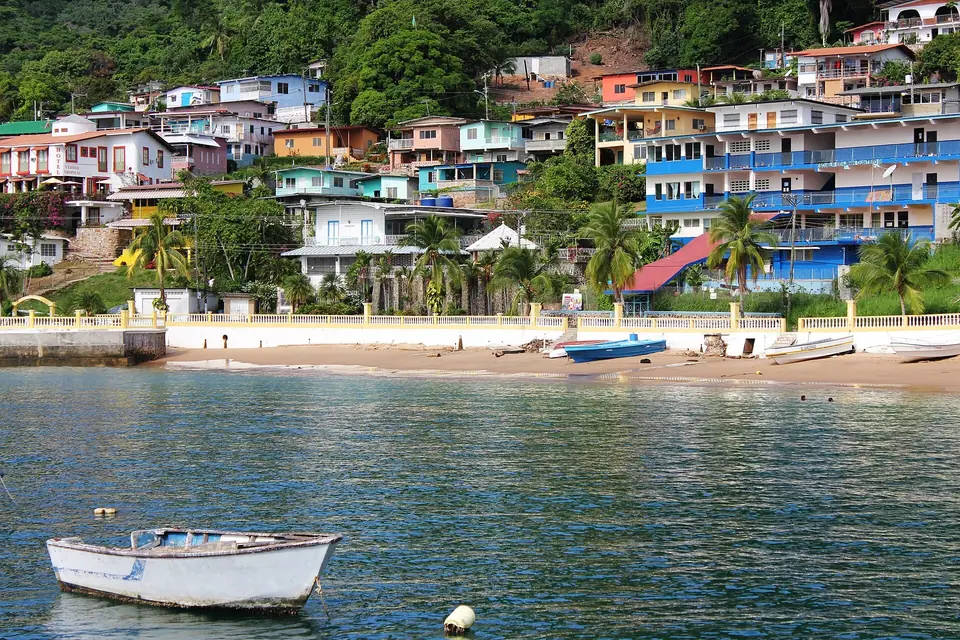
Between July and October, thousands of Southern Hemisphere humpback whales (Megaptera novaeangliae) migrate from Antarctica into the warm, shallow waters around Taboga Island and the Pearl Islands in the Gulf of Panama to give birth and nurse their calves.
October to November: Peak rains and Fiestas Patrias
October and mid-November are the wettest weeks of the year (averaging 20 rain days per month). November is also Panama's proudest cultural month (Mes de la Patria), when five national independence holidays (3, 4, 5, 10, and 28 November) fill Casco Antiguo with drum corps and embroidered pollera dresses.
Traveller tips
Real advice from people who have been to Best Time to Visit Panama City: Dry Verano Trade Winds, Green Season & Whale Months. Every tip is read by our team before it goes live.
No tips yet. Been here? Yours could be the first.
Thank you! Your tip will appear here after a quick review.
More in Panama City
Continue exploring Panama City with related neighbourhood, food, and planning guides
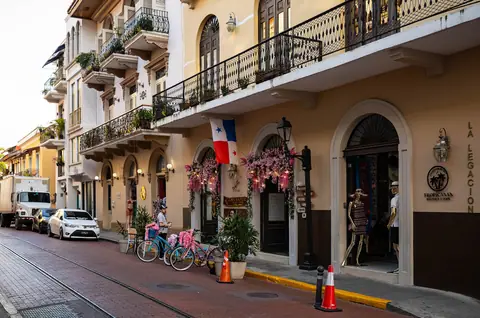
Where to Stay in Panama City: Casco Antiguo, Bella Vista, Avenida Balboa & Amador
Panama City, Panama
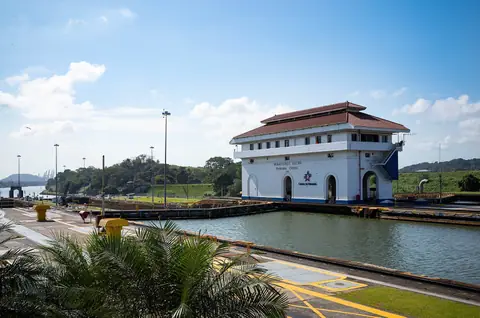
3 Days in Panama City: Canal Locks & Casco Antiguo, Rainforest & 1519 Ruins, Plus San Blas
Panama City, Panama
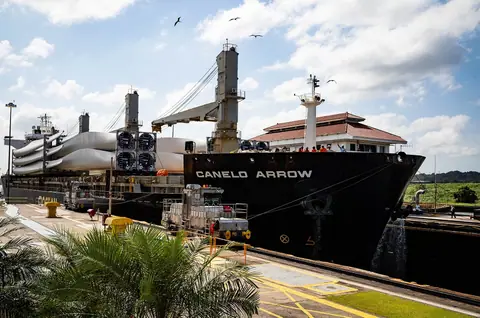
Panama Canal Guide: Miraflores Locks, IMAX, Cocolí & Agua Clara Neo-Panamax Expansion
Panama City, Panama
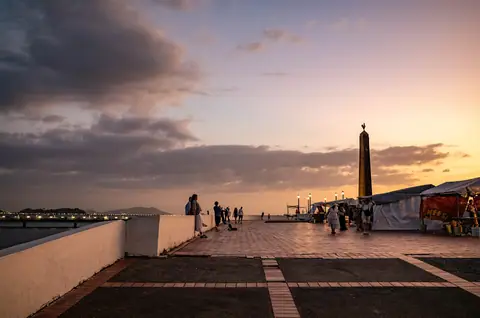
Casco Antiguo (San Felipe) Walking Guide: Four Plazas, Golden Altar & Museo del Canal
Panama City, Panama
