


























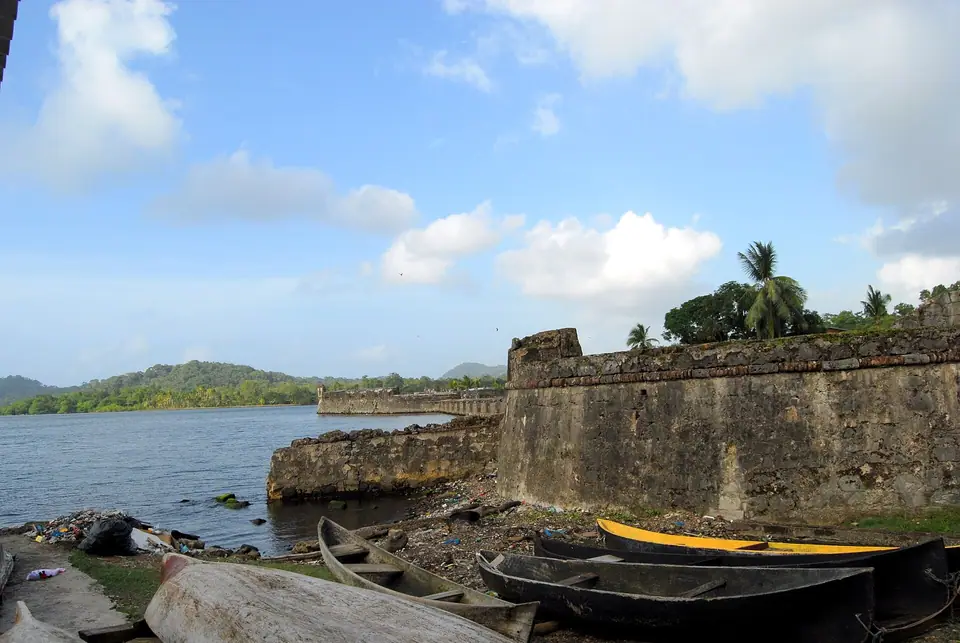
Portobelo Caribbean Forts, Fort San Lorenzo & Panama Canal Railway Day Trip
Cross the Isthmus to Panama's Caribbean coast: explore the UNESCO-listed Spanish treasure forts and Congo culture of Portobelo, cliffside Fort San Lorenzo, the Agua Clara Locks, and the historic 1855 Panama Canal Railway.
Less than two hours north of Panama City across the trans-isthmian highway, the Pacific skyline gives way to the emerald bays and rainforest headlands of the Caribbean coast. Here, at the northern terminus of the Spanish colonial silver trails, stand the UNESCO World Heritage fortifications of Portobelo and San Lorenzo alongside the Atlantic entrance of the Panama Canal.
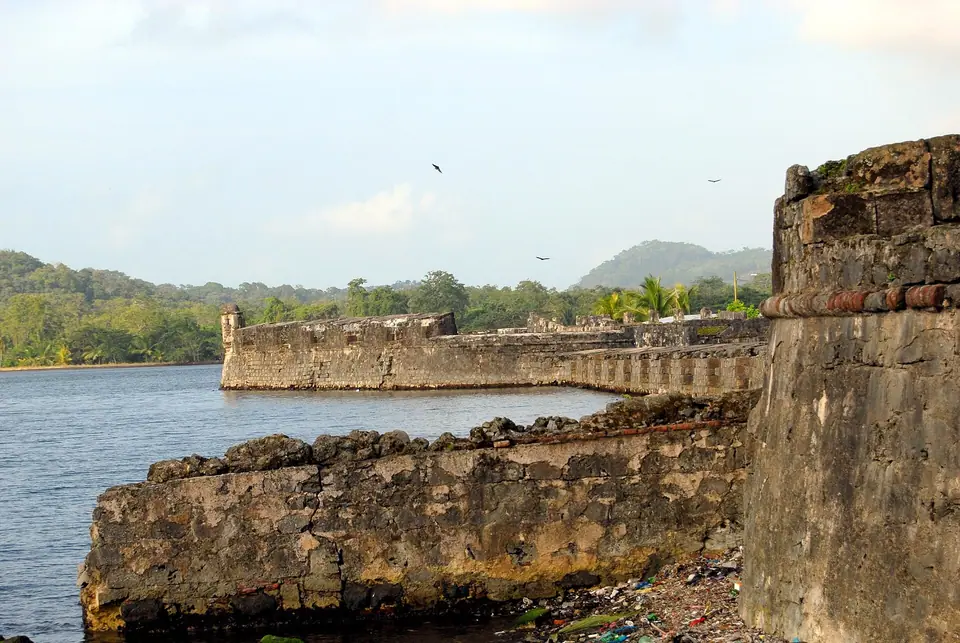
UNESCO Fortifications of San Felipe de Portobelo and the Royal Customs House
Inscribed on the UNESCO World Heritage list in 1980, the deep natural harbour of Portobelo (named Porto Bello by Christopher Columbus in 1502) served for nearly two centuries as the Caribbean stronghold where Spanish galleon fleets loaded silver from Potosí and gold from Peru hauled by mule across the Camino Real from Panamá Viejo. Repeatedly targeted by English privateers, Sir Francis Drake died of fever offshore in January 1596 and was buried in a lead coffin in Portobelo Bay, while Henry Morgan ransacked the town in 1668 and Admiral Edward Vernon captured it in 1739, the bay was fortified by Italian military engineer Battista Antonelli with coral-stone gun batteries positioned for crossfire.
Today you can walk unimpeded among the iron cannons and sentry boxes of waterfront Fuerte San Jerónimo and hillside Fuerte Santiago de la Gloria, then tour the restored two-storey 1630 Real Aduana de Portobelo (Royal Customs House) on the main square, where bars of Peruvian silver were once stacked in the courtyard during the forty-day Portobelo trade fairs.
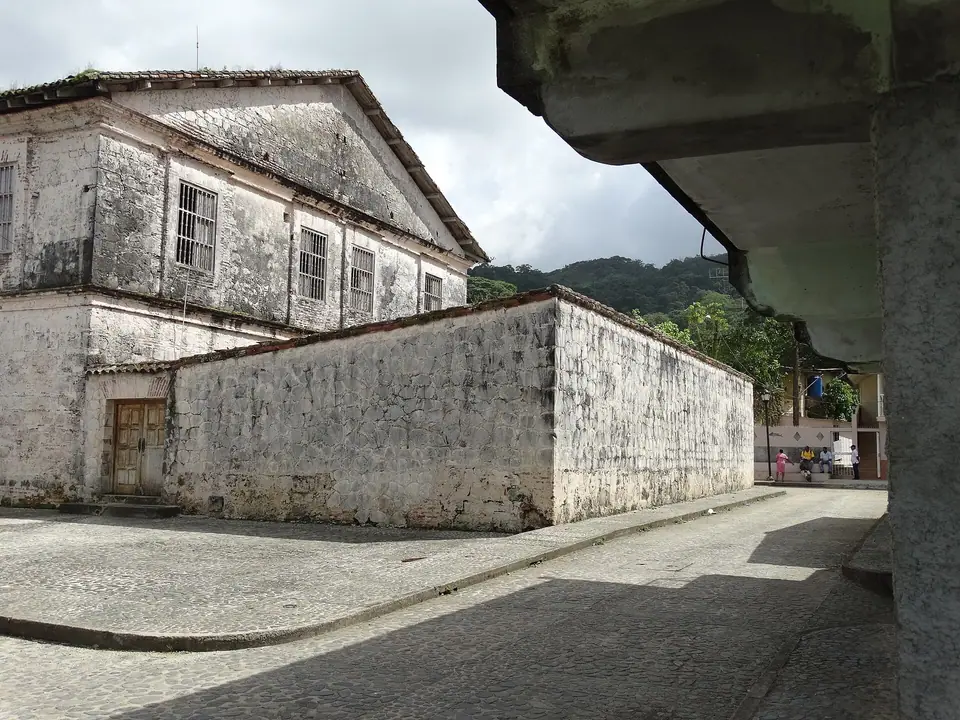
The Black Christ of Portobelo and UNESCO Afro-Colonial Congo Culture
One block from the customs house, step inside the 1814 Church of San Felipe to see the revered life-sized wooden statue of the Cristo Negro (Black Christ of Portobelo), dressed in velvet robes embroidered by devotees and carried through the streets every 21 October. Portobelo is also the living centre of Panama's Congo cultural tradition (inscribed by UNESCO as Intangible Cultural Heritage in 2018), created by self-liberated enslaved Africans (cimarrones) during the colonial era and celebrated today through polyrhythmic drumming, upside-down satirical royal courts, and contemporary galleries around the bay.
Fort San Lorenzo, Agua Clara Locks, and the 1855 Panama Canal Railway
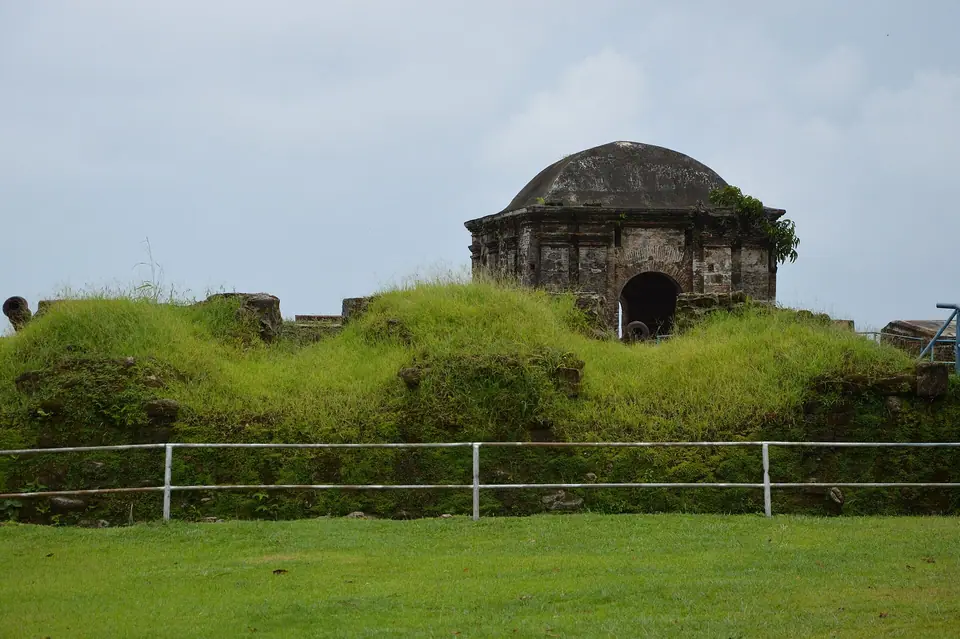
Pair Portobelo with a drive west across the soaring 2019 Atlantic Bridge (Puente Atlántico) above the Caribbean entrance of the Panama Canal to visit the Agua Clara Locks Visitor Center and the dramatic clifftop battlements of Castillo de San Lorenzo el Real de Chagres (1596), perched high above the mouth of the Chagres River inside San Lorenzo Protected Forest. When operating tourist passenger charters between Corozal (Panama City) and Colón, the historic 1855 Panama Canal Railway, the world's first transcontinental railroad, traces the eastern shore of Gatun Lake in one hour; check official railway operator schedules in advance.
Traveller tips
Real advice from people who have been to Portobelo Caribbean Forts, Fort San Lorenzo & Panama Canal Railway Day Trip. Every tip is read by our team before it goes live.
No tips yet. Been here? Yours could be the first.
Thank you! Your tip will appear here after a quick review.
More in Panama City
Continue exploring Panama City with related neighbourhood, food, and planning guides
Best Time to Visit Panama City: Dry Verano Trade Winds, Green Season & Whale Months
Panama City, Panama
What to Wear in Panama City: Tropical Linen, Rainforest Trail Gear & Rooftop Dress
Panama City, Panama
Where to Stay in Panama City: Casco Antiguo, Bella Vista, Avenida Balboa & Amador
Panama City, Panama
3 Days in Panama City: Canal Locks & Casco Antiguo, Rainforest & 1519 Ruins, Plus San Blas
Panama City, Panama
