


























Lefkes Mountain Village, the 1000 AD Marble Byzantine Road, Prodromos and Marpissa
Walking the 1,000-year-old marble-paved Byzantine footpath from pine-scented Lefkes down to pink-arched Prodromos.
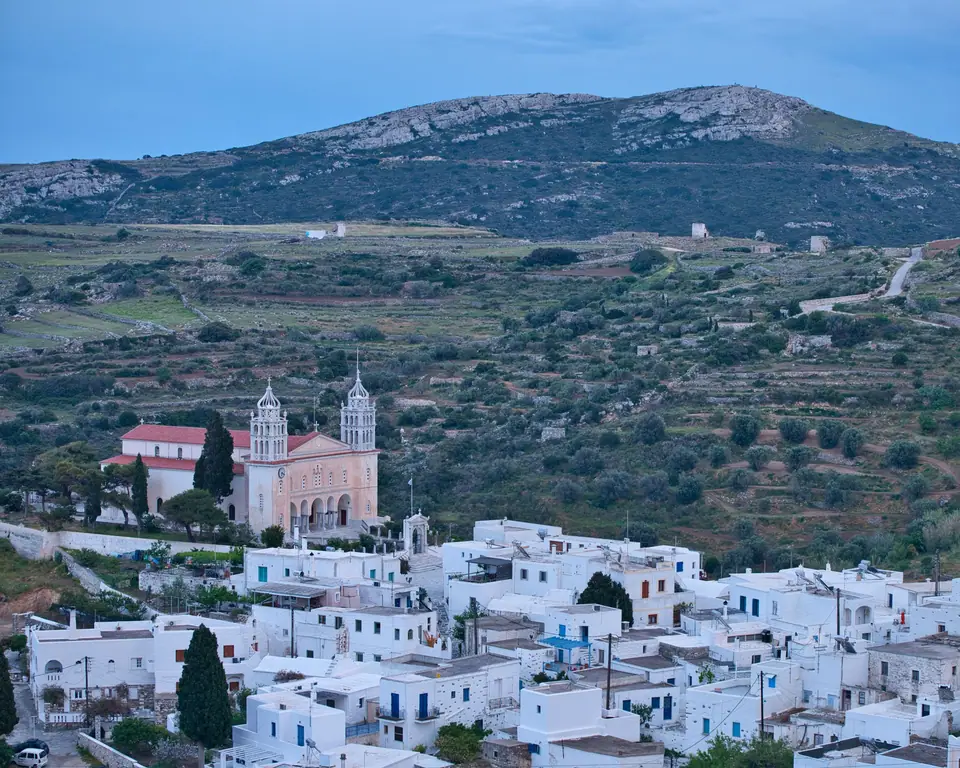
Eleven kilometres inland from both Parikia and Naoussa at 250 metres elevation in a pine-and-olive-clad mountain amphitheatre (20 minutes by frequent KTEL bus from either town), Lefkes is the most beautiful inland village in Paros. Founded in the 15th and 16th centuries by refugees from Crete and the Peloponnese who built high in the hills out of sight of Aegean pirates, Lefkes served as the administrative capital of Paros throughout the Middle Ages.
1. Walking Car-Free Lefkes Village (Ramnos Street & Agia Triada)
Motor vehicles are banned from the historic heart of Lefkes. Park at the upper village entrance and stroll down the main marble-paved pedestrian promenade, Ramnos Street, past 19th-century neoclassical houses, fragrant jasmine, ceramic workshops, and the 1920s House of Literature to the wide marble square of Agia Triada (Church of the Holy Trinity, 1830), famous for its two soaring, lace-carved white Parian marble bell towers and rare Byzantine icons.
2. Hiking the 1000 AD Marble 'Byzantine Road' (Lefkes → Prodromos: 3.5 km, 50 Mins Downhill)
Do not leave Lefkes without walking Greece's most famous island footpath: the Byzantine Road (Byzantinos Dromos). Constructed around 1000 AD during the Byzantine Empire to link the mountain capital of Lefkes with the eastern ports, this 3.5-kilometre footpath is paved continuously with large blocks of white Parian marble:
- Why Everyone Should Walk It (Easy, Gentle Downhill): the trail starts at the bottom of Lefkes village (right below Loukis café), crosses a medieval stone arch bridge over a stream, and winds gently downhill along the open mountainside with sweeping views over the eastern valleys, Naxos and the sea, bringing you directly into the whitewashed village of Prodromos in just 45 to 55 minutes.
- Prodromos & Marpissa (The Pink-Door & Windmill Villages): step through the vaulted archway into Prodromos (famous for its bougainvillea tunnels and Tsitsanis taverna, where you can order braised rabbit and chickpeas), then walk 15 minutes flat across the fields to Marpissa, a hilltop labyrinth of 16th-century churches, four windmills and the viral pastel-pink wooden door beneath a giant bougainvillea tree, before catching the frequent KTEL bus back to Naoussa, Parikia or Piso Livadi.
Traveller tips
Real advice from people who have been to Lefkes Mountain Village, the 1000 AD Marble Byzantine Road, Prodromos and Marpissa. Every tip is read by our team before it goes live.
No tips yet. Been here? Yours could be the first.
Thank you! Your tip will appear here after a quick review.
More in Paros
Continue exploring Paros with related neighbourhood, food, and planning guides
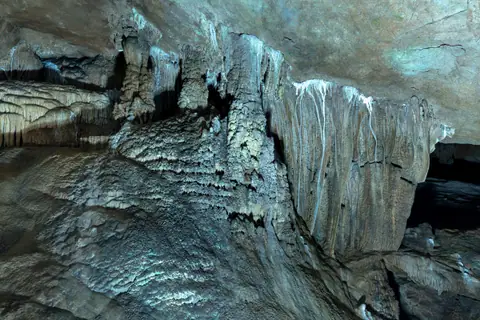
Day Trip to Antiparos Island (7-Minute Ferry), Antiparos Cave and Despotiko
Paros, Greece
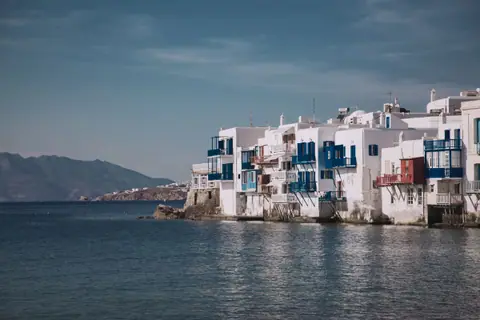
The East & South Coast Beaches: Piso Livadi, Golden Beach (Chrissi Akti) and Faragas
Paros, Greece
Ancient Parian Marble Quarries (Marathi), Butterfly Valley and Aliki's Folklore Museum
Paros, Greece

What to Eat & Drink in Paros: Grilled Gouna, Revithada, Karavoles and Moraitis Wine
Paros, Greece
